周五,唐纳德·特朗普再次强调了他对“实力即正义”的信念,认为法治是障碍而非国际秩序的基本基石。首先是对国际刑事法院(ICC)的升级攻击,对该机构本身实施制裁。随后,他宣布与俄罗斯达成协议,购买柴油。
On Friday, Donald Trump drove home his belief that might is right and the rule of law is an obstacle rather than an essential foundation stone of international order. First came the escalated assault on the international criminal court (ICC), sanctioning the body itself. Then he announced a deal with Russia to buy diesel.
美国长期以来对被其公开宣扬的法治所束缚感到不满。这种虚伪如今看来不过是小毛病。总统宣称,“我自己的道德”是唯一约束他的东西。他公然藐视法律、拥抱独裁者以及进行修辞攻击,所有这些都在破坏全球标准。
The US has long chafed at the notion of being bound by the rule of law that it espoused publicly. That hypocrisy now appears as a lesser vice. The president has declared that “my own morality” is all that constrains him. His brazen flouting of the law, embrace of dictators and rhetorical attacks all undermine global standards.
在中期选举前几周,特朗普先生将乌克兰对俄罗斯能源设施的攻击归咎于高昂的柴油成本。事实上,是他对伊朗的非法战争导致了油价上涨。周末对利雅得国际机场的袭击,疑似也门胡塞武装(受伊朗支持)所为,凸显了他无法仅在方便时就搁置这一冲突。
Weeks before the midterms, Mr Trump blames Ukrainian attacks on Russian energy facilities for high diesel costs. It is his own unlawful war on Iran that has raised prices. The weekend’s attacks on Riyadh’s international airport, suspected as the work of Tehran-backed Houthis from Yemen, underscored that he cannot simply park that conflict when it suits him.
莫斯科的这笔交易不太可能产生显著的柴油运输量;俄罗斯军队本身就依赖柴油运作。但乌克兰被期望遵循其传递的信息,以使弗拉基米尔·普京的生活更轻松。正是普京(国际刑事法院已对他发出逮捕令)发动了非法战争,其部队在此周末对平民发动了致命袭击。但在一个颠倒的世界里,特朗普先生指责弗拉基米尔·泽连斯基未能达成和平协议,并表示这位民主选举产生的领导人应该下台。
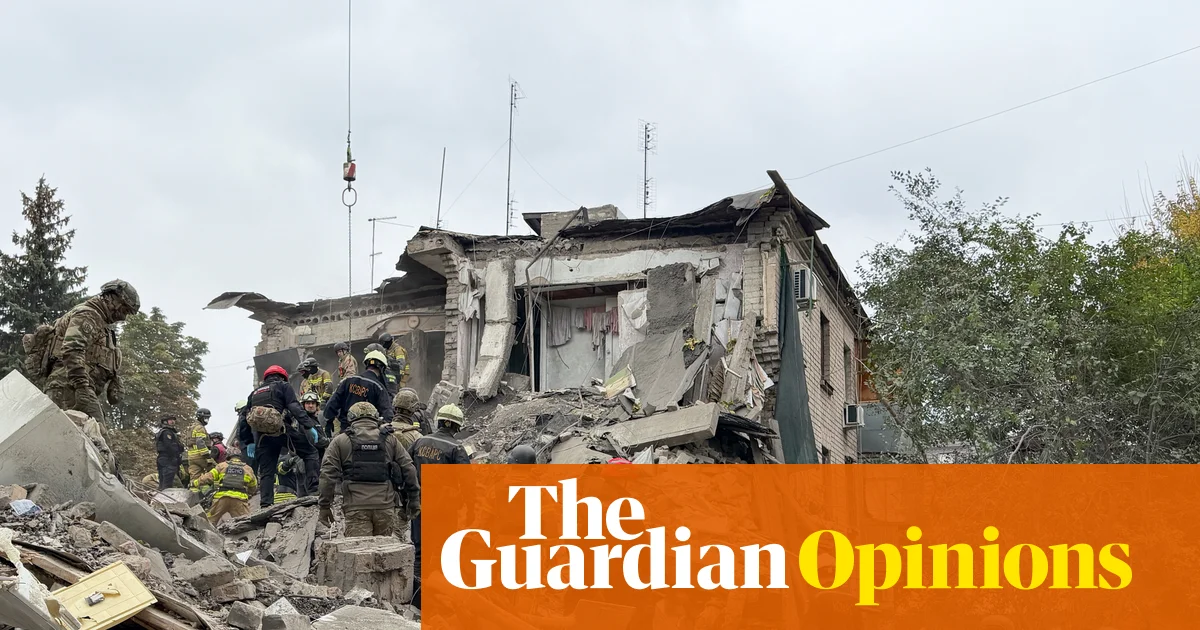
The Moscow deal is unlikely to produce significant shipments; the Russian military runs on diesel. But Ukraine is supposed to heed its message to make life easier on Vladimir Putin. It is Mr Putin (for whom the ICC has issued a warrant) who launched the illegal war, and whose troops launched lethal attacks on civilians this weekend. But in a world turned upside down, Mr Trump blames Volodymyr Zelenskyy for failing to cut a peace deal and says the democratically elected leader should go.
同样荒唐的是,用于打击侵犯人权者和战争罪犯的措施却被用来对抗那些寻求为受害者辩护的人。特朗普先生对国际刑事法院的攻击首先源于其对阿富汗的调查——尽管该法院已暂停对美国在那里的行动的审议——随后是对以色列总理本雅明·内塔尼亚胡及其前国防部长约阿夫·加兰特发出逮捕令。法院一直在为这些措施做准备。
It is similarly perverse to wield measures designed to target human rights abusers and war criminals against those who seek to defend their victims. Mr Trump’s attack on the ICC was fuelled first by its Afghanistan investigation – though it has suspended consideration of US actions there – and then the issuing of arrest warrants for Israel’s Benjamin Netanyahu and its former defence minister Yoav Gallant. The court has been preparing for these measures.
美国国务卿马尔科·卢比奥表示,公司有六个月时间切断关系,美国盟友必须约束法院:“要么国际刑事法院结束其威胁,要么我们将终结国际刑事法院。”而在(且是有意的)鲜明对比中,诺贝尔委员会同一天宣布,今年的和平奖得主是纳维·皮莱,她曾是国际刑事法院法官,也是去年得出结论认为以色列在加沙犯有种族灭绝罪的联合国委员会主席。
Marco Rubio, the US secretary of state, said that companies have six months to wind down ties and that US allies must rein in the court: “Either the ICC will end its threats, or we will end the ICC.”In stark (and intentional) contrast, the Nobel committee on the same day announced that this year’s peace laureate is Navi Pillay, a former ICC judge and chair of the UN commission which last year concluded that Israel had committed genocide in Gaza.
这不仅是对她始于南非种族隔离时代的卓越职业生涯的肯定,也是一个提醒:捍卫普遍原则的机构正面临日益增长的压力,必须得到捍卫。“和平需要正义,”委员会如此表示。
It was not only a recognition of a remarkable career that began in apartheid‑era South Africa, but a reminder that institutions defending universal principles are under increasing pressure, and must be defended. “Peace requires justice,” the committee said.
正如国际刑事法院所言,它不能孤立存在。英国、欧盟及其他国家批评美国的决定并宣示对法院的承诺是正确的;援引阻断法规反对制裁将为其言辞增添分量。他们必须在支持乌克兰的问题上表现出类似的决心。
As the ICC says, it cannot stand alone. The UK, EU and others too were right to criticise the US decision and declare their commitment to the court; invoking blocking statutes against sanctions would add heft to the rhetoric. They must show similar resolve in standing with Ukraine.
特朗普先生对法治的公开敌意有一个好处:没有人能为其开脱,或假设其仅是有限范围内的行为。对伊朗的战争、绑架委内瑞拉总统、在加勒比海对涉嫌毒贩的司法外杀戮,以及对格陵兰和加拿大的威胁,都展示了他将走多远,并推翻了盟友将安全无虞的假设。问题显然不在于“流氓法院”,正如卢比奥所声称的那样,而在于一个“流氓超级大国”。
The nakedness of Mr Trump’s hostility to the rule of law has one benefit: no one can explain it away, or assume it is narrowly bounded. The war on Iran, kidnapping of Venezuela’s president, extrajudicial killings of alleged drug traffickers in the Caribbean and threats over Greenland and Canada have shown how far he will go, and overturned assumptions that allies will be safe. It is clear that the problem is not a “rogue court”, as Mr Rubio has claimed, but a rogue superpower.