几周前,在康沃尔郡法尔茅斯一座曾经的银行大楼——如今改造成音乐场地——我正在主持我策划的派对“Rave Machine”并担任DJ。那是一个嘈杂、充满活力、汗流浃背的夜晚,正如一个跳舞之夜应有的样子。
A few weeks back, in a former bank building that's now a music venue in Falmouth, Cornwall, I was DJ-ing at a night I run called Rave Machine. It was a noisy, high-energy, sweaty affair, just as a night's dancing should be.
所有元素——观众、表演者、工作人员、音乐、回家的旅程——相互连接,共同创造出特别的东西,一次独一无二的体验。它也完全是人性的。理论上,这似乎超出了技术所能提供的范围。
All of the elements - the crowd, performers, staff, music, the journey home - connected to create something special, a one-off. It was also completely human. Something, in theory, well out of reach of what technology could possibly offer.
然而,在DJ界,技术已经改变了游戏规则。在20世纪90年代,DJ不仅要挑选曲目,还必须仅凭黑胶唱片、一对转盘和一个混音器,手动将曲目串联起来。如今,提供的帮助要多得多,包括可以按需同步不同曲目节拍的软件(我不使用)。Apple Music和Spotify也提供AI调曲选项。
In the DJ world, though, technology has already changed the equation. In the 1990s, a DJ had to not only pick the tracks, but also thread them together armed only with vinyl records, a pair of turntables and a mixer. Now, much more assistance is on offer, including software that will sync beats on different tracks should you ask it to (I don't). Apple Music and Spotify have an AI tune-mixing option too.
如果你正在跳舞,你会在乎DJ是否真正在DJ吗?如果你喜欢正在播放的音乐,你会在乎技术在背后做工作吗?
If you were out dancing, would it matter to you if a DJ was, well, not really DJing? If you loved the music being played, would you care if technology was doing the work?
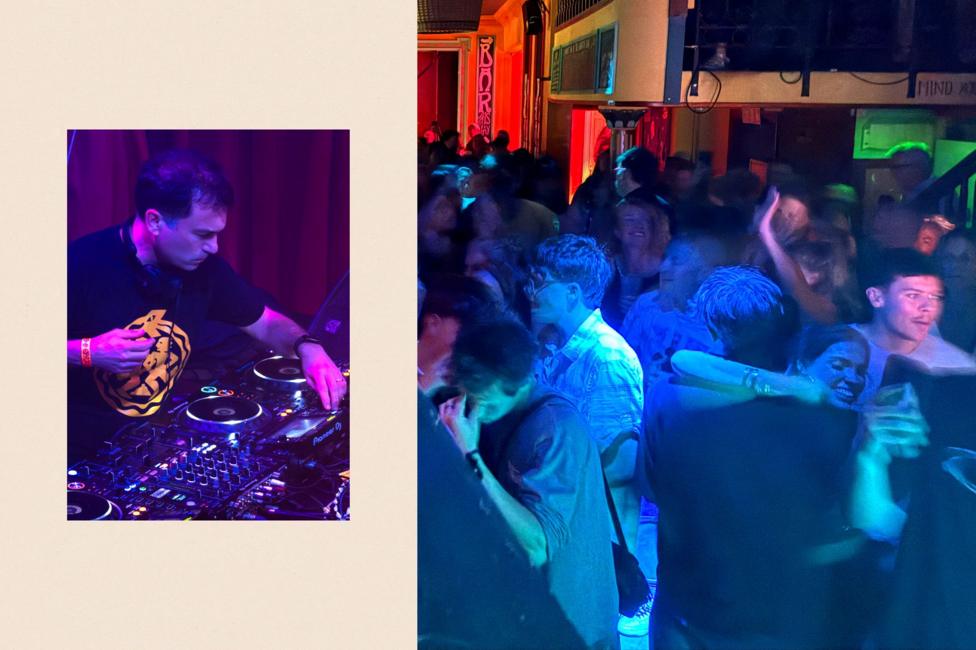
这是生成式AI——即能够创造内容的AI——向我们所有人提出的问题。那晚在法尔茅斯的一个亮点是看到我们的特别嘉宾,Groove Armada乐队的Andy Cato,巧妙地编织出一系列曲目。如果一个DJ只是按下播放键,我会有什么感觉?(事实上,这种情况确实会发生)。
我提到这一切,是因为法尔茅斯的这次体验关联到一个更广泛的问题:我们是否真的在乎一件艺术作品——无论是绘画、歌曲、书籍、诗歌,还是其他任何类型的艺术——是否由人类创作。
It's a question that generative AI - the type of AI that creates content - is asking of us all. One of the thrills of that night in Falmouth was seeing our special guest, Andy Cato from Groove Armada, artfully weaving an array of tracks. How would I feel if a DJ was just pressing play? (And that does happen). I mention all of this because that experience in Falmouth connects to a far broader question: whether we actually care if a piece of art has been created by a human, be that a painting, song, book, poem, or any other type of art.
音乐平台Deezer表示,其平台上上传的曲目中有44%是AI生成的。其研究还发现,97%的听众无法分辨哪些是AI生成的,哪些不是。但这里有一个第三个统计数据:超过一半的受访者表示,他们在乎作品是否由AI创作。他们希望人类参与其中。
The music platform Deezer says 44% of tracks uploaded to it are AI-generated. Its research also found that 97% of listeners couldn't tell what was AI-generated and what wasn't. But here's a third statistic: more than half of those surveyed said they did care if it was made by AI. They want humans to be involved.
丹尼尔·萨斯金德,伦敦国王学院经济学教授,表示我们许多人对人类在创作艺术中的角色赋予了巨大价值。他认为,正是这一点使得创作过程区别于更具功能性和实用性的任务。
Daniel Susskind, an economics professor at King's College London, says many of us place huge value on the human role in making art. It's what makes the creative process different from more functional, practical tasks, he thinks.
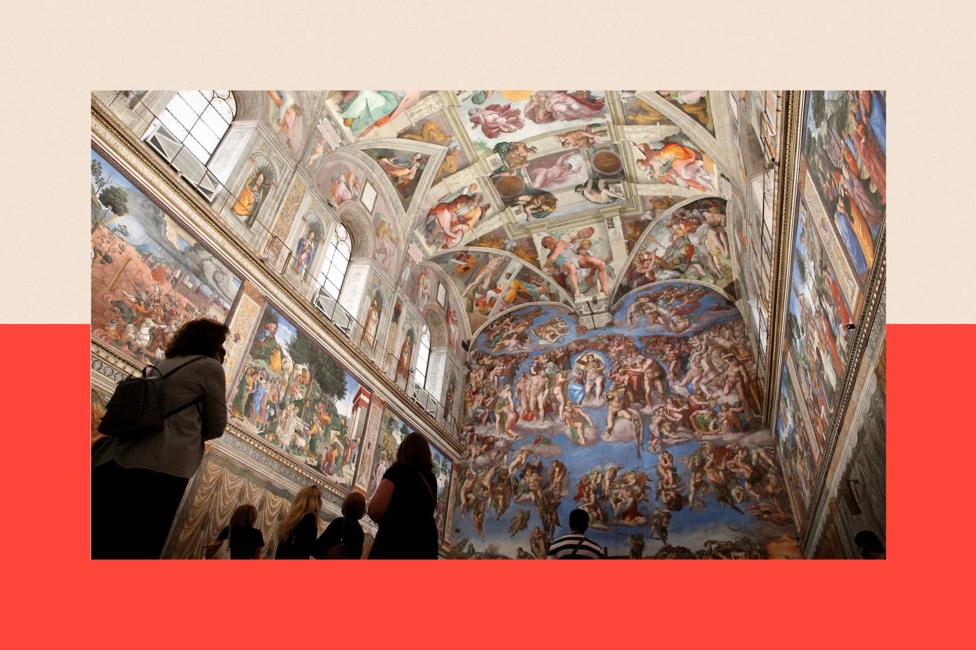
“我曾经在一个会计师的房间里,其中一位站起来说,‘我的客户来找我是为了那份个人化的触感,人性化的过程’,”他回忆道。“我说,‘他们来找你不是因为这个,他们来是因为他们想让税务处理得恰当’。”但艺术不同,他说。“如果我走进西斯廷教堂,抬头看天顶画,我不仅觉得那极其美丽,还觉得惊奇——一双和我一样由血肉构成的人类之手竟然创造了这一切。一个像我一样的头脑竟然构想出了这一点,”他说。
"I was once in a room of accountants, and one of them stood up and said, 'My clients come to me for the personal touch, the human process'," he remembers. "And I said, 'That isn't why they come to you, they come because they want their taxes done properly'." But it's different with art, he says. "If I walk into the Sistine Chapel and look at the ceiling, I think not only is that extraordinarily beautiful, but isn't it amazing that a human hand, flesh and blood like my own, came up with that. A mind like mine dreamt that up," he says.
正如萨斯金德所描述的,我们所珍视的不仅仅是终点,而是知道是人类——我们中的一员——把我们带到了那里。我们可以为这一成就感到惊叹。
As Susskind describes it, what we value isn't just the destination, it's the knowledge that a human - one of us - got us there. We can wonder at that achievement.
当然,也可以说,计算机和人工智能软件本身也是由人类创造的。如果萨斯金德在进入西斯廷教堂时感到敬畏,那么其他人可能通过使用像ChatGPT这样的聊天机器人体验到另一种类型的敬畏。
Of course, it could be argued that computers and AI software were themselves created by humans. If Susskind feels awe walking into the Sistine Chapel, others might experience awe of a different type using a chatbot like ChatGPT.
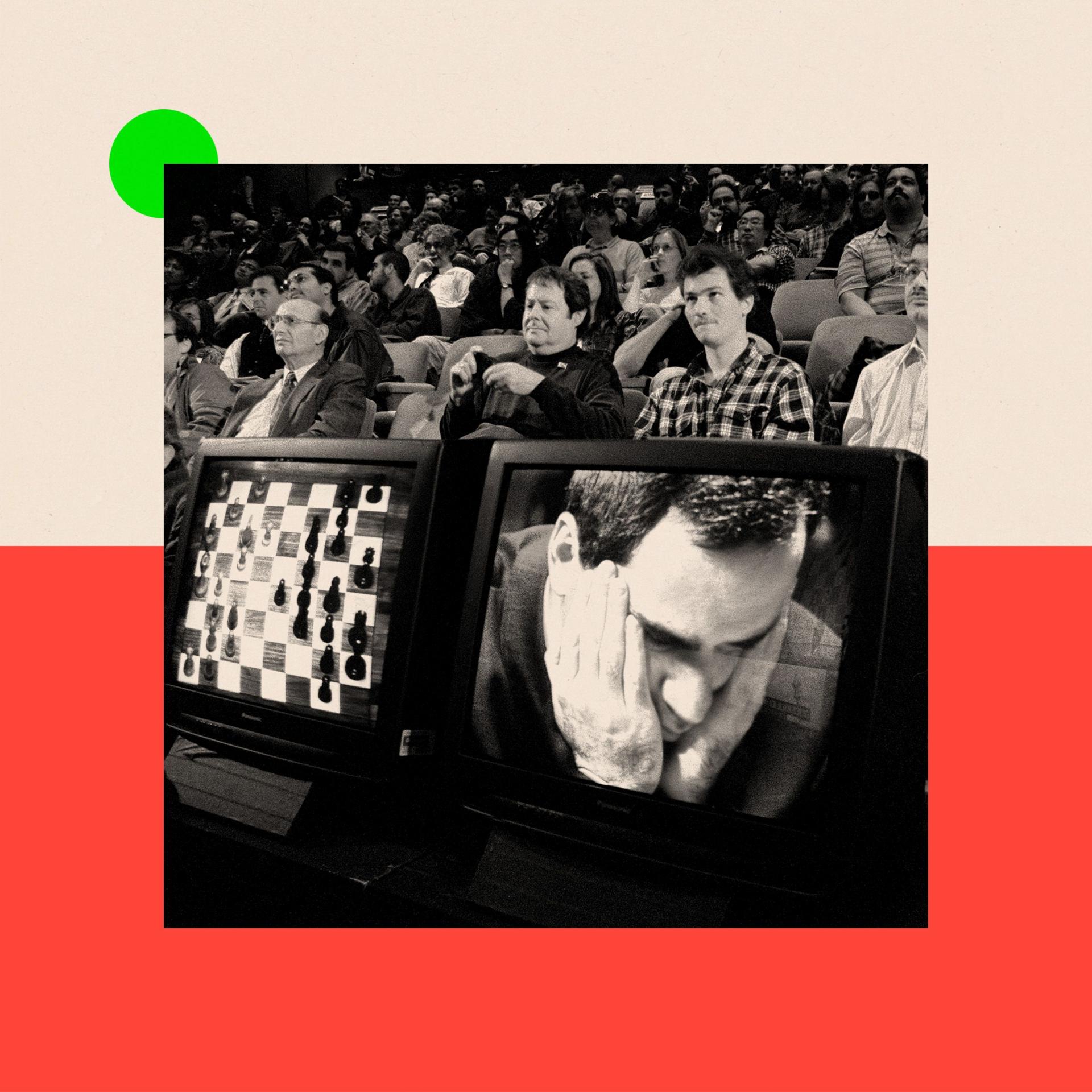
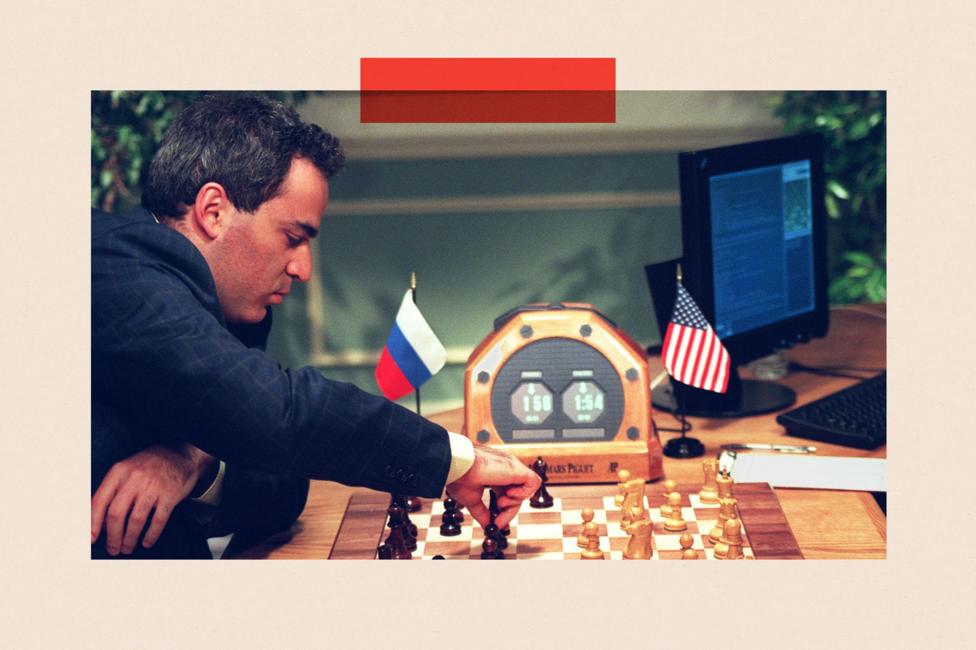
萨斯金德还举了另一个例子,那是1997年的一场国际象棋比赛,当时世界冠军加里·卡斯帕罗夫首次败给了一台名为“深蓝”的计算机。当时人们担心,计算机的胜利会导致人们对国际象棋的兴趣减弱。事实上,国际象棋如今比以往任何时候都更受欢迎,有数百万人在下棋。
Susskind points to another example, this time a chess match in 1997, when a world champion, Garry Kasparov, lost for the first time to a computer, Deep Blue. At the time, there were fears the computer's success would mean our interest in chess would wane. In fact, chess is more popular than ever, played by millions.
“人们关心的不仅仅是棋盘上的走法,”萨斯金德争辩道。“更重要的是,有人类坐在那后面,一步步移动那些棋子——这才是关键所在。”
"It wasn't simply the moves on the board that people care about. It's the fact that it's a human being sitting behind them, moving those pieces along that matters," Susskind argues.
有些人认为,人工智能的出现实际上提升了人们对人类创作事物的价值。你或许可以称之为“人类溢价”。
And some think that the advent of AI has actually placed extra value on things created by people. You might call that a human premium.
凯尔·查亚卡,一位专注于科技的《纽约客》记者,表示AI写作如今被普遍认为是“通用的、卑躬屈膝的和平庸的”。因此,他说:“我认为读者开始重视明显带有个人色彩的写作,甚至可能是杂乱无章、结构不够严谨或未经精心打磨的写作,这或许正是他们过去所期待的。”
Kyle Chayka, a journalist at The New Yorker focused on technology, says AI writing is now widely considered to be "generic, obsequious and banal". As a result, he says, "I think readers are coming to value very obviously personal writing, and maybe even writing that's messier, less structurally sound or composed or perfected, than they maybe once would've desired."
查亚卡继续说道:“我认为插画和图形设计也正朝着同样的方向发展,其中的平均水平变得过于容易获取,于是设计师们开始倾向于更加古怪、更具吸引力和更不寻常的风格,试图寻找AI难以轻易生成的内容。”面对AI生成内容的激增,学者们正竞相开发一种普遍认可的符号,用于标注“人类制造”的作品(类似于20世纪80年代出现的“公平贸易”标签)。诸如“无AI”之类的标签已经出现在一些书籍、电影和专辑的 上。
Chayka goes on: "I think illustration and graphic design is going in the same direction, where the average is too easily accessible, and so designers are leaning into being weirder and more eye-catching and more unusual, trying to find things that AI can't generate so easily." In response to the surge in AI-created content, academics are racing to develop a universally recognised symbol to denote something that is "human made" (similar to the "Fairtrade" label that emerged in the 1980s). Labels like "AI-free" are already appearing on covers of some books, films, and albums.
对于犹他大学哲学教授C·蒂·阮来说,这是一个关于我们根本价值观的问题。
For C Thi Nguyen, a philosophy professor at the University of Utah, it's a question of our underlying values.
他说,你可以通过他所说的“为什么链”来理清自己的价值观。如果你喜欢某件事或想做某件事,就问“为什么?”。如果答案是为了赚钱或取得成功,那就继续问“为什么?”。当这个过程结束时,那就是你真正重视的东西,他解释道。
He says you can often work out your values by following what he calls a "why chain". If you like something or want to do something, ask "why?". If the answer is to make money or be successful, keep asking 'why?' When the process ends, that will be what you really value, he explains.
他说,问题在于人类的参与和共享的人类体验是否会在“为什么链”的末端仍然占据重要位置。
The question, he says, is whether human involvement and shared human experience will keep its place at the end of the "why chain".
作者约翰·兰开斯特持乐观态度。他认为,只有人类才能做到的事情的价值最终会占上风。事实上,他对“人类溢价”的理念表示同情。
Author John Lanchester is optimistic. He thinks the value of what only humans can do will prevail. In fact, he sympathises with the idea of a 'human premium'.
“如果你把某种东西商品化,那么你无法商品化的东西就会开始显得更加重要,”他告诉我。
"If you commodify one kind of thing, the things you can't commodify start to seem more important," he tells me.
这一切听起来或许会让那些希望人类仍能成为文化创造核心的人感到欣慰。
All of that might sound heartening for people hoping that humans will remain central to the creation of culture.
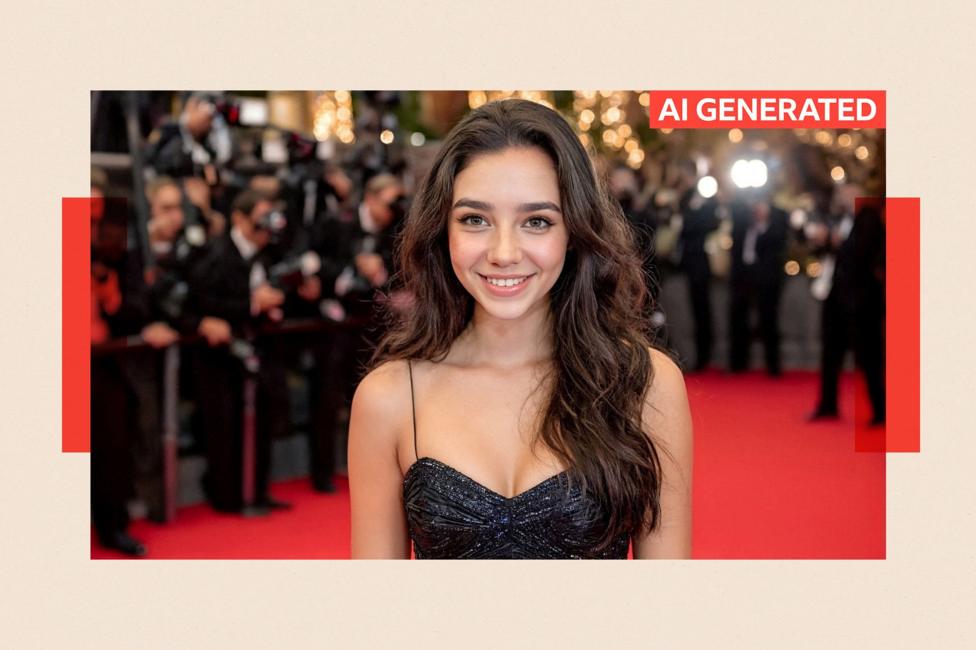
但我对此并不确定。AI生成的内容正以惊人的速度增长,我们可能很快就会难以分辨哪些内容涉及了AI,哪些没有。
But I'm not so sure. The amount of AI-generated content is increasing so quickly that we may soon struggle to distinguish what has or hasn't involved AI.
你可能已经见过关于AI“演员”蒂莉·诺伍德的报道,该角色去年由一家自称为世界上“首家AI人才工作室”的公司制作。美国演员工会对此并不买账。他们写道:“它没有可供借鉴的人生经验,没有情感,而且根据我们所看到的,观众对脱离人类体验的电脑生成内容并不感兴趣。”
You may well have seen coverage of the AI 'actor' Tilly Norwood, made last year by a company that bills itself as the world's "first AI talent studio". The Screen Actors Guild in the US was not impressed. "It has no life experience to draw from, no emotion, and, from what we've seen, audiences aren't interested in watching computer-generated content untethered from the human experience," they wrote.
我并不是说AI会取代演员——当然不会。但如今感觉脱离人类体验、显得奇怪的事物,在某些情况下,随着时间的推移可能不会显得那么奇怪。
I'm not saying AI will replace actors - of course not. But what feels untethered and strange now, may not, in some situations, feel so strange in time.
还值得一提的是,早在大型语言模型成为主流之前,我们就已经允许技术塑造我们的文化品味。
It's also worth remembering that long before Large Language Models went mainstream, we'd already allowed technology to shape our cultural tastes.
就在2000年代,我们仍然主动寻求所消费的文化。我们会买书、买电影票、买专辑。有时候我们仍然如此做。
As recently as the 2000s, we still sought out lots of the culture we consumed. We'd buy a book, a cinema ticket, an album. Sometimes we still do.
但越来越多的文化只是无端而至——以无穷无尽的流形式到来,由一个不断预测我们品味的算法进行筛选和推送。
But increasingly, culture just arrives - in an endless stream, sorted and served by an algorithm that is constantly predicting our tastes.
乍一看,这听起来很方便。工作被替我们完成了。但随着算法作用的增强,人类的作用却在减弱。
At first glance, this sounds convenient. The work's being done for us. But as the role of the algorithm goes up, so the role of humans goes down.
“有一种神话般的人物,比如你哥哥的朋友或类似的人,会把好的音乐品味传递给你,”查亚说,他的书《Filterworld》探讨了算法对文化的影响。“而现在我们依赖算法推荐来为我们完成同样的事情——向我们介绍新事物。”我从自己的习惯中认出了这一点。上世纪90年代,当我开始收集舞曲时,我会通过唱片店和我信任的人的推荐来发现新音乐。
"There's the mythical figure of your big brother's friend or something, who passes on good music taste to you," says Chayka, whose book Filterworld explores the impacts of algorithms on culture. "And now we rely on algorithmic recommendations to do that same thing for us. To introduce us to new things." I recognise this from my own habits. Back in the 1990s, when I started collecting dance music, I'd find new music through record shops and recommendations from people I trusted.
我仍然可以这样做,而且确实还在这样做。但如今,算法在为我完成很多这样的工作——而且这确实很有帮助。我会发现一些否则我永远不会遇到的曲目。在某种程度上,我让技术引导我。
I can still do that, and do. But these days the algorithm's doing a lot of that work for me - and it can be really helpful. I'll find tunes I wouldn't have discovered otherwise. To an extent, I am letting technology guide me.
Chayka 认为算法让我们变得懒惰,并且“阻止我们在文化品味上深入”。有时我们可能会发现一部需要付出努力的艺术作品——也许是一本艰深的长篇书籍,或是一部看起来奇怪的电影。“它可能一开始会让我们感到疏离,但最终它会激发我们,”Chayka 说。
Chayka thinks algorithms have made us lazy, and "prevent us from going deeper" in our cultural taste. Sometimes we might find a piece of art that requires work - a long, difficult book, perhaps, or a weird-seeming movie. "It might alienate us initially, but eventually it inspires us," Chayka says.
“我认为这种文化已经在为‘作为内容消费的文化’让路了——这种文化不会改变你的生活,它只是让你的大脑在几个小时里关机。”而这是一个自我强化的循环;创作者们在寻求算法所能提供的关注时,会调整自己的作品。
"I think that kind of culture has fallen by the wayside in favour of culture as content to consume that's not going to change your life, it's just going to turn your brain off for a few hours." And it's a self-reinforcing loop; creators adapt their work as they seek out the attention the algorithm can provide.
而这里的关键点在于:这种转变——通过算法发现文化——是我们已经基本接受的。那么当人工智能开始大规模生产书籍、电影和音乐时——我们是否只会耸耸肩,也接受这一点?
And here's the key point: this shift - to discovering culture via algorithms - is one we've already largely accepted. So when AI starts making books, films, and music in large numbers - might we just shrug and accept that too?
回到1986年,在华盛顿特区,抗议的老师们排成队站在会议中心外面的街道上。他们并不是在为工资或预算削减而愤怒。这一次,他们愤怒的对象是计算器。数学老师约翰·萨克森站出来支持这一事业。“孩子们没有学好数学事实,因为他们正在对计算器上瘾,”他宣称。“如果他们给我一个黑箱,我不会知道……六乘八是48‘因为它押韵’,而七乘九是63‘因为它不押韵’。”我们都有自己记住乘法表的方法。
Back in 1986, in Washington DC, protesting teachers lined the streets outside a convention centre. They weren't angry about their wages or budget cuts. In this case, the object of their ire was the calculator. Maths teacher John Saxon had taken up the cause. "The kids are not learning their math facts because they're becoming calculator hooked," he proclaimed. " If they had given me a black box, I wouldn't know that… six times eight's 48 'cause it rhymes, and seven times nine is 63 'cause it does not." We all have our ways of remembering times tables.
不用说,萨克森在这场争论中失败了。但其中一些论点感觉很熟悉。
Needless to say, this is an argument that Saxon lost. But some of those arguments feel familiar.
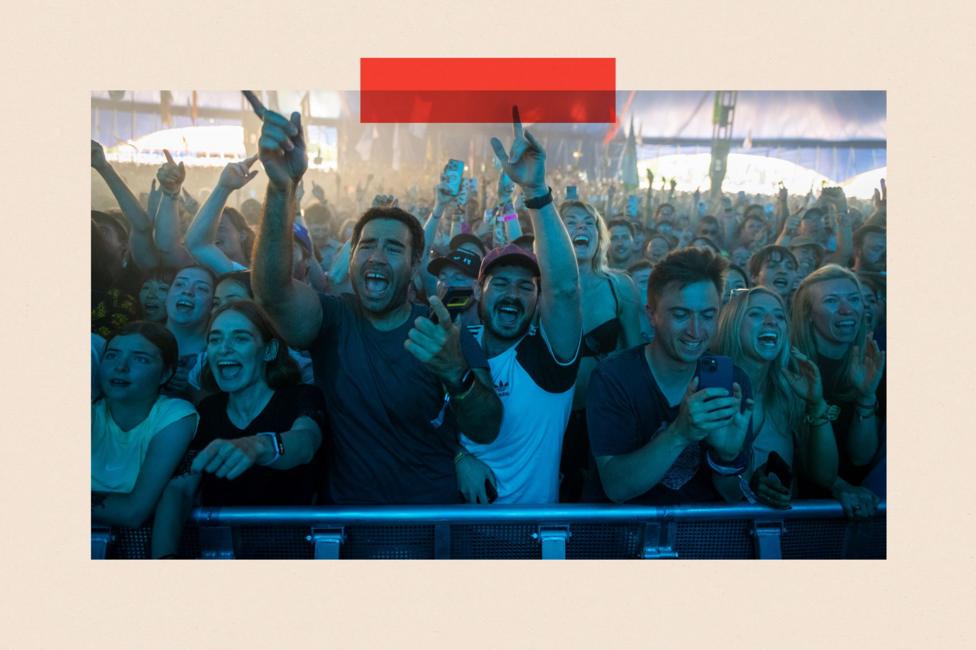
当然,有些事情目前至少暂时超出了技术的范围。想想几周前我在法尔茅斯的一次汗流浃背的DJ之夜,还有另外250个狂欢者。
Of course, some things are definitely out of range of technology, at least for now. Think of my sweaty DJ night in Falmouth a few weeks ago, with 250 other ravers.
亚历克斯·马洪说,她已经注意到人们对像这样的线下体验的欣赏在增加——也许这是对我们现在大部分时间花在智能手机屏幕上的一种反弹。
Alex Mahon says she's noticed an uptick in appreciation for in-person experiences like these - perhaps as a backlash to the amount of our lives now spent on a smartphone screen.
她是Superstruct Entertainment的首席执行官,这是全球领先的音乐节和现场娱乐集团之一。"人们想去参加更多现场活动,"她说。"他们想要那些不可预见……不可预测的东西。特别的时刻在于现场。那种兴奋、那种发现,在于与他人一同亲历现场。"
She's chief executive of Superstruct Entertainment, one of the world's leading festival and live entertainment groups. "People want to go to more live things," she says. "They want to have things that are unforeseeable… unpredictable. The special moment is live. The excitement, the discovery is hearing it in person with others."
就文化而言,何时可以外包给技术,何时又不可以?我越深入研究这个问题,就越不确定我们能否预设我们将做出的选择。
In the case of culture, when is it OK to outsource to technology, and when is it not? The more I look at this, the less I'm sure we can assume what choices we'll make.

我们每个人都将不得不决定,在何种情况下,某物是否由人类创作才显得重要。
Each of us will have to decide when it matters if something is made by a human.
Top是网站和应用程序上最佳分析的栏目,提供挑战假设的全新视角和对当天最大议题的深度报道。艾玛·巴内特和约翰·辛普森每周六为您精选最发人深省的深度阅读和分析。
Top is the home on the website and app for the best analysis, with fresh perspectives that challenge assumptions and deep reporting on the biggest issues of the day. Emma Barnett and John Simpson bring their pick of the most thought-provoking deep reads and analysis, every Saturday.