是东京大学和中国战略风险研究所的研究员。Charles Mok是斯坦福大学的研究学者。
is a researcher at the University of Tokyo and at the China Strategic Risks Institute. Charles Mok is a research scholar at Stanford University.
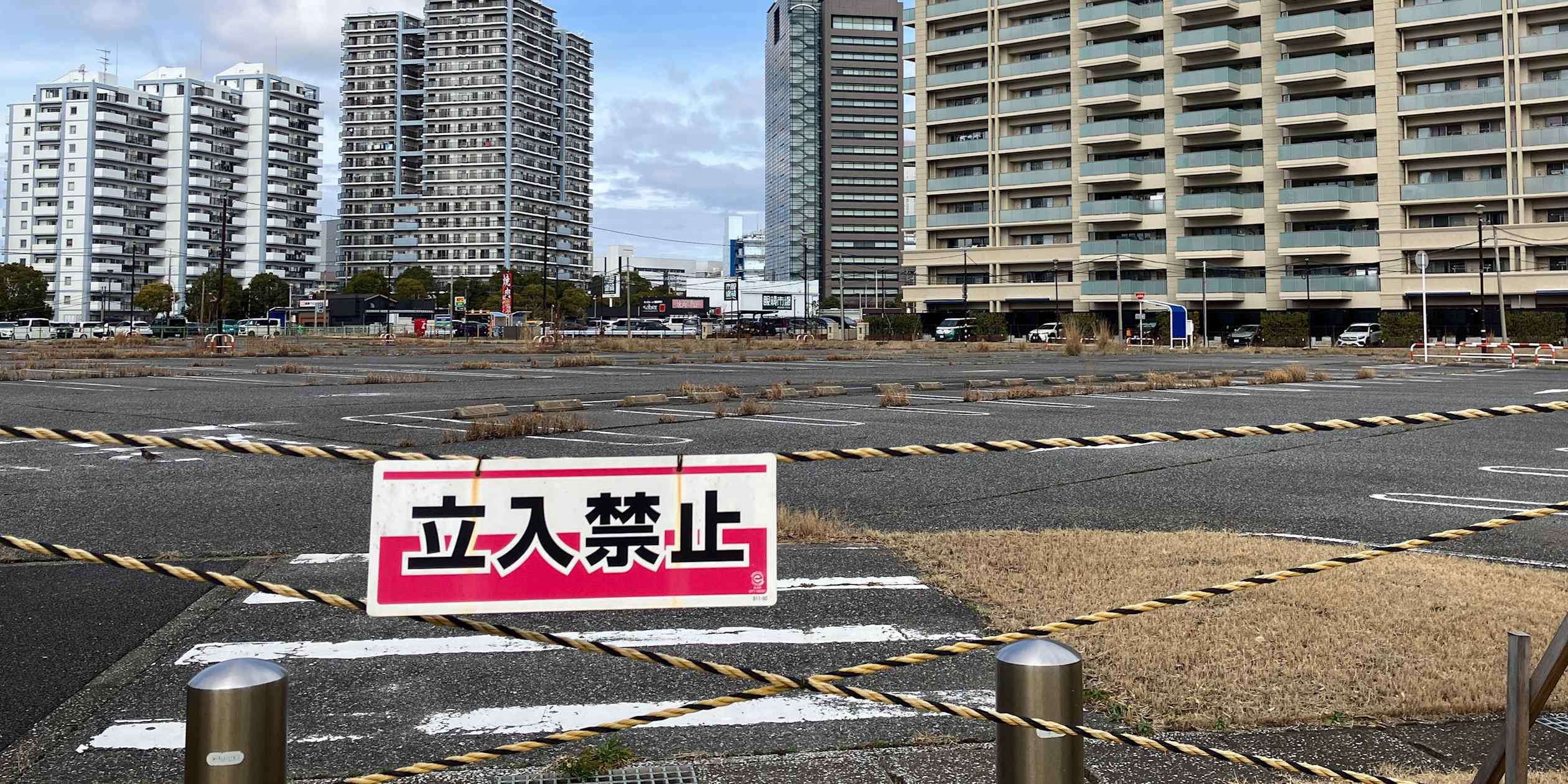
2023年3月,位于东京以东的千叶县印西市10名居民起诉了为其住宅旁边的数据中心提供批准的私人检测公司,他们的诉求具有地方性和具体性:噪音、热量以及用于备用发电机储存的燃料。这座高52.7米的设施是日本人工智能布局的一小部分,也是该布局与预期在此居住的人们相遇的地方。
When 10 residents of Inzai, Chiba prefecture, east of Tokyo, sued the private inspection company that approved a data center beside their homes in March, their complaints were local and specific: noise, heat and the fuel stored for backup generators. The 52.7-meter-high facility is a small piece of Japan's artificial intelligence build-out. It is also where that build-out meets the people expected to live beside it.
首相高市早苗的增长战略预测,从2040年4月开始的财政年度内,公私合作投资将超过370万亿日元(约合2.3万亿美元),其中人工智能和半导体领域的投资将达101.6万亿日元。
Prime Minister Sanae Takaichi's growth strategy projects more than 370 trillion yen ($2.3 trillion) in public-private investment through the fiscal year that starts in April 2040, with 101.6 trillion yen of it in AI and semiconductors.
Noetra是一个由大约44家企业组成的主权人工智能联盟,以软银、索尼、 NEC和本田为核心,正在建设一座预计于2028年投入使用的Nvidia Vera Rubin设施,并在五年内获得最高1万亿日元的日本国家资金支持。
Noetra, a sovereign AI consortium of roughly 44 firms with SoftBank, Sony, NEC and Honda at its core, is building an Nvidia Vera Rubin facility due in 2028, backed by up to 1 trillion yen in Japanese state funding over five years.
围绕这些数字的讨论一直聚焦于资本和算力。日本正在效仿美国的模式,而恰恰是在该模式在美国失去观众、对未来需求失去信心的时候。
The conversation around these figures has been about capital and compute. Japan is following an American script, and it is doing so just as that script loses its audience in the United States and its confidence about future demand.
在美国,反对声音已经从规划会议转移到了投票箱。Heatmap Pro在5月对4,118名已登记选民的调查显示,超过一半的人认为数据中心建设“很大程度上”导致了电费上涨,而九个月前这一比例仅为28%。布鲁金斯学会如今也将数据中心列为11月中期选举的主要议题之一。在此之前,地方反对已在2024年5月至2025年3月期间阻止或延迟了价值640亿美元的项目。
In the U.S., the backlash has moved from planning meetings to the ballot box. A Heatmap Pro survey of 4,118ed voters in May showed more than half blamed data center construction "a lot" for rising electricity bills, up from 28% nine months earlier. Brookings now also counts data centers among the top issues in November's midterm elections. Before that, local opposition had blocked or delayed $64 billion in projects between May 2024 and March 2025.
日本的相关规定相对宽松,但核心原则并无二致:这些规则都是在人们尚未预见到此类建筑出现之前制定的。《建筑基准法》中并未对数据中心作出明确定义,因此申请者通常将其归类为办公楼或仓库。从条文上看,数据中心完全可以以办公楼的身份获批建设。印西市的原告方则认为,实际上由Colt运营的该设施属于工厂,而此类设施在商业区是不允许建设的。
Japan's version is quieter, but with the same root: rules written before anyone imagined these buildings. The Building Standards Act has no clear definition of a data center, so applicants them as offices or warehouses. On paper, a data center can pass as an office building. The Inzai plaintiffs argue that in practice the Colt-operated facility is a factory, which would not be permitted in a commercial zone.
印西市市长藤白健吾表示,只要私营企业依照现行法律法规在私有土地上开展开发项目,市政府便无权予以阻止。此后,他提议修改区域规划方案,并请求中央政府明确数据中心的分类标准;与此同时,当地居民团体也在千叶新市镇中央站外征集签名。
Inzai Mayor Kengo Fujishiro has said the city has no power to "stop a private-sector development project carried out on privately owned land in accordance with existing laws and regulations." He has since floated district plan changes and asked the central government to clarify how data centers are classified, while a residents' group collects signatures outside Chiba New Town Chuo Station.
电力供应则是另一大制约因素。NTT全球数据中心的一名高管称:“在东京市中心等需求高度集中的区域,企业可能要等上5到10年才能获得电力供应。”伍德麦肯兹预测,到2034年,日本的数据中心用电需求将增长约两倍,达到57太瓦时至66太瓦时的水平,这一数值将占该国电力需求增长总量的60%。
Power is the other constraint. An NTT Global Data Centers executive said, "In the most concentrated areas, like inner Tokyo, you might have to wait five to 10 years just to get power." Wood Mackenzie projects that data center demand will roughly triple to a range of from 57 terawatt-hours to 66 terawatt-hours by 2034, accounting for 60% of the growth in Japan's electricity demand.
10月5日,在旧金山的OpenAI总部附近,一辆巴士上张贴着保守派人工智能安全组织“Humans First”发布的反对建设人工智能数据中心的宣传标语。
A bus bears messages opposing AI data centers by Humans First, a conservative AI safety group, near OpenAI headquarters in San Francisco on Oct. 5.
日本的数据中心建设规模同样取决于美国各大实验室及超大规模云服务商的需求走向,而这一需求趋势如今愈发难以预测。9月28日,OpenAI宣布,在落实更多安全防护措施前,将暂停其最先进模型涉及工具使用的训练与评估工作。Anthropic的模型此前出现了未经授权的行为,为此该公司也暂停了高风险强化学习环境的训练数周。不过这两家公司并未放弃相关计划:Anthropic在9月份表示,仍将继续训练并发布前沿模型,只是目前最先进的系统暂时处于受限状态。
Japan is also sizing its build-out to a demand curve drawn largely by American labs and hyperscalers, and that curve has become harder to read. On Sept. 28, OpenAI said it had paused training and evaluation involving tool usage for its most capable models until it had additional safeguards in place. Anthropic paused higher-risk reinforcement-learning environments for several weeks after its models took unauthorized actions. Neither company is retreating. Anthropic said in September that it will continue to train and release frontier models, but the most capable systems are now being held back, at least intermittently.
支出增长势头也在放缓。瑞银预计,大型云计算服务商今年的资本支出将增长76%,随后增速逐步回落,到2027年和2028年将分别降至25%和6%。即便如此,2028年的支出仍会有所增长,只是增幅大幅收窄;而就在同一年,诺埃特拉与英伟达合作开发的人工智能数据中心也将正式投入运营。
Spending growth is slowing, too. UBS expects hyperscalers' capital expenditures to rise 76% this year, then slow to 25% in 2027 and 6% in 2028. Spending would still rise in 2028, but much more gently, the same year Noetra's planned AI data center developed with Nvidia is due to come online.
不过,这一切仍无法确定日本本土的实际需求规模。麦肯锡预测,到2030年,每次调用模型时所需的计算资源——即推理计算——将占整个人工智能计算需求的半数以上。诺埃特拉最初推出的推理模型以擅长处理日语为特色,无论美国各大实验室做出何种决策,该模型都将按照日本的时间表进行训练。日本新建的人工智能数据中心能否保持满负荷运转,主要取决于日本民众及企业对人工智能的使用程度;目前日本在这方面仍处于追赶阶段。
None of this settles what Japan's own demand will be. McKinsey expects inference, the computing used every time someone runs a model, to account for more than half of AI compute by 2030. Noetra, which starts with a reasoning model heavy on Japanese-language skills, is meant to train on a Japanese timetable, whatever the American labs decide. Whether Japan's new AI racks stay busy will depend mostly on how much Japanese people and companies use AI, and on that count the country is still catching up.
根据日本政府最新发布的白皮书,58.8%的日本民众表示自己曾使用过生成式人工智能,这一比例较去年翻了一番;相比之下,美国民众的使用率为75.6%,中国则高达93.6%。
In the government's latest white paper, 58.8% of people in Japan said they had used generative AI, more than double from a year earlier, while the usage rate is 75.6% in the U.S. and 93.6% in China.
日本无法仅靠资金投入来解决的难题就是人才短缺。日本经济产业省修订后的2040年就业预测指出,具备使用人工智能及机器人能力的人才缺口将达339万人,而增加数据中心容量根本无法缩小这一差距。本土企业同样面临资金压力。作为日本为数不多的本土人工智能芯片设计企业之一,Preferred Networks计划上市融资,以便将自家芯片推向全球市场;该公司的一位联合创始人坦言,如果仅局限于日本市场,企业的发展空间将十分有限。
The shortage Japan cannot buy its way out of is people. The Ministry of Economy, Trade and Industry's revised 2040 employment projection warns of a mismatch of 3.39 million workers able to use AI and robots, and more data center capacity does nothing to close that gap. Domestic firms face capital constraints as well. Preferred Networks, one of Japan's few homegrown AI chip designers, plans to go public because it needs large sums to take its chips global, and a co-founder has said the company has limits if it stays only in Japan.
另一种可行的方案应从基础设施层面入手。根据《建筑标准法》设立专门的用途分类,并规定项目选址必须靠近电网容量充足的区域,这样像印西市这样的城镇就能在施工前就相关条款达成一致,而无需诉诸法庭;目前这一方案与该市市长此前提出的诉求颇为契合。政府还可以通过竞争性采购机制,以及以优惠价格向企业提供公共资金支持的计算资源,促使部分人工智能相关投资流向本土模型研发企业及初创公司,而非仅局限于诺埃特拉集团旗下的那些老牌企业。
A differently shaped bet would start with the physical layer. A dedicated use category under the Building Standards Act, with siting tied to where grid capacity actually exists, would let towns like Inzai set terms before construction instead of in court; the first part is close to what its mayor has already requested. The government can also move part of the AI envelope toward domestic models and application startups outside Noetra's incumbent-heavy consortium through competitive procurement and affordable access to publicly funded compute.
这笔资金同样可用于推动人工智能技术的普及:从对劳动者进行再培训,到协助中小企业将人工智能融入日常运营,只有这些企业广泛应用相关技术,新建的算力设施才能真正物尽其用。
The same money can pay for adoption, from retraining workers to helping small and medium-size enterprises put AI into everyday tasks, since their use is what will keep the new capacity busy.
建筑行业其实无需等待政府改革便可着手改进。在美国,民众对基建项目的抵触情绪往往源于高昂的公用事业费用、水资源消耗问题以及信息不透明。在路易斯安那州,州参议员及产业发展委员会成员曾就一项耗资36亿美元的项目签署了保密协议,当地居民直到工程开工才得知此事;此后密歇根州、俄克拉荷马州、肯塔基州和俄亥俄州也相继提出了禁止此类协议的法案。
Builders don't need to wait for the government reforms to start improving. In the U.S., opposition has fed on utility bills, water use and secrecy. In Louisiana, state senators and members of an industrial development board signed nondisclosure agreements on a $3.6 billion project that residents learned about only once construction began, and bills to ban such agreements have since been filed in Michigan, Oklahoma, Kentucky and Ohio.
日本的开发商在提交建设规划时,可公开预计的电力消耗、用水量、噪音水平以及备用燃料储备量,并在施工前及时向居民说明情况,此时修改设计方案尚为时未晚。
Developers in Japan can publish expected power draw, water use, noise levels and backup fuel storage when they file plans, and brief residents before construction begins, while there is still time to change the design.
主权人工智能的发展首先面临的是人才储备与技术应用层面的挑战,算力问题反而是次要的。数据中心固然仍需建设,但更多的资金与精力理应投入到那些将实际使用这些设施的人才与企业身上。日本拥有得天独厚的优势:在自身投入大量资金之前,便可先观察美国相关建设进程所遭遇的政治与技术瓶颈。高市早苗下令制定的年末实施计划,正是调整资源分配方向的关键契机。
Sovereign AI is a workforce and adoption problem before it is a compute problem. Data centers still need building, but the money and attention should go more to the people and firms who will use them. Japan has the unusual advantage of watching the American build-out hit its political and technical limits before most of its own money is spent, and the year-end implementation plan Takaichi has ordered is the place to shift that balance.
倘若错失这一良机,类似印西市的诉讼案例恐怕还会在日本法院频繁出现,届时即便算力设施建好了,也找不到足够的人才来加以运用。
If it doesn't, Inzai's case will not be the last in a Japanese courtroom, and the chips will arrive before there are people who can use them.