亚洲的新能源企业正面临有限的股权融资,因为大型基础设施基金倾向于投资更大、更成熟的公司。
New energy businesses in Asia are facing limited equity financing as large infrastructure funds favour bigger, established companies.
根据泛ellists在上个月于新加坡举行的DealStreetAsia亚洲私募股权-风险投资峰会2026上的说法,这一融资缺口为愿意开发可再生能源项目并建立能够后来吸引更大基金的企业的投资者提供了机会。
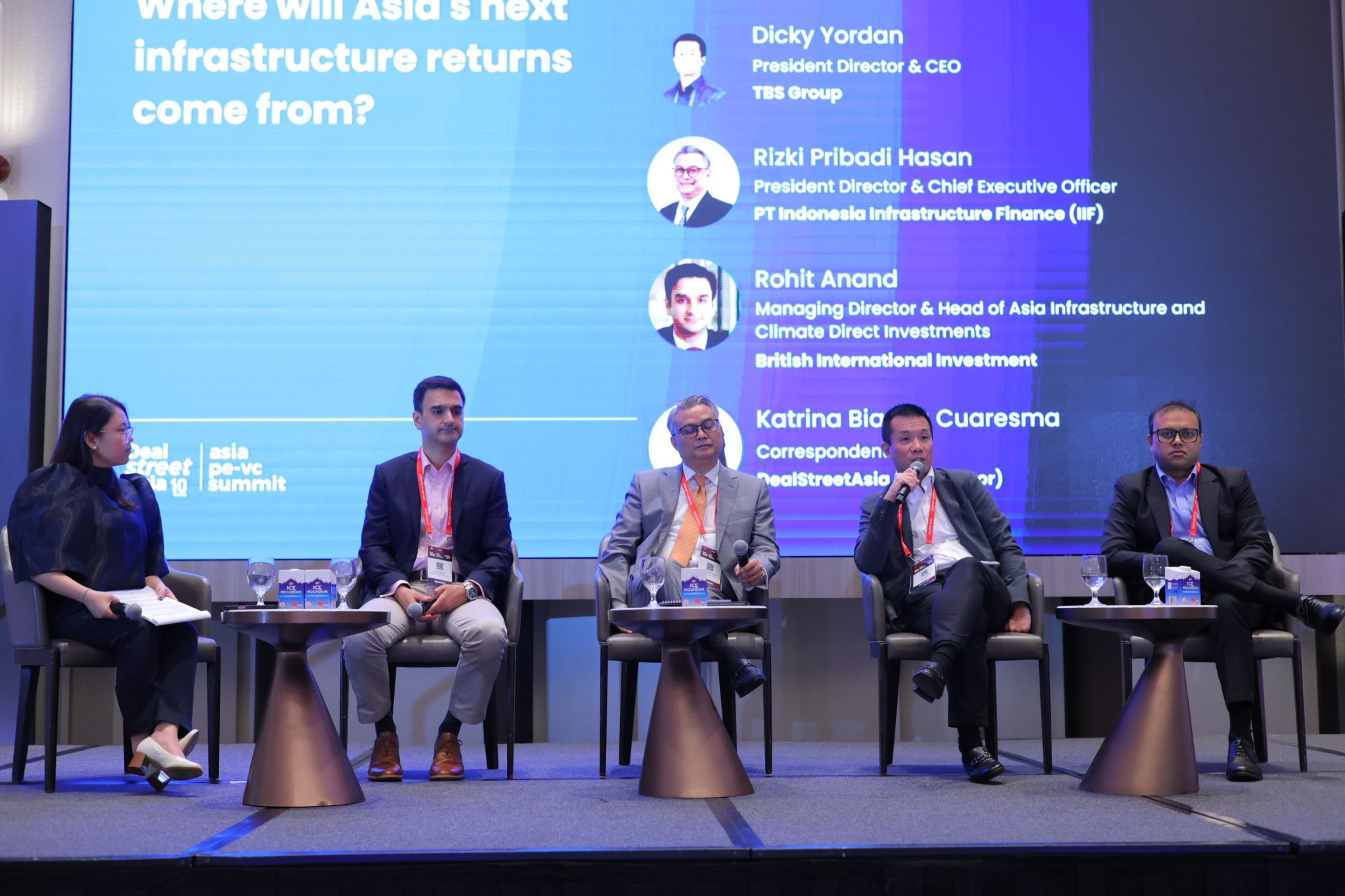
The funding gap offers opportunities for investors willing to develop renewable energy projects and build businesses that can later attract larger funds, according to panellists at DealStreetAsia’s Asia PE-VC Summit 2026 in Singapore last month.
英国国际投资公司亚洲基础设施和气候直接投资总监兼董事总经理Rohit Anand表示,股权在建设新项目和公司方面仍然稀缺。
Rohit Anand, managing director and head of Asia infrastructure and climate direct investments at British International Investment, said equity remains scarce for building new projects and companies.
“我不认为股权市场供过于求。我认为,在建设新项目和新公司方面,股权市场实际上供不应求。” “所以如果你和一个试图创办能源公司的企业家交谈,这将是一件非常非常困难的事情……鉴于需求,资本存在短缺,”Anand补充道。
“I don’t think the equity market is oversupplied. I think the equity market, when it comes to building new projects and building new companies, is actually quite undersupplied.”“So if you talk to an entrepreneur who’s trying to start an energy company, it’s a very very difficult thing to do… There’s a shortage of capital given the need,” Anand added.
该高管表示,基础设施市场已经向通常具有3亿至5亿美元最低交易规模的大型基金经理集中。相对较少的投资者参与从零开始建设公司,而大多数投资者更倾向于在管理团队和企业初始基础建立后才进入。
The executive said the infrastructure market had consolidated towards large fund managers that often have minimum deal sizes of $300-500 million. Relatively fewer investors are involved in building companies from scratch, while most prefer to enter once management teams and the initial building blocks of a business are established.
他指出,BII在能源领域的并购-整合交易以及结构化信贷方面看到了机遇。
He identified buy-and-build transactions in energy and structured credit as areas where BII sees opportunities.
随着东南亚能源需求的扩大,融资挑战随之而来。国际能源署的《东南亚能源展望2026》预测,在现行政策设定下,到2035年,该地区将占全球能源需求增长的近20%。2025年能源投资超过1000亿美元,占全球能源投资的约3%。
The financing challenge comes as Southeast Asia’s energy needs expand. The International Energy Agency’s Southeast Asia Energy Outlook 2026 has projected that the region will account for nearly 20% of global energy-demand growth by 2035 under prevailing policy settings. Energy investment exceeded $100 billion in 2025, representing around 3% of global energy investment.
Actis能源基础设施董事总经理Rahul Agrawal指出,在印度和东南亚发展可再生能源企业——在它们达到大型投资者所寻求的规模之前——存在机遇。
Rahul Agrawal, managing director for energy infrastructure at Actis, pointed to opportunities in developing renewable energy businesses across India and Southeast Asia before they reach the scale sought by larger investors.
机遇在于建设能够应对电力项目开发风险的企业,而不仅仅是收购资产然后等待回报,他说。
The opportunity involves building businesses capable of navigating the risks of developing power projects, rather than simply acquiring assets and waiting for returns, he said.
“而我所说的意思不仅仅是建设一个项目;而是执行整个商业计划:从监管风险、商业风险、团队识别、合作伙伴选择,”阿格瓦尔说。
“And what I mean by that is not just building a project; it’s executing the whole business plan: from regulatory risk, commercial risk, team identification, partner selection,” Agrawal said.
“你不能只是买下资产然后坐等回报到来。在我们的市场上,可供购买的东西也不多,因为基础设施通常仍在建设中。这些仍然是增长型市场和发展中国家。”人工智能法案之外的电力需求,阿格瓦尔表示,Actis一直在印度和东南亚收购和建设可再生能源平台。底层的电力需求和能源安全支撑着超越人工智能需求的投资机会。“我认为新电力、能源安全的深层结构性需求确实存在,”他说。
“You can’t just buy and sit there for returns to come. In our markets, there are not many things to buy also because the infrastructure is generally still getting built out. These are still growth markets and developing countries.”Power demand beyond AI Actis has been buying and building renewable energy platforms across India and Southeast Asia, Agrawal said. Underlying electricity needs and energy security support the investment opportunity beyond demand from artificial intelligence. “I think the deep structural need for new power, energy security is there,” he said.
根据国际能源署(IEA)2025年《能源与人工智能》报告,东南亚数据中心的电力需求到2030年将超过翻倍,这在一定程度上反映了新加坡和马来西亚南部的区域枢纽作用。
According to the IEA’s 2025 Energy and AI report, Southeast Asia’s electricity demand from data centres will more than double by 2030, partly reflecting the regional hub in Singapore and southern Malaysia.
与此同时,TBS集团总裁兼首席执行官迪基·约尔丹表示,可再生能源是该公司的三大业务支柱之一,另外两支柱是废物管理和电动出行。数据中心的发展正在帮助塑造其电力投资。
Dicky Yordan, president director and CEO of TBS Group, meanwhile, said renewables are one of the company’s three business pillars, alongside waste management and electric mobility. Data centre development is helping shape its power investments.
“众所周知,人工智能一直是数字经济中规模最大的基础设施建设之一,而数据中心是其核心。”“在东南亚,目前尚不清楚所有这些电力是否都能由可再生能源供应。然而,我们正在现有水电项目的基础上加大投入。我们目前正在巴淡岛建设一个46兆瓦峰值的浮动太阳能板项目,”约尔丹补充道。
“As we all know, AI has been one of the largest infrastructure build-outs the digital economy has seen, with data centre at its core.”“In Southeast Asia, it’s yet to be seen whether all of that power can be supplied by renewables or not. However, we are putting our effort there on top of the hydro project that’s already up and running. We are currently building a 46 megawatt peak floating solar panel in Batam,” Yordan added.
Rizki Pribadi Hasan,印度尼西亚基础设施金融公司总裁兼首席执行官,同样强调了可再生能源需求与电信基础设施之间的关系。
Rizki Pribadi Hasan, president director and CEO of Indonesia Infrastructure Finance, similarly highlighted the relationship between demand for renewable energy and telecommunications infrastructure.
他表示,印度尼西亚基础设施金融公司认为可再生能源和电信是最具吸引力的行业之一。
Renewable energy and telecommunications are among the sectors Indonesia Infrastructure Finance sees as most attractive, he said.
“可再生能源需求正在增长,电信领域也存在增长,而这两者相互关联。” Hasan还指出,水和废弃物处理为愿意承担不同风险的投资者提供了机遇,尽管监管和配套基础设施仍在发展中。
“There is a growing demand in renewable energy and also under telecommunication, and these two kind of link to each other.”Hasan also identified water and waste as opportunities for investors prepared to take different risks, with regulation and supporting infrastructure still developing.
将需求转化为可投资的业务 融资机会也不仅限于股权。Anand强调了 mezzanine 融资,指出提供者较少,但交易可带来可比股权的回报。
Turning demand into investible businesses Financing opportunities also extend beyond equity. Anand highlighted mezzanine financing, citing fewer providers and transactions that can deliver returns comparable to equity.
他表示,西方市场提供的更高回报降低了投资亚洲的动力,影响了各类融资结构下的资本可得性。
He said higher returns available in Western markets had reduced the incentive to invest in Asia, affecting capital availability across financing structures.
对于正在开展业务的投资者,Agrawal表示,构建平台涉及组建管理团队、进行小规模收购、开发项目、竞标电力购买协议以及承担建设风险。随后,运营改进、再融资和更强的治理可使业务适合更大规模的投资者。可预测的现金流仍是该方法的基础。
For investors developing businesses, Agrawal said building a platform involves assembling management teams, making smaller acquisitions, developing projects, bidding for power purchase agreements and taking construction risk. Operational improvements, refinancing and stronger governance can subsequently make the business suitable for a larger investor. Predictable cash flows remain fundamental to that approach.
Yordan指出,从运营商角度看,执行能力和资本结构是两个最重要的因素。他提到TBS在疫情期间完成印度尼西亚两座电厂的经验。
Yordan identified execution and capital structure as the two most important factors from an operator’s perspective. He pointed to TBS’s experience completing two power plants in Indonesia during the pandemic.
“最高回报并不来自单一行业。它可能来自结构性需求与已签约、必需基础设施相遇的地方。也就是说,真实问题遇到付费客户的地方,”他说。
“The strongest return is not in any single sector. It can come from being where structural demand meets contracted and essential infrastructure. Essentially, where a real problem meets paying customers,” he said.
Hasan表示,投资者需要进行深入研究,或寻找能够帮助应对各个基础设施行业挑战的合作伙伴。
Hasan said investors need to undertake detailed studies or find partners able to help navigate the challenges of individual infrastructure sectors.
您可以找到一种更简单的方法,那就是与能够帮助您应对基础设施各个领域所面临挑战的合作伙伴合作,同时要牢记每个基础设施领域都有其自身的挑战。对于Actis而言,本地经验包括了解合作伙伴、土地问题、电网连接以及社区利益。Agrawal表示,这种知识需要时间来培养。
“Or you can find an easier way, which is to partner with someone that can navigate you with all the challenges that it is facing in every sector of the infrastructure, and bear in mind that each infrastructure sector has its own challenges.”For Actis, local experience includes understanding partners, land issues, grid connections and community interests. Agrawal said that knowledge takes time to develop.
“这不是关于存在,而是关于深度。你不能仅仅拥有一个办公室。你需要拥有多年从事此类工作的人员,而培养这种能力需要时间。”
“It’s not about presence; it’s about depth. You can’t just have an office. You need to have people who have been doing that stuff for several years, and it takes time to develop that.”