
香港特区政府的第二号人物表示,人工智能管理系统有望在明年台风季到来之前成形并进行测试,届时该项目将为当局提供城市的“全景图”。
Hong Kong’s artificial intelligence management system could take shape and be tested as early as the typhoon season next year, the government’s No 2 official has said, adding that the project will give authorities a “full picture” of the city once it is in full swing.
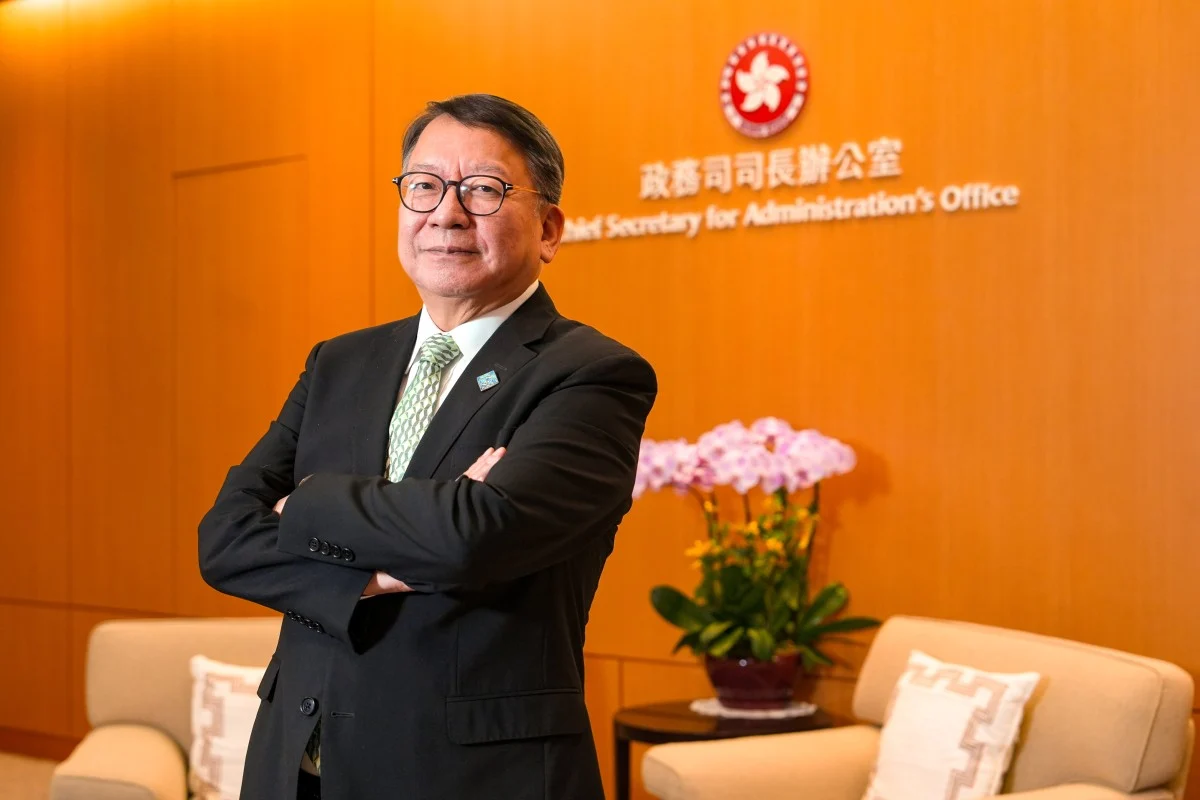
在接受《南华早报》独家专访时,政务司司长陈国基表示,“AI城市大脑”系统旨在连接不同政府部门维护的独立数据库。
In an exclusive interview with the South China Morning Post, Chief Secretary Eric Chan Kwok-ki said the “AI city brain” system aimed to connect independent databases maintained by different government bodies.
他说:“随着人工智能的发明,我认为将这些数据库连接起来是个好主意,这样我们就能全面了解香港的情况。”
“With the invention of AI, I think it is a good idea to connect them together, so that we can have a full picture of Hong Kong,” he said.
这些数据包括交通信息、防洪监测与排水系统、山体滑坡预警系统、天气信息以及1823热线所受理的公众查询和投诉。
The data includes traffic information, flood monitoring and drainage systems, landslide warning systems, weather information and public inquiries and complaints under the 1823 hotline.
陈国基表示:“希望在明年台风季到来之前,我们能够将其中一些预警和监测系统纳入AI城市大脑。”
“Before the typhoon season comes next year, hopefully we will add some of these warning and monitoring systems into our AI city brain,” Chan said.
他补充道:“我们将以政府云作为系统基础,并以保安局的应急监测与支援中心(EMSC)作为应用场景。”目前,政府的各项监测系统是独立运作的,陈国基如是说。
“We will use the government cloud as the system base, and use the Security Bureau’s Emergency Monitoring and Support Centre [EMSC] as our application scene.”Currently, the government’s different monitoring systems worked independently, Chan said.
当台风逼近香港时,EMSC将启动运作,各部门代表会聚在一起共享信息。
When a typhoon approaches the city, the EMSC goes into operation and representatives from different departments meet to share information.
但陈国基指出:“目前这一切都是人工进行的,而且也由我们的官员人工核查。”
“But this is all being done manually and checked by our officers manually as well,” Chan said.
他表示:“有了这个AI城市大脑,这些工作将由计算机自动完成,准确性和速度都将大幅提升。”陈国基透露,AI城市大脑专责小组将在今年年底前成立。
“With this AI city brain, they will do it automatically by computer. It is far more accurate and faster.”He said a task force on the AI city brain would be established by the end of the year.
作为专责小组主席,他将与保安局、创新科技及工业局、发展局以及运输及物流局等不同政府部门的员工合作,在高层层面推动和监督该项目的进展。
Chan said that as task force chairman, he would work with staff from different government bodies – including the Security Bureau, the Innovation, Technology and Industry Bureau, the Development Bureau and the Transport and Logistics Bureau – to steer and monitor the project at a high level.
他补充说,已拨款2亿港元(约合2550万美元)用于该系统第一阶段的建设,其中包括对1823投诉机制的升级。
He added that HK$200 million (US$25.5 million) had been earmarked for the first phase of the system, which included an upgrade to the 1823 complaint mechanism.
当局计划在明年上半年完成AI城市大脑系统的基本设计,并启动第一阶段的建设工作。
By the first half of next year, authorities aimed to complete the AI city brain system’s basic design and start the first phase of construction.
陈先生表示,平台开发的第一阶段应在2028年第一季度完成并正式上线。
In the first quarter of 2028, the first phase of the platform’s development should be completed and officially launched, Chan added.
1823系统将于2028年第三季度接入,同步树木倒塌、洪水等紧急相关数据至AI城市大脑。
The 1823 system would be connected in the third quarter of 2028, syncing emergency-related data such as fallen trees and flooding to the AI city brain.
在投诉机制改进方面,AI将被用于判断哪个政府部门应牵头处理跨部门投诉。
Under improvements to the complaint mechanism, AI would be used to determine which government unit should take the lead on complaints spanning multiple departments.
“如果无法达成共识,该事项将上报至行政副司长作出最终决定,”他说。
“If no consensus is reached, the matter will be escalated to the deputy chief secretary for administration for a final decision,” he said.
“随着AI城市大脑的启动,我们预计能够加快风险识别,加快跨部门响应,最终减少重复投诉的数量。”陈先生表示,该平台的AI功能将基于各部门的历史数据进行训练,以进行预测,帮助政府采取预防措施。
“With the launch of the AI city brain, we expect to speed up risk identification, speed up cross-department responses, and in the end, decrease the number of repeated complaints.”Chan said the platform’s AI functions would be trained using historical data from various departments to make predictions, helping the government take preventive measures.
“加入AI功能后,将有助于我们判断某件事是否应由特定部门处理,并给出相应建议。”陈先生以台风等极端天气事件为例进行说明。
“With the addition of AI functions, it will help us to make a decision or a suggestion on whether anything should be done by a certain department,” Chan said, citing extreme weather events such as typhoons as an example.
“因此,我们的目标是尽可能防止事故发生。即使无法完全避免,至少也能在事故发生后迅速作出响应。”
“So our aim is to hopefully prevent some accidents from happening. Even if we cannot prevent them, at least we can respond quickly to the accident.”The government previously said the AI city brain would take six to nine years before it could become fully operational.
政府此前曾表示,AI城市大脑系统需要六到九年才能完全投入运行。
“In the future, when all systems are integrated into one, we can have this AI city brain operate round the clock, 24 hours a day, 365 days a year. So it means that we can have the EMSC in operation all the time,” Chan said.
“未来,当所有系统整合为一体时,我们可以让这个AI城市大脑全天候、全年无休地运行,即24小时、365天不间断工作。”陈先生说,“这就意味着我们可以让应急管理指挥中心(EMSC)始终处于运行状态。”
“We can monitor the system not only during typhoon time, but also at all times. This is the final destination for our AI city brain.”The government cloud used as the base of the AI city brain would not involve third parties, which Chan called “very good protection”.
我们可以在台风期间监控系统,也可以随时进行监控。这是我们AI城市大脑的最终目的地。政府云作为AI城市大脑的基础,不会涉及第三方,陈称之为“非常好的保护”。
He emphasised that all cross-department data sharing would strictly comply with the Personal Data (Privacy) Ordinance and would not involve residents’ movements or personal data.
他强调,所有跨部门数据共享将严格遵守《个人资料(私隐)条例》,不会涉及居民的行踪或个人数据。“它不涉及个人数据,因此不涉及隐私问题,”他说。
“It involves no personal data, so it involves no privacy issue,” he said.
行政长官李家超上个月在施政报告中宣布,其政府计划建设AI城市大脑。
Chief Executive John Lee Ka-chiu announced his administration’s plans to build an AI city brain in his policy address last month.
该平台旨在提升城市管理水平,加强应急响应能力,将整合多个政府局的大数据,构建实时数据共享环境。由罗凯盈、陈 Leopold 编写
Designed to enhance city management and strengthen emergency response capabilities, the platform will consolidate the big data of multiple government bureaus and create a real-time data-sharing environment.