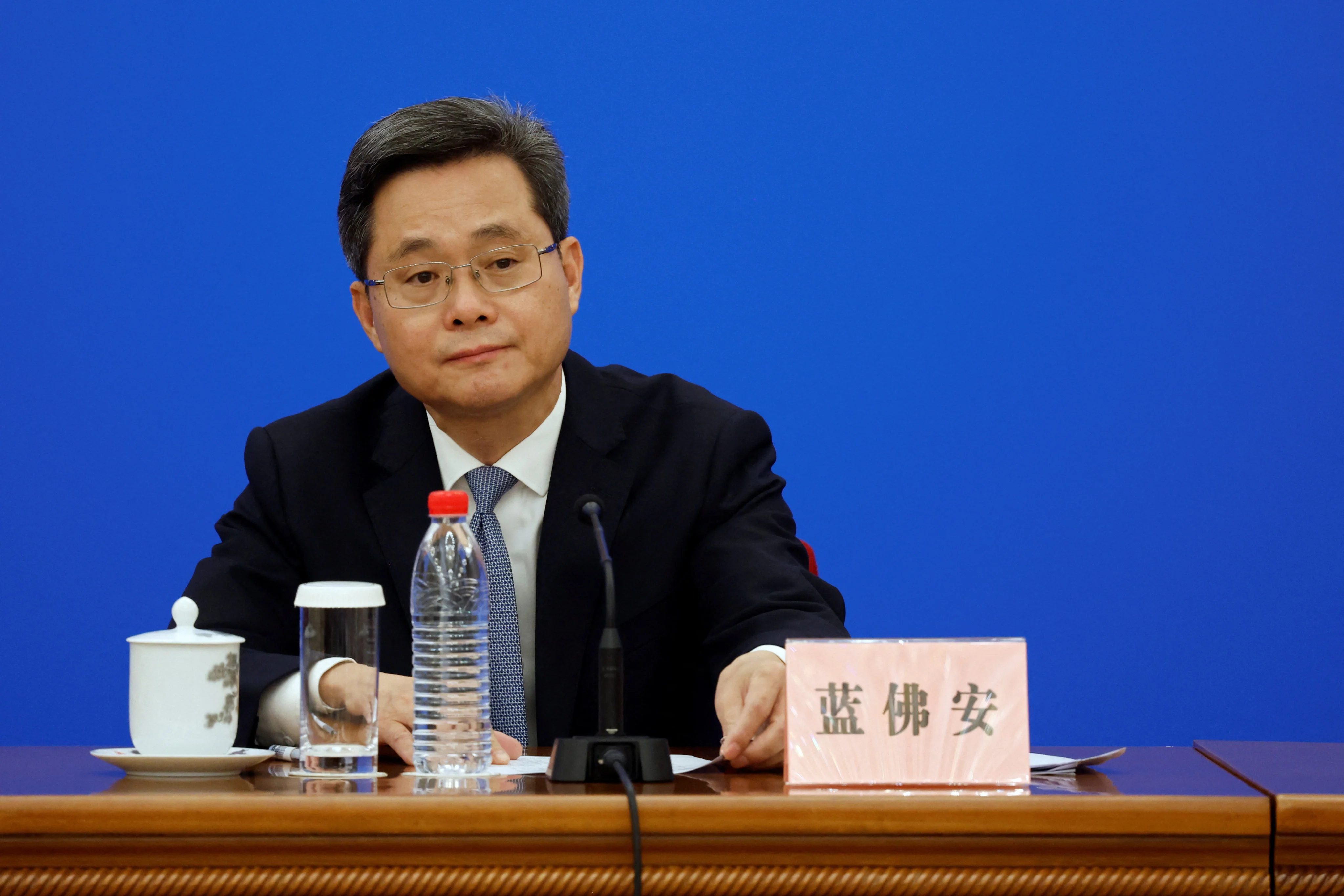
财政部长蓝佛安的最新文章权威地展示了北京的财政指南针。其时机耐人寻味:需求正在减弱,外部逆风正在加剧,而中央委员会第五次全体会议将于十月下旬召开。干巴巴的文字背后蕴藏着沉甸甸的信息:真正的考验不仅在于如何用力刺激经济,更在于如何修复地方政府疲惫的财政。
Finance Minister Lan Foan’s latest article offers an authoritative glimpse of Beijing’s fiscal compass. Its timing is telling: demand is flagging, external headwinds are stiffening and the Central Committee’s fifth plenum convenes in late October. Beneath the dry prose lies a weighty message: the real test is not only how hard to stimulate the economy but how to mend local governments’ battered finances.
刺激政策优先。关键词是“精准”和“有效”,表明北京希望避免重蹈2024年9月那种广泛且依赖债务的扩张之路。最新一揽子政策虽然意义重大,但范围更窄。它包括政策性银行的降息以及全国首次为首次购房者提供的新购房商业贷款利息补贴。这种克制是明智的。经济增长已接近官方目标,此前的措施,如超长期特别国债,仍在被消化之中。随着银行净息差降至历史低点1.4%,广泛降息将损害贷款方。财政部和央行协调的有针对性措施提供了一条更好的路径。北京正确地保留了其财政弹药。
Stimulus comes first. The keywords are “precision” and “effectiveness”, signalling Beijing wants to avoid repeating the broad, debt-fuelled expansion of September 2024. The latest package, while significant, is narrower. It includes a rate cut for policy banks and the country’s first interest subsidy for new commercial mortgages for first-time homebuyers. This restraint is sensible. Growth is near the official target, and earlier measures, such as ultra-long special government bonds, are still being absorbed. With banks’ net interest margins at a historic low of 1.4 per cent, broad rate cuts would hurt lenders. Targeted measures coordinated by the finance ministry and central bank offer a better path. Beijing is right to reserve its fiscal firepower.
更棘手的问题是地方债务。若得不到解决,它将阻碍国内需求的任何有意义提升,并仍然是一个主要的经济风险。蓝佛安报道称,约5.8万亿元人民币(合8650亿美元)的6万亿元地方政府债务置换债券计划已发行,这表明解决工作正进入最后阶段。同样值得注意的是,他警告称,新增隐性债务和虚假的债务减少声明将受到严格调查和惩处。去杠杆和风险控制仍是首要任务;北京不会仅仅通过大规模投放货币来换取短期增长。
The harder issue is local debt. Unresolved, it blocks any meaningful lift in domestic demand and remains a major economic risk. Lan reports about 5.8 trillion yuan (US$865 billion) of a 6 trillion yuan bond programme to swap local governments’ hidden debt has been issued, suggesting that resolution is entering its final stage. Equally telling is his warning that new hidden debt and false debt-reduction claims will be strictly investigated and punished. Deleveraging and risk control remain a priority; Beijing will not simply flood the economy with cash for short-term growth.
这是正确的方向,但置换交易涉及的是现有债务,而非产生债务的条件。兰现在转向更深层次的结构性风险,例如地方政府融资平台的运营赤字。他强调加强地方公共财政,暗示可能扩大税收来源并保留更大比例的增值税。
That is the right direction, but the swap deals with existing debt, not the conditions that created it. Lan now turns to deeper structural risks, such as the operating deficits of local government financing vehicles. He stresses strengthening local public budgets, hinting they may widen tax sources and keep a larger share of value-added tax.
论点充分。地方政府承担大部分支出责任,从社会福利到基础设施,但收入主要依赖土地出让和来自北京的转移支付,而这两者都受到长期房地产低迷的挤压。中央政府支出在前八个月增长了6%,但地方支出仅增长0.3%,因此总体一般公共预算支出仅增长1.2%。一般预算赤字从2019年的2.76万亿元增加到去年的5.66万亿元,翻了一番多,而今年预算安排的赤字达到创纪录的5.89万亿元。
The case is strong. Local governments carry most spending responsibilities, from social welfare to infrastructure, yet rely for revenue on land sales and transfers from Beijing, both squeezed by the long property slump. Central government spending rose 6 per cent in the first eight months, but local spending grew just 0.3 per cent, so overall general public budget spending rose only 1.2 per cent. The general budget deficit more than doubled from 2.76 trillion yuan in 2019 to 5.66 trillion yuan last year, with a record 5.89 trillion yuan budgeted this year.
面对资金短缺,当局撤回了承诺的税收优惠并封堵了漏洞。7月,对离岸信托中受益人或资产位于中国大陆的收益征收20%的税。9月,取消了1994年对外国个人的股息税免税政策。这些只是权宜之计。9月28日,由李强总理主持的内阁会议呼吁地方政府利用未使用的借款额度。北京在2024年和2025年也曾这样做,分别分配了4000亿元和5000亿元。但地方政府往往使用的额度低于配额,表明增加借款空间并非全面解决之道。
Short of money, authorities have withdrawn promised tax incentives and closed loopholes. In July, a 20 per cent tax was imposed on gains from offshore trusts with mainland beneficiaries or assets. In September, a 1994 dividend tax exemption for foreign individuals was scrapped. These are stopgaps. On September 28, a cabinet meeting chaired by Premier Li Qiang called on local governments to utilise unused borrowing limits. Beijing did the same in 2024 and 2025, allocating 400 billion yuan and 500 billion yuan respectively. But local governments have often used less than their quotas, suggesting more room to borrow is not the whole answer.
几十年来,地方官员因推动国内生产总值增长而受到奖励,导致建设步伐惊人、房地产投机泛滥。如今北京希望终结浪费性的地方补贴竞赛,因此国务院计划制定一份“负面清单”,列明地方政府不得补贴的实体。北京还希望地方政府从以生产为中心的模式转向提供公共服务。没有稳定的收入来源,他们无法做到这一点。
For decades, local officials were rewarded for pumping up gross domestic product, producing breakneck construction and encouraging rampant property speculation. Beijing now wants an end to wasteful local subsidy races, hence the State Council’s planned “negative list” of entities local authorities may not subsidise. It also wants them to shift from a production-centred model to providing public services. Without steady revenue, they cannot do so.
兰的表述常常模糊不清,这是可以理解的:政策制定者必须在不扰乱市场的前提下引导公众,同时保留行动的灵活性。
Lan’s often vague wording is understandable: policymakers must guide the public without upsetting markets while retaining leeway to act.
除了严格的财政政策之外,更大的挑战在于确保多年投资和基础设施建设之后能够获得更大的回报。今年固定资产投资下降了7.2%,这是旧增长动力正在耗尽的迹象。随着全会的临近,北京需要将暗示转化为具体的改革措施。国内需求的持续增长取决于让地方财政立于稳固的基础之上。由《南华早报》社论提供
Beyond strict fiscal policy, the greater challenge is ensuring there are bigger payoffs after years of investment and infrastructure building. Fixed-asset investment has fallen 7.2 per cent this year, a sign the old growth engine is running out of steam. As the plenum approaches, Beijing needs to turn hints into concrete reform. Lasting growth in domestic demand depends on putting local finances on a sound footing.