奥米德(化名)在18岁时报名加入伊朗安全部队,并抱有“对国家的深深承诺”。他在学院告诉德国之声,学员们“日夜”处于政权的控制之下,从军事训练到每日的祈祷和演讲。“他们塑造年轻学员的思想,”奥米德说。
Omid, whose real name cannot be used, signed up to join Iran's security forces when he was 18 years old and harbored "a deep commitment to my country." At the academy, Omid told DW, cadets were under the regime's control "day and night," from their military training through the daily prayers and speeches. "They mold the minds of the young cadets," Omid said.
奥米德表示,其中一些新兵最终在伊朗安全部队体系中晋升,成为精英军官的一员,这些军官负责策划伊朗境内外的行动、绑架和暗杀,并且可以动用无限的资源和人员。他还说,他曾参加过这些军官的会议。
Some of these recruits, Omid said, eventually rise through the ranks of Iran's security apparatus to join an elite cadre of officers who plot missions, abductions and assassinations inside and outside of Iran — and have access to unlimited resources and personnel. And, he said, he attended their meetings.
奥米德是一名身材魁梧、因数十年在伊朗精锐特种部队担任指挥官而留下伤疤的人。他在2026年初主动联系德国之声,随后展开了讨论:他是否被派来向德国之声提供虚假信息和谎言,以抹黑该广播机构?该机构的波斯语服务在伊朗是官方批准的。他是否试图伤害德国之声或其伊朗籍员工?
When Omid, a burly man who carries scars accumulated during his decades-long service as a commander with Iran's elite special forces, reached out in early 2026, deliberations ensued: Could he have been sent to feed DW misinformation and lies to discredit the broadcaster, whose Farsi service is officially sanctioned in Iran? Could he be trying to harm DW or its Iranian employees? Over the course of months, journalists from DW's investigative unit and Persian department corresponded with him.
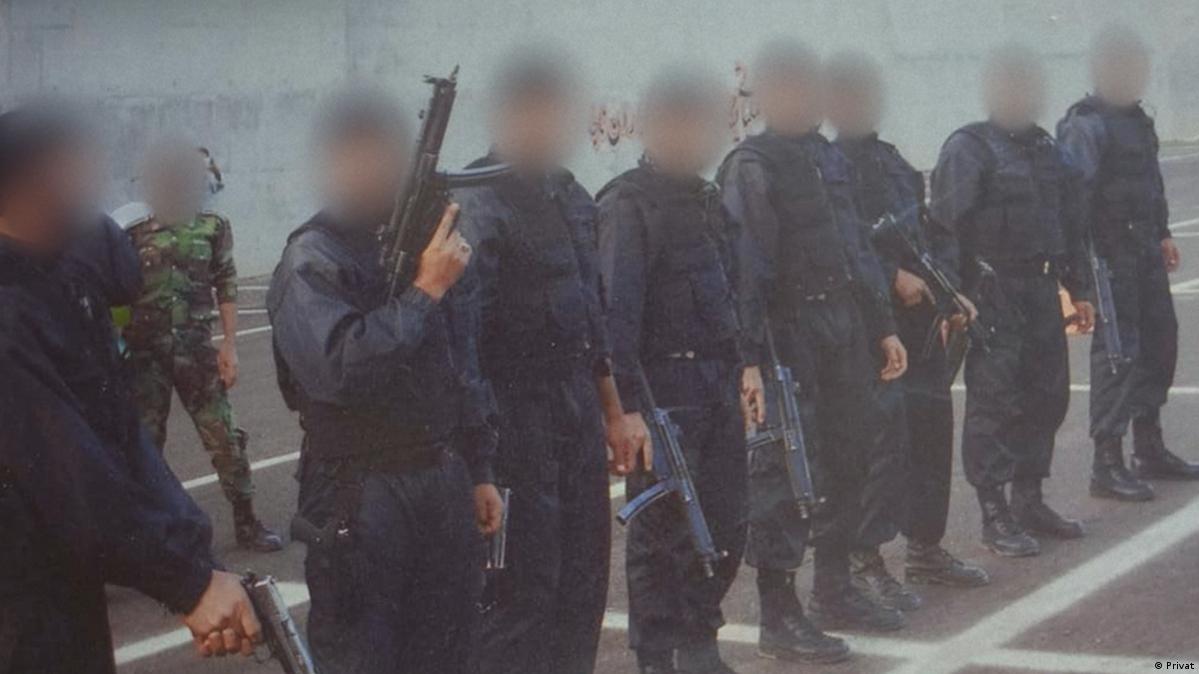
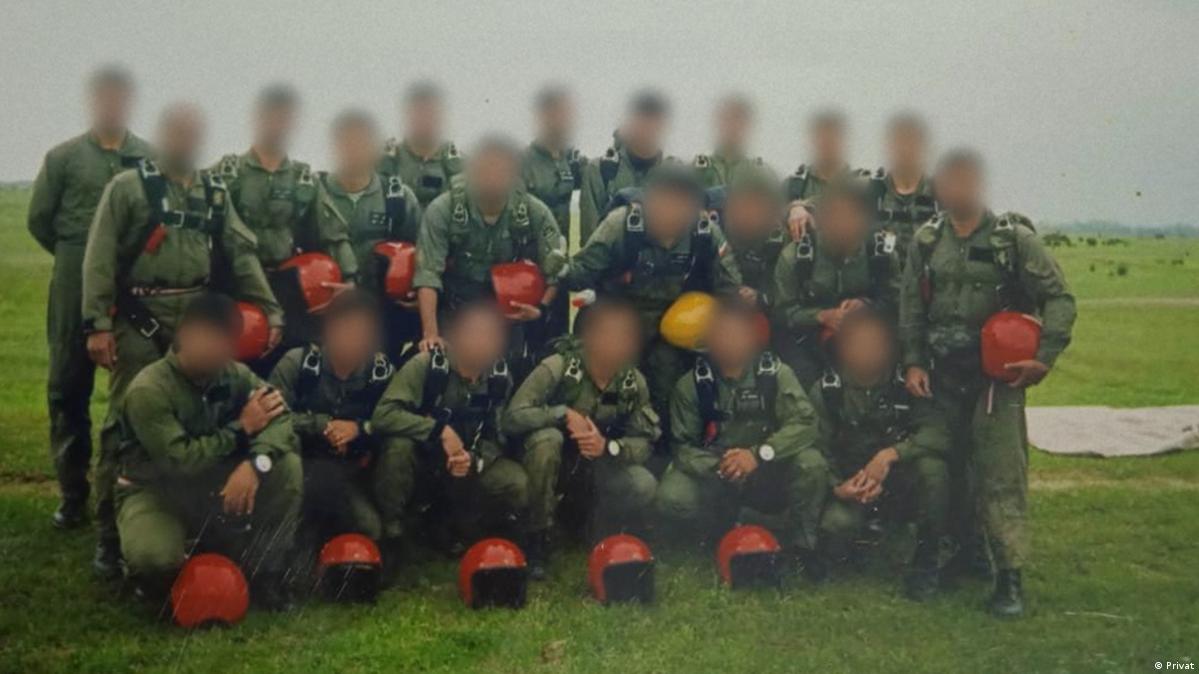
数月来,德国之声调查部和波斯语部的记者与他保持通信。奥米德分享了他的训练记录和照片,内容包括狙击练习、监控、街头格斗、暴动控制和降落伞训练。他还提供了一个秘密监控中心以及专供伊朗安全部队高级成员使用的住宅区的照片、视频、文件和位置。
Omid shared records and photos of his training, which ranged from sniper practice and surveillance to street fighting, riot control and parachuting courses. He also provided photos and videos, documents and locations of a secret monitoring center and housing compounds reserved for high-ranking members of the Iranian security forces.
奥米德表示,这些高级军官对伊朗最高领袖绝对忠诚,他们组成一个秘密圈子,策划并实施对政权反对者的谋杀和绑架。
United in their absolute loyalty to Iran's supreme leader, he said, a clandestine circle of high-ranking officers plot and execute the murder and abductions of the regime's opponents.
奥米德的证词提供了对伊朗强大且不透明的安全机构的罕见洞察 — — 以及对伊斯兰共和国核心人物生活的了解 — — 使得DW能够拼凑出一幅图景,展示该政权如何在广泛的抗议运动、国际制裁、通胀上升以及其两大主要敌人以色列和美国的最近袭击下,仍能维持高度忠诚的武装力量,这些袭击曾削弱了其大部分最高军事和政治领导人。
Omid's testimony offered a rare insight into Iran's powerful and opaque security apparatus — and into the lives of the men at the core of the Islamic Republic — allowing DW to piece together a picture of how the regime has maintained deeply loyal forces despite widespread protest movements, international sanctions, rising inflation and recent attacks by its two main enemies, Israel and the United States, that eliminated much of its top military and political leadership.
DW通过文件、照片、视频以及专家访谈,证实了奥米德陈述的重要部分。一名中间人将调查团队与另一名高级别叛逃者联系起来,其证词证实了奥米德提供的关键细节。虽然DW确认了两人的身份,但我们正在保留某些细节,以保护他们及其家人的安全。过去,伊朗曾在境外追捕异见人士和反对派活动人士,包括记者。
DW corroborated substantial parts of Omid's account with documents, photos, videos and interviews with experts. An intermediary connected the investigative team with a second high-ranking defector, whose account corroborated key details provided by Omid. Though DW confirmed both men's identities, we are withholding certain details to protect them and their families. In the past, Iran has gone after dissidents and opposition activists abroad, including journalists.
我们曾向柏林的伊朗大使馆和最高领袖办公室询问,以获取他们对我们调查结果的回应。最高领袖办公室未作回应。
We asked the Embassy or Iran in Berlin and the Supreme Leader’s Office to respond to our findings. The Supreme Leader's Office did not reply.
柏林的伊朗大使馆拒绝就具体指控发表评论,称“伊斯兰共和国伊朗坚决否认这些指控及其得出的结论。”作为特种部队的高级成员,奥米德曾享有政权常赐予自身人员的特权:从财政激励和为其自身企业带来的丰厚经济合同,到拥有清真寺、学校和医院的特殊住宅区 — — 在那里,个人卫星天线被禁止,宗教活动被强制执行。
The embassy in Berlin declined to address the individual allegations, stating that "the Islamic Republic of Iran firmly rejects these allegations and the conclusions drawn from them." As a high-ranking member of the special forces, Omid had access to the privileges the regime often bestows upon its own: From financial incentives and lucrative economic contracts for their own enterprises to special housing compounds, with their own mosques, schools and hospitals, where personal satellite dishes are banned and religious observance is enforced.
这些特权也有代价,奥米德说:“控制,只有控制。”军官们受到严密监控。“你不能随便参加婚礼或旅行,”他说。“他们会没收你的护照;甚至决定你的孩子可以上哪所学校。”
These privileges have their price, Omid said: "control, nothing but control." Officers are tightly monitored. "You're not allowed to just attend a wedding or travel," he said. "They confiscate your passport; they even decide which schools your children are allowed to attend."
这种控制还延伸到士兵的潜在伴侣,他们首先要接受政权的审查。即便如此,奥米德说,他也不允许向妻子透露自己工作的真实性质。他说:“这真的会慢慢消耗你。”通过将这些特工与普通伊朗人隔离开来,政权可以更密切地监视其武装力量,田纳西大学政治学家赛义德·戈尔卡尔说,他曾广泛研究伊斯兰共和国安全机构的指挥结构。“他们可以更有效地制造同伴压力和进行灌输,”戈尔卡尔对德国之声说。
The control extends to soldiers' prospective partners, who are first vetted by the regime. Even then, Omid said, he was not allowed to share the true nature of his work with his wife. That, he said, "really eats away at you." By separating such agents from regular Iranians, the regime can keep a closer eye on its forces, said Saeid Golkar, political scientist at the University of Tennessee, who has extensively researched the command structure of the Islamic Republic's security apparatus. "They can create peer pressure and indoctrinate much more effectively," Golkar told DW.
戈尔卡尔还说,那些与普通伊朗人基本隔离的安全部队,在面对平民同胞时使用武力的阻力会更小。
And, Golkar said, security forces who are largely segregated from regular Iranians are less likely to balk at using force against their civilian compatriots.
在德国之声与奥米德互动的一个月后,一位中间人把我们介绍给了另一位高级叛逃者。我们称此人为雷扎,他在伊朗情报部——信息部工作。
A month into DW's interactions with Omid, an intermediary connected us with another high-ranking defector. The man, whom we're calling Reza, worked with the Information Ministry, Iran's intelligence agency.
就像许多被安全部队招募的人一样,雷扎出身于宗教家庭:他笑着向德国之声展示了他手机上的一张照片——年轻时的他留着长须、戴着头巾,正是伊朗虔诚信徒的典型形象。他说,他的许多亲戚至今仍在伊朗政权中占据重要职位。
Like many who are recruited into the security apparatus, Reza hails from a religious family: He grinned as he showed DW a picture on his phone of himself as a young man, sporting the long beard and turban favored by the devout in Iran. Many of his relatives, he said, still occupy prominent positions in the Iranian regime.
在早期,他是政权的坚定支持者,有时在祈祷时会哭泣,他说,他知道自己在为人民和伊斯兰共和国服务,甚至“可能为伊斯兰而牺牲成为烈士”。雷萨说,随着他目睹对抗议者的镇压,他慢慢转而反对政权。多年来,官员们开枪射击、逮捕并殴打抗议伊朗恶化的生活条件和严格“道德”法律的伊朗人。如今,他的头发被剪得很短。
In the early days, he was an ardent supporter of the regime and would sometimes cry during prayers, he said, knowing that he was serving his people and the Islamic Republic and "might even die as a martyr for Islam." Reza said he slowly turned against the regime as he witnessed the clampdown on protesters. Over the years, officers have shot, arrested and beaten Iranians protesting the country's deteriorating living conditions and strict "morality" laws. Nowadays, his hair is cropped short.
1月8日晚上,在几乎全面的互联网关闭中,安全部队对抗议全国性短缺和通胀飙升的伊朗人开火。随着图片从国内慢慢流出,记录了政权暴行的证据逐渐浮出水面,大屠杀的规模才慢慢被人们所知。
On the evening of January 8, amid an almost total internet shutdown, security forces opened fire on Iranians protesting widespread shortages and spiking inflation. The extent of the massacre slowly came to light as images trickled out of the country documenting the regime's atrocities.
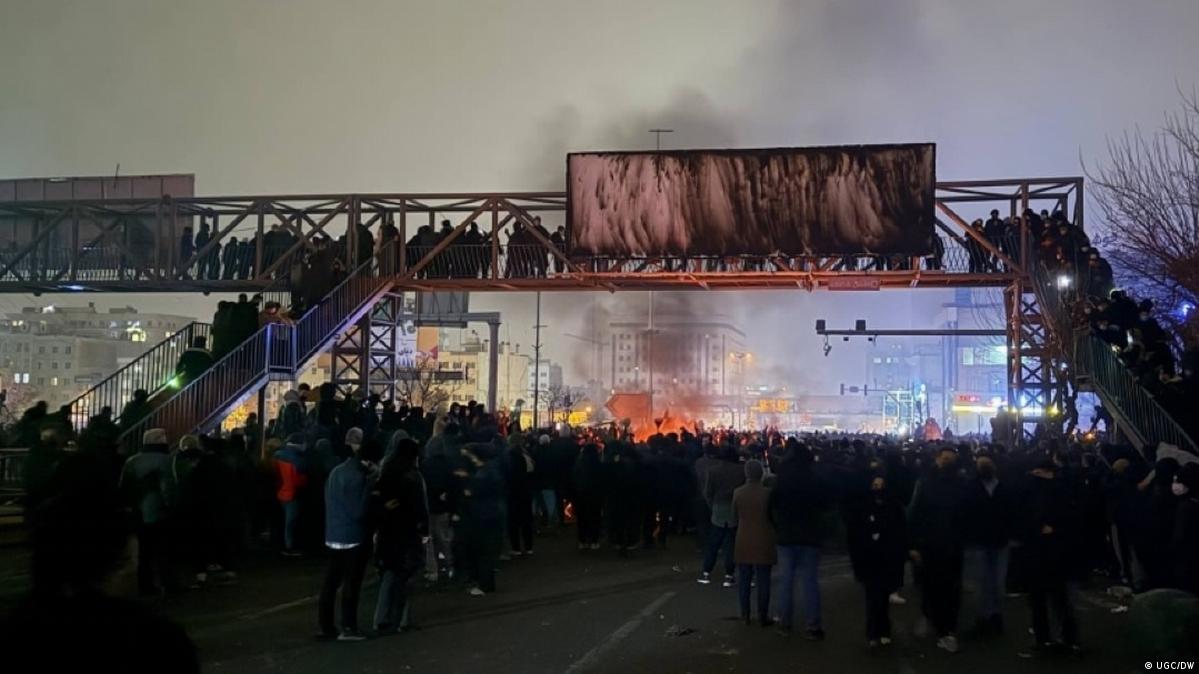
数千名抗议者在伊朗各地被杀害。奥米德和雷萨都表示,人权组织报告称包括在医院病床上射杀无武装抗议者的大规模屠杀,令他们深感震惊。事实上,这种持续的暴行最终促使他们接受了德国之声的采访。
Thousands of protesters were killed across Iran. Both Omid and Reza said the mass killings which, human rights organizations report, included the shooting of unarmed protesters in hospital beds — had horrified them. Indeed, this ongoing brutality ultimately led them to speak with DW.
奥米德坚称自己从未向抗议者开枪,也没有命令下属这样做,尽管德国之声无法证实这一点。当被追问时,他承认自己曾目睹示威者被杀害。
Omid was adamant that he had never shot at protesters nor ordered his subordinates to do so, although DW is unable to corroborate this. When pressed, he conceded that he had witnessed the killing of demonstrators.
雷萨说,他在为“残酷体制服务了10、11年”而感到内疚后,尽管对他和家人有风险,仍被迫站出来讲真相。“事实是:当你的对手是一个不遵守任何道德价值的政权时,你必须做好准备应对任何情况,”他说。
Reza said the guilt he carried after having "wasted 10, 11 years serving a cruel system" compelled him to speak out despite the risk to him and his family. "The truth is: When your opponent is a regime that doesn't adhere to any moral values, you need to be prepared for anything," he said.
奥米德和雷萨讨论了镇压抗议活动的核心——秘密指挥中心。所有单位和机构的高级成员会聚集在一个监控室里,奥米德和雷萨表示,墙上的巨型屏幕实时显示来自首都德黑兰无数闭路电视摄像头的画面。他们说,全国还有其他类似的房间。
Omid and Reza discussed secret command centers that are central to clamping down on protests. High-ranking members of all units and agencies gather in a monitoring room where, Omid and Reza say, huge monitors on the walls display real-time feeds from countless CCTV cameras around the capital, Tehran. They say there are other such rooms around the country.
抗议游行也会被无人机从上方监控。Reza 说:“来自地面部队的信息、来自 Twitter、Telegram 和其他社交网络的信息,以及通过监视和拦截设备获得的信息——所有这些信息都会被收集到那里。”便衣特工经常渗透到抗议群众中。Omid 表示,这些特工有时被用来将抗议游行引导至安全部队埋伏的地点。
Protest marches are also monitored from above by drones. And, Reza said, "information from forces on the ground and from Twitter, Telegram and other social networks, as well as information obtained through surveillance and interception devices — all this information is collected there." Plainclothes agents often infiltrate protest groups. Omid said such agents were sometimes used to redirect protest marches to places where security forces lie in wait.
伊朗最高领导人的一位代表“拥有绝对权力”在指挥中心内部下达作战命令,Omid 说,还包括决定“抗议者应受到怎样的严厉对待”。当常规警察无法再平息示威时,Omid 和 Reza 表示,革命卫队和警察的精锐部队——通常全身穿黑色衣物、脸部戴着巴拉克拉瓦面罩——会被派出去完成任务。
A representative of Iran's supreme leader "had a free hand" in ordering operations from within the command center, Omid said, as well as deciding "how harshly the protesters should be dealt with." When regular police can no longer quell demonstrations, Omid and Reza said, elite units from the Revolutionary Guard and police, often clad entirely in black, their faces hidden behind balaclavas, are sent in to finish the job.
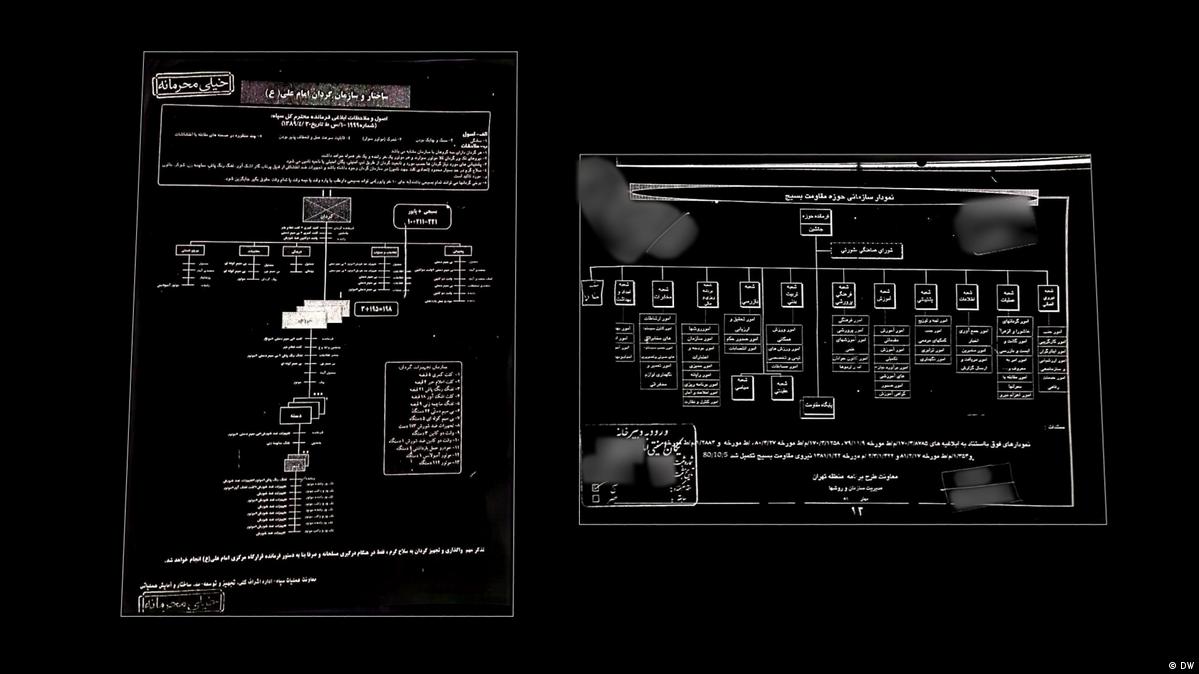
人权组织已记录了使用自动和半自动机枪,甚至安装在皮卡车顶上的重机枪来镇压抗议活动。
Human rights organizations have documented the use of automatic and semiautomatic machine guns and even heavy machine guns mounted on top of pickup trucks to clamp down on protests.
Amnesty International 伊朗研究员 Raha Bahreini(一份分析 2022 年抗议期间政权指挥链的最新报告作者,该抗议源于 Jina Mahsa Amin 在拘留期间死亡)指出:“安全部队配备了专为战斗情况设计的军用级 firearms,用于应对抗议,这表明该国抗议者的杀戮是有意图的。”
"The fact that the security forces are equipped with military-grade firearms that were designed for combat situations, for responding to protests, shows that the killings of protesters in the country are intended," finds Amnesty International Iran researcher Raha Bahreini, the author of a recent report analyzing the regime's chain of command during the 2022 protests following the death of Jina Mahsa Aminiin custody.
经过数月的通信,Omid 指向德黑兰郊区 Shahr-e Rey 一个外表平凡的地点:一座夹在职业治疗诊所和药店之间的礼拜堂。尽管该礼拜堂名为 Beit al Shohada(“烈士之家”),Omid 表示许多警官称其为 Dakhme,意为“地穴”或“坟墓”。
After months of correspondence, Omid pointed DW to an outwardly unremarkable location in Shahr-e Rey, on the outskirts of Tehran: A prayer hall sandwiched between an occupational therapy practice and a pharmacy. Though the prayer hall is named Beit al Shohada, or the house of martyrs, Omid said many officers call the place Dakhme, meaning crypt or tomb.
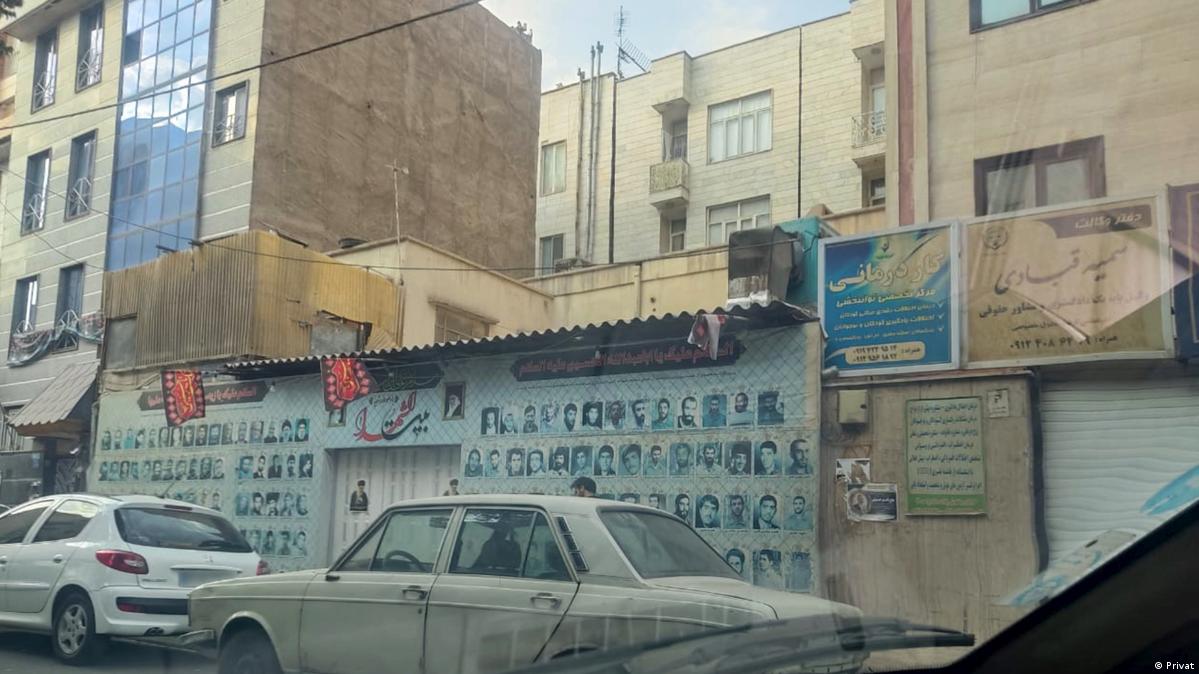
奥米德描述了高级军官们在达赫梅的波纹铁皮屋顶下会面,策划绕过政府结构的非官方行动。他说他曾多次参加在达赫梅的会议,“在那里决定谋杀:它是一台杀戮机器。”尽管奥米德一再坚称他参加这些会议仅是因为受上级命令,且他从未参与在达赫梅策划的任何行动,但他列举了伊朗境内外他称之为在那里策划的谋杀和绑架案。DW无法核实这些案件,但发现一些被提及的人确实在未解明的情况下死亡。
Omid described how high-ranking officers met under Dakhme's corrugated iron roof to plot off-the-books operations that bypass government structures. He said he had attended several meetings at Dakhme "where decisions about murder are made: It's a killing machine." Though Omid insisted repeatedly that he had only attended the meetings because he had been ordered to by his higher-ups and he had never taken part in any of the operations plotted at Dakhme, he listed murders and abductions within and outside of Iran that he said were planned there. DW could not verify these cases, but found that some of the people named had indeed died under unresolved circumstances.
DW联系的几位专家知道达赫梅与二十多年前对一位改革派总统顾问的暗杀未遂事件有关联。其他人则从未听说过达赫梅。DW采访的所有人都无法确认其是否仍在运行。
Several experts DW contacted knew of Dakhme in connection with a murder attempt on an adviser to a reformist president over two decades ago. Others had never heard of Dakhme. No one DW spoke with could confirm its continued operation.
专家们一致认为,达赫梅这样的设施是合理的。“伊朗伊斯兰共和国现在可能更需要这类组织,”曾任美国财政部官员、直至最近一直负责设计针对伊朗制裁项目的米阿德·马勒基对DW表示。
Experts agree that a facility such as Dakhme is plausible. "The Islamic Republic probably feels more of a need now to have these types of groups," Miad Maleki, a former US Treasury official who until recently designed US sanctions programs targeting Iran, told DW.
的确,马勒基说,在达赫梅秘密策划的军事行动很可能使政权在涉及杀人案时具有合理的否认空间。
Indeed, Maleki said, military operations planned covertly at Dakhme would likely give the regime plausible deniability in cases of killings.
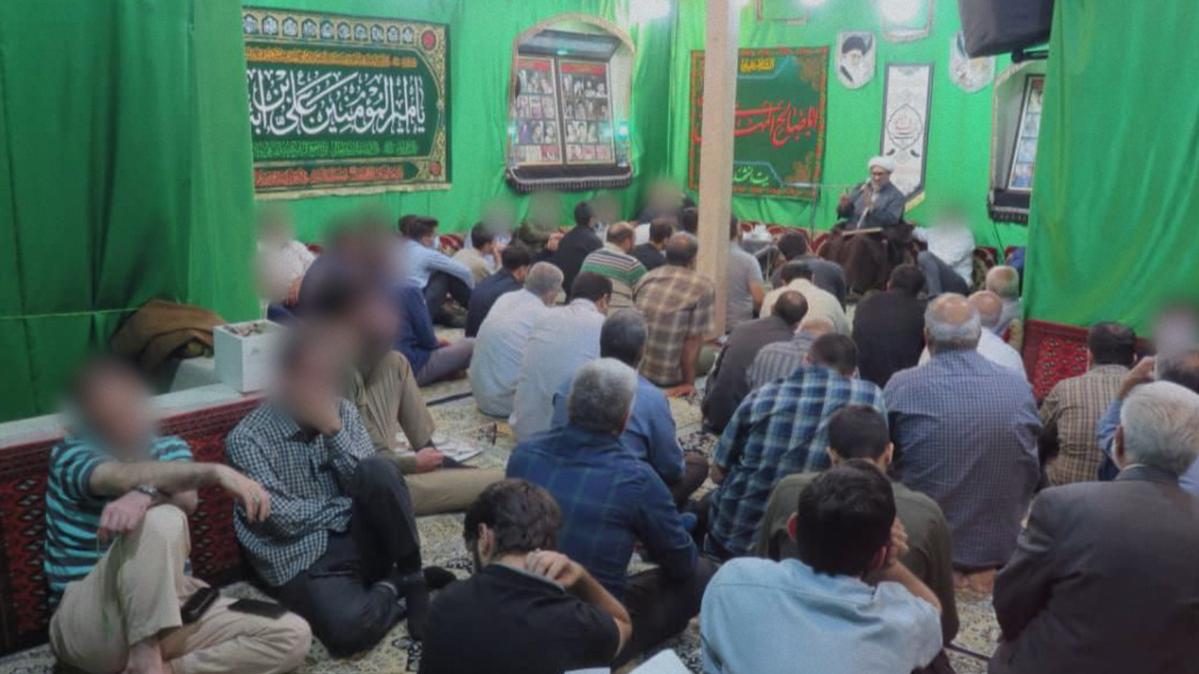
由于达赫梅的保密性,以下内容主要基于奥米德的叙述以及DW在该厅内宗教仪式中罕见获得的图像。他说,这些秘密会议通常以宗教仪式和典礼的名义开始,常在一间装饰有绿色帷幔和宗教横幅的大厅里进行。共进晚餐后,只有内圈人员留下。
Because of the secrecy surrounding Dakhme, much of the following is based only on Omid's accounts and the rare images DW obtained of religious ceremonies inside the hall. The secret meetings usually kick off under the guise of religious ceremonies and rituals, he said, in a large hall often adorned with green drapes and religious banners. After a communal dinner, only those in the inner circle stay.
留下的人会交出手机,手机被锁起来。然后,奥米德说,“伊朗特种部队和情报行动的资深专家”会深夜讨论谋杀和绑架。
Those who remain hand over their mobile phones, which are locked away. Then, Omid said, "seasoned specialists from Iran's special forces and intelligence operation " discuss murder and abductions late into the night.
对于这些人来说,一个人的职位并不那么重要,”奥米德说。“如果他们认为某人对伊斯兰共和国最高领袖构成威胁,他们会极其重视并采取行动。”奥米德说,每次行动之后,这些人就会回到伊朗安全机构各自的岗位上,直到他们再次聚集,以任何代价捍卫伊斯兰共和国。
"For these people, a person's position isn't that important," Omid said. "If they consider someone a threat to the supreme leader of the Islamic Republic, they take it extremely seriously and take action." After each operation, Omid said, the men return to their respective roles within Iran's security apparatus, until they gather again to defend the Islamic Republic at any cost.