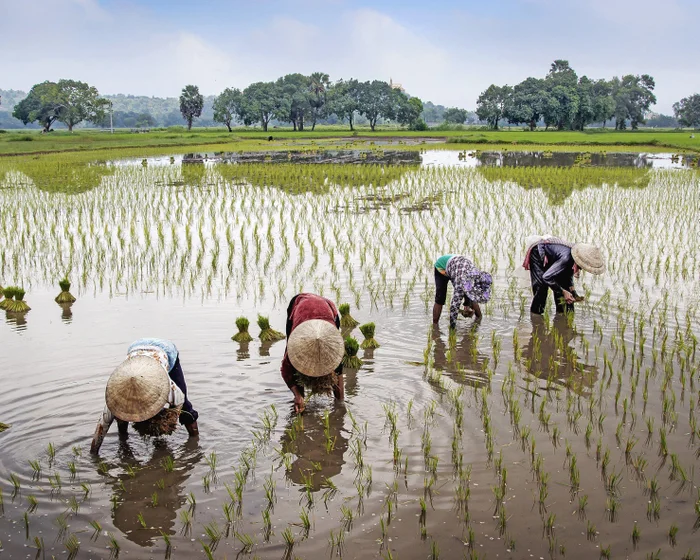
现代性意味着城市——至少我们是这么被告知的。这项关于靠土地谋生者的大胆新研究却持相反观点。“农民”一词带有负面色彩:它已被赋予无知、不成熟、出身低微的含义。正如玛丽亚姆·阿斯兰尼在这部令人印象深刻的人类学与历史融合之作中所写,这种态度“是塑造我们今日模样的巨型心理剧的残余……我们通过驱逐自身中的农民部分而成为现代人”。她的书编织了全球农民史与她在印度、柬埔寨、秘鲁和加纳四年旅行中的亲身经历——她与农民家庭同住并进行交流。
Modernity means cities – or so we’re told. This bold new study of those who make their living from the land argues otherwise The word “peasant” has a negative edge: it has come to mean someone ignorant, unsophisticated, lowborn. Such an attitude, writes Maraym Aslany in this impressive piece of anthropology-cum-history, is “a residue of the massive psychodrama which made us who we are … we became modern by expelling the peasant parts of ourselves”. Her book weaves together a global history of peasants and an account of the four years she spent travelling in India, Cambodia, Peru and Ghana, living with and talking to peasant families.
她旨在挑战一种观念:农民阶层的衰落是成为‘现代’的必要条件。这一观念起源于英国——第一个通过圈地运动摆脱农民的国家,当时其将土地从公共资源转变为金融资产。随着这种资本主义现代性模式开始在全球蔓延,各种知识分子都认为农民是‘进步’的绊脚石。伏尔泰视他们为迟钝、无法理解自身悲惨处境的人;卡尔·马克思则认为他们‘对财产的执着追求’使其成为资本主义内部的反动力量。
She aims to challenge the notion that the decline of the peasantry is the necessary condition for becoming “modern”. This notion arose in Britain, the first country to rid itself of its peasants when, with the enclosure acts, it turned its land from a common good into a financial asset. As this model of capitalist modernity began to take over the world, intellectuals of every stripe argued that peasants stood in the way of “progress”. Voltaire saw them as slow-witted people unable to understand their piteous state, stumbling blocks in the pursuit of enlightenment. Karl Marx believed that their “relentless property fanaticism” made them a reactionary element within capitalism.