在阿拉伯语中,“fidai”意指愿为大义牺牲自我者。巴勒斯坦电影制作人卡迈勒·阿尔贾法里借用这个有时用于军事语境的词作为其拼贴电影的片名,上演了一场影像对抗宣传洪流与历史抹除的有力起义。影片大量素材源自曾设于贝鲁特巴勒斯坦研究中心的档案资料。1982年黎巴嫩内战期间,以色列军队突袭该中心并查封档案。这些关于巴勒斯坦历史的文献——书籍、报纸、视听文物——据信至今仍掌握在以色列军方手中。
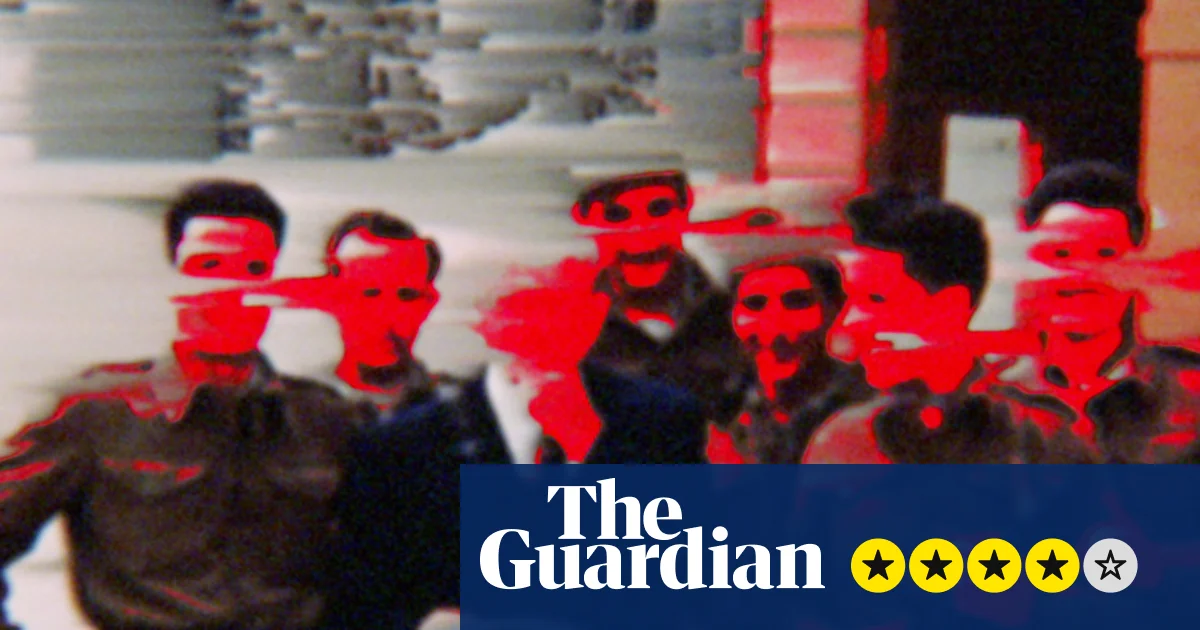
In Arabic, “fidai” means someone willing to sacrifice themselves for the greater good. Borrowing this word, which is at times used in a military context, for his collage film, Palestinian film-maker Kamal Aljafari stages a potent uprising of images against the tide of propaganda and historical erasure. Much of the film draws on archive materials once housed in the Palestine Research Centre in Beirut. In 1982, during the Lebanese civil war, Israeli forces raided the centre and seized the archive. Most of these documents on Palestinian history – books, newspapers, audiovisual artefacts – are believed to still be in the hands of the Israeli army.
这些通过秘密途径获得、在阿尔贾法里电影中重现的影像,承载着政治压制的物理痕迹。画面布满划痕、颗粒感强且像素化,然而通过蒙太奇的力量,它们唤起令人震惊的视觉平行,指向巴勒斯坦人数十年来遭受的持续暴力。英国托管时期拍摄的黑白胶片显示士兵在街道巡逻并对原住民实施暴力;随后以色列军队犯下类似暴行。剪辑摒弃时间顺序,通过反复出现的影像构建连续感。我们一次次看到被拆毁的房屋、受惊吓的儿童,以及被占领军杀害的巴勒斯坦人的尸体。
Obtained through clandestine means, the footage that resurfaces in Aljafari’s film bears the physical traces of political suppression. The images are scratched, grainy and pixelated, yet through the power of montage they evoke startling visual parallels that point to the relentless violence endured by Palestinians through the decades. Black-and-white film taken during the British mandate show soldiers patrolling the streets and inflicting violence upon the Indigenous population; similar acts then committed by Israeli forces. In place of a chronological order, the editing builds a sense of continuity through recurring images. Time and time again, we see torn-down houses, terrorised children and the bodies of Palestinians murdered by occupation forces.
这部电影不仅是一部汇编作品,更实施了自身的历史干预。许多胶片卷上印有以色列当局添加的贬义字幕,阿尔贾法里用红色颜料笔触覆盖它们。取而代之的是巴勒斯坦作家如加桑·卡纳法尼诗作的节选,其文字赋予这些往昔影像以人性。通过这些夺回策略,阿尔贾法里的电影让被囚禁的档案获得解放,哪怕只是片刻。
More than simply a work of compilation, the film also performs its own historical intervention. Many of the reels are imprinted with pejorative captions added by Israeli authorities, which Aljafari covers in streaks of red paint. In their place are excerpts from poems by Palestinian authors such as Ghassan Kanafani, whose words return a sense of humanity to these past images. Through these strategies of reclamation, Aljafari’s film brings liberation, if only momentarily, to a captive archive.