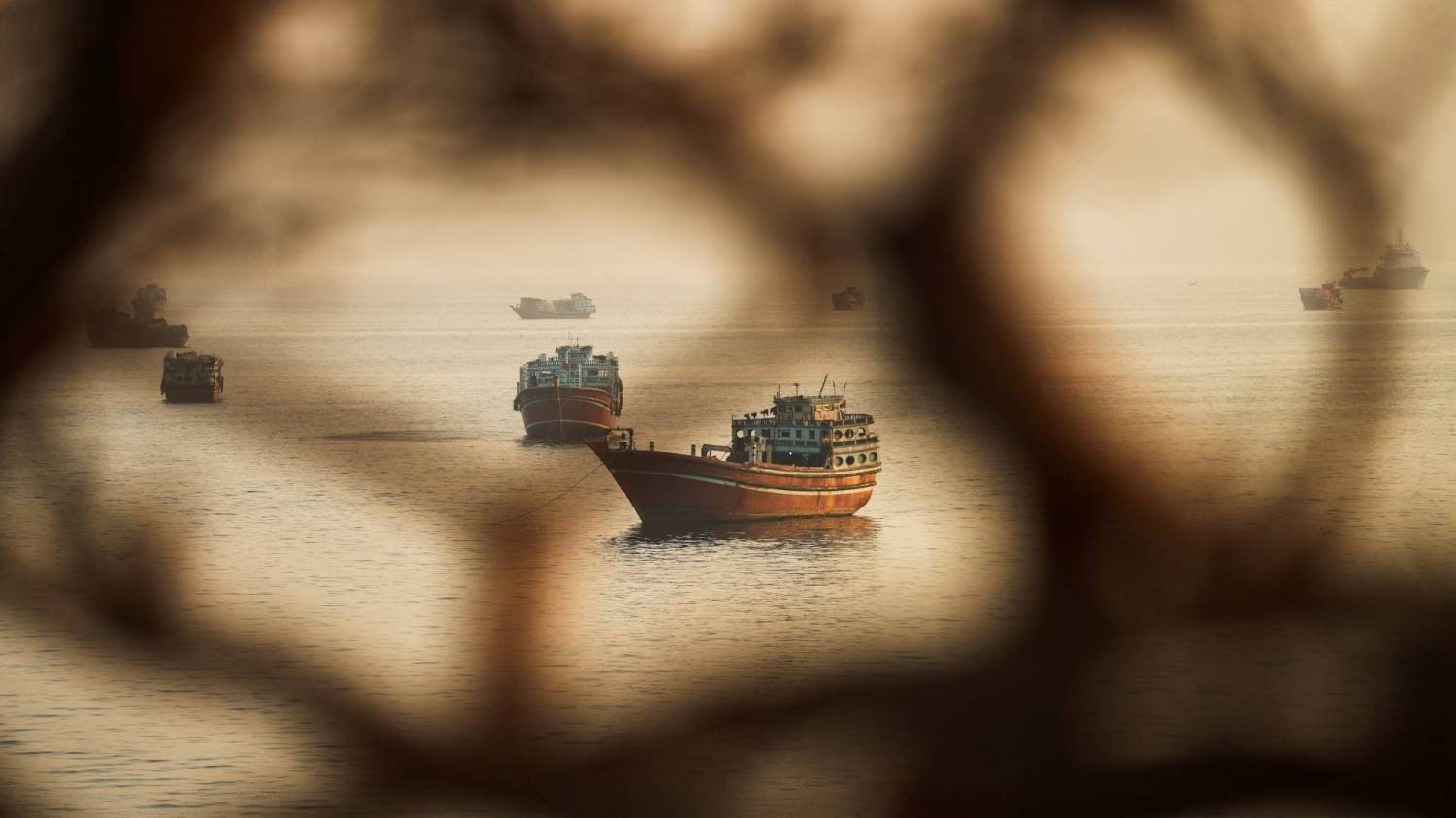
摄于周一从阿曼穆桑代姆看到的霍尔木兹海峡中的船只 | 路透社 帕特里夏·科恩(Patricia Cohen)《纽约时报》2026年10月12日伦敦报道——几十年来,我们生活在一个似乎超越了地理的世界里。
Vessels in the Strait of Hormuz, as seen from Musandam, Oman, on Monday | REUTERS By Patricia Cohen The New York Times Oct 12, 2026 LONDON – For decades we have lived in a world that seemed to transcend geography.
信息、金钱、商品、病菌和武器曾一度无视距离。转瞬之间,耳语般的秘密和数十亿美元的赏金便完成了交易。智能手机、柑橘和凉鞋从全球各地直接送到了你的家门口。弹道导弹能够在几分钟内飞越洲际。
Information, money, goods, germs and weapons have come to defy distance. Whispered confidences and billion-dollar bounties are traded instantaneously. Smartphones, satsumas and sandals are delivered to your doorstep from across the globe. Ballistic missiles are able to traverse continents in minutes.
然而,随着波斯湾一条关键航运与能源通道的封锁所带来的经济浩劫,这些日常生活中的想当然受到了挑战。
But such everyday assumptions have been challenged by the economic havoc wrought by the blockage of a single vital shipping and energy route in the Persian Gulf.