本文最初发布于日经集团旗下数字媒体、日经BP社所属的《日经Gaming》日语版。
This article was originally published in Japanese on Nikkei Gaming, a digital media outlet and part of Nikkei Business Publications, a Nikkei Group company.
东京——日本游戏巨头世嘉(Sega)正在推进一项跨媒体战略,以提升其大热电子游戏系列的全球价值,将其带入电影院、音乐厅和舞台制作,同时扩大周边商品销售。
TOKYO -- Japanese gaming giant Sega is pushing a transmedia strategy to boost the global value of its blockbuster video game franchises, bringing them to movie houses, concert halls and stage productions while expanding merchandise sales.
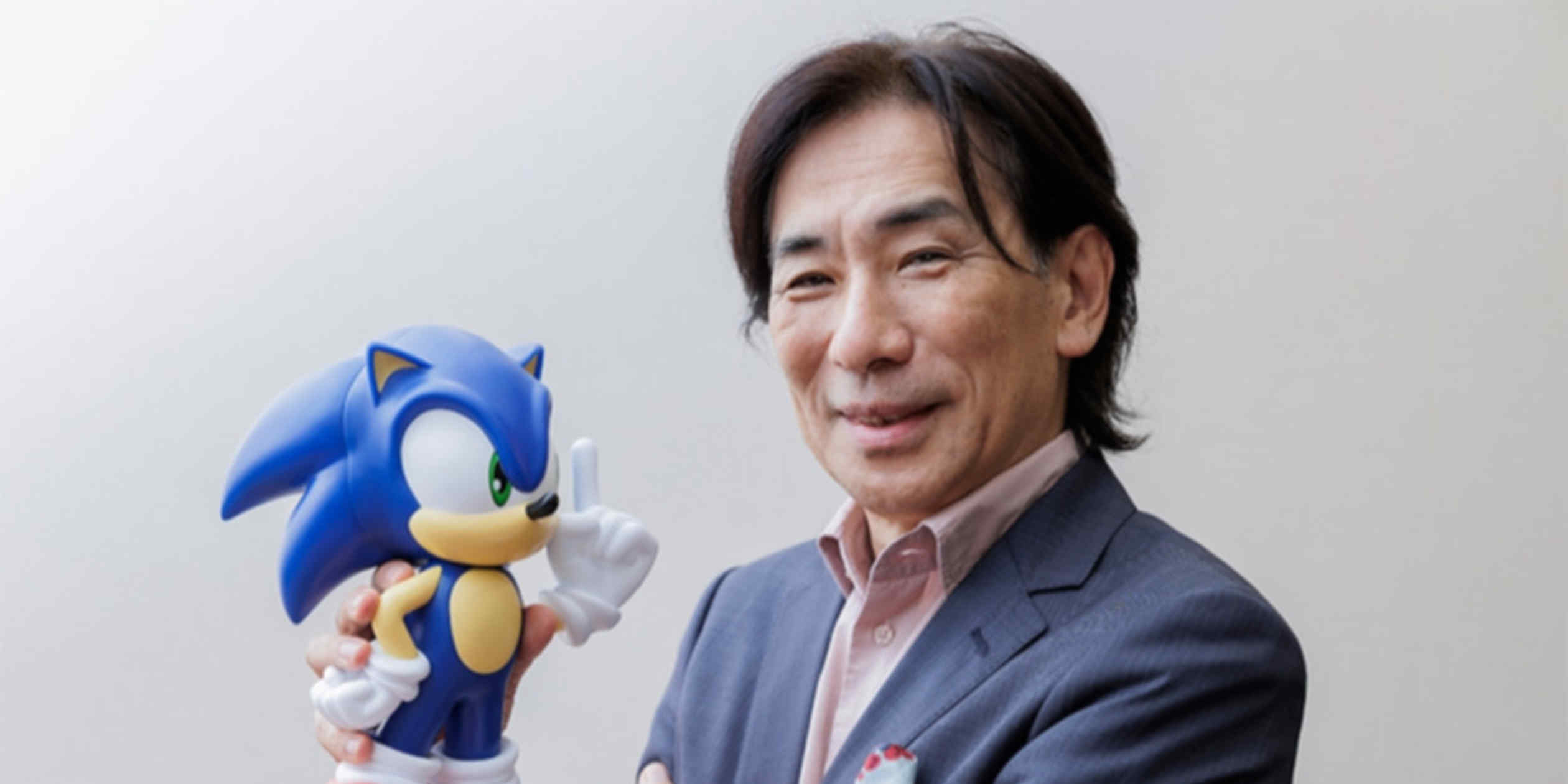
于2024年被任命为总裁兼首席运营官的内海州史正在领导这一倡议,该倡议将利用世嘉在全球范围内获得认可的游戏系列,如《索尼克》、《如龙》和《女神异闻录》。这些游戏在游戏之外都具有巨大的、未被挖掘的潜力。
Shuji Utsumi, who was appointed president and chief operating officer in 2024, is leading the initiative, which will leverage Sega's globally recognized franchises such as Sonic, Like a Dragon and Persona. All have significant untapped potential beyond games.
《索尼克》系列电影已经取得了成功,世嘉打算在此基础上再接再厉,同时扩大其授权及其他与IP相关的业务。
The Sonic films are already a success that Sega intends to build on as it also expands its licensing and other IP-related businesses.
我们最近采访了内海州史,谈及了世嘉的计划。以下是访谈经过编辑的节选。
We recently spoke with Utsumi about Sega's plans. Edited excerpts from the interview follow.
问:自从您担任总裁以来,世嘉加快了全球扩张的步伐。为什么一家已经拥有数款全球热门作品的公司,会重新强调走向全球?
Q: Sega has stepped up its global expansion since you became president. Why is a company that already has several globally popular titles placing renewed emphasis on going global?
世嘉起初是一家开发和销售游戏机以及经营街机业务的公司。由于这段历史,游戏机长期以来一直处于我们消费业务的核心,我们的游戏开发模式也是基于首先面向国内市场打造,然后再向海外扩展。
Sega began as a company that developed and sold game consoles alongside its arcade business. Because of that history, consoles long sat at the heart of our consumer business, and our game development model was based on first building for the domestic market and then expanding overseas.
过去的世嘉有着一种深蒂固的文化,即从日本向世界其他地方拓展。近年来的重大转变是重新审视那种以游戏机为中心、以日本为导向的定位,将我们自己转型为一家在全球以及包括PC平台在内的各个市场上同时开展业务的公司。
The old Sega had a deeply ingrained culture of moving outward from Japan to the rest of the world. The major shift in recent years has been to rethink that console-centric, Japan-focused orientation and transform ourselves into a company that launches its business globally and simultaneously across markets, including on PC platforms.
问:与围绕出口日本内容建立的行业不同,游戏本质上是一项全球性业务。
Q: Unlike industries built around exporting Japanese content, gaming is inherently a global business.
视频游戏之所以与其他娱乐形式有所不同,很大程度上源于其独特的起源。多年来,日本的娱乐产业(从音乐到动漫)一直围绕以电视为中心的商业模式发展。
A large part of the reason is that video games have different origins from other forms of entertainment. For many years, much of Japan's entertainment industry (everything from music to anime) was built around a television-centered business model.
而视频游戏的发展路径则有所不同。任天堂、SIE(索尼互动娱乐)以及当时的世嘉都曾是这一模式的一部分。更早之前,在家用游戏机尚未出现之前,日本公司就已经通过街机游戏开拓海外市场。换句话说,自视频游戏产业诞生之日起,日本公司就自然地将业务拓展到了全球。
Video games developed differently. Nintendo, SIE (Sony Interactive Entertainment) and, in its day, Sega were all part of this. Going back even further, before home consoles emerged, Japanese companies were already opening up overseas markets through arcade games. In other words, from the earliest days of the video game industry, Japanese companies expanded globally as a matter of course.
因此,对于游戏公司而言,全球化运营本身并不新鲜。关键在于如何利用这些积累的经验来应对当今全球市场的现实情况。问:您计划如何推进跨媒体战略?
So operating globally is nothing new in itself for a game company. The question is how we draw on that accumulated experience to respond to the realities of today's global market. Q: How do you intend to develop the transmedia strategy going forward?
重返世嘉后,我在其他公司工作的一段时间让我重新认识到,世嘉的知识产权在全球范围内备受喜爱。在某些情况下,西方乃至其他地区的粉丝对其的热爱甚至超过了日本本土,我深有感触。
What struck me anew when I returned to Sega, after spending time at other companies, was just how much affection Sega's IP commands around the world. In some cases, it is loved in the West and elsewhere even more strongly than in Japan, I feel.
当2020年电影《刺猬索尼克》取得巨大成功时,我看到了这是推进跨媒体战略的理想机遇。事实上,索尼克的授权业务在电影上映后实现了显著增长。
When the 2020 film "Sonic the Hedgehog" was highly successful, I saw it as an ideal opportunity to push ahead with a transmedia strategy. In fact, Sonic's licensing business expanded substantially following the film's release.
新的授权合作伙伴开始加入,而在过去三年里,我们已将跨媒体战略从索尼克延伸至其他领域——并取得了强劲的反响。问:因此,电影的成功为跨媒体战略注入了新的动力。
New licensing partners began coming on board, and over the past three years we have expanded the transmedia strategy beyond Sonic -- with a strong response. Q: So the film's success gave fresh momentum to the transmedia strategy.
当我最初涉足游戏行业时,制作者和用户普遍认为游戏仅仅是玩具的一种类别。但随着公司努力将游戏确立为独立的娱乐形态,它逐渐成长为与音乐和电影相当的主流文化力量。
When I first became involved in the games industry, makers and users seemed to have a strong sense that games were simply one category of toys. But as companies worked to establish games as a form of entertainment in their own right, they grew into a mainstream cultural force on a par with music and film.
如果我们希望打造一个能够反映现实情况及行业大趋势的游戏业务,那么如何充分发挥各个IP的独特优势并最大化其价值就显得至关重要。我认为跨媒体战略正是我们应对这一挑战的重要手段。
If we are going to build a games business that reflects that reality and those broader trends, it becomes important to consider how best to strengthen each IP's unique strengths and maximize the value they generate. I believe the transmedia strategy is one part of our effort to address that challenge.
问:最近似乎有越来越多的粉丝虽然从未玩过游戏,却依然深爱着某个IP。
Q: Lately, there seems to be a growing number of fans who love an IP without ever having played the game.
如今,在我们旗下的所有游戏系列中都能看到这类粉丝的身影。以《如龙》系列为例,其周边商品销售成绩十分出色,购买者中女性占比高达60%至70%。这些女性观众通过观看我们的YouTube频道内容或知名创作者的视频与直播,逐渐喜欢上《如龙》的世界观、故事情节以及角色设定,但她们中很多人其实从未玩过该系列游戏。
We are seeing more and more fans like that across all of our titles. The "Like a Dragon" series, for example, has performed extremely well in merchandising, with women accounting for 60% to 70% of buyers. They watch our YouTube channel or videos and streams by popular creators, become fans of the world, story and characters of "Like a Dragon," and in many cases have never played the games themselves.
无论是否实际玩过我们的游戏,只要喜爱我们的产品,我们都会将其视为粉丝,甚至是“玩家”。跨媒体战略的优势之一就在于它能提供更多切入点与接触渠道,让更多人有机会了解并爱上某个IP。在某些情况下,这些粉丝对IP的投入程度甚至超过了那些亲自玩游戏的玩家。
We regard people who love our products as fans -- and even as "gamers" -- whether or not they have actually played our games. One of the transmedia approach's strengths is that it multiplies the number of entry points and touch points through which people can discover and engage with an IP. In some cases, their level of engagement is even higher than that of fans who actually play the games.
问:在围绕自己喜爱的偶像或角色进行的所谓“粉丝消费”方面,男性与女性的行为方式也存在明显差异。
Q: There are also significant differences in how men and women spend money on so-called oshikatsu or fan activities centered on a favorite idol or character.
这不仅仅是消费方式上的区别。我认为人们对某个IP或角色产生喜爱之情并表达情感的方式也各不相同。而这种对IP与角色的喜爱之情如今正逐渐向全球蔓延。
It is not just a question of how they spend money on oshikatsu. I also feel that the way people develop and express affection for an IP or character differs. And that attachment to IP and characters is now spreading globally.
周边商品产业也随之不断演变。如今游戏的全球同步发行已成为常态,相应地,我们也越来越倾向于在全球范围内同步推出相关周边商品。
Merchandising itself is evolving along with it. Simultaneous worldwide releases have become the norm for games, and in step with that shift, we have increasingly come to launch merchandise around the world at the same time.
当人们深深沉浸于某种特定文化时,无论身处哪个国家或地区,粉丝们都会开始表现出相似的行为和生活方式。对于嘻哈音乐来说,这可能会体现在时尚上;对于K-pop来说,则体现在妆容上。
Once people become deeply involved in a particular culture, fans begin to exhibit similar behavior and lifestyles regardless of country or region. With hip-hop, that may show up in fashion; with K-pop, in makeup.
对于动漫和游戏而言,中心是日本。而典型的粉丝行为,例如围绕商品购买和角色扮演(cosplay)形成的文化,便是一个例证。
For anime and games, the center is Japan. And the characteristic fan behavior can be seen, for example, in the culture surrounding merchandise purchases and cosplay.
文化对人有着深远的影响,甚至塑造着他们的生活方式。在我看来,日本现在向世界输出的不仅是娱乐本身,还包括围绕其发展起来的行为模式在内的娱乐文化。
Culture has a profound influence on people, shaping even their lifestyles. The way I see it, Japan is now exporting to the world not just entertainment itself, but an entertainment culture that includes the patterns of behavior that have grown up around it.
问:由于游戏和动漫呈现了清晰定义的故事和世界,它们的影响似乎尤为深远。
Q: Because games and anime present a clearly defined story and world, their influence would seem to extend particularly far.
我认为确实如此。例如,如果一部动漫中角色津津有味地吃拉面的情节大受欢迎,粉丝们自己也会想去吃拉面。然而在过去,行为受到这种影响的海外粉丝往往只限于最核心的发烧友。如今,这种影响已经触及了更广泛、更大众化的受众群体。
I think that is certainly true. If, for example, an anime in which the characters eat ramen with obvious relish becomes a hit, fans will want to eat ramen themselves. In the past, however, the overseas fans whose behavior was influenced in that way tended to be only the most hard-core enthusiasts. Today, that influence reaches a much broader and more casual audience.
这也是世嘉将其IP的多层开发描述为跨媒体战略的原因之一。在商品销售方面,我们也需要对与粉丝和消费者的互动采取更加灵活的看法。例如,如果某个海外粉丝对《如龙》中某人吃一碗日式牛肉饭的场景产生了兴趣,那么连牛肉饭也能成为商品销售机遇的一部分。我认为,这就是当今商品销售的含义。平野绫是《日经电玩》总编辑,稻垣宗彦是特约撰稿人。
That is one reason Sega describes its multilayered development of IP as a transmedia strategy. In merchandising as well, we need to take a more flexible view of our engagement with fans and consumers. If, for instance, an overseas fan takes an interest in a scene in "Like a Dragon" in which someone eats a bowl of gyudon beef, then even gyudon can become part of the merchandising opportunity. That, I think, is what merchandising means today. Aya Hirano is Editor-in-Chief of Nikkei Gaming and Munehiko Inagaki is a contributing writer.