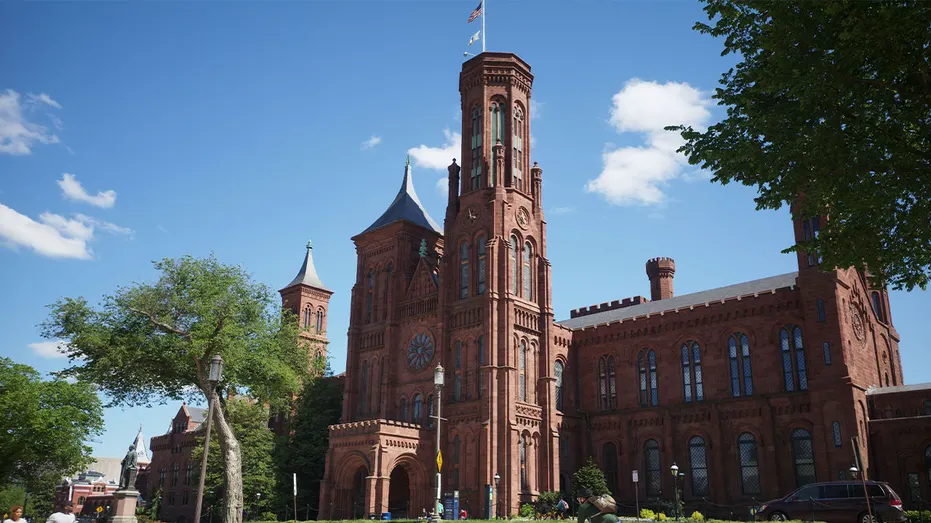
史密森尼学会(Smithsonian Institution)有时被称为美利坚的阁楼。这种描述并不恰当。阁楼只是存放东西的地方。史密森尼学会的作用远比这重要得多:它帮助美国人理解我们是谁。
The Smithsonian Institution is sometimes called the nation’s attic. That description is inadequate. An attic stores things. The Smithsonian does something far more consequential: It helps Americans understand who we are.
随着美国庆祝建国250周年以及史密森尼学会准备迎接新领导层,这一职责具有了特殊的重量。权力交接正值围绕史密森尼学会如何呈现美国历史的激烈辩论之际。一份白宫审查报告批评了美国国家历史博物馆(National Museum of American History),并认为意识形态的关切已经取代了将历史视为共同国家遗产的理解。
That responsibility carries particular weight as the United States celebrates its 250th anniversary and the Smithsonian prepares for new leadership. The transition comes amid an intense debate over how the Smithsonian presents American history. A White House review criticized the National Museum of American History, arguing that ideological concerns have displaced an understanding of history as a shared national inheritance.
史密森尼学的领导层和历史学家为该机构的学术独立性进行了辩护,并警告不要让政治权力左右历史的讲述方式。答案不可能是选择其中一种冲动而忽视另一种。
Smithsonian leaders and historians have defended the institution’s scholarly independence and warned against allowing political power to dictate how history is told. The answer cannot be choosing one of those impulses and ignoring the other.
特朗普对决史密森尼:白宫围绕“觉醒”历史争端演变的时间线 卸任的史密森尼学会秘书长朗尼·邦奇(Lonnie Bunch)最近表示,史密森尼学会必须同时展示光明与黑暗。他还曾将美国形容为一个地方,更是一种理想——对自由、公平、公正和平等的追求。但是,史密森尼学会在公平地讲述美国的故事吗?
TRUMP V. SMITHSONIAN: A TIMELINE OF HOW THE WHITE HOUSE FIGHT OVER 'WOKE' HISTORY UNFOLDED Outgoing Smithsonian Secretary Lonnie Bunch recently said the Smithsonian must show both the light and the dark. He has also described America as an ideal as much as a place — an aspiration toward liberty, fairness, justice and equality. But has the Smithsonian been telling the American story fairly?
更难的问题是关于比例的:美国的国家博物馆应该如何将光明与黑暗结合起来,对这个国家做出诚实的记述?
The harder question is one of proportion: How should America’s national museums put the light and the dark together into an honest account of the country?
在过去四分之一个世纪的大部分时间里,我一直在弗吉尼亚州协助管理博物馆和历史机构。这段经历使我确信,历史的完整性需要的不仅仅是事实的准确性。它需要比例、背景和视角。
I have spent much of the past quarter-century helping govern museums and historic institutions in Virginia. That experience has convinced me that historical integrity requires more than factual accuracy. It requires proportion, context and perspective.
美国的国家博物馆应当诚实地讲述我们的历史,包括我们的缺点、矛盾,以及美国人未能兑现建国时宣称的原则的时刻。但这些失败不应当成为理解美国经验的组织原则。如果按比例来看,美国的故事是非凡的。
America’s national museums should tell our history honestly, including our shortcomings, contradictions and occasions when Americans failed to live up to the principles proclaimed at the nation’s founding. But those failures should not become the organizing principle through which the American experience is understood. Viewed in proportion, the American story is extraordinary.
一群殖民地宣布,人类拥有政府不曾授予的权利。随后,美国人围绕代议制政府、个人自由和法治建立了一个持久的宪政共和国。这些思想改变了人类历史。
A collection of colonies declared that human beings possess rights governments do not grant. Americans then built an enduring constitutional republic around representative government, individual liberty and the rule of law. Those ideas changed human history.
他们所缔造的国家在内战中存活下来,扩大了自由和政治参与,迎来了代代移民,成为了工业和科学大国,击败了法西斯主义和苏联共产主义,并把人类送上了月球。
The nation they produced survived civil war, expanded freedom and political participation, welcomed generations of immigrants, became an industrial and scientific power, defeated fascism and Soviet communism and put human beings on the moon.
当美国未能达到其建国原则时,后世一代又一代人不断重回这些原则,要求这个国家做得更好。
When America fell short of its founding principles, succeeding generations repeatedly returned to those principles to demand the nation do better.
批判性地审视美国与教导美国人以冷嘲热讽的态度看待自己的国家之间,有着重要的区别。一个伟大的国家博物馆应该能够在不陷入后者的情况下做到前者。
There is an important distinction between examining America critically and teaching Americans to regard their country cynically. A great national museum should be capable of the former without succumbing to the latter.
博物馆不可避免地要做选择:展出哪些物件、强调哪些故事,以及给予访问者什么样的背景。个别事实可能是准确的,但它们累积起来的呈现方式可能会留下歪曲的印象。
Museums inevitably make choices: which objects to display, which stories to emphasize and which context visitors receive. Individual facts can be accurate while their cumulative presentation leaves a distorted impression.
史密森尼学会应抵制任何从当代的政治或意识形态范畴出发、再逆向通过历史来验证这些范畴的诠释方法。历史应当照亮当代的辩论,但过去值得按照其自身的逻辑去面对。答案也不可能是用一种政治正统取代另一种政治正统。
The Smithsonian should resist any interpretive approach that begins with contemporary political or ideological categories and works backward through history to validate them. History should illuminate today’s debates, but the past deserves to be encountered on its own terms. Nor can the answer be replacing one political orthodoxy with another.
史密森尼学会经受住了两党总统和国会的考验。它的信誉建立在学术性、独立性和公众信任之上。美国人绝不应该相信,每当政治权力易手时,其国家博物馆里的展览就会被重写。
The Smithsonian has endured presidents and Congresses of both parties. Its credibility rests upon scholarship, independence and public trust. Americans should never believe exhibits in their national museums are rewritten whenever political power changes hands.
詹姆斯·史密森(James Smithson)设想建立一个致力于“知识的增长与传播”的机构。两个世纪后,史密森尼学会收藏了属于我们所有人的物品:乔治·华盛顿(George Washington)将军的制服、亚伯拉罕·林肯(Abraham Lincoln)总统的帽子、《星条旗之歌》(The Star-Spangled Banner)、莱特飞行器(Wright Flyer)、哈丽特·塔布曼(Harriet Tubman)的赞美诗集、格林斯伯罗(Greensboro)午餐柜台高脚凳、阿波罗11号(Apollo 11)指挥舱。它们讲述了一个关于抱负、奋斗、成就和进步的不凡故事。
James Smithson envisioned an institution devoted to the "increase and diffusion of knowledge." Two centuries later, the Smithsonian holds objects that belong to all of us: General George Washington’s uniform. President Abraham Lincoln’s hat. The Star-Spangled Banner. The Wright Flyer. Harriet Tubman’s hymnal. The Greensboro lunch-counter stools.
没有任何一个策展人拥有这个故事。总统、政党、学术运动或代际也都不拥有。我们只是暂时受托保管它。这一原则在美国建国250周年之际尤为重要。这一里程碑应当引发反思。但反思不等同于国家自我谴责。
The Apollo 11 command module. They tell a remarkable story of aspiration, struggle, achievement and progress. No curator owns that story. Neither does a president, political party, academic movement — or generation. We hold it temporarily in trust. That principle matters especially during America’s 250th anniversary. This milestone should invite reflection. But reflection is not national self-reproach.

我们的二百五十周年纪念不应当变成一场250周年的守灵仪式,主要致力于清点美国的缺点,同时将它的成就视作附带条件或事后诸葛亮式的补充。有太多值得庆祝的事物。
Our semiquincentennial should not become a 250th-anniversary wake, principally devoted to cataloging America’s shortcomings while treating its achievements as qualifications or afterthoughts. There is too much worth celebrating.
参观者离开史密森尼学会时,应当对美国的历史有更全面的了解。他们应当理解我们的缺点和矛盾,但也应当理解我们的成就。他们应当为美国人所建立的成就留下深刻印象,为美国人所付出的牺牲感到动容,为他们所继承的遗产心怀感恩——并受到激励去维护和改善它。他们甚至应当感到骄傲。
Visitors should leave the Smithsonian knowing America’s history more fully. They should understand our shortcomings and contradictions, but also our achievements. They should leave impressed by what Americans built, moved by what Americans sacrificed, grateful for what they inherited — and challenged to preserve and improve it. They should even leave proud.
对国家的骄傲并不是历史理解的敌人。当它妥善地建立在真相基础之上时,它本身就是成果之一。
Pride in one’s country is not the enemy of historical understanding. Properly grounded in truth, it can be one of its products.
史密森尼学会无需告诉美国人该如何看待美国。它应当为他们提供理解属于他们自己的遗产所必需的文物、学术研究、背景和视角。
The Smithsonian need not tell Americans what to think about America. It should give them the artifacts, scholarship, context and perspective necessary to understand the inheritance that belongs to them.
讲述那些艰难的故事。也讲述那些伟大的故事。请相信美国人能够同时接受这两者。
Tell the hard stories. Tell the great ones, too. Trust Americans with both.
250年过去了,美国的故事远未结束。史密森尼学会的职责是忠实地保存它、诚实地诠释它——并确保下一代人理解为什么它依然是一个值得庆祝的故事。
After 250 years, the American story remains unfinished. The Smithsonian’s responsibility is to preserve it faithfully, interpret it honestly — and ensure the next generation understands why it remains a story worth celebrating.