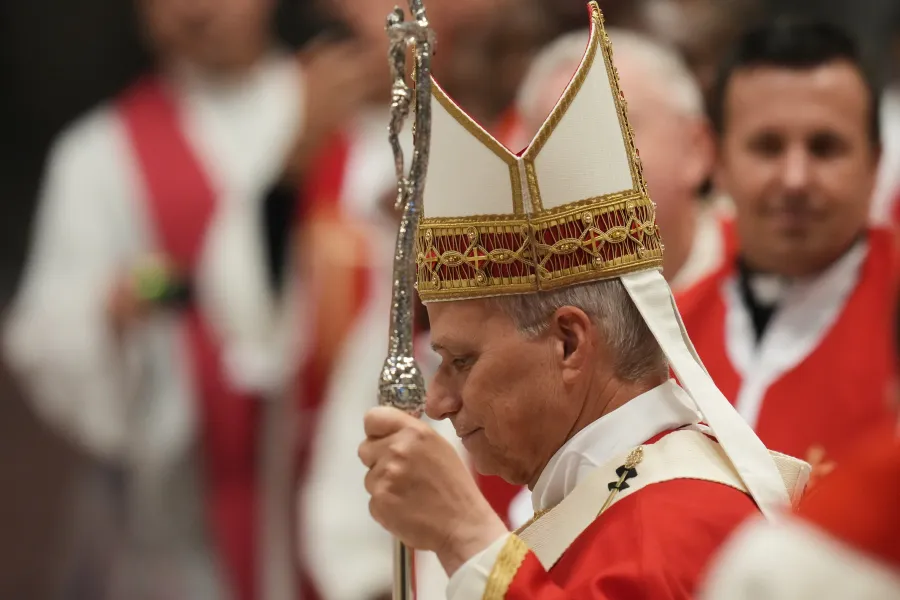
教皇利奥十四世刚刚为美国在人工智能辩论中提供了它迫切需要的东西:一个放慢脚步、思考人工智能核心中的人类的理由。周一,他在从法国访问返回罗马的途中,被问及人们日益增长的担忧——即人工智能可能对人类构成严重风险。他的回答令人印象深刻。他表示,人工智能专家提出的这些担忧应当被认真对待。他驳斥了这些警告仅仅是“假新闻”的说法。
Pope Leo XIV has just given America something it desperately needs in the artificial intelligence debate: a reason to slow down and think about the human being at the center of it. On Monday, while flying back to Rome after his visit to France, the pope was asked about growing concerns that artificial intelligence could pose serious risks to humanity. His response was striking. He said those concerns, raised by AI experts, should be taken seriously. He rejected the idea that such warnings are simply "fake news."
就在几天前,他在巴黎发表讲话时曾警告说,技术发展必须始终服务于人。他警告说,我们的思想和人际关系可能因去人性化而贫乏,并质疑当人类主要被效率和生产力来评判时会发生什么。正是这一点引起了我的注意。我对人工智能充满期待。这听起来可能很奇怪,考虑到教皇利奥对这项技术的表态,但我认为这正是他的信息吸引我的原因。
Just days earlier, speaking in Paris, Leo had warned that technological development must remain at the service of the human person. He cautioned that our ideas and relationships can be impoverished by dehumanization and questioned what happens when human beings are judged primarily by efficiency and productivity. That is what caught my attention. I am excited about artificial intelligence. That may sound strange given what Pope Leo has been saying about the technology, but I think that is exactly why his message has caught my attention.
人工智能可能以我们才刚开始理解的方式让我们的生活变得更好。它可以帮助我们工作更快、发现新药、学习新技能以及解决曾经看似不可能的问题。我并不想假装技术创新是敌人。我也不想仅仅因为一项新技术让我们感到不适而踩下自由市场的刹车。但我越来越发现自己在思考一个问题:我们会怎样?我认为这就是教皇利奥正在把这一问题带入人工智能讨论中的所在。
AI could make our lives better in ways we are only beginning to understand. It can help us work faster, discover new medicines, learn new skills and solve problems that once seemed impossible. I am not interested in pretending technological innovation is the enemy. Neither am I interested in putting the brakes on free markets simply because a new technology makes us uncomfortable. But there is a question I increasingly find myself asking: What happens to us? That is what I think Leo is bringing into the AI conversation.
随着政客、企业和技术领袖聚焦于人工智能能够实现什么,教皇是在要求我们记住站在技术另一端的人。当人工智能能够为我们完成大部分思考时,做人会是什么感觉?
As politicians, businesses and technology leaders focus on what artificial intelligence can accomplish, the pope is asking us to remember the person standing on the other side of the technology. What will it feel like to be human when AI can do most of the thinking for us?
当一个孤独、抑郁或正面临个人问题的人停止给朋友、家人或牧师打电话,而是转而求助于一台全天候24小时可用的机器时,会发生什么?更重要的是,当机器能够承担越来越多曾经不仅让人们获得工资,还赋予他们使命感的任务时,工作的尊严会发生什么变化?这些问题并不是反对人工智能的论点。它们是提醒我们最初为何要追求进步的论点。
What happens when someone who is lonely, depressed or struggling with a personal problem stops calling a friend, family member or pastor and instead turns to a machine that is available 24 hours a day? And perhaps most importantly, what happens to the dignity of work when machines can perform more and more of the tasks that once gave people not only a paycheck, but a sense of purpose? Those questions aren’t arguments against AI. They are arguments for remembering why progress matters in the first place.
我认为保守派应该特别注意这一区别。保守派传统上认为,人类不仅仅是经济单位。工作很重要,但家庭、信仰、社区、责任以及赋予我们生活意义的关系同样重要。市场之所以强大,是因为它们让人们能够创造、交换和创新。但市场无法回答关于什么使一个社会值得居住的每一个问题。技术也不能。我们可以制造出比人类做决策更快的机器。
I think conservatives should pay particular attention to that distinction. Conservatives have traditionally understood that human beings are more than economic units. Work matters, but so do family, faith, community, responsibility and the relationships that give our lives meaning. Markets are incredibly powerful because they allow people to create, exchange and innovate. But markets cannot answer every question about what makes a society worth living in. Neither can technology. We can create a machine that makes a decision faster than a human being.
但这并不意味着机器应该做出每一个决定。我们可以创建一个能够瞬间给出答案的人工智能系统。但这并不意味着我们应该停止学习如何思考。我们可以创建一个永不疲倦、随时倾听我们的聊天机器人。但这并不意味着它能取代坐在另一个了解我们、爱我们、并能指出我们错误的人面前的体验。我们还可以实现更多工作的自动化。
That doesn’t necessarily mean the machine should make every decision. We can create an AI system that gives us an answer instantly. That doesn’t mean we should stop learning how to think. We can create a chatbot that never gets tired of listening to us. That doesn’t mean it can replace the experience of sitting across from another human being who knows us, loves us and can tell us when we’re wrong. And we can automate more work.
但最终,我们将不得不面对一个仅靠经济学无法回答的问题:如果机器能够完成工作,什么才能赋予人类尊严?这就是为什么我认为教皇利奥的信息远超于关于人工智能的争论。他向我们展示了一种不同的应对技术变革的方式:把人放在第一位。这一原则不应属于政治左翼或右翼。
But eventually we will have to confront a question that economics alone cannot answer: If a machine can do the work, what will give the human being dignity? That is why Pope Leo’s message strikes me as bigger than an argument about artificial intelligence. He is showing us a different way to approach technological change: Put humanity first. That principle should not belong to the political left or the political right.
它应该成为任何人在决定国家未来时的起点。在华盛顿询问政府能用人工智能做什么之前,我们应该先问人工智能正在对政府本应服务的人们做什么。在企业询问人工智能能让他们的员工提高多少生产力之前,他们也应该思考当生产力成为衡量员工价值的唯一标准时,员工会发生什么。在我们庆祝机器在思考方面变得更好之前,我们应该确保我们仍在教导人类如何思考。
It should be a starting point for anyone making decisions about the future of our country. Before Washington asks what government can do with AI, we should ask what AI is doing to the people government is supposed to serve. Before corporations ask how much more productive AI can make their workers, they should also think about what happens to workers when productivity becomes the only measure of their value. Before we celebrate machines becoming better at thinking, we should make sure we are still teaching human beings how to think.
在我们允许技术调解我们更多的关系之前,我们应该问自己是否在加强技术无法取代的人际关系。这一切都不需要对未来的恐惧。事实上,它需要对人类的信心。我想让我的孩子们继承一个国家,在这个国家里,技术为他们提供更多机遇,而不是更少。我想让他们能够使用能够让他们完成前几代人只能梦想的事情的工具。
And before we allow technology to mediate more of our relationships, we should ask whether we are strengthening the human relationships that technology cannot replace. None of this requires fear of the future. In fact, it requires confidence in humanity. I want my children to inherit a country where technology gives them more opportunities, not fewer. I want them to have access to tools that allow them to accomplish things that previous generations could only dream about.
但我也希望他们知道,他们的价值并不是由他们的生产力决定的。我想让他们明白,美好的生活不仅仅是关于效率。有时我们做的最重要的事情是低效的。抚养孩子是低效的。照顾年迈的父母是低效的。陪伴受伤的朋友是低效的。去教堂、与家人共进晚餐、指导年轻人或仅仅是倾听一个需要被倾听的人,这些可能不会整齐地出现在生产力图表上。
But I also want them to know that their worth isn’t determined by how productive they are. I want them to understand that a good life isn’t simply about being efficient. Sometimes the most important things we do are inefficient. Raising a child is inefficient. Caring for an elderly parent is inefficient. Sitting with a friend who is hurting is inefficient. Going to church, having dinner with your family, mentoring a young person or simply listening to someone who needs to be heard may not show up neatly on a productivity chart.
但这些恰恰是让我们成为人类的东西。一个社会不应仅仅通过其机器工作的速度、其技术能创造多少金钱或其能消除多少人类任务来衡量成功。我们还应该问人们是否拥有更多的自由、更多的目的、更强的家庭、更深层的关系以及更多过上有意义生活的机会。技术和市场应该服务于人类。
But these are precisely the things that make us human. A society should not measure success solely by how quickly its machines can work, how much money its technology can generate or how many human tasks it can eliminate. We should also ask whether people have more freedom, more purpose, stronger families, deeper relationships and greater opportunities to live meaningful lives. Technology and markets should serve humanity.
这就是为什么教皇利奥对人工智能的态度值得关注。他并不是要求我们拒绝进步,而是提醒我们要正确地定义进步。大卫·西弗尔 Jr. 是一位驻新泽西的自由撰稿人和评论员。
That is why Pope Leo’s approach to AI deserves attention. He isn’t asking us to reject progress. He is reminding us to define progress correctly. David Sypher Jr. is a freelance writer and commentator based in New Jersey.