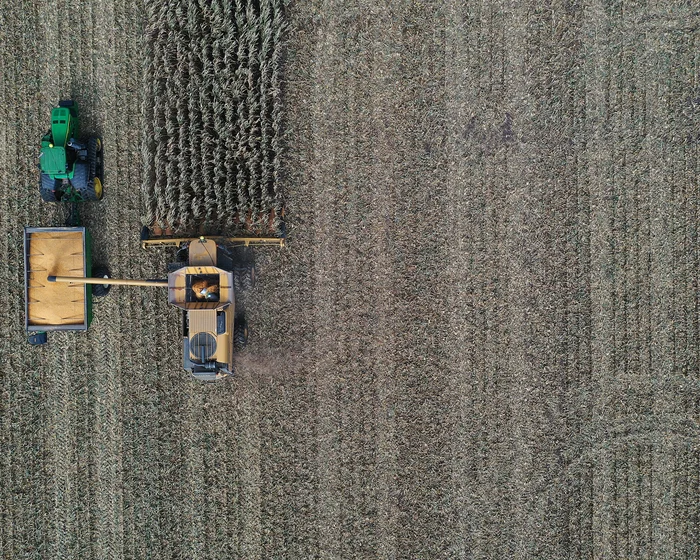
种植覆盖作物或多年生植物可以在潜在洪水中保护土壤。国会必须采取行动保护这些做法。随着预报员警告今年的厄尔尼诺可能成为有记录以来最强的,人们对其对农业和粮食安全的影响的担忧日益增加。
Planting cover crops or perennial plants can protect soil amid potential flooding. Congress must act to protect these practices As forecasters warn that this year’s El Niño could become the strongest on record, concerns are growing about its effect on agriculture and food security.
美国不会像中美洲和南美洲、加勒比海地区以及南部非洲那样受到如此严重的冲击,但恶劣天气可能导致该国部分地区出现显著的作物损失。
The United States will not be hit nearly as hard as Central and South America, the Caribbean, and southern Africa, but severe weather could cause significant crop loss in some parts of the country.
莱兹·卡莱尔是加州大学圣塔芭芭拉分校环境研究副教授。她是《治愈之地:气候、正义与再生农业的深厚根基》的作者,也是《活根:多年生食物的前景》的共同编辑。
Liz Carlisle is associate professor of Environmental Studies at UC Santa Barbara. She is the author of Healing Grounds: Climate, Justice, and the Deep Roots of Regenerative Farming and co-editor of Living Roots: The Promise of Perennial Foods