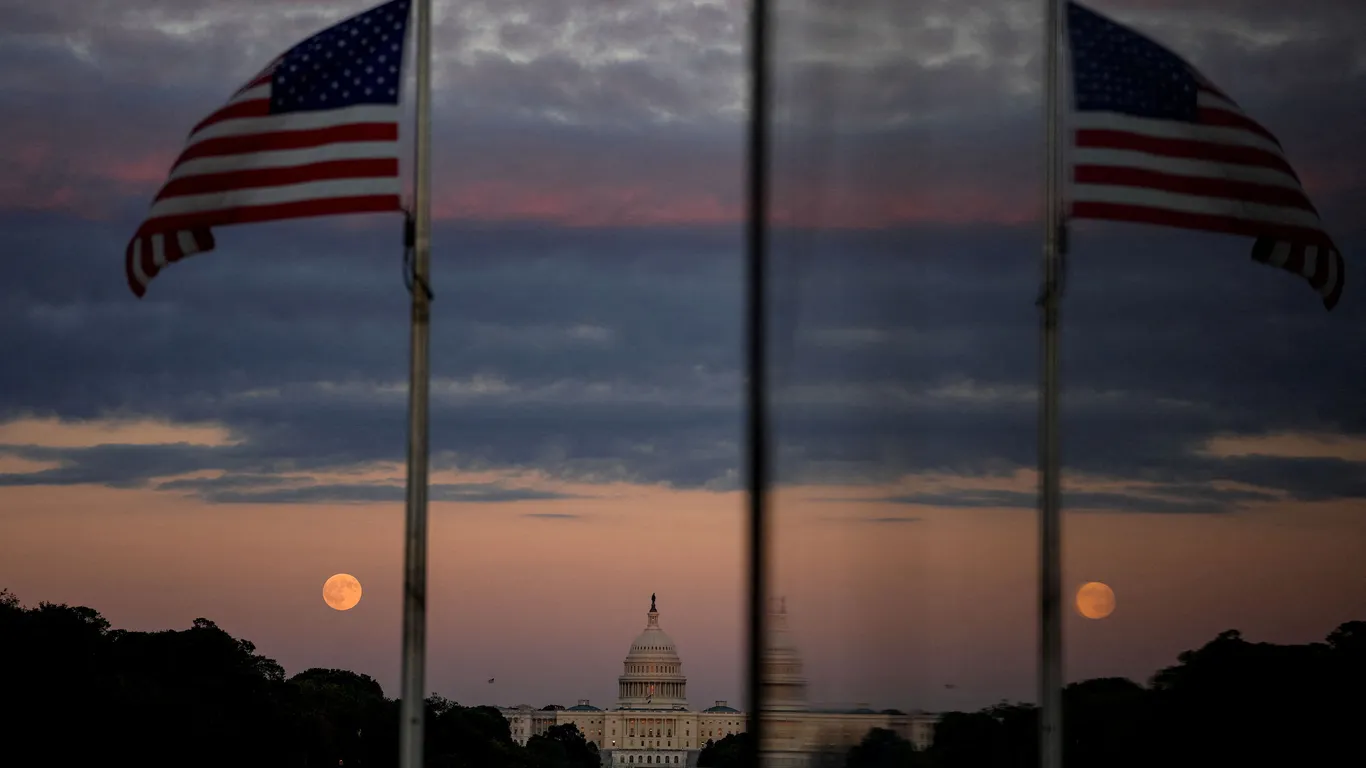
根据FGS Global对2027年华盛顿情景的草图,该草图首次与Axios分享,随着经济不满推动新一届国会,两党在中期选举后将面临更大压力,需要更多干预市场。
Both parties will be pressured to intervene more in markets after the midterms as economic frustration animates the new Congress, according to an FGS Global sketch of 2027 Washington scenarios, shared first with Axios.
为什么重要:在特朗普主导的华盛顿,国会放弃了大部分权力和影响力。如果民主党如预期般赢得众议院,甚至可能赢得参议院,这种情况将在本周二之后的三周内发生改变。
Why it matters: In a Trump-dominated Washington, Congress ceded much of its power and relevance. That'll change three weeks from Tuesday if Democrats win the House, as expected, and perhaps the Senate in the midterms.
新分析 FGS Global是一家面向全球客户的战略领导咨询公司,拥有众多大型客户。该报告是此前一份广受欢迎的FGS报告的续篇,吉姆·范德海(Jim VandeHei)和我曾以该报告为基础,在2024年大选前撰写了一系列热门的“幕后”专栏。
The new analysis a worldwide strategic leadership advisory with huge clients, is a sequel to a popular FGS report that Jim VandeHei and I used as the basis for a series of popular "Behind the Curtain" columns before the 2024 elections.
- FGS将《替代性未来:超越十一月》(Alternative Futures: Beyond November)定位为一个框架,用于应对即将到来的史诗级博弈:权力将如何被使用,两党将如何演变,以及商业领袖如何在这一不确定性中导航。
• FGS bills "Alternative Futures: Beyond November" as a framework for processing the epic battles ahead: how power will get used, how both parties will evolve, and how business leaders can navigate the uncertainty.
- 报告称:“2026年中期选举将开始——而非结束——一个为期27个月的异常高战略不确定性时期。”
• "The 2026 midterms will begin — not end — a 27-month period of unusually high strategic uncertainty," the report says.
聚焦: FGS合伙人兼北美地区联席主席迈克尔·费尔德曼(Michael Feldman)告诉我,对共和党而言,“干预可能意味着关税、产业政策、国内制造激励措施,以及其他旨在提升美国生产能力、经济安全和竞争力的措施。”
Zoom in: Michael Feldman— FGS partner and co-chairman, North America — tells me that for Republicans, "intervention may mean tariffs, industrial policy, domestic manufacturing incentives, and other measures aimed at strengthening U.S. production capacity, economic security, and competitiveness."
- “对民主党而言,干预可能意味着可负担性政策、劳工保护、反垄断执法,以及旨在降低成本、遏制企业集中权力和解决不平等的监管措施。”
• "For Democrats, intervention may mean affordability policies, labor protections, antitrust enforcement, plus regulation designed to reduce costs, curb concentrated corporate power and address inequality." • "Everyone is focused on who controls Congress," Feldman added.
- 费尔德曼补充道:“每个人都在关注谁控制国会。我们认为,对企业而言,更重要的问题是接下来会发生什么。中期选举是这一时期的开始,而非结束,这一时期将伴随着重大的政治和政策不确定性。”
"We think the more important question for business is what happens next. The midterms are the beginning, not the end, of a period of significant political and policy uncertainty." Left:
左图:众议院少数党领袖哈基姆·杰弗里斯(Hakeem Jeffries,民主党-纽约州)去年在新泽西州林登进行竞选活动。
House Minority Leader Hakeem Jeffries (D-N.Y.) campaigns in Linden, N.J., last year. Right: House Speaker Mike Johnson (R-La.) campaigns in Davenport, Iowa, last week.
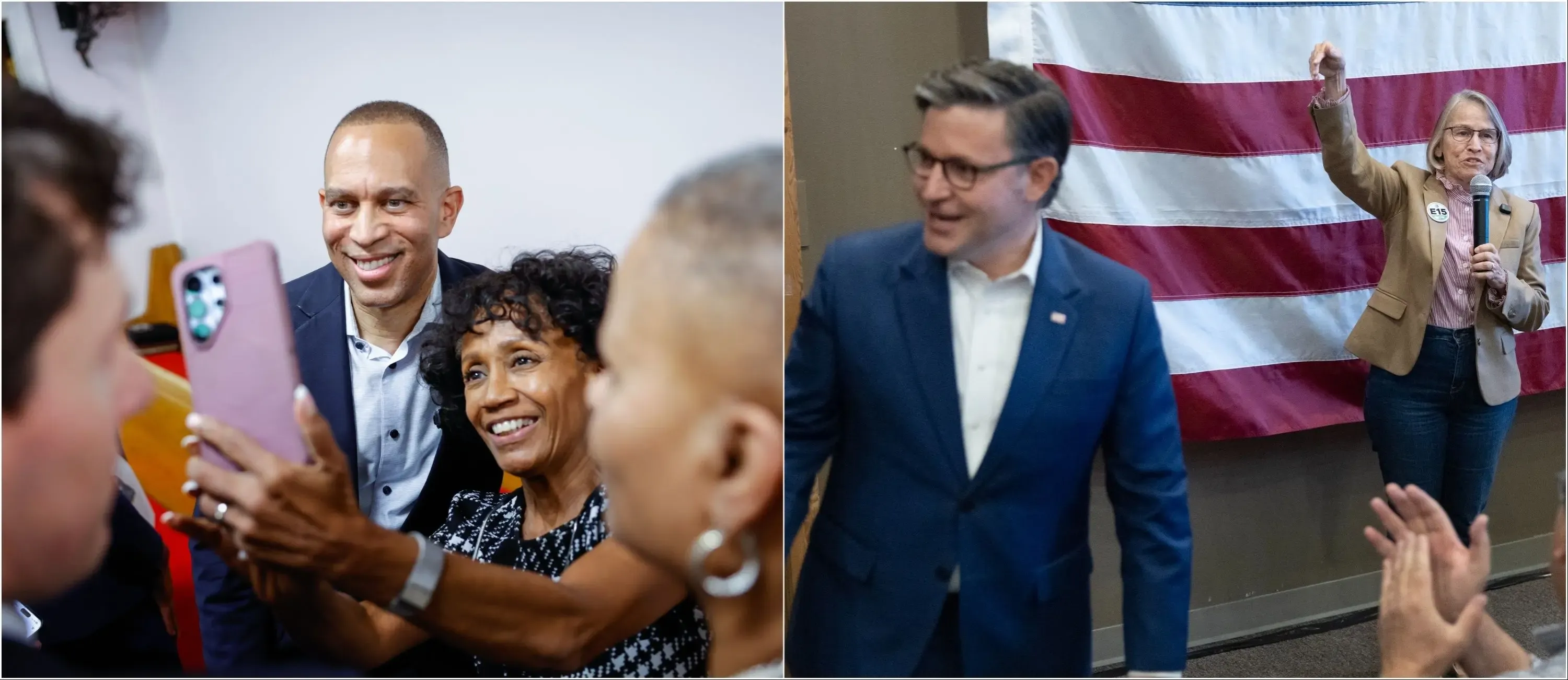
右图:众议院议长迈克·约翰逊(共和党-路易斯安那州)上周在爱荷华州达文波特进行竞选活动。照片:盖蒂图片社。FGS警告称,三大结构性转变将推动各类规模企业的中期选举后运营环境。
Photos: Getty Images Three structural shifts will drive the post-midterm operating environment for businesses of all sizes, FGS warns. • "Voter dissatisfaction may be the most important force pushing both parties away from established policy orthodoxies.
- “选民不满可能是推动两党远离既定政策正统性的最重要力量。情绪化的选民可能会推动两党在商业问题上采取更具民粹主义、干预主义且更难以预测的做法。”
A frustrated electorate could push both parties toward more populist, interventionist and less predictable approaches to business." • "Technological disruption could reshape the political agenda as profoundly as traditional partisan conflict.
- “技术颠覆可能像传统党派冲突一样深刻地重塑政治议程。人工智能及相关技术正成为一个政治变量——而不仅仅是特定行业的政策议题。”
AI and related technologies are becoming a political variable — not merely a sector-specific policy issue." • "Generational turnover will weaken established political assumptions even where ideology remains unchanged.
- “代际更迭将在意识形态未变的情况下削弱既有的政治假设。下一代领导人可能继承现有政党,但不会继承其关系、正统性或治理方式。”
The next generation of leaders may inherit existing parties without inheriting their relationships, orthodoxies or governing style." The bottom line:
结论:“分裂政府不一定意味着政治/立法风险降低,”FGS写道。“它可能意味着政策/政治冲突将以更难以预测的方式发展。”
"Divided government does not necessarily mean lower political/legislative risk," FGS writes. "It may mean that policy/political conflict moves in less predictable ways."