苏曼·奈沙达姆 休达,西班牙 — — 休达是北非的一块狭长土地,对西班牙而言是一个异常:一个穆斯林和基督徒人数几乎相当的城市。
SUMAN NAISHADHAM CEUTA, Spain — Ceuta, a sliver of land in North Africa, is an anomaly for Spain: a city where Muslims and Christians live in almost equal numbers.
但西班牙国王费利佩六世和王后莱蒂西亚将于周二访问的这个飞地,在数月的移民危机中暴露出了宗教和民族的裂痕,而这个自称为共存灯塔的地方如今却陷入危机。也有人表示,这些分裂一直存在。
But a monthslong migration crisis in the exclave, which Spain’s King Felipe VI and Queen Letizia will visit on Tuesday, has exposed religious and ethnic fault lines in a place that bills itself as a beacon of coexistence. Others say the divisions were always there.
危机的导火索是大约8万名人士在七月下旬因网络谣言称西班牙已开放边境而从邻国摩洛哥涌入西班牙飞地。虽然大多数过境者在几天内离开,但多达1.5万名移民滞留,导致城市承受压力,居民之间也产生了对立。
The crisis was triggered when about 80,000 people poured into the Spanish exclave in late July from neighboring Morocco, driven by rumors online that Spain had opened its border. Most of those who crossed left within days, but up to 15,000 migrants stayed , leaving the city under strain and pitting residents against one another.
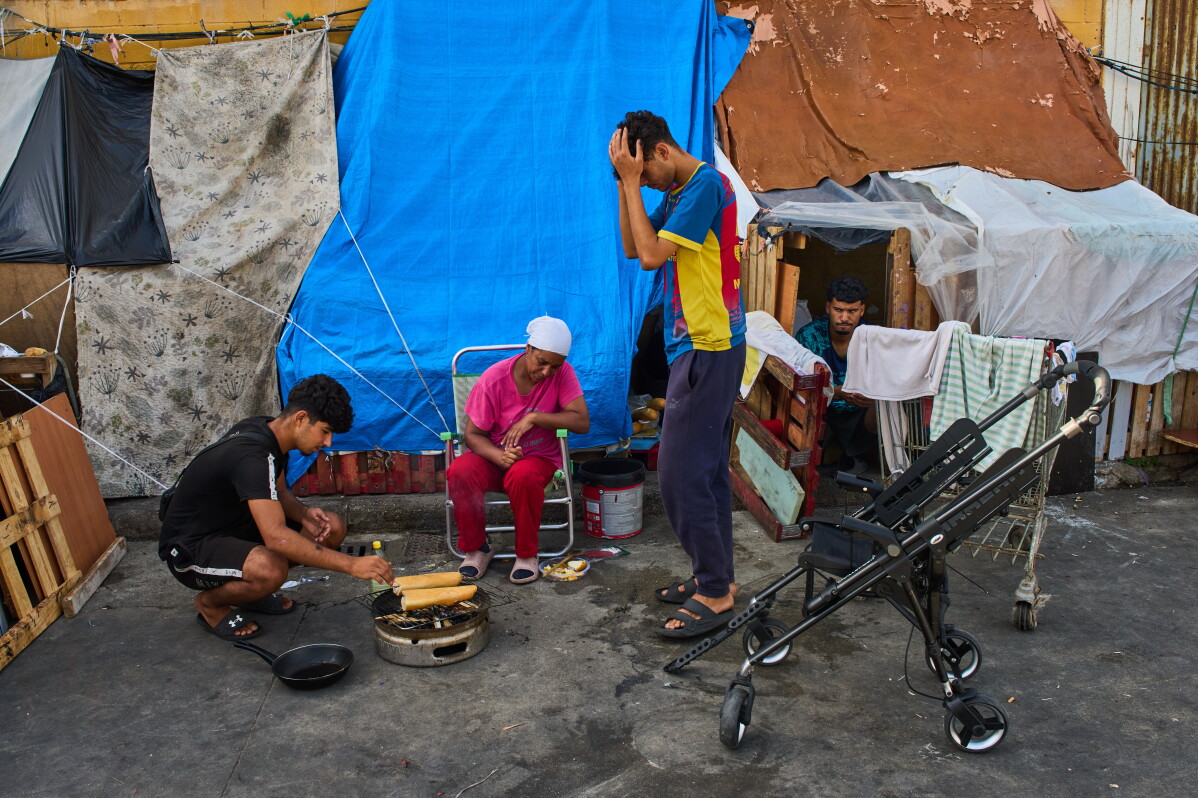
许多滞留在休达的移民藏身于穆斯林社区,在街道、门口以及由非政府组织和当地人运营的临时帐篷营地和中心过夜。居民表示,混乱局面对他们从未结束,且日益感到沮丧。
Many migrants who remained in Ceuta have sheltered in Muslim neighborhoods, sleeping on streets, in doorways and makeshift tent camps and centers run by NGOs and locals. Residents say the chaos never ended for them and have grown frustrated.
“他们到底想要什么?要我们喂饱整个休达吗?”穆斯林占多数的王子区居民穆罕默德·苏西在早些时候的十月这样说道。
“What do they want? That we feed all of Ceuta?” asked Mohamed Susi, a resident of El Principe, a Muslim-majority neighborhood, in early October.
在他家旁边的教堂前,数百名移民男孩在一位来访部长出现前聚集在一起。“赶紧找个解决办法吧!”苏西说着,用力关上了门。
Hundreds of migrant boys had gathered at a church next to his house before a visiting minister’s appearance. “Find a solution already!”Susi said, slamming the door shut.
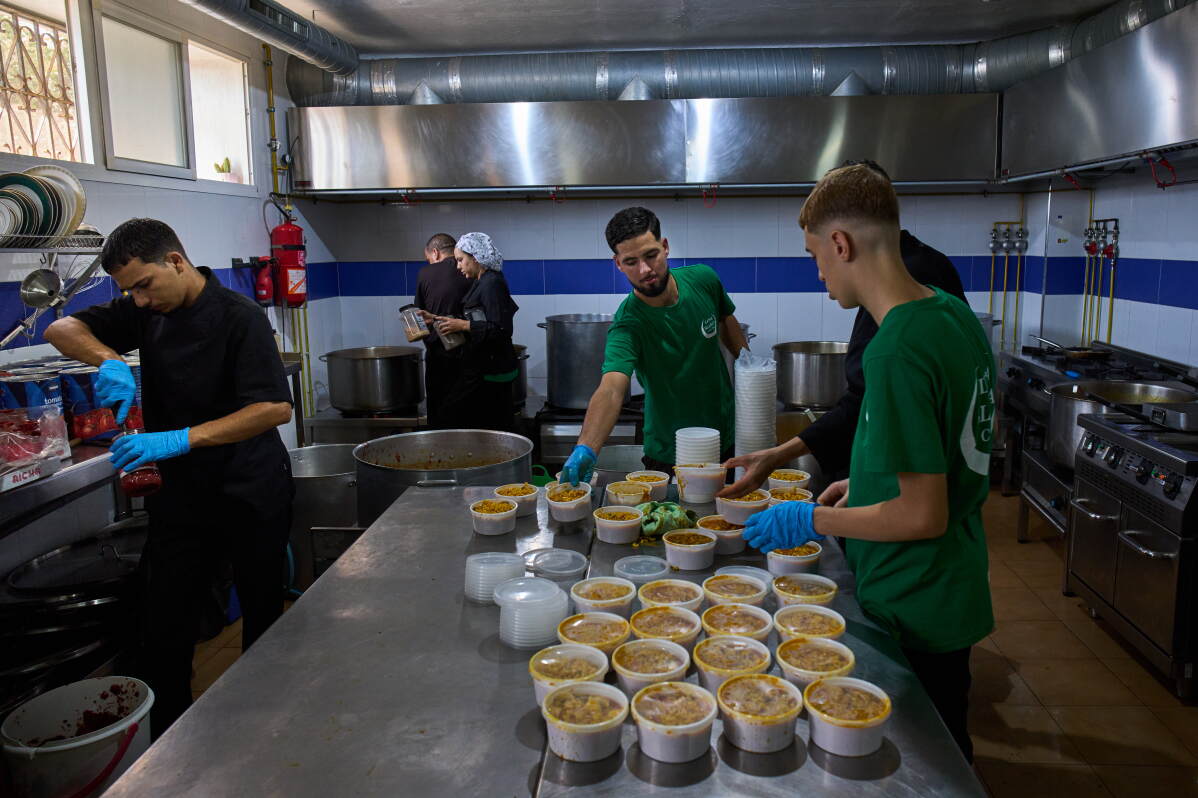
在城市主要清真寺旁边,穆斯林慈善机构的志愿者和工作人员在九月下旬的一天里,将炖好的扁豆和意大利面装进塑料外卖盒中。
Next to one of the city’s main mosques, volunteers and workers at a Muslim charity filled plastic to-go containers with stewed lentils and pasta on a late September day.
卢娜布兰卡慈善机构的发言人哈利玛·艾哈迈德表示,该机构每天向仍在城市中的移民分发3000至5000份餐食。她还说,志愿者和工作人员因此而受到威胁和辱骂。
Halima Ahmed, spokesperson for the Luna Blanca charity, said it has distributed between 3,000 and 5,000 meals per day to migrants still in the city. The volunteers and workers have received threats and insults for doing so, she said.
“局势很紧张,”艾哈迈德说,“人们已经对现状忍无可忍。”塞武塔的市中心经常有基督徒和穆斯林光顾,在最初的拥挤潮过去几天后,这里便恢复了常态。人们重返餐厅、酒吧和露天露台,商店也重新开业。但这座城市的不满情绪随处可见。商店门口挂着“塞武塔坚守阵地——塞武塔不会屈服!”的标语,西班牙和塞武塔的旗帜则悬挂在阳台上。
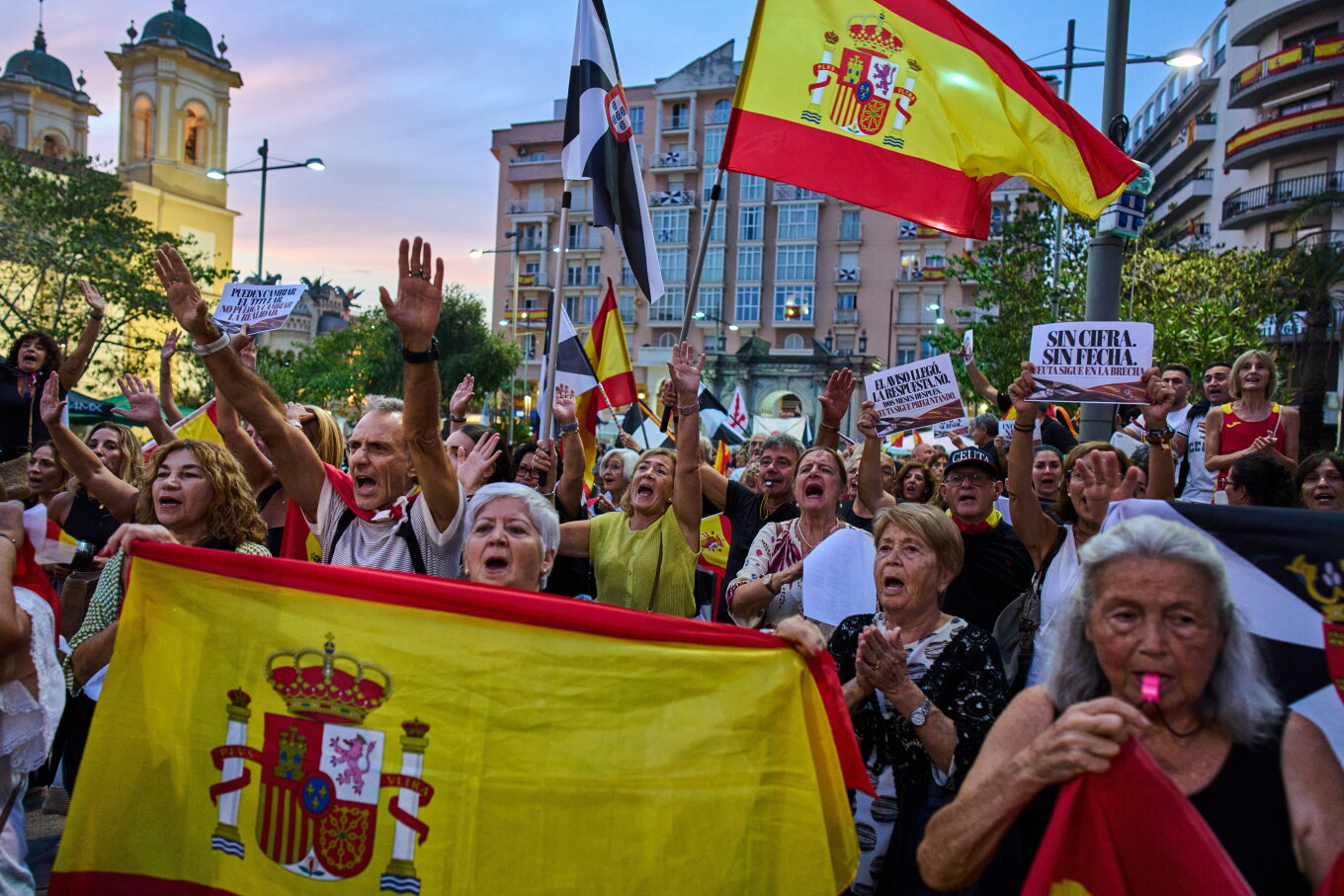
“There’s tension,” Ahmed said. “People are fed up with the situation.”Ceuta’s downtown, frequented by Christians and Muslims, regained a sense of normalcy within days of the initial rush. People returned to restaurants, bars and open-air terraces. Shops reopened. But signs of the city’s discontent abound. Storefronts carry signs that read: “Ceuta stands its ground — Ceuta won’t give up!” while the flags of Spain and Ceuta hang from balconies.
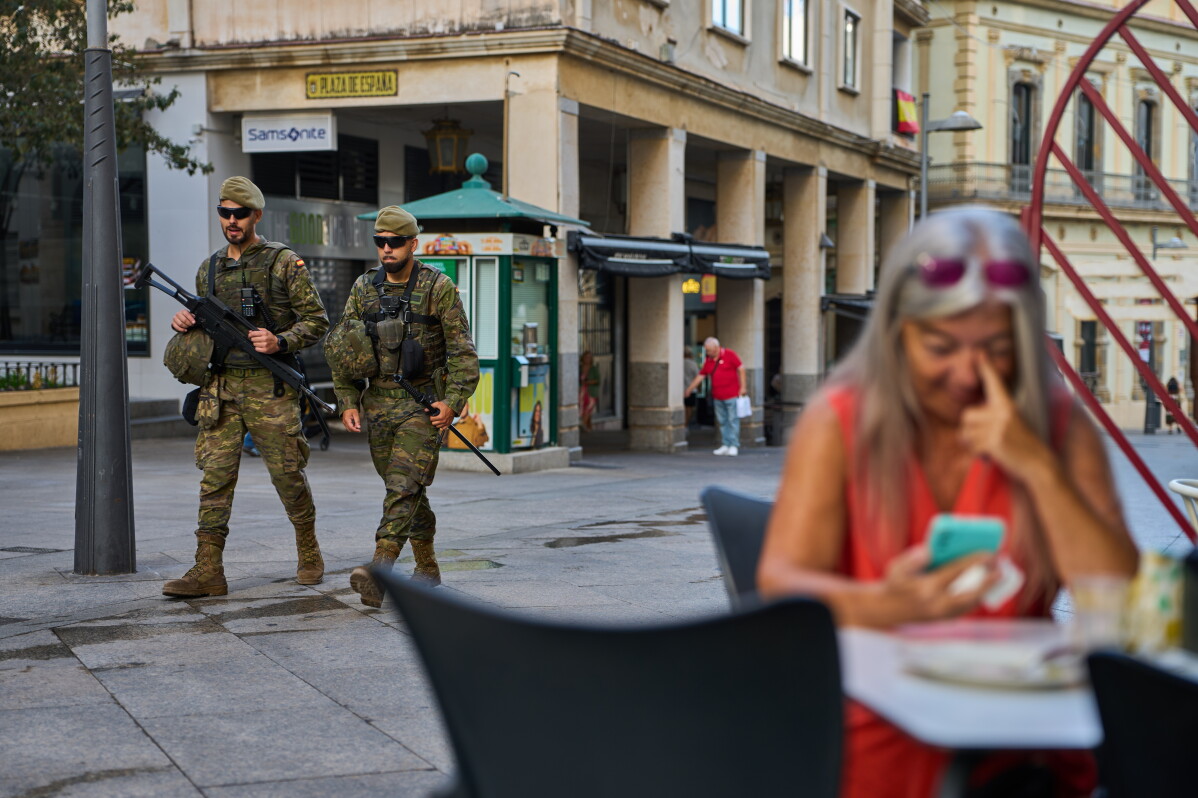
西班牙警方和数千名士兵已被部署到城中,在市中心及靠近边境的区域巡逻。
Spanish police and thousands of soldiers have been deployed, patrolling the city center and areas near the border.
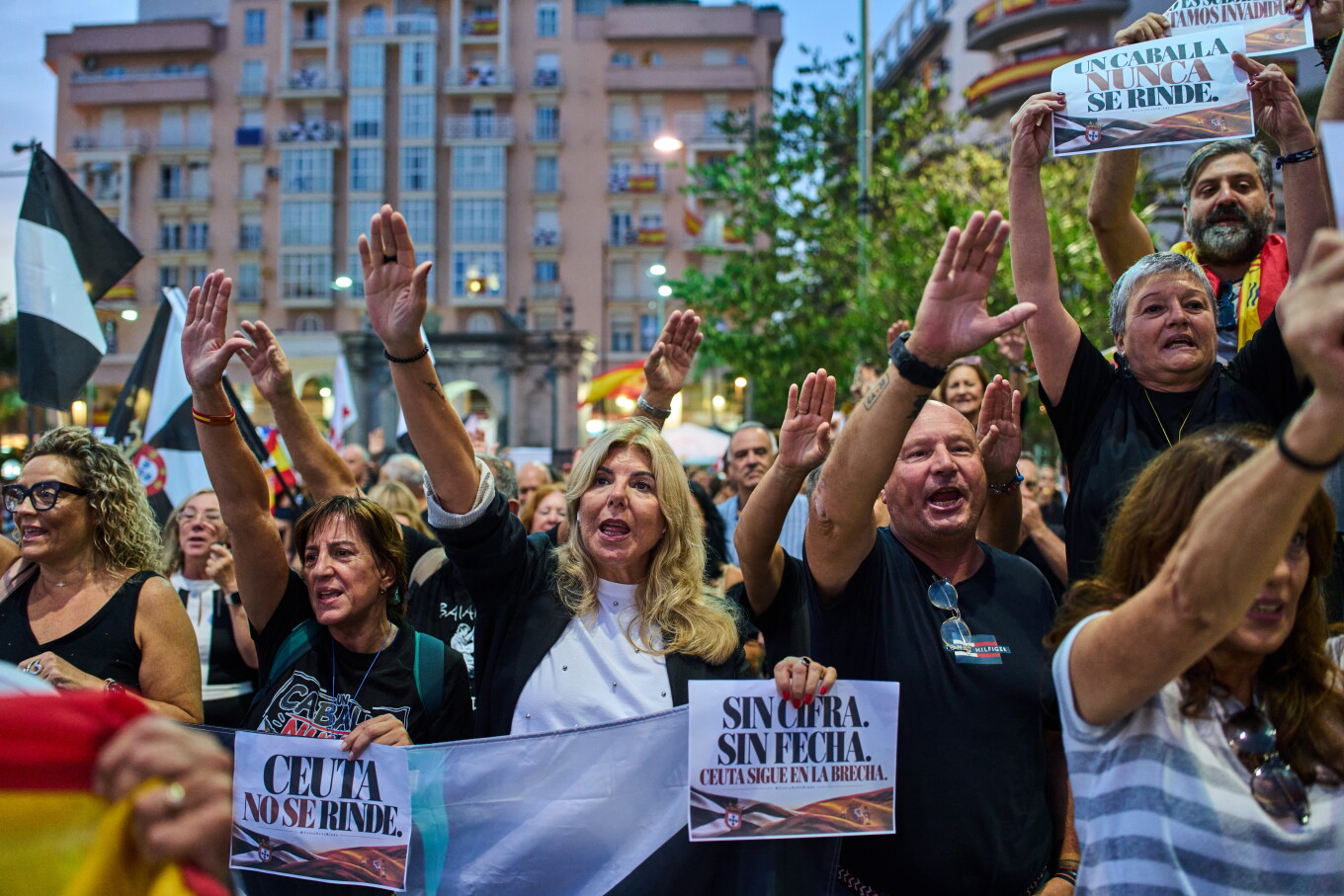
随着危机持续,居民们不断举行抗议活动。10月初,在市政府外举行的一次示威中,约200人要求西班牙左翼中央政府拿出解决方案。人们披上塞武塔的黑白旗帜,敲打锅碗瓢盆,表达对西班牙政府反应迟缓的不满。现场几乎没有人是穆斯林。
Residents have staged regular protests as the crisis persisted . At a demonstration outside the city government in early October, around 200 people demanded solutions from Spain’s left-wing national government. Men and women draped in Ceuta’s black-and-white flag banged on pots and pans and expressed their dissatisfaction with what they described as the Spanish government’s slow response . Very few of those in attendance, if any, were Muslim.
45岁的汽车修理店店主弗朗西斯科·卢纳表示,不同群体之间的共存关系已经变得紧张。他用一个词来形容当前的氛围:“糟糕。”他说,一些穆斯林正在保护移民,这让他开始质疑他们对塞武塔的忠诚度。
Francisco Luna, 45, the owner of an auto repair shop, said coexistence has been frayed. He described the atmosphere in one word: “terrible.”Some Muslims in the city are protecting migrants, he said, which made him question their loyalty to Ceuta.
“我们一直以来都相处得很好,”卢纳说,“穆斯林、基督徒、犹太人、印度教徒——我们从未有过任何问题。但现在,我确实看到了问题,因为有些穆斯林正在为来自摩洛哥的(移民)辩护。”塞武塔几个世纪以来都属于西班牙。其8.4万居民均为西班牙公民和欧盟公民。许多人来自西班牙本土,而城中大多数穆斯林则祖籍摩洛哥。他们中许多人仍与摩洛哥的亲人保持联系,并会说摩洛哥阿拉伯语。这座城市还有规模较小的犹太人和印度教徒群体。
“We have always lived together well,” Luna said. “Muslims, Christians, Jews, Hindus — we’ve never had any problems. But now, I do see it, because there are Muslims who defend the (migrants) from Morocco.”Ceuta has belonged to Spain for centuries. Its 84,000 residents are Spanish and European Union citizens. Many are from the mainland, while most of the city’s Muslims trace their roots to Morocco. Many have relatives there and speak Moroccan Arabic. The city has smaller Jewish and Hindu populations.
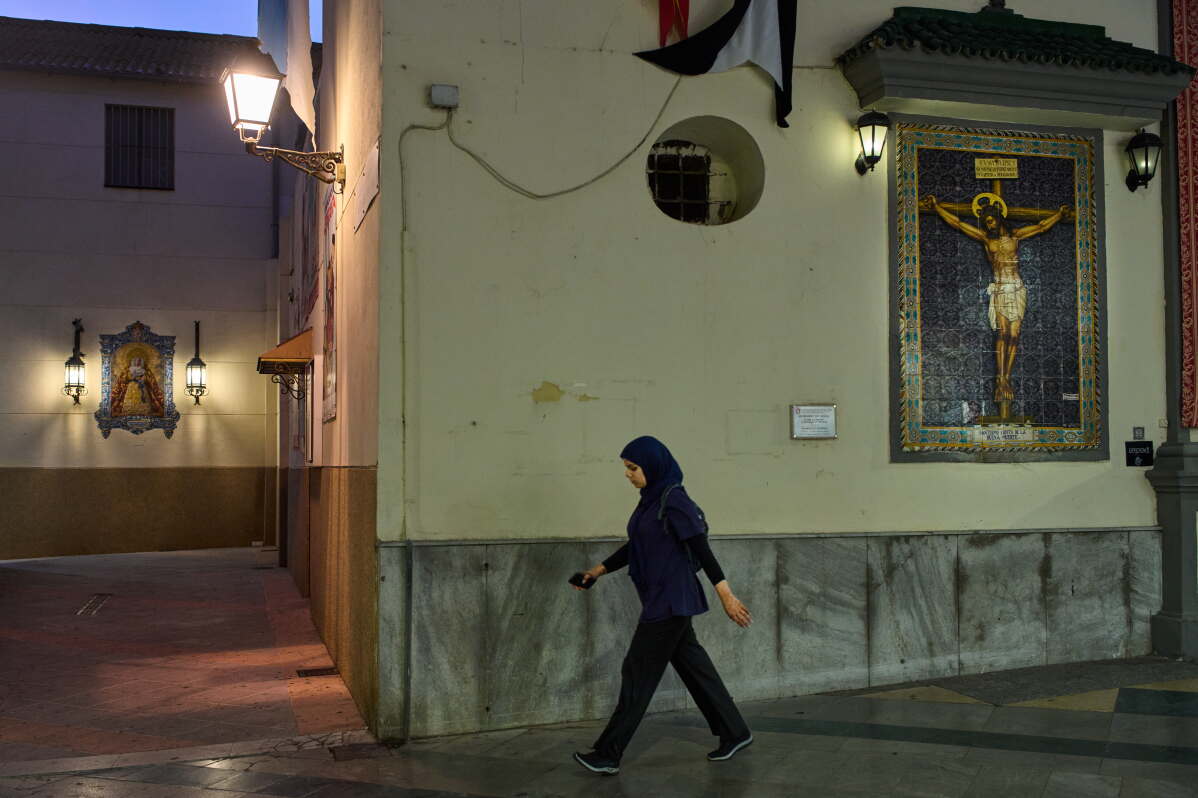
这块领土比西班牙大部分地区更贫穷,天主教慈善组织“加里塔斯”2025年发布的一份报告称,穆斯林的贫困率高于飞地的其他居民。报告指出,44%的穆斯林家庭处于边缘化状态,而全市总人口的这一比例为28%。
The territory is poorer than much of Spain, and Muslims experience higher rates of poverty compared to the rest of the exclave, a 2025 report published by the Catholic charitable organization Caritas said. It reported that 44% of Muslim households were marginalized, compared to 28% of the city’s overall population.
市郊一些以穆斯林为主的社区,街道狭窄陡峭、宛如迷宫,犯罪率较高。穆斯林和基督徒都会光顾市中心的商店、热闹的广场和宽阔的大道,但在穆斯林占多数的社区,不同群体之间的交融较少。
Some predominantly Muslim neighborhoods on the city’s peripheries, with narrow and steep mazelike streets, have high crime rates. Muslims and Christians frequent downtown shops, lively plazas and broad avenues, but the Muslim-majority neighborhoods see less mixing.
当地政界人士穆罕默德·穆斯塔法形容,这种分裂早于最近的边境危机。但他承认,危机让情况变得更糟。休达曾经历过多次边境移民潮,但今年夏天的这波是最致命的。
Local politician Mohamed Mustafa described the divisions as predating the most recent border crisis. But he acknowledged it has made things worse. Ceuta has lived through previous migrant surges at its border, but this summer’s was the deadliest.
“共存的形象是一场海市蜃楼,”穆斯塔法说。“这是一句旅游口号,但不反映现实。”周二,西班牙王室成员将出席在该市一座穆斯林公墓举行的仪式,悼念7月试图偷渡时死亡的140多名移民。数十名身份不明的移民葬于此。
“The image of coexistence is a mirage,” Mustafa said. “It’s a tourism slogan, but it doesn’t reflect reality.”On Tuesday, Spain’s royals will attend a ceremony at a Muslim cemetery in the city to memorialize the more than 140 migrants who died attempting to cross in July. Dozens of unidentified migrants were buried there.
随着危机延续至第三个月,休达居民在一点上达成共识:他们对这种局面感到厌倦。
As the crisis stretches into its third month, Ceuta’s residents agree on one thing: they are tired of the situation.
当移民在一处海滩搭建起大规模临时帐篷营地时,住在附近房屋里的埃米利奥·穆尼奥斯决定必须离开。
When migrants constructed a vast makeshift tent camp on a beach, Emilio Muñoz, who lives in a house close by, decided he needed to leave.
他在市政府门外支起帐篷抗议,要求采取行动,并开始在那里露宿。很快,十几人加入他,断断续续露宿了一个月,直到海滩边的帐篷营地被彻底拆除——西班牙警方将数千名移民带走。
He pitched a tent outside the city government to protest, demanding action, and began sleeping there, too. Soon, around a dozen others joined him, sleeping on and off for a month until the beachside tent camp was fully demolished when Spanish police removed a few thousand migrants.
穆尼奥斯说,他的示威不是为了嘲弄移民。“人们说这是闹剧,但我并不拿这种情况开玩笑。”他形容休达是一个不同宗教和族群共同工作、生活的城市,但也承认,某种东西已经受损。
Muñoz said his demonstration was not done to mock the migrants. “People say this is pantomime, but I don’t make light of the situation.”He described Ceuta as a city of different religious and ethnic groups working and living together, but acknowledged that something had been damaged.
“我确实看到存在分歧,”穆尼奥斯说,“但我们必须继续前进。”
“I do see a rift,” Muñoz said, “but we have to move forward.”