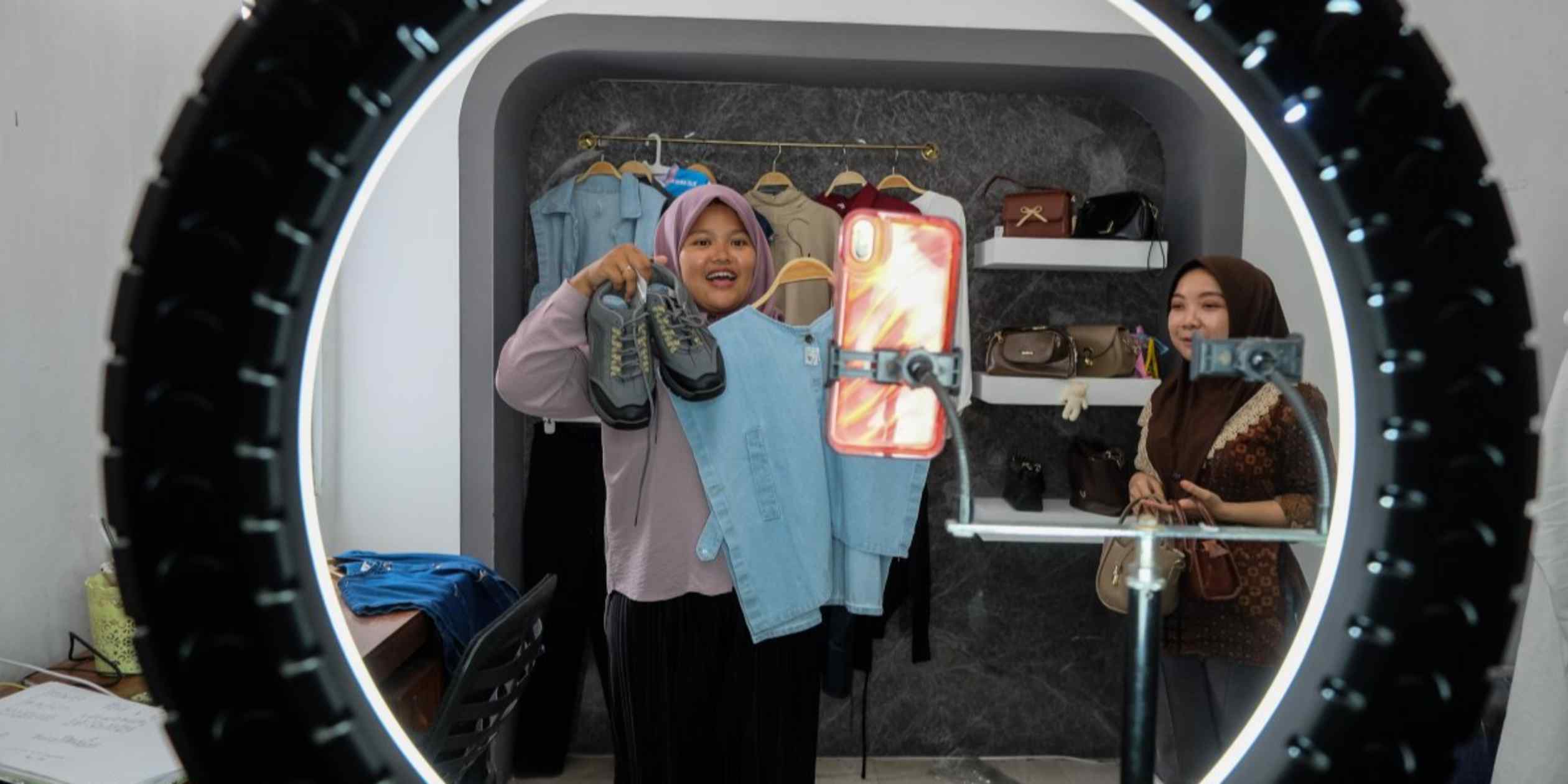
雅加达 — — 从最近实施的电子商务和“网红”税到计划对含糖饮料征收消费税,印度尼西亚正在扩大措施以增加税收收入,因为政府希望增加支出以实现总统普拉博沃·苏比安托雄心勃勃的经济增长目标。
JAKARTA -- From recently enforced ecommerce and "influencer" taxes to a planned excise duty on sugary drinks, Indonesia is extending measures to lift tax revenue as the government pushes to spend more to achieve President Prabowo Subianto's ambitious economic growth target.
众议院最近批准了2027年国家预算,据该预算,政府计划支出4106万亿卢比(2296亿美元),较今年计划增长7%。这发生在普拉博沃希望今年及明年实现6%经济增长之际,这一目标高于印度尼西亚过去十年大部分时间录得的约5%年均国内生产总值增长。
The House of Representatives recently endorsed the 2027 state budget, under which the government is looking to spend 4,106 trillion rupiah ($229.6 billion), up 7% from the current year's plans. This comes as Prabowo aims for 6% economic expansion this year and next, above the roughly 5% annual gross domestic product growth Indonesia has recorded for much of the past decade.
东南亚最大经济体的政府希望2027年财政收入增长9%,达到3435万亿卢比,以资助其支出计划,同时计划将预算赤字控制在国内生产总值的2.4%以下。预计约85%的收入目标将来自税收,包括关税和消费税。
The government of Southeast Asia's largest economy is shooting for a 9% increase in revenue to 3,435 trillion rupiah to finance its spending plans in 2027, while intending to keep the budget deficit low at 2.4% of GDP. Approximately 85% of the revenue target is expected to come from taxes, including customs and excise duties.
“我们不仅要加强[税收]征收,还要完善制度,发展良好的征收机制和执行力度,”财政部长苏阿哈西尔·纳扎拉上周对记者表示。
"We'll not only strengthen [tax] collections, but also improve the system and develop a good collection mechanism and enforcement," Finance Minister Suahasil Nazara told reporters last week.
纳扎拉于9月担任财政部长,他对该国长期偏低的税收占国内生产总值的比率表示担忧。经济合作与发展组织基于2024年数据的最新资料显示,印度尼西亚的该比率为11.8%,是亚洲最低的之一。
Nazara, who assumed the finance minister post in September, expressed concerns over the country's persistently low tax-to-GDP ratio. The latest data from the Organisation for Economic Co-operation and Development, based on 2024 figures, shows that Indonesia's ratio stood at 11.8%, one of Asia's lowest.
自2019年以来经过多次延迟,政府终于于10月1日实施了所谓的电子商务税,据此,虾皮、Tokopedia和Lazada等在线市场必须向商家征收等于其营业额0.5%的所得税。
After numerous delays since 2019, the government finally enforced the so-called e-commerce tax on Oct. 1, under which online marketplaces such as Shopee, Tokopedia and Lazada have to collect an income tax from merchants equal to 0.5% of their turnover.
只有年营业额超过5亿卢比的商家才需要缴纳该税。但事实上,收入较低的商家也被征税,政府则提供退税机制。
Only merchants with an annual turnover exceeding 500 million rupiah are required to pay the tax. But in practice, those earning less have been taxed, too, with the government offering a refund mechanism.
Fannisa Fitria 是 Shopee 上的一名服装卖家,她说该平台从她 10 月的销售额中开始扣除 0.5%,尽管她的年营业额低于 1 亿印尼盾。“今年肯定会低于[这个数额],”她对《日经亚洲》说,原因是销售额减少。
Fannisa Fitria, a clothes seller on Shopee, said the platform began deducting 0.5% from her October sales, despite her annual turnover being less than 100 million rupiah. "This year it will definitely be lower than [that]," she told Nikkei Asia, citing fewer sales.
Fitria 说她不明白如何办理退税。“我的记账仍然非常简单,”她指出。“我只有三名员工,全部按佣金兼职工作。这笔额外负担既影响我的收入,也影响他们的收入。”政府也在加大力度,从微型、小型和中型企业(MSMEs)那里征收更多税款。年营业额不超过 48 亿印尼盾的企业有资格享受营业额 0.5% 的简化最终所得税。然而,4 月生效的一项规定将 MSME 税收优惠的适用范围缩小到个人纳税人、一人公司和合作社。
Fitria said she did not understand how to process a refund. "My bookkeeping is still very simple," she noted. "I only have three employees, all working part time on commission. This additional burden affects both my income and their earnings." The government is also stepping up efforts to collect more tax from micro, small and medium-sized enterprises (MSMEs). Businesses with annual sales of up to 4.8 billion rupiah are eligible for a simplified final income tax of 0.5% on turnover. However, a regulation that took effect in April narrows eligibility for the MSME tax concession to individual taxpayers, one-person companies and cooperatives.
新设立的常规公司,包括村营企业,需适用标准的 22% 企业所得税税率,尽管一些较小的企业可能符合降低税率的条件。税务官员表示,这些限制旨在防止大型企业将业务拆分成较小的实体以获取优惠。
Newlyed regular companies, including village-owned enterprises, are subject to the standard 22% corporate income tax regime, although some smaller businesses may qualify for a reduced rate. Tax officials said the restrictions are intended to prevent larger businesses from splitting their operations into smaller entities to qualify for the concession.
财政部税务总局公共教育者 Imam Ruly 表示,受影响的人群包括在线“网红、博主和视频博主”,他们……不再有资格享受 0.5% 的税率。相反,他们现在必须遵守常规税收制度。在印度尼西亚,个人所得税税率从 5% 到 35%。
Imam Ruly, a public educator at the Finance Ministry's directorate general for taxation, said among those affected are online "influencers, bloggers and vloggers, who are ... no longer eligible" for the 0.5% tariff. Instead, they now must comply with the regular tax regime. In Indonesia, personal income tax rates range from 5% to 35%.
印尼中小企业协会秘书长埃迪·米塞罗(Edy Misero)建议小型线上企业将新的税收抵扣视为一种预留资金的方式,以便日后可以追回用于支持运营。他表示,许多协会成员已较好地适应了新规,尽管账务处理仍是部分企业的顾虑。米塞罗在接受《日经亚洲》采访时说:“我们把税收贡献视为作为经济主体的义务。”但也有人担忧。
Edy Misero, secretary general of the Indonesian MSME Association, advises small online businesses to treat the new tax deductions as a way to set aside money that they could reclaim later to support operations. He said many association members adapted to the new rules well, although bookkeeping remained a concern for some. "We recognize tax contributions as an obligation for us as economic actors," Misero told Nikkei Asia. But others are concerned.
印尼雇主协会主席辛塔·卡姆达尼(Shinta Kamdani)表示,企业获得退款的难度正在加大,而“我们有权立即获得报销”。她断言,退款延迟正在扰乱公司现金流,而此时企业正面临需求下降的局面。
Shinta Kamdani, chair of the Indonesian Employers Association, said it was becoming more difficult for businesses to get refunds, when it is "our right to immediately get reimbursed." She asserted that refund delays are disrupting companies' cash flows at a time when they are already dealing with declining demand.
卡姆达尼建议通过税收激励帮助中等收入群体恢复购买力。此举正值政府正在考虑将最低应税个人月收入从约450万卢比上调至1000万卢比之际。
Kamdani suggested tax incentives to help the middle-income class regain their purchasing power. This comes as the government mulls increasing the minimum taxable personal monthly income from roughly 4.5 million rupiah to 10 million rupiah.
财政部上周五公布,2024年1月至9月税收收入为1,607.6万亿卢比,同比增长24%,相当于2026年全年目标的68%。
The Finance Ministry last Friday reported 1,607.6 trillion rupiah in tax collections from January to September, a 24% increase from the same period last year. That represents 68% of the full-year 2026 target.
部门官员和分析人士将税收增长部分归因于Coretax数字税务报告系统的改进——该系统去年推出时出现波折,导致税收下降——以及印尼主要出口商品价格的上涨。
Ministry officials and analysts attributed the jump partly to improvements in the Coretax digital tax reporting system -- which last year saw a rocky rollout, causing a drop in tax revenue -- and rising prices of major Indonesian export commodities.
然而,退款延迟也是一个因素。财政部数据显示,2024年1月至9月税款退款支付额为198.7万亿卢比,同比下降38%。
However, refund delays is another contributing factor. Ministry data shows 198.7 trillion rupiah in tax refund payments in the January-September period, a 38% year-on-year drop.
“如果退款被延迟,收入看起来会更高,尽管其中部分资金依法应归属于纳税人,”改革经济中心(Center of Reform on Economics)经济学家尤素福·马尼莱特(Yusuf Manilet)说。
"If refunds are delayed, revenue appears higher even though some of those funds are legally owed to taxpayers," said Yusuf Manilet, an economist at the Center of Reform on Economics.
印尼税收分析中心研究部负责人法吉·阿克巴尔表示,为了完成收入目标的压力可能促使税务部门推迟退税,并加大对已经履行税务义务企业的审查力度。他说,这种情况正导致“企业界产生焦虑”。与此同时,政府正准备在2027年下半年对含糖饮料征收消费税,并考虑允许国内所有卷烟生产商合法经营,以便征收更多卷烟税。
Fajry Akbar, head of research at the Center for Indonesia Taxation Analysis, said pressures to meet revenue targets might have encouraged tax authorities to delay refunds and intensify scrutiny into businesses that already met their tax obligations. He said this situation is causing "anxiety among the business communities." Meanwhile, the government is preparing to impose excise duties on sugary drinks in the second half of 2027, as well as considering allowing all cigarette manufacturers in the country to operate legally, in order to collect more cigarette tax.