
女性表示,尽管面临社会压力和安全担忧,她们仍分享遭受虐待的故事,以引起人们对该问题的关注。
Women say they share stories of abuse to highlight the issue, despite social pressure and safety fears.
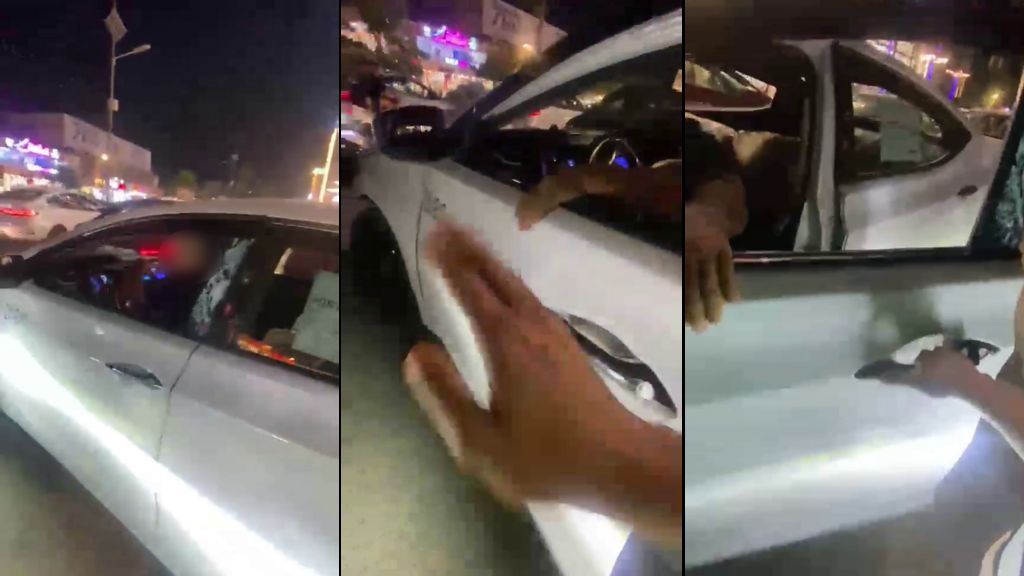
萨利·纳比尔(Sally Nabil)报道 本报道包含部分读者可能会感到不安的性暴力细节“下车!”一名女子尖叫道,指控一名司机在她路过时露出下体并发表淫秽评论。她正用手机拍摄巴格达一条繁华街道上的这一场景,镜头记录下在她与他对质时,他反抗她试图开车门的举动。
By Sally Nabil This story contains details of sexual violence which some readers may find upsetting "Get out of the car!" screams a woman, accusing a driver of exposing himself and making obscene comments as she walked by. She is filming the scene in a busy Baghdad street on her phone, and the camera captures him resisting her attempts to open the door as she confronts him.
这段视频以及其他类似的视频,可以在伊拉克女性权益活动人士萨拉·贾西姆(Sarah Jassim)的Instagram页面上看到。她代为发布这些视频,视频内容是女性投诉遭到伊拉克成年男子和男孩的性虐待与骚扰。
The video can be seen, with others like it, on the Instagram page of Iraqi women's rights activist Sarah Jassim. She posts them on behalf of women who complain about sexual abuse and harassment by Iraqi men and boys.
她对BBC表示:“你的相机就是你的武器。如果女性决定起诉骚扰者,这是记录证据的一种方式,或者至少是一种羞辱他的手段。”她说,她发布的一段视频促使警方逮捕了一名涉嫌作案的嫌疑人,该嫌疑人是一名被控骚扰女学生的警察。
"Your camera is your weapon," she tells the BBC. "It's a way to document evidence in case a woman decides to sue her harasser, or at least it is a means to shame him." One of the videos she posted led to the arrest of the alleged perpetrator, a policeman accused of harassing schoolgirls, she says.
贾西姆表示,发布这些视频对她自己和相关女性来说都存在风险。我们采访了伊拉克的多名性虐待受害者,她们表示社会往往会指责受害者。
Jassim says posting the videos is risky both for herself and for the women concerned. We have spoken to numerous victims of sexual abuse in Iraq who say that society often blames the victim.
贾西姆说:“我收到过死亡威胁,还受到过泼强酸的威胁。我被指控煽害公众猥亵,因为在一个期望我们保持沉默的社会里,我鼓励女性发声。”为了自身安全,她现在几乎从不出门,而是花数小时跟自己的狗玩耍。
"I have received death threats, and I have also been threatened with acid attacks," Jassim says. "I have been accused of inciting public indecency, because I encourage women to speak in a society that expects us to be silent." She now barely leaves home, for her own safety, and instead spends hours playing with her dog.
她认为,有必要制定更严格的法律,包括明确将“骚扰”和“基于性别的暴力”定为刑事犯罪的法律——这些术语目前在刑法典中并不存在。
There is a need for stricter laws, she argues, including laws that explicitly criminalise "harassment" and "gender-based violence" - terms that are currently absent from the penal code.
她说:“承认问题是解决问题的最佳途径。我们需要保护,必须对施暴者形成威慑。”“如果我杀了你,没有人会听到”许多伊拉克女性告诉BBC,她们感到司法和警察系统让她们失望了。根据我们采访的多名活动人士和律师的说法,在伊拉克,对骚扰者或强奸者采取法律行动是一条漫长的道路,程序复杂,结果难以预测。
"Recognising the problem is the best way to address it," she says. "We need protection, abusers have to be deterred." 'No-one will hear if I kill you' Many Iraqi women have told the BBC they felt failed by the justice and police systems. Pursuing legal action against a harasser or a rapist is a long path in Iraq, with complicated procedures, and uncertain results, according to a number of activists and lawyers we have spoken to.
根据联合国消除对妇女歧视委员会5月的一份报告,伊拉克针对妇女和女童的暴力行为“普遍存在且未得到充分报道”,该报告呼吁制定更严格的立法。
Violence against women and girls in Iraq is "widespread and under-reported," according to a report in May by a UN committee on discrimination against women, which called for stronger legislation.
在数十项建议中,该委员会敦促当局废除那些具有“歧视性”的法律:这些法律允许强奸犯通过与受害人结婚来免除罪责,并允许在行凶者实施所谓“荣誉谋杀”的情况下对其减刑。
Among dozens of recommendations, it urged the authorities to repeal "discriminatory" laws that exonerate rapists if they marry their victims, and allow reduced sentences for murder in cases where a perpetrator was carrying out a so-called "honour killing".
阿迈勒(化名)已经在法庭上抗争了大约五年。她指控前夫持枪多次强奸他们的女儿——事发时女儿未满18岁。
Amal - not her real name - has been battling in court for about five years. She accuses her ex-husband of repeatedly raping their daughter - who was under 18 at the time - at gunpoint.
她回忆了女儿对这起事件的悲惨描述,据她所说,当时这位父亲走进了女孩的房间,把武器放在她的床上。她说,前夫曾对女儿说:“如果我杀了你,没有人会听到。”在伊拉克,性虐待长期以来一直被视为一个禁忌话题。我接触过许多幸存者,她们表示由于可能遭到家庭的反弹,宁愿将事情压下来。另一些人则告诉我们,她们害怕去警察局,因为担心社会污名和可能面临的骚扰。但阿迈勒决心寻求正义,并冲向警察局报案。
She recalls her daughter's harrowing account of the incident, when she says the father walked into the girl's room and laid his weapon on her bed. She says he told her: "No-one will hear you if I kill you." Sexual abuse has long been seen as a taboo subject in Iraq. I have been in touch with many survivors who say that they prefer to hush it up, because of a potential family backlash. Others told us they were afraid to go to the police, for fear of social stigma and possible harassment. But Amal was determined to seek justice and rushed to police to report the incident.
阿迈勒说:“她的手腕周围有很多瘀伤,因为他紧紧抓着她的手。每当她试图尖叫时,他就会用双手捂住她的嘴。”阿迈勒向我展示了医疗文件,包括支持她说法的DNA证据。
"She had lots of bruises around her wrists, as he held her hands tight. Whenever she tried to scream, he would cover her mouth with his hands," Amal says. Amal showed me medical documents, including DNA evidence, which support her account.
阿迈勒表示,前夫的残忍得到了进一步的印证,当时她听见前夫对一名家庭成员说,如果他被捕,就要“洗刷我们的耻辱”。这句话在伊拉克用来指代所谓的荣誉谋杀——这是在人们相信女性损害了家族声誉的情况下实施的。
A further demonstration of her ex-husband's cruelty came, Amal says, when she heard him tell a family member to "wash off our disgrace" if he was arrested. The expression is used in Iraq to refer to so-called honour killings - carried out in the belief that a woman has compromised a family's reputation.
阿迈勒说,她相信这位父亲曾威胁要结束他女儿的生命,“这样就不会公布医疗报告,也不会证实这起袭击”。她说她的前夫正在逃亡,案件仍在审理中。
Amal says she believes the father threatened to put an end to his daughter's life "so the medical report would not be released and the assault would not be proven". She says her ex-husband is on the run and the court case remains open.
“我孤军奋战,”阿迈勒突然泪流满面地说,她的前夫请了好几名律师,而她却请不起法律代表,她的家人也对此视而不见。
"I fought all alone," says Amal, bursting into tears as she says her ex-husband hired several lawyers but she could not afford legal representation, and her family turned a blind eye to the situation.
她对法院会做出对她有利的裁决不再抱有任何信心。“我只希望他永远别来烦我,”她带着绝望的叹息说道。活动人士遇害阿迈勒的女儿比伊拉克其他遭受过家庭性虐待的女性要幸运一些,因为她有一个安全的地方居住。
She no longer has any faith that a court ruling will come in her favour. "I just want him to stay out of my way forever," she says, with a sigh of despair. Activist killed Amal's daughter is more fortunate than some women who have experienced domestic sexual abuse in Iraq, as she has a safe place to live.
许多幸存者没有独立的收入,也无处可去。伊拉克极少有针对受虐女性的庇护所。
Many survivors have no independent income and nowhere to go. Iraq has very few shelters for abused women.
我们所知道的那些庇护所是由亚纳尔·穆罕默德参与创立的一个组织建立的,她是一位国际知名的女性权益倡导者。去年三月,她在巴格达的住所外被武装人员谋杀。凶手仍然身份不明。
Those we know of were established by an organisation co-founded by Yanar Mohammed, an internationally recognised women's rights advocate. Last March she was murdered outside her house in Baghdad by armed men. The perpetrators are still unknown.
联合国人权理事会的专家们在四月写道,穆罕默德多年来一直收到死亡威胁和网络虐待,这些威胁和虐待“被认为来自极端主义宗教民兵”。
Experts working for the UN Human Rights Council wrote in April that Mohammed had been receiving death threats and online abuse for years, which were "believed to come from extremist religious militia".
活动人士多次告诉我们,近年来针对他们同事的有针对性袭击一直在增加。
Activists repeatedly told us that targeted attacks on their colleagues have been on the rise in recent years.
另一位杰出的女性权益活动人士哈纳·爱德华表示,就在穆罕默德遇害两天前,她还见过对方。她说自己也曾受到威胁。
Hanaa Edwar, another prominent women's rights activist, says she saw Mohammed just two days before she was killed. She says she has also been threatened.
“在伊拉克,女性没有法律,没有保护,也没有正义,”她对我说。
"There are no laws, no protection, and no justice for women in Iraq," she tells me.
伊拉克人权观察组织负责人穆斯塔法·萨多恩对英国广播公司(BBC)表示:“伊拉克的问题不在于女性保持沉默,而在于当她们发声时,体制内的各项机制几乎都无法真正倾听。”
"The problem in Iraq is not that women stay silent. It is that when they speak, very little in the system is built to listen, Mustafa Saadoon, head of the Iraqi Observatory for Human Rights, tells the BBC.
“一个举报性暴力的女性首先得过家人这一关,然后是警察局,接着是法院,而在每一道门槛前,都可能有人劝她私了。”“被汽车尾随”在那些表示对该体制感到失望的伊拉克女性中,萨米拉(Samira——化名)便是其中之一。
"A woman who reports sexual violence has to get past her family first, then a police station, then a court, and at every one of those doors someone is likely to tell her to settle it quietly." 'Followed in a car' Among the Iraqi women who say they feel failed by the system is Samira - not her real name.
她告诉英国广播公司,在经历了一再的骚扰后,走在街上让她感到精神高度紧绷。
She tells the BBC that walking in the street puts her on the edge, after repeated harassments.
她称,有一次在公共交通工具上,一名男子“在手机上看着色情电影,并把它凑到我的脸前”。
Once, she says a man "was watching a porn movie on his phone and put it in my face" on public transport.
她讲述了在巴格达发生的另一次事件,当时一名男子开着车尾随了她10多分钟。“这极其令人心烦意乱……我看到了一辆警车,便走过去把发生的事情告诉了他们。他们说他们无权采取任何行动。”尽管母亲慈爱且支持她,但萨米拉并没有将任何遭遇性骚扰的事情告诉母亲。“如果我告诉家人,他们会立刻要求我不要出门以保安全,”她说。
In another incident in Baghdad, she says a man once followed her in his car for over 10 minutes. "It was extremely upsetting... I saw a police car. I went over and told them what had happened. They said they didn't have the authority to do anything." Although her mother is loving and supportive, Samira does not share any stories of sexual harassment with her. "If I tell my family, they will immediately ask me not to leave home in order to stay safe," she says.
她已经对国家机构失去了信心:“许多男性,包括警官在内,觉得性骚扰没什么大不了的。如果你不是一个骚扰者,你就不算是个男人,他们就是这么看的,”她补充道。
She has lost faith in state institutions: "Many men, including police officers, find nothing wrong with sexual harassment. If you are not a harasser, you are not a man, this is how they see it," she adds.
我在伊拉克交谈过的许多女性甚至指责警察实施性骚扰。我将这一指控转达给了伊拉克内政部发言人穆克达德·米里。
Many women I spoke to in Iraq even accused police of sexual harassment. I put the accusation to Muqdad Miri, a spokesman for Iraq's interior ministry.
米里表示:“涉及警务人员的骚扰案件虽有发生,但数量极少。他们会受到非常严厉的惩罚,最高可判处10年监禁并被开除。”
"Cases of harassment involving police personnel happen but they are very few. They get a very harsh punishment, up to 10 years in prison and are dismissed," says Miri.
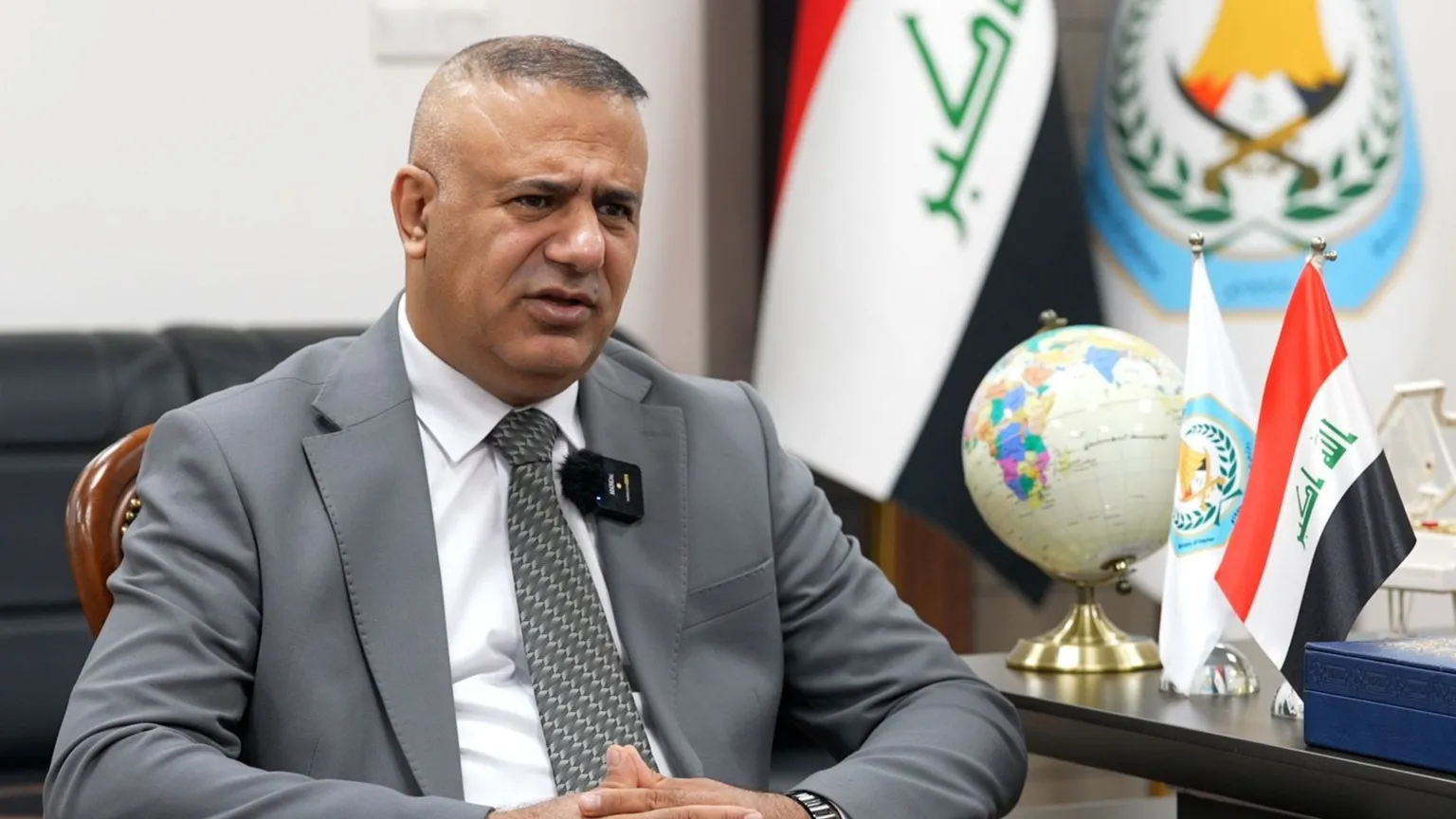
我向他提出,一些女性现在正在社交媒体上记录骚扰行为,因为她们害怕向警方报案。他说,她们在社交媒体上发帖是因为这比正式报案更容易,而且这样做已经成为引起人们对某一诉求关注的常见方式。
I put it to him that some women were now documenting harassment on social media because they were afraid to report it to police. He said they were posting on social media because it was easier than filing an official report, and because doing so has become a common way to draw attention to a cause.
我还向他提及了萨米拉(Samira)的经历,她称曾有一名警官对她说,他无权制止骚扰。米里(Miri)表示,萨米拉本可以针对这名警官提起投诉。
I also put to him Samira's experience, in which she says an officer told her that he had no authority to stop harassment. Miri said Samira could have filed a complaint against this officer.
伊拉克没有关于性暴力或骚扰的可靠统计数据。米里告诉我,自今年年初以来,警方已接到约300起性暴力报案。然而,他也承认实际案件数量更高:“由于社会、习俗和传统,许多案件从未到达警方那里。”BBC采访的女性的故事勾勒出了一幅图景,她们不仅在与性暴力本身作斗争,还在与根深蒂固、使其得以持续的思维方式和社会观念作斗争。
There are no reliable statistics for sexual violence or harassment in Iraq. Miri told me that police have received about 300 reports of sexual violence since the beginning of the year. However, he accepts that the real number of cases is higher: "Many cases never reach the police because of society, customs and traditions." The stories of the women the BBC spoke to draw a picture of their battle not just against sexual violence itself, but against deeply entrenched mentalities and social beliefs that allow it to persist.
埃德瓦(Edwar)为女性事业维权已超过50年,她的评估令人沮丧:“在萨达姆·侯赛因政权被推翻23年之后,我们在女性权利方面似乎正在倒退。”但她和贾西姆(Jassim)都表示,他们拒绝放弃:“如果我们所有人都感到害怕,那就没有人会改变任何事情,”萨拉(Sarah)说。
Edwar has been advocating for women's causes for over 50 years and her assessment is gloomy: "Twenty-three years after Saddam Hussein's regime was brought down, it seems we are going backwards regarding women's rights." But both she and Jassim say they refuse to give up: "If all of us are going to get scared, no-one will change anything," says Sarah.
如果您曾受到性虐待和性暴力相关问题的困扰,您可以向医疗专业人员或提供支持的机构寻求帮助。英国境内为人们提供建议和支持的机构的详细信息可从BBC行动热线(BBC Action Line)获取。
If you have been affected by issues involving sexual abuse and violence, you could speak to a health professional or an organisation that offers support. Details of organisations offering advice and support for people in the UK are available from BBC Action Line.