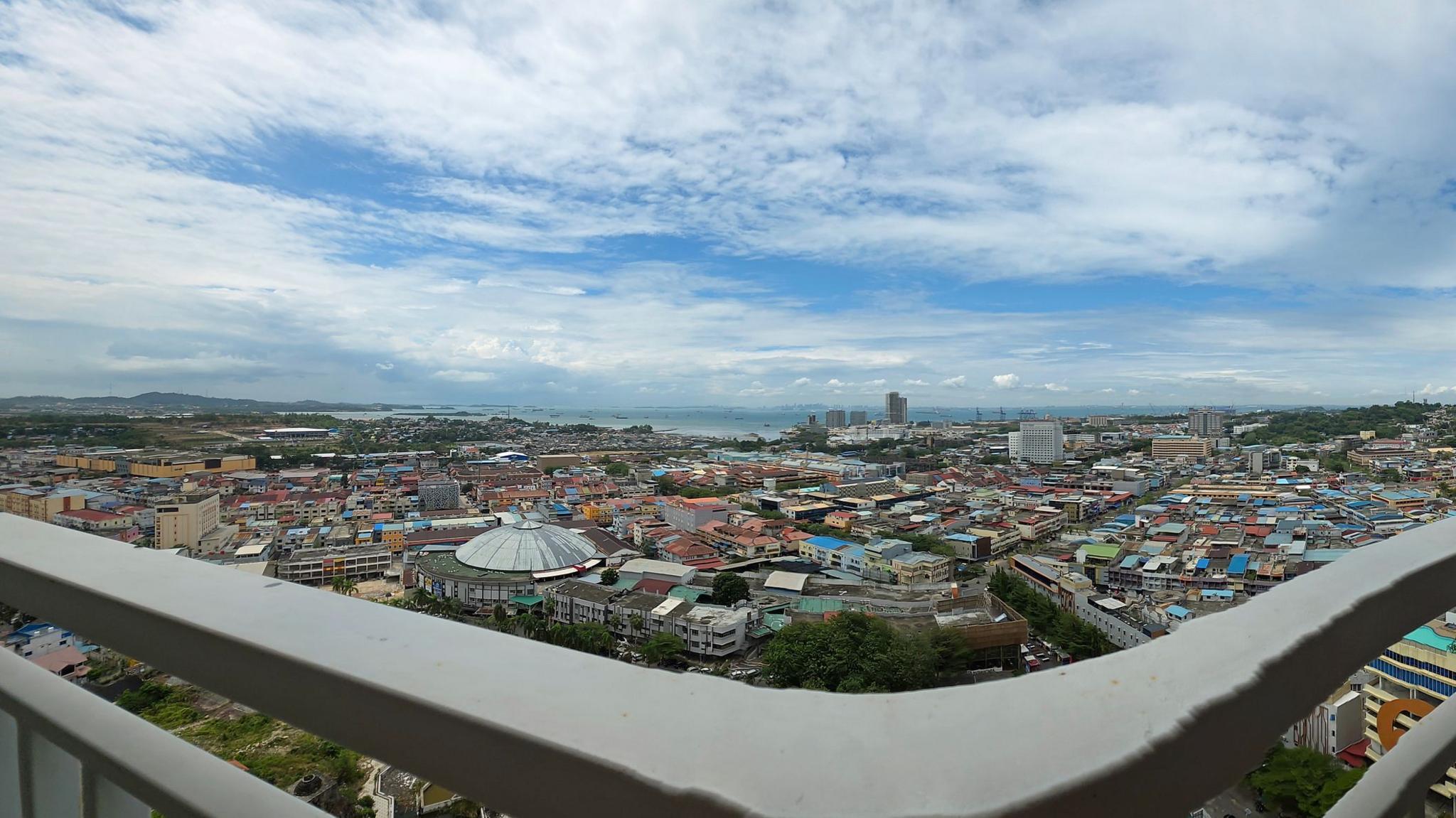
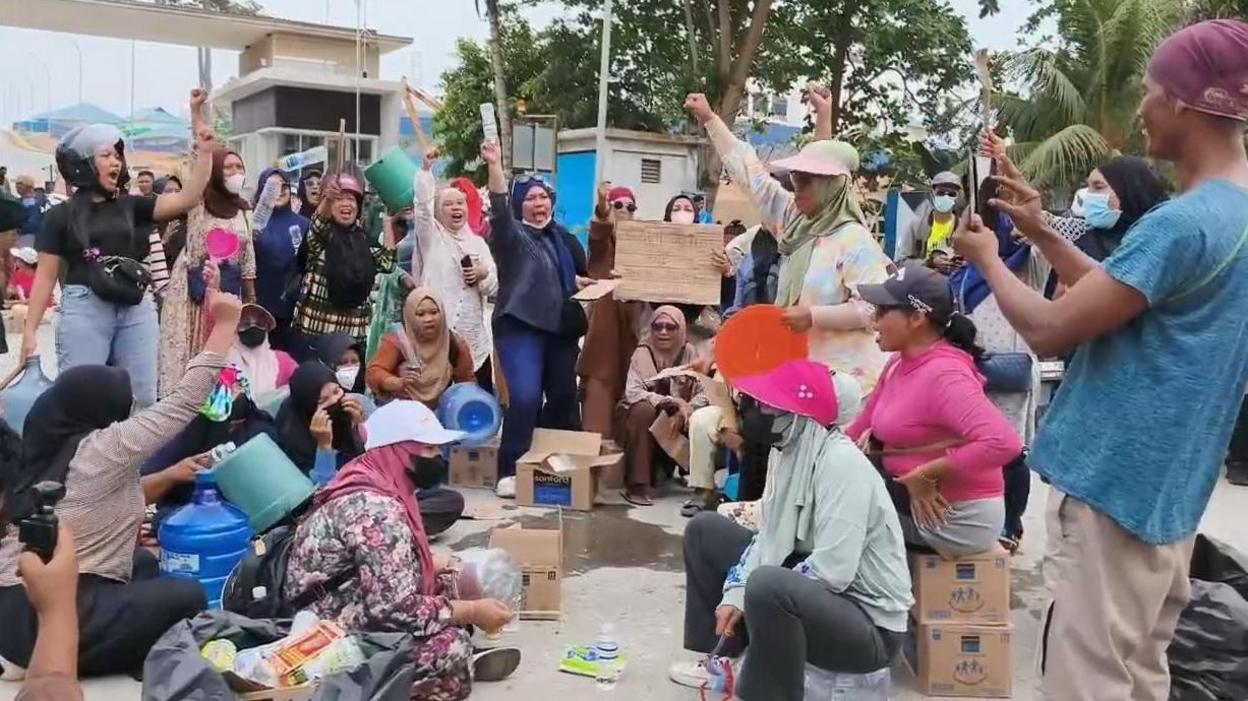
“水!水!”人群高喊着,手持空塑料瓶和油桶冲进了一个设有数据中心的园区。
"Water! Water!" the crowd shouted as it stormed a compound with data centres, armed with empty plastic bottles and jerry cans.
他们约有300人,都是印度尼西亚巴淡岛的居民,对家中水龙头干涸而新建的Nongsa数字园区内的数据中心似乎有足够的水来冷却机器感到愤怒。
There were about 300 of them, all residents on the Indonesian island of Batam, and they were furious that the taps at home had run dry, while the data centres in the new Nongsa Digital Park seemed to have enough water to protect their machines from overheating.
“过去三个月我们家水龙头滴水未见……在数据中心来之前,我们的供水一直很可靠,”抗议者之一的德维·苏桑蒂对BBC说。
"Not a single drop has come through our taps for the last three months... Our water supply had been reliable until the data centres came," Dewi Susanti, one of the protesters, told the BBC.
她所在的巴考塞里普村的居民现在只能依赖运水车供应的“脏、浑浊且有异味”的水,她说。
People in her village, Bakau Serip, were now depending on tanker trucks that dispensed "dirty, cloudy and smelly" water, she said.
巴淡的自来水公司告诉BBC,他们正在努力改善供水情况,但未就中断是否与数据中心需求相关发表评论。
Batam's water utility told the BBC it was working to improve supply, but did not comment on whether the disruption was linked to demand from the data centres.
但负责监管贸易和工业的巴淡商务局却将此归咎于持续的旱情,并否认当地居民的指控,即原本供给居民用水被转用于数据中心。
But BP Batam, the agency overseeing trade and industry, blamed it on a prolonged dry spell and denied allegations from locals that water meant for homes was being channelled to data centres.
这并非巴淡首次发生此类抗议。随着该岛努力将自身打造成数字中心,其水库容量不断缩小,面临的压力也日益增大。
This is not the first such protest in Batam, whose shrinking reservoirs find themselves under more pressure as the island tries to transform itself into a digital hub.
在8月和9月的抗议之后,当局告知在巴淡开设数据中心的公司,他们必须自建海水淡化厂,而不能依赖水库获取淡水。
Following protests in August and September, authorities told the firms opening data centres in Batam that they must build their own desalination plants instead of relying on reservoirs for freshwater.
但当地居民表示,他们日益担心自己如今必须与服务器争夺水资源。
But locals say they are increasingly concerned that they must now compete with servers for water.
“印尼数据中心用水的可靠数据仍然稀缺,部分原因在于公司将其视为专有信息,”挪威科技大学教授阿古斯·哈桑说。
"Reliable data on data centre water use in Indonesia remains scarce, partly because companies treat it as proprietary information," says Agus Hasan, a professor at the Norwegian University of Science and Technology.
“我们应该理性、透明和负责任地建设[数据中心],并坚持要求看到数据……[否则],那些在水龙头干涸时仍被蒙在鼓里的人会进行反击,而且这是理所当然的,”他补充道。
"We should build [data centres] rationally, transparently, and responsibly, and insist on seeing the numbers... [Otherwise] those kept in the dark while their taps run dry will push back, and rightly so," he adds.
全球范围内,从美国到英国再到亚洲部分地区,随着科技公司向人工智能基础设施投入数十亿美元,针对数据中心的反对声音正在不断增强。
A backlash has been building against data centres across the world, from the US to the UK to parts of Asia, as tech companies pour billions into AI infrastructure.
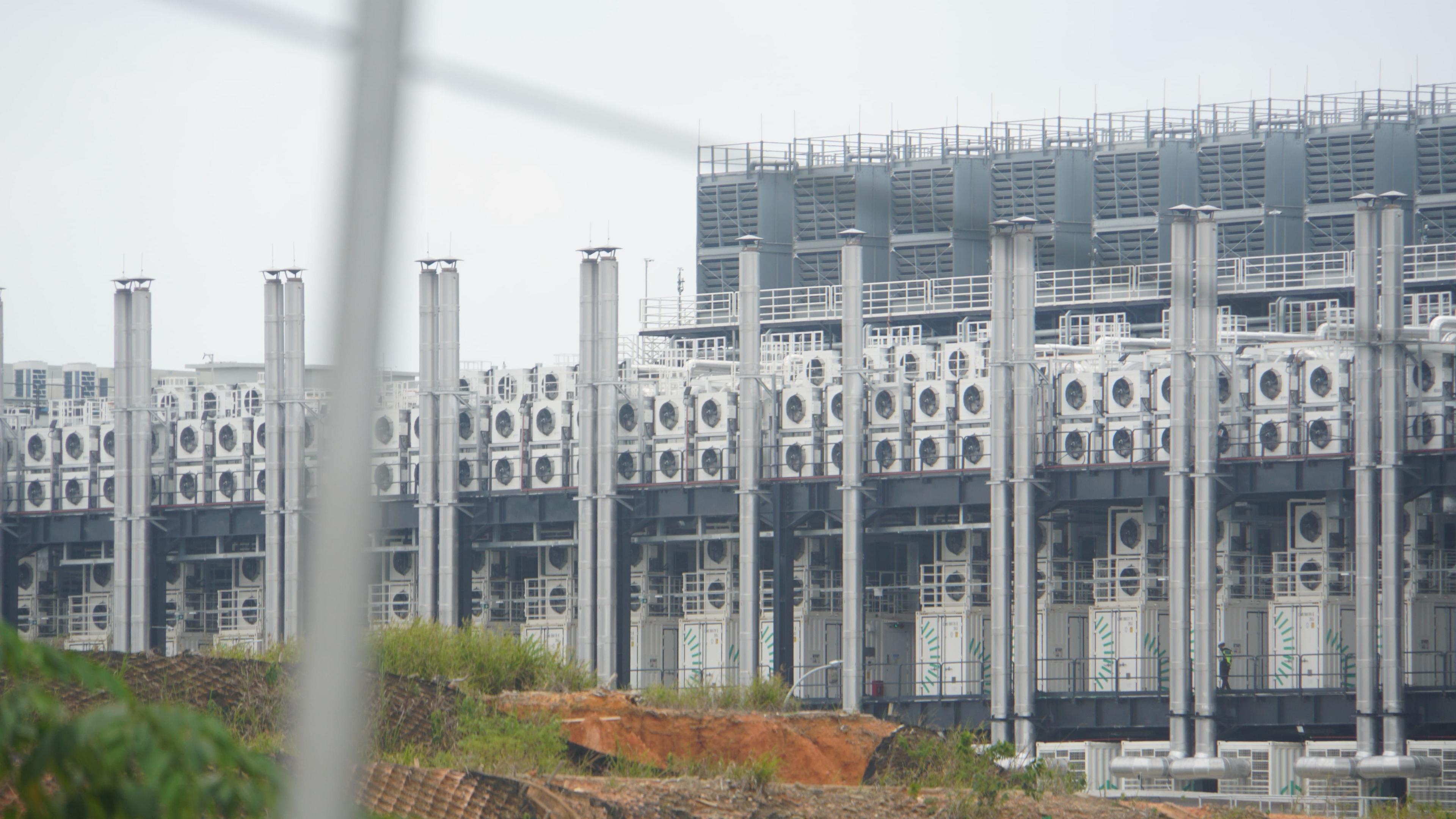
人们担心这些巨大的无窗建筑可能会如何改变他们的社区,机器持续的嗡嗡声,可能整夜亮着的安防灯,以及这些设施对水和能源资源造成的压力。
People are worried about how the huge, windowless buildings might change their neighbourhoods, the constant hum of machines, the security lights that could stay on all night, and the pressure this puts on water and energy resources.
虽然电力为数据中心提供能源,但水则用于防止服务器过热——工程师部署了复杂的冷却系统,这些系统会消耗大量水资源。
While electricity powers the centres, the water keeps the servers from frying - engineers deploy elaborate cooling systems, which consume a lot of water.
美国的研究表明,一个典型的数据中心每天消耗约30万加仑的水,相当于大约1000个美国家庭的用水量。根据马来西亚央行的数据,一个更大的50兆瓦设施每天可能消耗相当于2200个家庭的水量,并消耗足以供22000户家庭使用的电力。目前尚不清楚巴淡岛的数据中心具体消耗了多少水或电力。
Research in the US suggests a typical data centre consumes around 300,000 gallons of water a day, or about as much as 1,000 US households. A larger, 50MW facility could take as much water as 2,200 households per day, and enough electricity to power 22,000 homes, according to Malaysia's central bank. It's unclear how much water or electricity the data centres in Batam are consuming.
但该岛经常面临水资源短缺,而今年的情况更为严重,这可能是由于历史性的“超级”厄尔尼诺现象所致。
But the island routinely faces water shortages, and the levels are worse this year, possibly because of a historic "super" El Niño.
巴淡岛缺乏天然淡水资源,其130万人口依赖于六个人工水库收集的雨水。
Devoid of natural freshwater sources, Batam's 1.3 million people rely on rainwater collected in six artificial reservoirs.
当地环境非营利组织“Akari Bhumi Indonesia”的模拟显示,供给Dewi居住的Bakau Serip地区的Nongsa水库,若未有降雨,将在接下来的一个月内干涸。
Nongsa reservoir, which supplies water to Bakau Serip, where Dewi lives, would dry up over the next month with no rainfall, simulations by local environmental non-profit group Akar Bhumi Indonesia suggest.
“水资源短缺正在影响我们的生计……原本用于买大米的钱,现在被用来买水桶,”Dewi说。“我丈夫不得不熬夜等水,第二天早上直接去上班。”巴淡的供水公司此前曾表示,如果水资源短缺持续,他们将考虑采取如人工增雨等措施。当被问及最近的抗议活动时,他们将我们引向了之前的声明。
"The water shortage is affecting our livelihoods... Money that should be used to buy rice is now spent on water drums," Dewi says. "My husband has to wait up overnight to get water, and then go straight to work the next morning." Batam's water utility had earlier said that it would consider measures like cloud seeding should the water shortage continue. When asked about the recent protests, they pointed us to earlier statements.
巴淡当局已批准建设10个数据中心,其中6个将位于龙沙数码园。目前已有2个投入运营,另有1个正在建设中。巴淡投资促进局(BP Batam)向BBC透露,目前至少还有6个数据中心项目正在接受审批。
Authorities in Batam have approved 10 data centres, six of which will be located in Nongsa Digital Park. Two are up and running, while a third is under construction. At least six more are currently under review for approval, BP Batam told the BBC.
官方数据显示,截至2026年中,巴淡岛数据中心的投资额已超过67亿美元(约51亿英镑),部分原因是来自新加坡的需求推动——新加坡距巴淡仅一小时船程。
Official figures put investment in data centres on the island at more than $6.7bn (£5.1bn) as of mid-2026, spurred in part by demand from Singapore, which is just an hour away by ferry.
新加坡于2019年暂停数据中心建设,理由是土地和能源限制。2022年,新加坡在引入新的能效标准后解除禁令,这促使投资者转向其他地区寻找机遇。
Singapore paused construction of data centres in 2019, citing land and energy constraints. It lifted the ban in 2022 after introducing new efficiency standards, which prompted investors to look elsewhere.
新加坡长期将巴淡所在的廖内群岛以及马来西亚柔佛州宣传为“互补”地区。
Singapore has long been promoting the Riau Islands, which includes Batam, and the Malaysian state of Johor as "complementary" regions.
柔佛州迅速吸纳了溢出效应,批准了价值数十亿美元的数据中心项目。但这很快引起了居民不满,他们因噪音、粉尘和用水短缺而感到愤怒。此后,柔佛州尝试对数据中心的用水和用电量进行监管。
Quick to absorb the spillover, Johor approved data centre projects worth tens of billions. But this soon drew the ire of residents frustrated with noise, dust and water shortages. The state has since tried to regulate how much water and electricity data centres consume.
就在海峡对岸,巴淡对来自美国、中国、澳大利亚和新加坡的投资者同样具有吸引力——这是因为其运营成本相对较低、靠近新加坡,且连接主要海底光缆线路。
Across the strait, Batam is just as attractive to investors - from the US, China, Australia, Singapore - because of relatively low operating costs, proximity to Singapore and connections to major subsea cable routes.
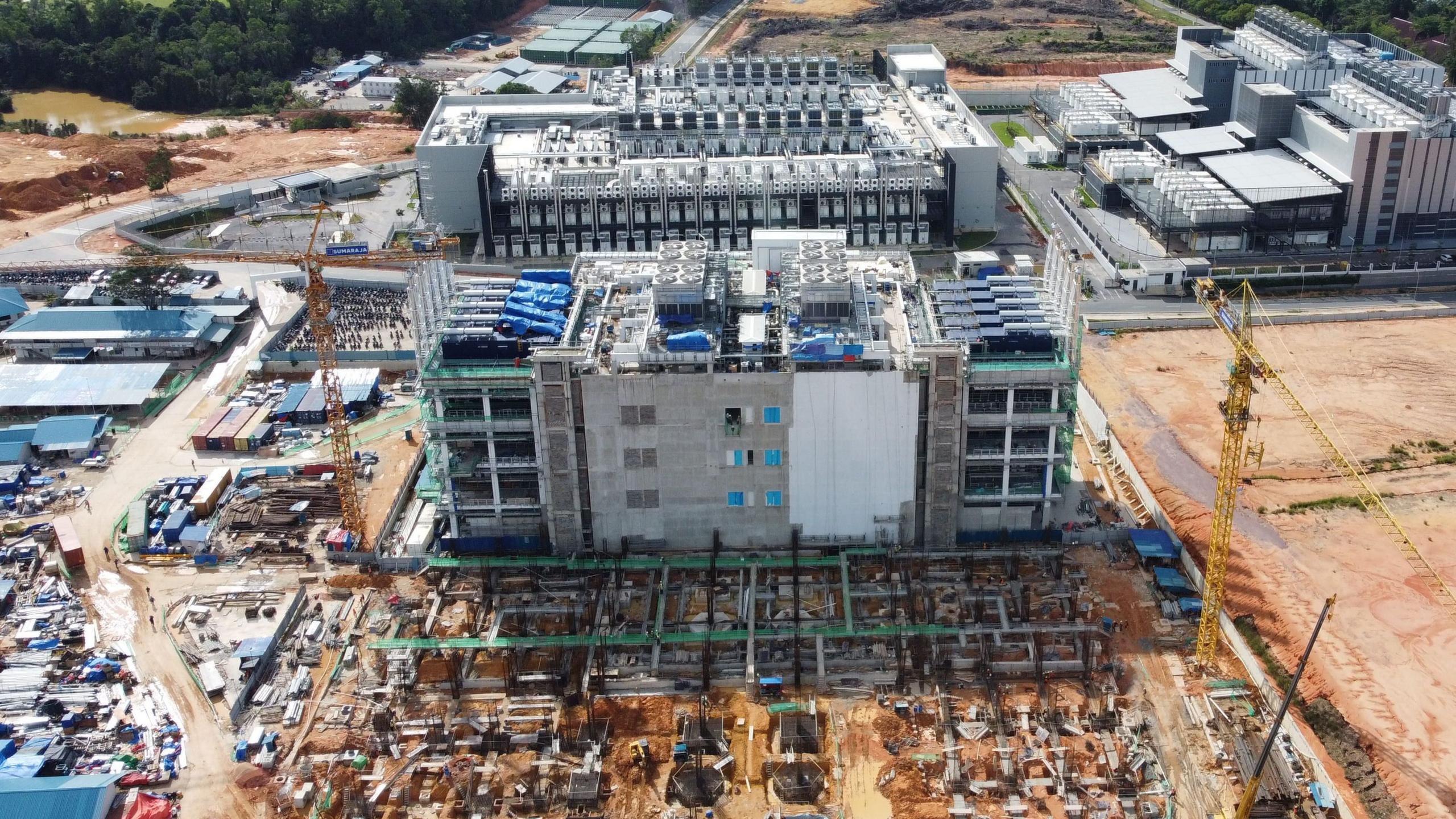
龙沙目前有一座由香港私募股权公司高瓴资本(Gaw Capital)和印尼开发商新亚第一(Sinar Primera)共同打造的13,000平方米数据中心。4月,新加坡DayOne公司与印尼国有能源公司签署协议,计划建设该国规模最大的数据中心之一——容量约为450兆瓦,足以供应35万户平均家庭用电。6月,DayOne、芯片制造商英伟达(Nvidia)以及澳大利亚人工智能初创公司Firmus Technologies宣布合作建设一个360兆瓦的人工智能工厂(“AI factory”)。
Nongsa is home to a 13,000-sq-m data centre by Hong Kong-based private equity firm Gaw Capital and Indonesian developer Sinar Primera. In April, Singapore's DayOne signed a deal with an Indonesian state utility to build one of the country's largest data centres - around 450MW capacity, enough to power 350,000 average households. In June, DayOne, chip maker Nvidia and Australian AI start-up Firmus Technologies announced a 360MW "AI factory".
根据官方估算,到2030年,巴淡数据中心的用电需求预计将超过1,100兆瓦,足以供应近一百万户家庭。
By 2030, power demand from data centres in Batam is expected to cross 1,100MW, which is enough to power nearly a million homes, according to the official estimates.
BBC已联系DayOne、新亚第一(Sinar Primera)和高瓴资本(Gaw Capital)以获取评论。
The BBC has contacted DayOne, Sinar Primera and Gaw Capital for comment.
与此同时,巴淡岛接连不断的基础设施建设项目令当地居民忧心忡忡,他们敦促当局优先考虑民众的需求。
Meanwhile, the spate of construction is worrying locals in Batam who urged authorities to prioritise their needs.
“不要只坐在上面不断批准这些项目。请亲自下来看看我们正在面临怎样的困境,”居住在赛贝杜克区的马尔琳达说道。该地区同样正面临缺水问题。
"Don't just sit at the top and keep approving these projects. Come down here and see for yourselves what we are wrestling with," says Marlinda, who lives in the district of Sei Beduk, which is also facing water shortages.
“我们希望政府能关注普通民众的疾苦,”另一位居民对BBC表示。
"We want the government to pay attention to ordinary people," another resident told the BBC.
“在普通民众备受煎熬的时候,不要进行数十亿卢比的投资……我们并没有提出什么过分的要求,我们只想恢复正常的供水。”
"Don't make billion-rupiah investments while ordinary people are made to suffer... We are not asking for anything extravagant. We just want our water supply restored."