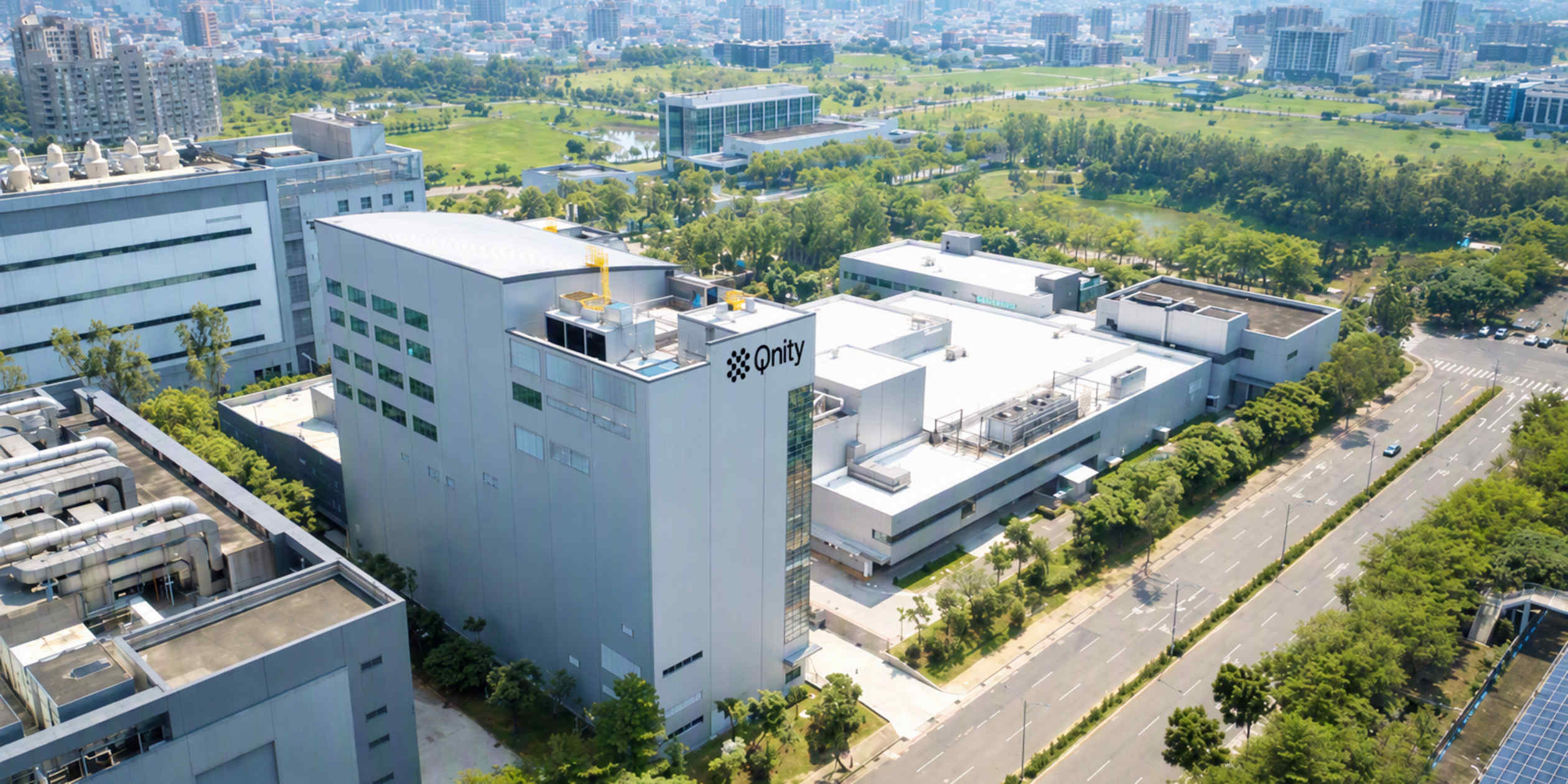
台北 — Qnity 首席执行官表示,该公司作为半导体化学品和材料的领先供应商,其“本地化为本地化”战略 — — 包括在其运营的每个地区采购超过70%的原材料 — — 是其业务增长的关键,因为芯片制造商正在转变并缩短供应链。
TAIPEI --The CEO of Qnity, a leading supplier of semiconductor chemicals and materials, says a "local-for-local" strategy, including sourcing more than 70% of raw materials within each region where it operates, is key to growing its business as chipmakers shift and shorten supply chains.
“我们对这种本地化运营模式的信念,以及成为客户首选合作伙伴的目标,是为了让我们能够加快创新步伐,匹配客户的速度,”Qnity 首席执行官 Jon Kemp 在接受《日经亚洲》采访时表示。
"Our belief in that local-for-local operating model and being that partner of choice is to allow us to accelerate the pace of innovation and match the speed of our customers," Jon Kemp, Qnity chief executive, told Nikkei Asia in an interview.
“我们发现,实现这一目标的最佳方式是将创新与客户 colocated(共同布局),这使我们能够推进并加速开发流程,真正赢得他们的信任,并在他们最先进技术的设计桌上占据一席之地。”过去,大多数行业参与者认为最高效的模式是将制造集中在少数几个地点,并向全球客户供货。但近年来,地缘政治紧张局势升级、新冠肺炎疫情、中东冲突以及关税变化促使了范式转变,使芯片制造商及其供应商日益认识到,关键材料的本地化生产对于增强供应链韧性至关重要。
"We have found that the best way to do that is to co-locate innovation with our customers, and that allows us to go through and accelerate the development process, and really allows us to earn their trust and to have a seat at the design table with them for their most advanced technology." In the past, most industry players believed the most efficient model was to concentrate manufacturing in just a few locations and to supply customers globally. But rising geopolitical tensions, the COVID-19 pandemic, conflict in the Middle East and tariff changes in the past few years have prompted a paradigm shift, making chipmakers and their suppliers increasingly aware that localizing the production of critical materials is essential to strengthening supply chain resilience.
Kemp 表示,Qnity 多元化的制造布局和本地采购使其获得了“巨大优势”,创造了新的商业机遇,并使其成为全球客户更可靠的合作伙伴。
Kemp said Qnity's diversified manufacturing footprint and local sourcing had given it a "tremendous advantage," creating new business opportunities and making it a more reliable partner for global clients.
“这不仅仅是投资于我们自己的制造;我们还投资于整个供应链……我们在一个国家或地区采购所有原材料的70%或以上,”首席执行官表示。
"It's not just about investing in our own manufacturing; we also invest in our entire supply chain ... we buy 70% or more of all of our raw materials in a country or in the region," the CEO said.
Qnity 首席执行官 Jon Kemp 表示,半导体材料正成为焦点,其进步使其成为人工智能时代的“隐形英雄”。
Semiconductor materials are moving to center stage and their advances make them a "hidden hero" of the AI era, says Qnity CEO Jon Kemp.
坎普表示:“由于这种布局完善的基础,我们在众多区域地理范围内都具备能力,因此我们能够抓住机遇。”他补充说,这种“本地对本地”的运营模式还有助于将全球通胀的影响降至最低,因为许多价格上涨都与物流有关。
"Because of this well-built-out footprint, where we have capabilities in so many regional geographies, we've been able to pick up opportunities," Kemp said. He added that the "local-for-local" operating model also helped minimize the impact of global inflation, as many price hikes were tied to logistics.
总部位于美国的Qnity曾是杜邦旗下的电子业务部门,也是台湾积体电路制造公司、三星和英特尔的核心供应商,该公司在芯片制造过程中使用的许多化学机械抛光(CMP)材料(包括CMP抛光垫和抛光液)以及用于先进芯片封装和热管理的其它核心材料方面,以占据领先地位而闻名。该公司由杜邦分拆出来,并于去年11在美国纳斯达克交易所上市。受人工智能热潮的推动,其股价今年已上涨约45%。
U.S.-headquartered Qnity, a former DuPont electronics business and a key supplier to Taiwan Semiconductor Manufacturing Co, Samsung and Intel, is known for its leading position in many chemical mechanical polishing (CMP) materials used in the chipmaking process, including CMP pads and slurries as well as for other key materials for advanced chip packaging and thermal management. The company was spun off by DuPont and listed on the U.S. Nasdaq exchange last November. Its stock price has risen around 45% this year, buoyed by the AI boom.
坎普表示,Qnity近期投资6150万美元,用于提高台湾先进芯片材料和化学品的产能,同时还在韩国扩大业务,并在中国保持着相当规模的生产业务。东南亚也正在成为一个重要的电子制造枢纽。Qnity在越南的产能已经翻了一番。
Qnity recently invested $61.5 million to increase production capacity for advanced chip materials and chemicals in Taiwan, while also expanding in South Korea and maintaining a sizable production presence in China. Southeast Asia is becoming an important electronics manufacturing hub as well, according to the CEO. Qnity has doubled its capacity in Vietnam.
台积电等主要芯片制造商正寻求与材料供应商进行更紧密的合作,同时推动更本土化的供应链,这为该地区新一代材料和设备公司创造了机遇。
Major chipmakers such as TSMC are seeking closer collaboration with materials suppliers while pushing for more localized supply chains, creating opportunities for a new generation of materials and equipment companies in the region.
今年早些时候,Qnity在其总部所在地特拉华州开设了一家新工厂,主要用于支持美国芯片制造产能的增长,特别是针对尖端处理器和存储芯片。Qnity的40个制造基地中,大约有一半在亚洲,另一半在美国。
Earlier this year, Qnity opened a new facility in its home state of Delaware, primarily to support the growth of U.S. chipmaking capacity, particularly for cutting-edge processors and memory chips. About half of Qnity's 40 manufacturing sites are in Asia, with the other half in the U.S.
坎普表示:“我们的工厂始终被尽可能地用来支持该地区的本土国家,但从供应链的角度来看,这也赋予了我们极大的灵活性和韧性。”
"Our facilities are always used as much as possible to support the local countries in the region, but it also gives us tremendous agility and resilience from a supply chain point of view," Kemp said.
这位首席执行官还表示,该公司今年与化学机械抛光(CMP)相关的业务增长了20%,而用于先进封装、人工智能相关印刷电路板以及热管理应用的材料,在2026年上半年均实现了超过50%的同比增长。
The CEO added that its CMP-related business had grown 20% this year, while materials for advanced packaging, AI-related printed circuit boards and thermal management applications all grew more than 50% year over year in the first half of 2026.
芯片行业资深人士肯普(Kemp)表示,人工智能的需求正在重塑新材料的使用和采用,不仅芯片制造越来越需要先进材料,芯片封装以及整个电子系统也同样需要,以提升计算性能。
Kemp, a chip industry veteran, said AI demand was reshaping the use and adoption of new materials, with advanced ones increasingly needed not only in chipmaking, but also in chip packaging and across entire electronics systems to boost computing performance.
肯普说:“材料正从幕后走向前台。材料创新是人工智能时代的隐形英雄。”
"Materials are moving kind of from backstage to center stage," Kemp said. "Materials innovation is a hidden hero of the AI era."
他还表示:“先进封装和热管理爆发式增长,以及从前端到后端整个技术堆栈进行合作和利用技术的需求,其发生的速度远远超出了我们的想象。”
He added: "The explosion of advanced packaging and thermal management, and the need for collaboration and leveraging of technology across the entire stack, from the front end all the way to the back end. It's happened much faster than we ever imagined."
根据半导体材料行业联盟SEMI的数据,全球半导体材料市场预计将从2025年的732亿美元增长到2027年的920亿美元。
The global semiconductor materials market is set to grow from $73.2 billion in 2025 to be worth $92 billion in 2027, according to the semiconductor materials industry alliance, Semi.
全球领先的硅晶圆制造商之一、环球晶圆(GlobalWafers)董事长兼SEMI董事会主席徐秀兰(Doris Hsu)表示,材料行业正“进入一个黄金时代,从配角转变为对广泛应用的技术进步日益不可或缺的角色。从隐形冠军蜕变为真正的冠军。”
Doris Hsu, chair of GlobalWafers, one of the world's leading silicon wafer makers and Semi's chair, says the materials industry is "entering a golden era, shifting from a supporting role to becoming increasingly essential to technological advances across a wide range of applications. From hidden champions to real champions."