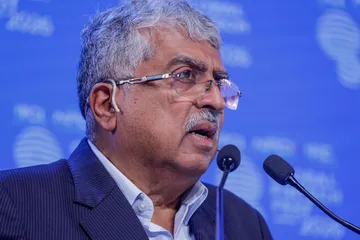
印度最杰出的科技领袖之一尼勒卡尼表示,该国需要废除传统的试卷,以打击试题泄露问题。此前,试题泄露打乱了数百万学生和求职者参加的高风险考试。
Nilekani, one of India’s most prominent technology leaders, said the country needs to do away with traditional question papers to combat leaks that have disrupted high-stakes exams taken by millions of students and job seekers.
“为什么我们必须要有试卷?”尼勒卡尼在新德里举行的彭博创新经济论坛上说。“只要你有一张试卷,它就会产生将其出售的经济动机。”相反,他建议建立一个庞大的数字题库,并在考试前不久利用技术生成试卷,从而减少泄题机会。他还呼吁通过考试中心网络,向基于计算机的测试进行更广泛的转变。
“Why do we need to have a question paper?”Nilekani said at Bloomberg’s New Economy Forum in New Delhi. “The moment you have a question paper, it becomes an economic incentive for that to be sold.”Instead, he recommends building a vast digital bank of questions and using technology to generate papers shortly before an exam, reducing opportunities for leaks. He also called for a broader shift to computer-based testing through a network of examination centers.
在反复出现的试题泄露侵蚀了公众对该国考试系统信心的背景下,印度总理莫迪于7月任命尼勒卡尼担任一个考试改革高级别专家组的主席。试题泄露引发了印度近年来规模最大的一些学生抗议活动,并最终导致教育部长达尔门德拉·普拉丹辞职。该专家组尚未提交报告。
Indian Prime Minister Narendra Modi in July tapped Nilekani to chair a high-powered panel on exam reforms after repeated paper leaks eroded public confidence in the country’s testing system. The leaks sparked some of India’s biggest student protests in years, culminating in the resignation of Education Minister Dharmendra Pradhan. The panel is yet to submit its report.
“总理非常渴望落实我们的建议,”尼勒卡尼说。他还表示,印度拥有大约15万个潜在可支持基于计算机的测试系统的地点。
“The prime minister is very keen to implement our suggestions,” Nilekani said. He also said that India has about 150,000 locations that could potentially support a computer-based testing system.
尼勒卡尼是印度家喻户晓的“救火队长”。他是印度最大的软件公司之一印孚瑟斯的联合创始人,曾协助创建了世界上最大的生物识别身份系统,并为印度的数字支付革命奠定了基础。
Nilekani is a familiar troubleshooter in India. He co-founded Infosys, one of the country’s biggest software companies, helped create the world’s largest biometric identity system and laid the foundations for India’s digital payments revolution.