Marcus Ng 是 Access Partnership 的亚太地区及经济战略主管,该公司是一家专注于前沿技术和产业转型的战略咨询公司。
Marcus Ng is the head of Asia-Pacific and economics strategy at Access Partnership, a strategic advisory firm focused on frontier technologies and industry transformation.
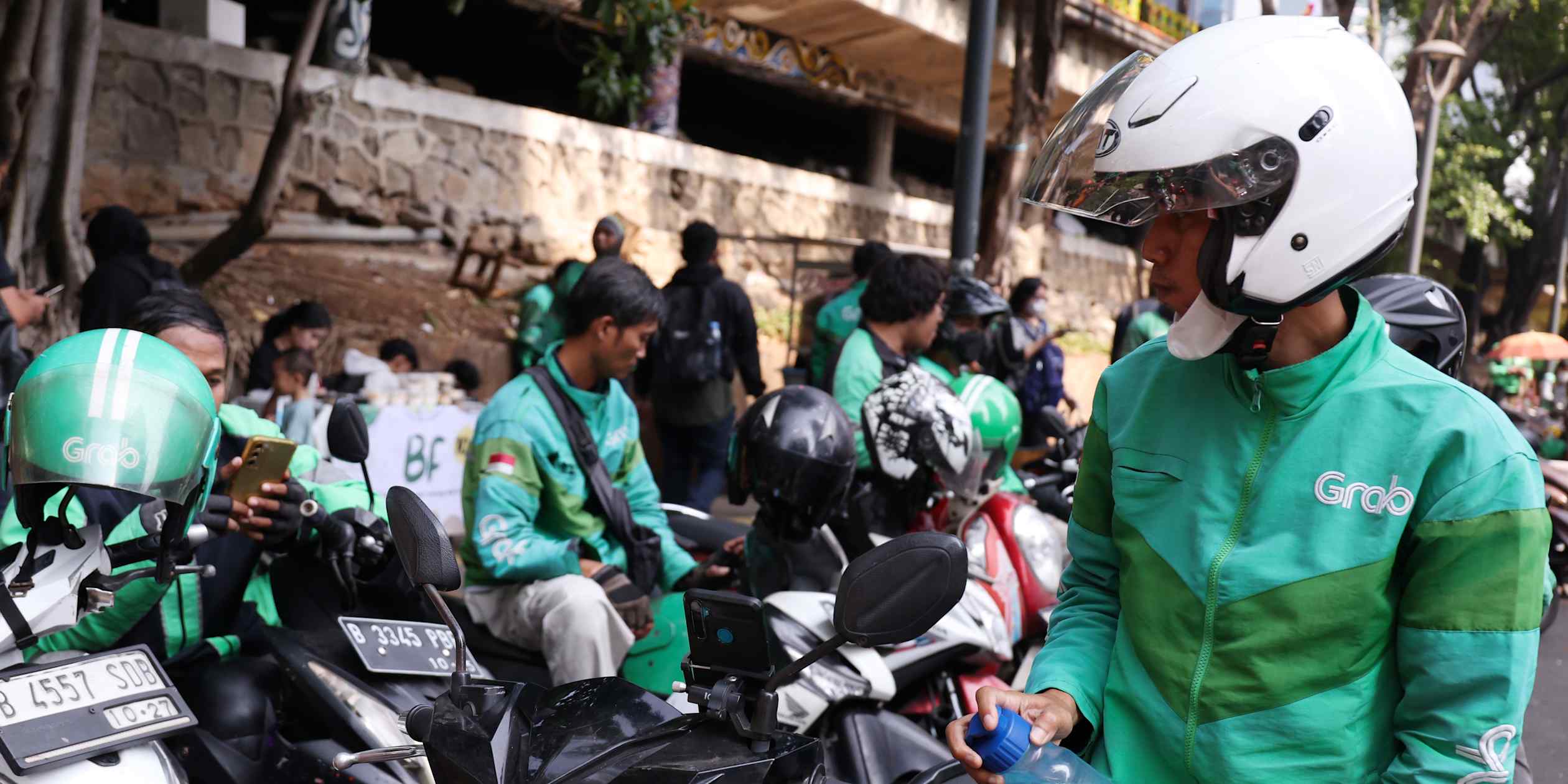
全球平台经济中,零工劳动者因收入和工作条件而发起的抗议已成为一种反复出现的特征。在印度,外卖工人曾举行罢工,要求获得更公平的报酬。东南亚是最新的抗议前线:2025年5月,数千名网约车司机在印度尼西亚各地走上街头;2026年9月,越南的平台工人组织了周末停工。无论在哪里,他们的诉求都是一样的:他们到手的收入与他们投入的工作时间不匹配。
Protests by gig workers over earnings and working conditions have become a recurring feature of the global platform economy. In India, delivery workers went on strike to demand fairer pay. Southeast Asia is the latest front: In May 2025, thousands of ride-hailing drivers took to the streets across Indonesia and in September 2026, platform workers in Vietnam organized a weekend work stoppage. Their grievance, in each case, is the same: that the money they take home does not match the hours they put in.
获得公平报酬的诉求是正当的。网约车已成为东南亚城市交通的骨干,也是数百万人的重要收入来源。随着乘客支付的费用与司机实际到手收入之间的差距日益受到关注,政府关注这一问题是正确的。
A desire to be fairly compensated is legitimate. Ride-hailing has become a backbone of urban transport across Southeast Asia, and an important source of income for millions. As the gap between what passengers pay and what drivers take home comes under increasing scrutiny, governments are right to pay attention.
但这里有一个重要的区分需要明确:司机抗议的是可持续的生计。然而,政府往往通过对佣金比率设定粗暴的上限来作出回应——这是一个显而易见且在政治上易于理解的杠杆。这一区别很重要,因为如果政策只针对平台定价中的单一输入因素,而忽视司机实际关心的生计结果,则可能引发既不立即也不明显的次级市场效应——并且可能对司机造成的伤害大于好处。
But there is an important distinction to draw: Drivers are protesting about sustainable livelihoods. Governments, however, have tended to respond by imposing blunt caps on commission rates a readily visible and politically legible lever. This distinction matters because a policy that targets a single input into platform pricing, rather than the livelihood outcome that drivers actually care about, can trigger secondary marketplace effects that are neither immediate nor obvious -- and can risk more harm than good for the drivers.
2026年中,印尼政府对网约车佣金实施了8%的上限,这比领先平台之前收取的20%大幅下降。理论上,司机现在应能保留每笔订单费用的92%。然而,实际情况远比这更为令人沮丧。
In mid-2026, the Indonesian government imposed an 8% cap on ride-hailing commissions a significant cut from the 20% that leading platforms had previously charged. On paper, drivers would now retain 92% of every fare. However, in practice, results have been far more sobering.
提高司机生计水平并非仅仅通过限制单一费用就能实现。平台通过分层定价结构运营,包括基础费用、服务费和高峰定价,这意味着仅对单一费用设定上限可能在整个市场中引发连锁反应。在印度尼西亚,预计该上限仅适用于基础费用的佣金,平台可能不得不削减基础费用,以避免将显著成本转嫁给消费者。
Improving driver livelihoods is not as simple as capping a single fee. Platforms operate through layered pricing structures that include base fares, service fees and surge pricing, meaning that narrowly scoping a single cap can set off secondary effects across the marketplace. In Indonesia, the cap is expected to be applied only to commissions on the base fare, and platforms may have to cut base fares to avoid passing on significant costs to consumers.
印度尼西亚媒体《卡拉苏阿拉》估计,在一趟10,000印尼卢比(约合56美分)的行程中,司机此前可根据20%的佣金率获得8,000印尼卢比。然而,一旦基础费用被降低并在其上叠加服务费,一些司机的实际到手收入可能降至仅7,360印尼卢比。这一差距具有重要意义,因为平台提供了使市场运转的基础设施:将乘客与附近司机连接、处理支付,以及维持乘客和司机依赖的安全与信任系统。
Indonesian media Kalasuara estimates that on a 10,000 rupiah (about 56 cents) ride, a driver would previously earn 8,000 rupiah based on a 20% commission rate. However, once the base fare was reduced and a service fee applied on top, some drivers might end up taking home as little as 7,360 rupiah. This gap matters because platforms provide the infrastructure that makes the market work: connecting riders to nearby drivers, processing payments, and maintaining the safety and trust systems that passengers and drivers depend on.
当平台经济受到压缩时,司机也会直接感受到——表现为订单减少、需求不稳定以及在出现问题时支持力度减弱。
When platform economics are compressed, drivers feel it directly, too -- in the form of fewer rides, less reliable demand and weaker support when things go wrong.
人们可能轻易认为平台公司凭借其强势地位能够轻松吸收这些压力。但实际情况远比这更为受限。该地区企业的进入与退出提醒人们,平台运营的利润空间极其有限,承受成本基础突然增加的能力也十分有限。当平台无法承担时,压力便会转嫁给消费者。在东南亚,可负担性一直是网约车广泛采用的核心因素。在消费者已经面临更广泛的生活成本压力的情况下,推高费用将是一个具有深远影响的选择。
It may be easy to assume that platform companies easily absorb these pressures from a position of strength. The reality is far more constrained. The entry and exit of firms in the region are reminders that platforms operate on thin margins, with limited capacity to absorb sudden increases in their cost base. When they cannot, the pressure falls on consumers. In Southeast Asia, affordability has been central to the widespread adoption of ride-hailing. With consumers already contending with broader cost-of-living pressures, pushing fares higher is a consequential choice.
2026年8月11日,美国加利福尼亚州洛杉矶的优步和Lyft司机已达到成立加州零工工会(California Gig Workers Union)所需的门槛,该工会被提议为全州范围内网约车司机的集体谈判代表。
Uber and Lyft drivers have reached the required threshold to form the California Gig Workers Union, a proposed collective bargaining representative for rideshare drivers statewide, in Los Angeles, California, U.S., August 11, 2026.
分析人士警告称,票价上涨可能会将中产阶级城市消费者推回私家车或非正式交通方式。随后,乘车次数减少将转化为司机更长的空闲时间、候车时燃油消耗增加以及总收入降低,即使单次乘车的到手收入在纸面上看起来更好。
Analysts have warned that higher fares could push middle-class urban consumers back to private vehicles or informal transport. Fewer rides would then translate into longer idle times for drivers, more fuel burned while waiting and lower total earnings, even if the per-ride take-home looks better on paper.
佣金上限并不能消除平台工作的经济学本质——相反,它决定了成本由谁承担。
Commission caps do not eliminate the economics of platform work -- rather, they determine where the costs land.
对佣金水平的担忧,最直接的应对方式不是设定上限,而是培育竞争市场。新加坡交通部一直致力于推动平台间的竞争与透明度,其前提是:当司机能够在平台之间自由流动时,佣金将成为竞争变量。过高收费的平台则面临失去司机供给给竞争对手的风险。真正的竞争比固定的监管上限更能可靠地长期约束佣金水平。
The most direct response to concerns about commission levels is not a cap, but a competitive market. Singapore's Ministry of Transport has focused on promoting competition and transparency between platforms, on the premise that when drivers can move between platforms, commissions become a competitive variable. Platforms that overcharge then risk losing their supply of drivers to rivals. Genuine competition is a more reliable long-term check on commission rates than fixed regulatory ceilings.
更务实的优先事项是为司机提供工具,帮助他们最大化时间和收入。在东南亚各地,司机在扣除燃油、等待时间和车辆成本后,往往难以清楚看到自己每小时的实际收入——更别说哪些区域和时段能持续带来更高收益。独立的收入追踪工具、汇总并分享基准数据的司机协会,以及面向工人的金融素养支持,都能帮助弥合这一差距。了解自身经济状况的司机将更有能力就何时何地工作做出明智决策。这种知情自主能力比诸如佣金上限之类的规则更能为司机福祉提供持久基础。
A more practical priority is giving drivers the tools to maximize their time and earnings. Across Southeast Asia, drivers have limited visibility into what they actually earn per hour once fuel, waiting times and vehicle costs are factored in -- let alone which areas and times consistently deliver better earnings. Independent earnings-tracking tools, driver associations that compile and share benchmark data, and financial literacy support for workers can all help bridge that gap. Drivers who understand their own economics will then be better equipped to make informed decisions about when and where to work. Such informed agency is a more durable foundation for driver welfare than rules like commission caps.
司机抗议是他们揭露平台工作经济承诺与其维持运营者实际生活之间差距的方式。政策制定者必须作出回应,但若仅关注平台定价的单一输入因素,可能会让司机处境更糟。
Driver protests are their way of shedding light on the gap between the economic promise of platform work and the lived reality for many of those who keep it running. Policymakers must respond, but focusing only on a single input into platform pricing can leave drivers worse off.
零工经济正日益成为一种普遍的工作组织形式,在人工智能和自动化的推动下,这一进程正在加速,未来几年将有数百万名更多的工人进入基于平台的就业模式。网约车平台是这种转变最早的大规模体现,政府现在做出的监管选择将决定其未来的发展方向。
The gig economy is becoming an increasingly prevalent form of how work will be organized, accelerated by AI and automation that will bring millions more workers into platform-based arrangements in the years ahead. Ride-hailing platforms are among the first scaled manifestations of this shift, and the regulatory choices that governments make now will shape how it unfolds.
做对这件事意味着对结果进行监管,例如司机的生计、安全和保障。这也意味着要与平台建立真正的伙伴关系来构建框架。东南亚的零工经济为数千万人的生计提供了保障。它值得获得与该规模相匹配的深思熟虑的应对措施。
Getting it right means regulating outcomes, such as driver livelihoods, safety and security. And it means building frameworks in genuine partnership with platforms. The gig economy across Southeast Asia creates livelihoods for tens of millions of people. It deserves considered responses equal to that scale.