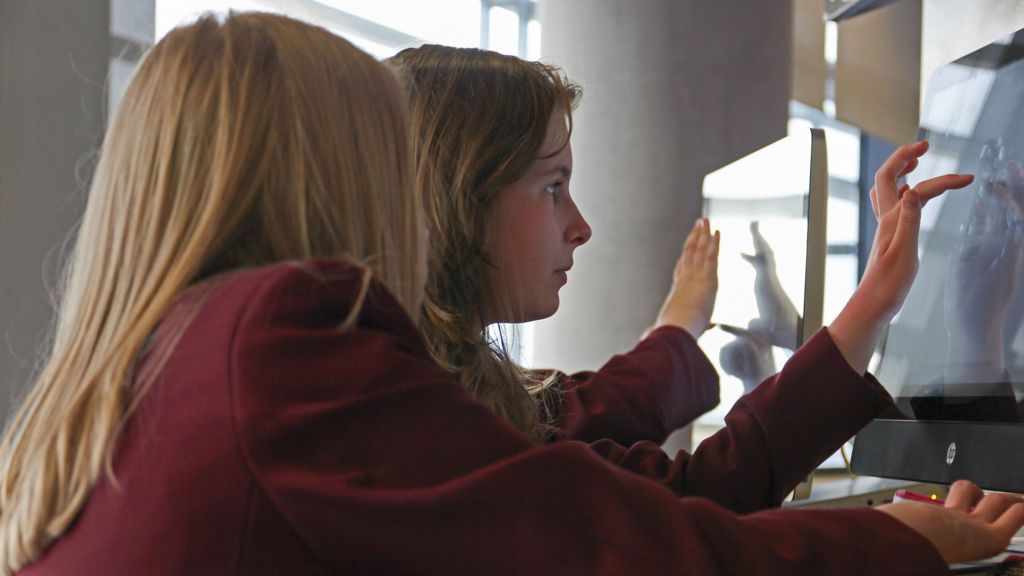
由150多名临床医生组成的一个团体警告称,英格兰的学童在学校里花在屏幕上的时间可能正在损害他们的“身体健康与发育”。
The amount of time children in England spend on screens at school could be harming their "physical and developmental health", a group of more than 150 clinicians has warned.
这些全科医生、儿科医生及其他专科医生在致教育大臣露西·鲍威尔和卫生大臣伊薇特·库珀的公开信中指出,目前学校在使用平板电脑和笔记本电脑时,并未充分考虑到其对健康的长期影响,尤其是对视力的影响。
GPs, paediatricians and other specialists said in an open letter to Education Secretary Lucy Powell and Health Secretary Yvette Cooper that tablets and laptops are being used without a full understanding of their long-term health impacts, including on eye health.
这些医生表示,如今他们不得不为许多儿童开具眼镜、助听器及语言治疗处方,而这一切都是因为“学校无意间加剧了原本就存在的问题”。
The clinicians said they are prescribing glasses, hearing aids and speech therapy to children "for a problem that is unintentionally being made worse in our schools".
英国政府回应称,目前正在就5至18岁儿童的屏幕使用时间指导方针征询意见,不过只要运用得当,科技也能成为强有力的学习工具。
The government said it was consulting on screen time guidance for children aged five to 18 but that technology could be a powerful learning tool if used properly.
该医生团体指出,尽管多项研究显示儿童近视率呈上升趋势,但目前仍有近100万名儿童在大多数课程中都需使用屏幕。他们还引用了一项针对全球540万名参与者、涵盖276项研究的分析结果。
The group of clinicians said nearly one million children are using screens in most lessons, despite studies suggesting a rise in short-sightedness. They pointed to an analysis of 276 studies covering 5.4 million participants around the world.
据称,该分析结果显示,儿童及青少年的近视率从1990年的约24%上升到了2023年的近36%,而近视也与多种眼部健康问题的风险增加密切相关。
That analysis, they claimed, found a rise in short-sightedness among children and adolescents from around 24% in 1990 to almost 36% by 2023, warning the condition is associated with an increased risk of a range of eye health problems.
公开信中还提到,如今许多儿童在课堂上花在屏幕上的时间已经超过了全天建议的时长,信中写道:“整个国家现在必须警醒过来,尽快减少学校里的屏幕使用时间,以免损害进一步加重。” 签署该信的医生之一是英国国家医疗服务体系的全科医生贝基·福尔詹姆比,她也是“倡导安全使用屏幕的医疗从业者”组织的创始人。
Many children now spend longer on screens in the classroom than is recommended in a 24-hour period, the letter said, adding: "As a country, we need to wake up to this now, and start rolling back screen use in schools before the damage compounds further." One of its signatories was, Dr Becky Foljambe NHS GP and founder of Health Professionals for Safer Screens.
她在接受BBC Radio 4《今日》节目采访时指出,家长们根本没有机会让孩子“避开”学校里“过度”的屏幕使用,这种情况很可能导致孩子在学习上无法充分发挥潜力。她强调,儿童近视率的“急剧上升绝非仅由遗传因素所致”。
She told BBC Radio 4's Today programme parents had not been given the chance to "opt out" of the "excessive" use of screens in schools, which risks children "just not thriving" in education. She said an "explosion" in short-sightedness "cannot be put down to genetics alone".
福尔詹布说,主张让儿童使用屏幕以准备他们进入数字化工作的论点是“懒惰的论点”,并补充道:“他们也需要睡眠、视力、休息,以及批判性思考和评估的能力。”该信件继续写道:“我们意识到其中一些证据仍在浮出水面,但研究方向在多个独立的、有时规模非常大的研究机构中是一致的。”
Foljambe said it was a "lazy argument" to advocate for screen use to prepare children for a digital work, adding: "They also need their sleep, their eyesight, they need rest, they need ability to critically think and appraise." "We are conscious that some of this evidence is still surfacing but the direction of travel is consistent across multiple, independent, and in some cases very large, bodies of research," the letter continued.
该信还警告称,有特殊教育需求的儿童被“不成比例地”引导到基于屏幕的学习中。
It also warned that children with special educational needs are "disproportionately" directed to screen-based learning.
教育部发言人表示,政府正在为5至18岁儿童制定新的屏幕使用时间指导方针,并将就人工智能和教育技术在学校的安全性进行咨询。
A Department for Education spokesperson said the government was developing new screen-time guidance for children aged five to 18, and will consult on the safety of artificial intelligence and educational technology in schools.
他们说:“如果使用得当,技术可以成为支持需要帮助的学习者的有力工具,并让教师有更多时间为每个孩子提供他们应得的优质教育。”此举紧随英格兰学校智能手机禁令在6月生效之后,该禁令使得各所学校和信托机构在全天内承担法律责任,确保校园无手机。
They said: "Used well, technology can be a powerful tool to support learners who need it and free up teachers to deliver the excellent education every child deserves." It comes after a ban on smartphones in schools in England came into force in June, making individual schools and trusts legally responsible for being phone-free throughout the day.