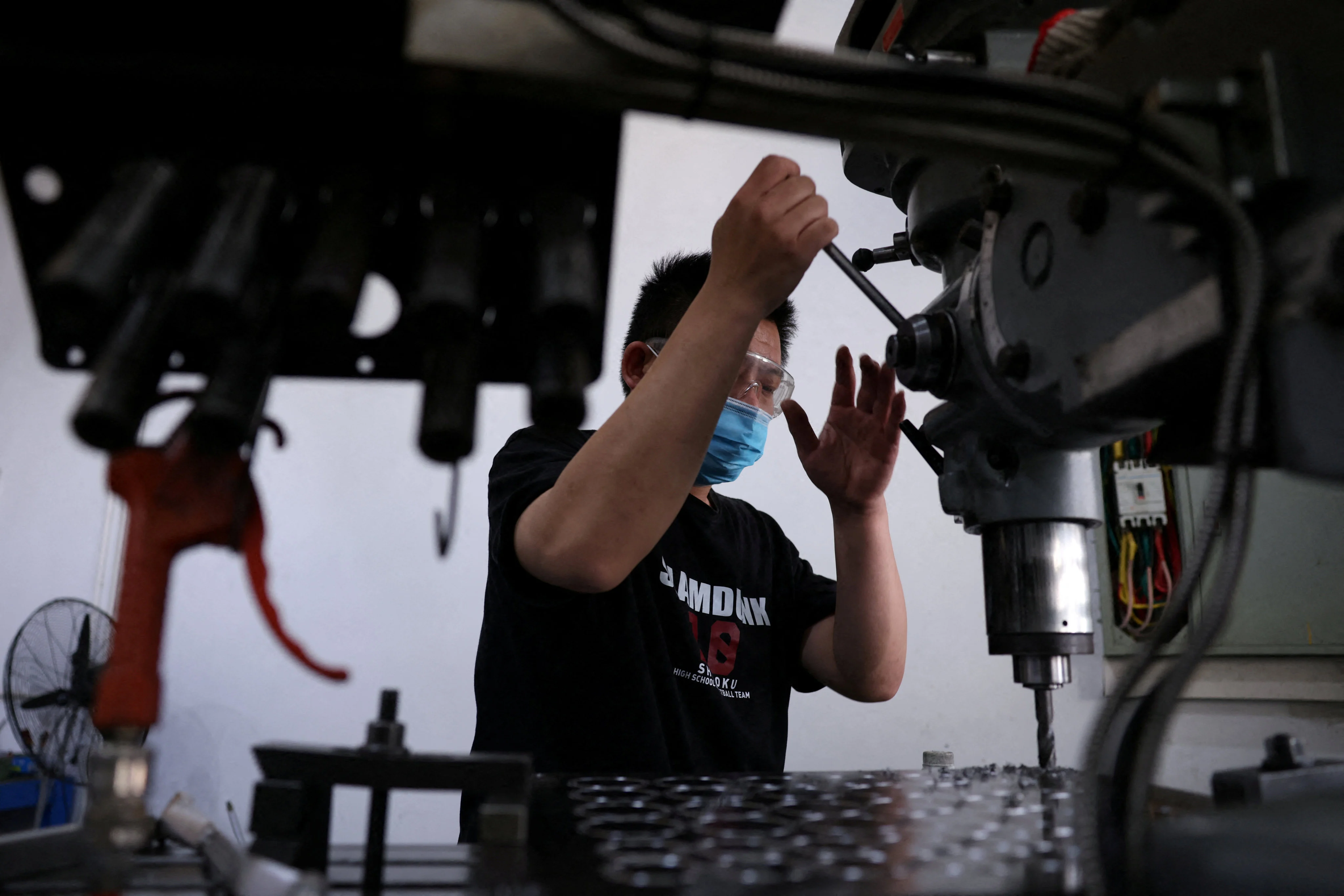
中国人口最多的省份设定了到2028年实现先进制造业的雄心勃勃目标,包括每年生产超过8万台人形机器人,以巩固其作为全球工业强国的地位,尽管面临国内需求和出口壁垒的担忧。
China’s most populous province has set ambitious targets for advanced manufacturing by 2028, including the production of more than 80,000 humanoid robots a year, to strengthen its position as a global industrial powerhouse despite concerns about domestic demand and export barriers.
广东省拥有1.29亿人口和全国最古老的工厂基地之一,据《人民网》周二报道,该省计划在未来两年内建设超过1000家表现卓越的智能工厂以及1000家绿色工厂,这一信息来源于周五举行的先进制造业会议上的官员透露。
Guangdong, which boasts a population of 129 million people and one of the oldest factory bases in the country, aims to build over 1,000 top-performing smart factories in the next two years as well as 1,000 green factories, the People’s Daily website reported on Tuesday, citing information given by officials at an advanced manufacturing conference on Friday.
会议参与者表示,绿色工厂将根据能源效率、资源利用和环境表现进行评估。
Green factories would be assessed for energy efficiency, resource use and environmental performance, conference participants said.
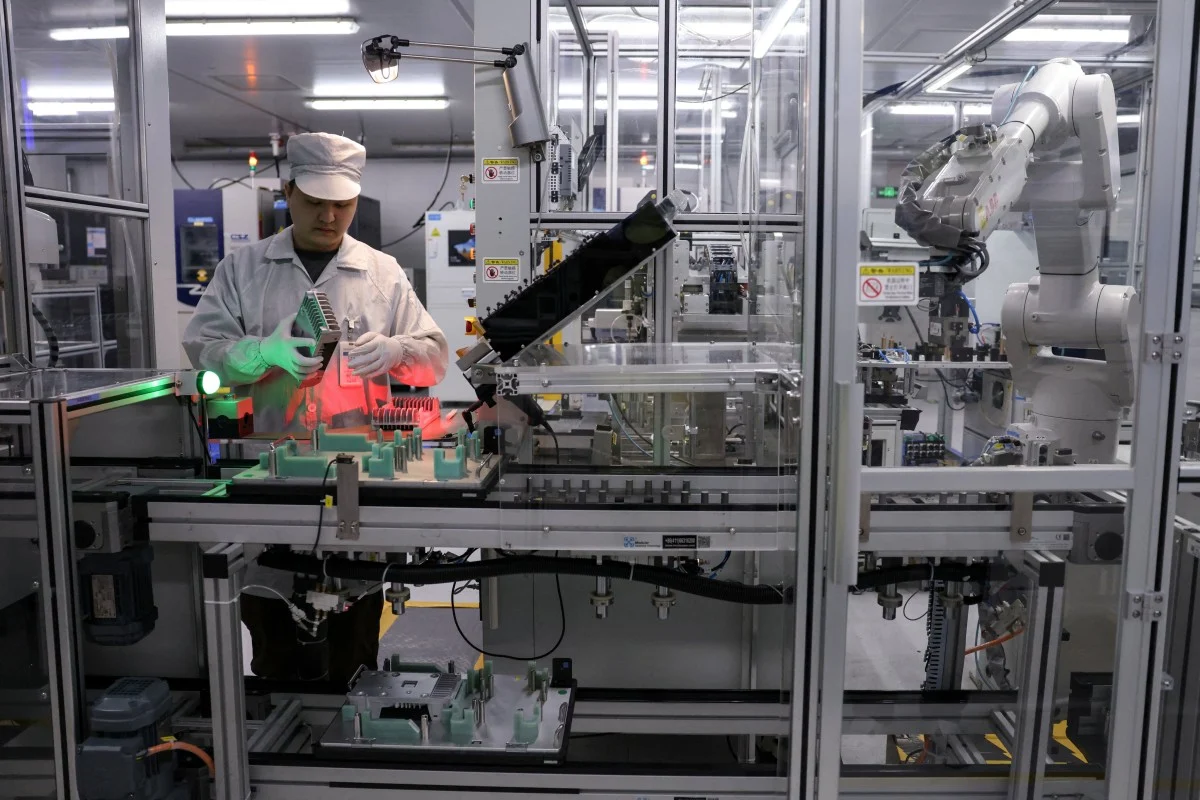
广东官员还表示,他们希望年主营业务收入达2000万元人民币(约合298万美元)或以上的制造企业中,人工智能的采用率在两年内超过50%。
Guangdong officials also said they want the AI adoption rate among manufacturers with annual main business revenue of 20 million yuan (US$2.98 million) or higher to exceed 50 per cent within two years.
工业机器人制造商库卡中国产品及售前技术总监舒阳在会上透露,公司顺德基地的核心部件本地化率已提升至90%以上,南方日报报道。他被引用称:“德国工厂生产的型号如今也能在中国生产,而一些在中国生产的型号不一定能在德国生产。”
Shu Yang, product and presales technology director at industrial robot maker KUKA China, told the conference the company’s Shunde base had raised its core component localisation rate above 90 per cent, Nanfang Daily reported. “Models produced at German factories can now also be made in China, while some models made in China cannot necessarily be produced in Germany,” he was quoted as saying.
广东省拥有10个产值均超过1万亿元人民币的产业集群,去年该省主要制造企业实现营收19.34万亿元人民币,居全国省份首位,《人民网》援引官方省级数据报道。
Major manufacturers in Guangdong, which has 10 industrial clusters each worth more than 1 trillion yuan, generated 19.34 trillion yuan in revenue last year, the highest among China’s provinces, People’s Daily reported, citing official provincial data.
上个月,广东省工业和信息化厅主办的一场“人工智能+”制造业活动中,该省透露,截至今年已有超过2000台具身智能机器人投入工业使用,用于分拣、装载、搬运、检测和协作任务。
At an “AI plus” manufacturing event hosted by Guangdong’s Department of Industry and Information Technology last month, the province disclosed that over 2,000 embodied-intelligence robots had entered industrial use this year for sorting, loading, handling, inspection and collaborative tasks.
除出口仍是少数亮点外,固定资产投资和消费仍然低迷。广东改革学会执行主席、与省政府有关联的智库广东改革学会的彭鹏表示,2028年的目标反映了向打造“世界级且具有全球竞争力”的制造业中心以及推广人工智能应用的战略转变。
Except for exports, which remain a rare bright spot, both fixed-asset investment and consumption remain sluggishPeng Peng, Guangdong Society of Reform , executive chairman of the Guangdong Society of Reform, a think tank associated with the provincial government, said the 2028 targets reflected a strategic shift towards building “world-class and globally competitive” factory hubs and integrating artificial intelligence applications.
他表示,省政府正在加大力度实现这些目标,以提振落后于全国平均水平的经济增长率。
The province was doubling down on those goals to shore up an economic growth rate that trailed the national average, he said.
“除出口仍是少数亮点外,固定资产投资和消费仍然低迷,”彭鹏说。然而,除了房地产行业,投资“前景不错”,这得益于先进制造业和高技术行业的强劲增长。
“Except for exports, which remain a rare bright spot, both fixed-asset investment and consumption remain sluggish,” Peng said. However, apart from the property sector, investment “looks decent, driven by strong growth in advanced manufacturing and hi-tech sectors”, he said.
彭鹏补充说,人工智能为将广东的制造业基础与技术创新相结合提供了一条“有希望”的途径。
AI offered a “promising” way to combine Guangdong’s manufacturing base with technological innovation, Peng added.
广东成为制造业中心的崛起始于20世纪70年代末,这与前领导人邓小平提出的中国“改革开放”政策同步进行。
Guangdong’s rise to become a manufacturing hub began in the late 1970s, coinciding with the introduction of China’s “reform and opening-up” policy under former leader Deng Xiaoping.
香港恒生大学讲师黄伟表示,目前尚不清楚国内和海外市场是否能够吸收到2028年设想的额外工厂产出。
David Wong, a lecturer at Hang Seng University of Hong Kong, said it was unclear whether domestic and overseas markets could absorb the additional factory output envisioned by 2028.
黄伟表示,工厂高度自动化可能会取代工人,导致工资降低和就业岗位减少,从而进一步限制家庭消费。
Heavy factory automation could displace workers, resulting in lower wages and fewer jobs that would impose further constraints on household spending, Wong said.
他补充说,随着美国和欧盟审查中国高技术产品并推进贸易谈判,广东工厂的出口面临不确定性。中国和欧盟本月达成了一项贸易协议,将对中国混合动力汽车出口到欧洲实施严格配额。
Exports from Guangdong’s factories face uncertainty as the United States and the European Union scrutinise Chinese hi-tech products and pursue trade negotiations, he added. China and the EU reached a trade deal this month that would impose strict quotas on Chinese hybrid car exports to Europe.