字号·· | 护眼
卫报

寻找颤音:科学家能否利用人工智能和导师帮助鸟类记住失传的歌声?Trill seekers: can scientists use AI and tutors to help birds remember lost songs?

点「原文对照」整页切到原文,或双击某段只看那段的原文。

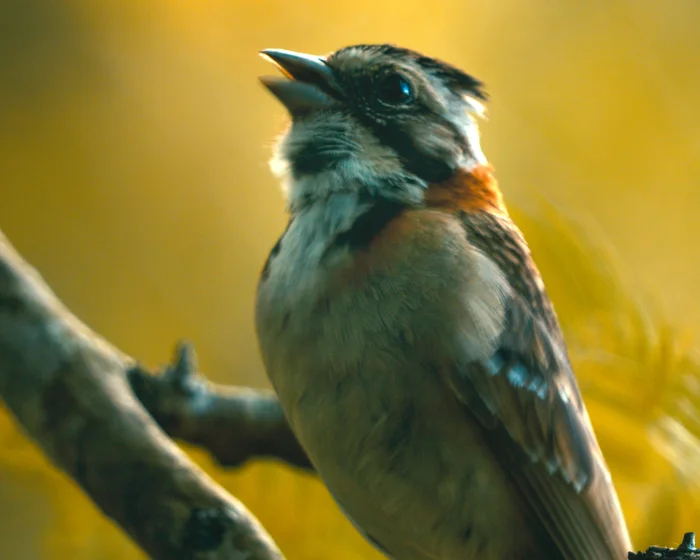
红领山雀。这种鸟的鸣叫声,其中一些已经不再被听到,已通过计算机根据1960年代所作的注释重新再现。世界上约10,000种鸟类中有约4,000种是鸣禽,如雀科、麻雀和黑鸟。摄影:Martín BenchimolA rufous-collared sparrow. The bird’s songs, some of which are no longer heard, have been recreated with a computer from annotations made in the 1960s. About 4,000 of the world’s 10,000 bird species are songbirds, such as finches, sparrows and blackbirds. Photograph: Martín Benchimol

当鸟类种群数量减少时,幼鸟可能会难以学会正确的鸣叫声来吸引配偶。然而,关于鸟类交流方式的研究为这些物种的生存带来了希望。

聆听鸟鸣是人生的一大乐趣,但当研究人员在布宜诺斯艾利斯的一个公园里听到一段特别的鸣叫声时,他们特别兴奋。

When populations fall, fledglings can struggle to learn the right notes to attract mates. But research on how birds communicate offers hope for species’ survival Listening to birdsong is one of life’s great joys, but when researchers heard a particular tune emerging from a tree in a Buenos Aires park, they were especially jubilant.
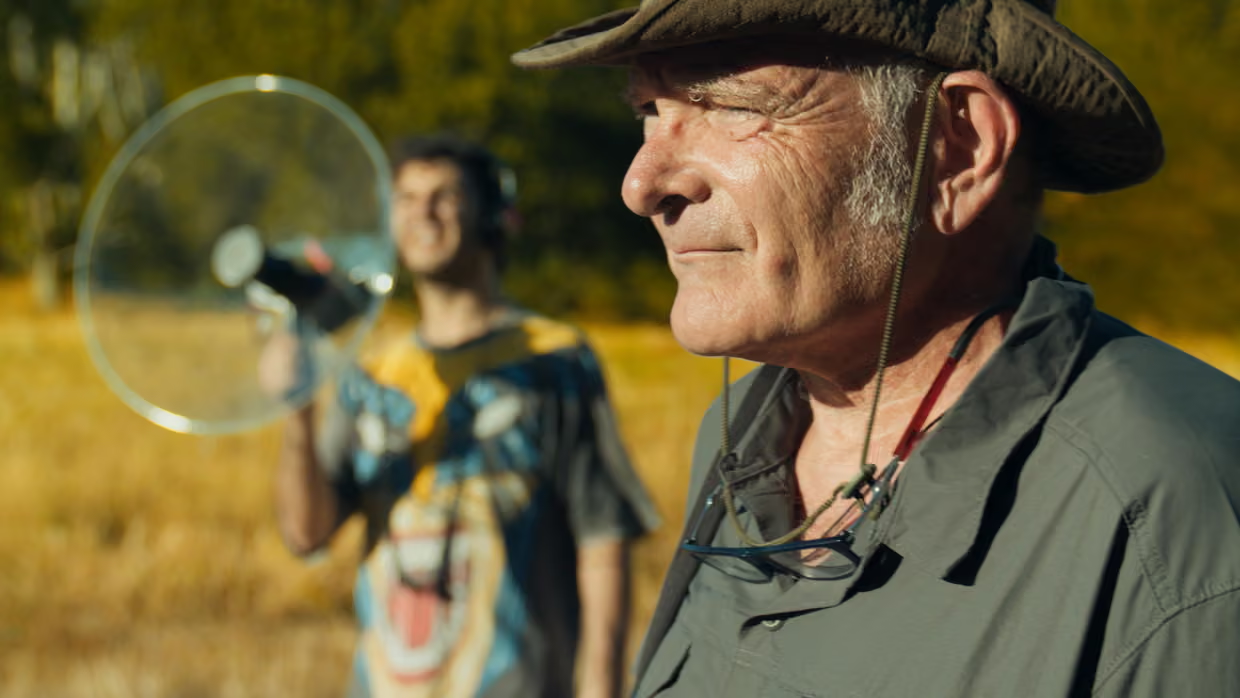
《守望者》制作的纪录片《鸟的梦》Guardian-produced documentary Dream of Birds
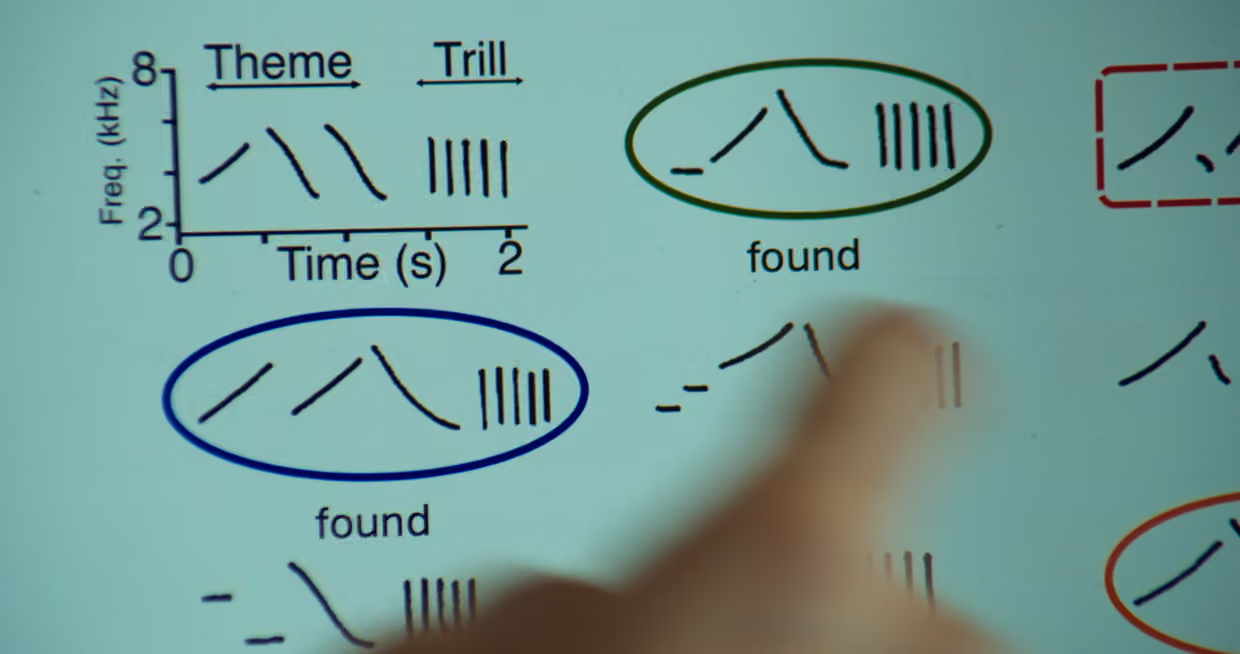
对1960年代所作的红领山雀鸣叫手绘注释的再现。几十年前录制的一些主题已经消失。摄影:Martín BenchimolRecreations of hand-drawn annotations of rufous-collared sparrow songs made in the 1960s. Some of the themes recorded decades ago have died out. Photograph: Martín Benchimol

这段旋律曾在20世纪60年代由当地的红领麻雀演唱过,但后来在该地区消失了。

This arrangement was among those chirped by the local rufous-collared sparrows in the 1960s, but had since disappeared from the area.
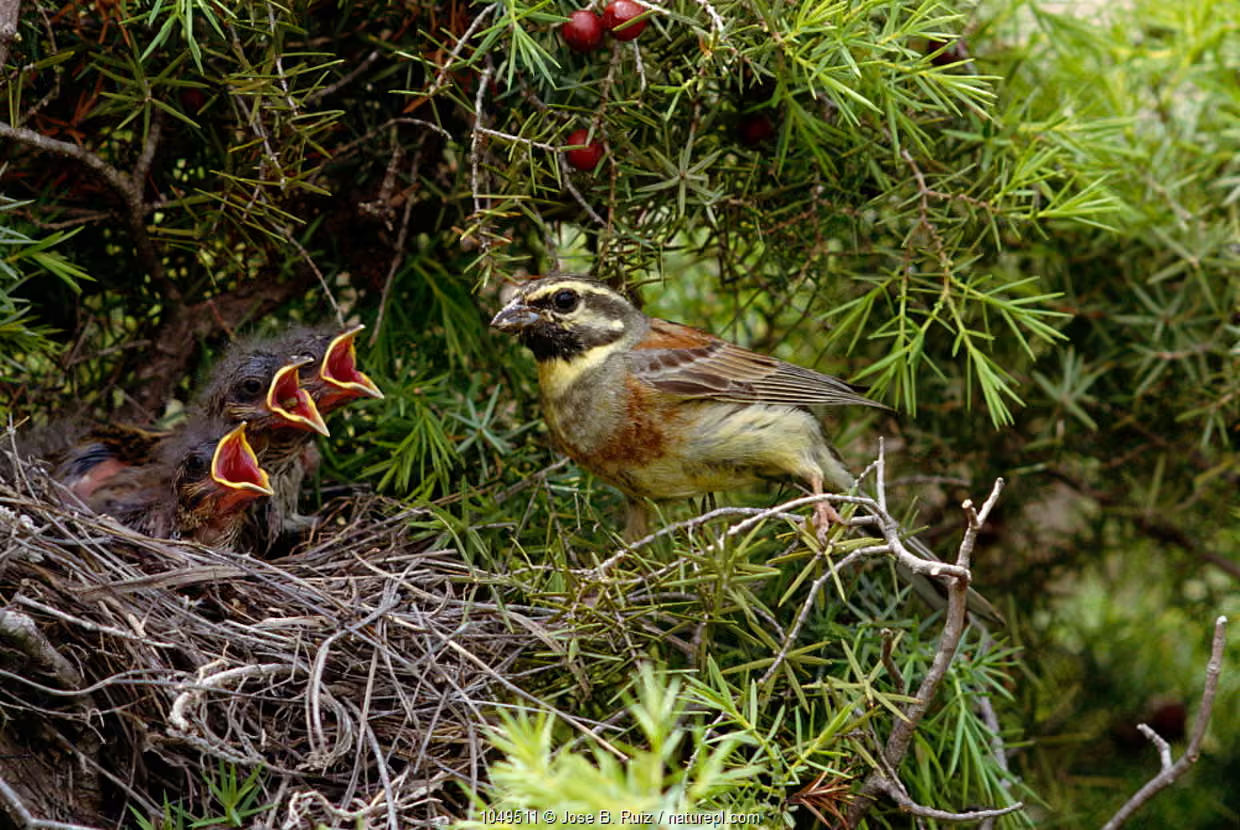
一只带着雏鸟的雄性纵纹鹀——这些鸟出生时就具备构成其歌曲中“音符”要素的知识。摄影:José B Ruiz/naturepl.comA male cirl bunting with chicks – the birds are born with knowledge of the elements that make up the ‘notes’ used in their songs. Photograph: José B Ruiz/naturepl.com

直到科学家们制作了一段计算机生成的版本,想要看看鸟类是否会认为它足够真实而模仿它。不到三个月后,一只当地的鸟类就开始模仿这段歌声的某些部分。

That was until scientists created a computer-generated rendition, curious to find out if birds might consider it realistic enough to imitate. Less than three months later, a local avian resident began to copy parts of the song.
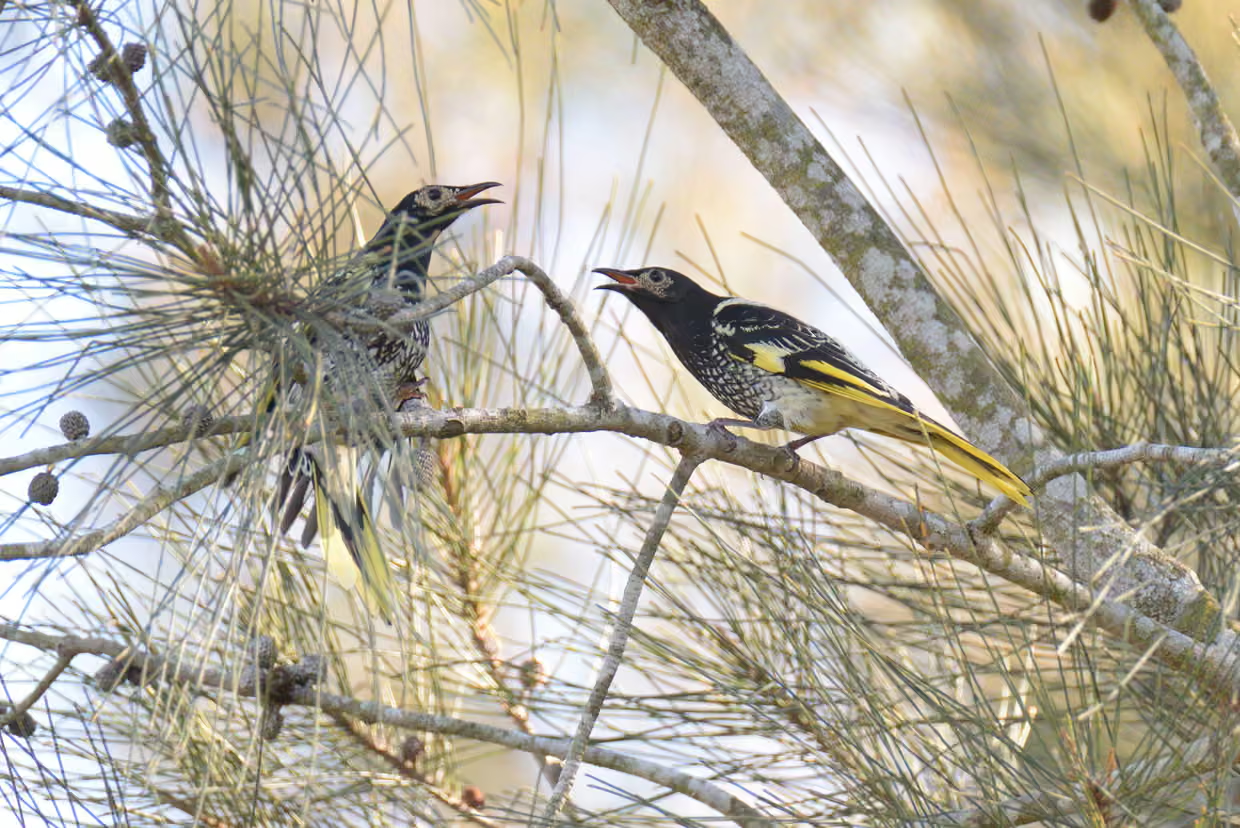
澳大利亚新南威尔士州的一对极度濒危的金腰蜜雀。摄影:RCAustralia/AlamyA pair of critically endangered regent honeyeaters in New South Wales, Australia. Photograph: RCAustralia/Alamy