
10月13日:那些破坏法国数百家超市制冷系统的黑客,正是利用了如今日益普及的设备联网功能——而这些设备过去大多仅具备机械功能。
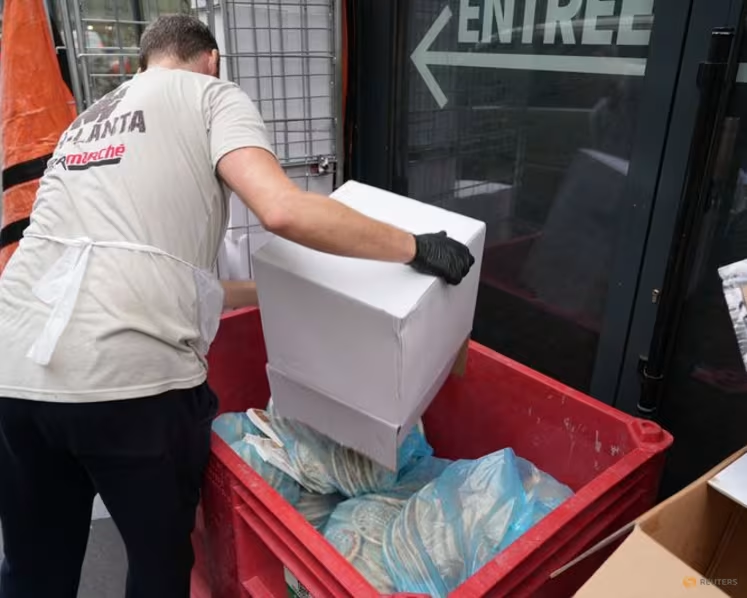
Oct 13 : Hackers who sabotaged refrigeration systems at hundreds of French supermarkets exploited the growing connectivity of equipment that was once largely mechanical.
如今,从冰箱、供暖系统到监控摄像头和报警网络,越来越多的设备都能实现远程监控与控制,这也为网络犯罪分子创造了可乘之机。黑客真的能入侵我的冰箱吗?
From refrigerators and heating systems to security cameras and alarm networks, an expanding range of devices can now be monitored and controlled remotely, creating new opportunities for cybercriminals. CAN HACKERS REALLY GET INTO MY FRIDGE?
理论上来说是可以的。只要设备直接或间接通过互联网、应用程序、云服务或家庭网络相连,就有可能遭到黑客攻击。
In theory, yes. If a device is connected to the internet, directly or through an app, cloud service or home network, it can potentially be hacked.
2015年,研究人员在拉斯维加斯的一场黑客技术大会上演示了如何入侵三星智能冰箱,并成功截获了通过该设备传输的部分网络数据。
In 2015, researchers demonstrated at a Las Vegas hacking conference how a Samsung smart refrigerator could be compromised, allowing them to intercept some of the internet traffic passing through the device.
多数情况下,攻击者的目的更多是窃取数据、破坏服务,或是利用这些联网设备作为跳板来侵入更大的网络系统。哪些家用设备容易遭到攻击?最常见的攻击目标就是那些可联网且能远程控制的设备。
In many cases, attackers are more interested in stealing data, disrupting services or using connected devices as a way into a larger network. WHAT HOUSEHOLD DEVICES COULD BE HACKED? The most common targets are devices connected to the internet and controlled remotely.
这类设备包括监控摄像头、可视门铃、报警系统、智能门锁、恒温器以及中央供暖系统。如果智能冰箱、烤箱、洗衣机等家电也接入了互联网,同样存在安全隐患。甚至现在有些电动牙刷也具备了联网功能。
These include security cameras, video doorbells, alarm systems, smart locks, thermostats and central heating systems. Smart appliances such as refrigerators, ovens and washing machines can also be vulnerable if they are connected to the wider internet. Even some toothbrushes are now internet-connected.
据网络安全行业数据显示,在所有针对联网设备的攻击中,超过四分之三的攻击目标都是路由器而非家电设备。
Routers, not appliances, account for more than three-quarters of all attacks on connected devices, according to security-industry data.
随着制造商不断为原本纯机械结构的产品添加联网功能,这类联网设备的数量也在迅速增长。黑客入侵后究竟能做什么呢?
The number of such devices has grown rapidly as manufacturers have added internet connectivity to products that were once entirely mechanical. WHAT COULD A HACKER ACTUALLY DO?
一旦成功侵入某台设备,黑客通常能实施两种操作:收集信息或完全控制该设备。
Once inside a device, a hacker can generally do one of two things: gather information or take control of the device.
摄像头可拍摄到房屋内部情况,带麦克风的装置能采集声音,而被攻破的路由器则能泄露所有经由该网络传输的数据。
A camera can show the inside of a home, a device with a microphone can pick up sound, and a compromised router can expose everything that travels through the network.
能够控制设备的黑客可以随意开关设备、修改设置,甚至阻止用户登录自己的账户。遭到入侵的恒温器可能影响室内供暖效果,而被黑客控制的冰箱或冷柜则可能导致温度调节失灵。
Hackers who take control of a device can switch it on or off, change settings or lock users out of their accounts. A compromised thermostat could affect heating, while a hacked freezer or refrigerator could disrupt temperature controls.
在更为严重的情况下,攻击者可能利用安全防护薄弱的设备来侵入同一网络中的其他系统,或者窃取与各类在线账户相关的个人信息。黑客能否控制我的汽车、供电系统或供水系统?
In more serious cases, attackers may use poorly secured devices to gain access to other systems on the same network or to steal personal information linked to online accounts. COULD HACKERS TAKE OVER MY CAR, ELECTRICITY OR WATER SUPPLY?
网络安全研究人员曾多次发现联网汽车存在的漏洞。2015年,研究人员通过互联网连接的娱乐系统远程控制了正在行驶中的吉普车,这一事件促使约140万辆汽车被召回并安装了软件补丁。
Cybersecurity researchers have repeatedly demonstrated vulnerabilities in connected vehicles. In 2015, researchers remotely took control of a moving Jeep through its internet-connected entertainment system, forcing the recall of about 1.4 million vehicles and the deployment of software fixes.
近十年后,研究人员又发现了一个漏洞:仅凭车牌号码便可追踪、解锁并启动某些起亚品牌的汽车。据称,研究人员已将此漏洞告知起亚公司,后者在数月内完成了修复,目前尚无证据表明该漏洞曾被用于实际攻击。
Nearly a decade later, researchers disclosed a flaw that allowed them to track, unlock and start certain Kia vehicles using only a licence plate number. The researchers said they reported the vulnerabilities to Kia, which fixed them within months, and there was no evidence they had been exploited in real-world attacks.
现代汽车与飞机在设计时均配备了完善的安全防护及备用系统。至于电力、供水等关键基础设施,通常也设有多层安全防护、监控与管理机制,这些在普通消费级设备中是不具备的。
Modern vehicles and aircraft are also designed with extensive safety and backup systems. Critical infrastructure such as power and water networks generally has multiple layers of security, monitoring and regulation that are not present in consumer devices.
但这并不意味着这些系统完全不受网络攻击影响;只是相较于连接在家庭Wi‑Fi网络上的普通家电而言,它们要成为攻击目标的难度要大得多。普通用户该如何保护自己的设备?
That does not mean they are immune from cyber attacks, but they are typically much harder targets than a household appliance connected to a home Wi‑Fi network. HOW CAN PEOPLE PROTECT THEIR DEVICES?
网络安全专家普遍建议:更换设备的默认密码,在条件允许的情况下启用双重身份验证,并定期安装软件更新。此外,用户还应淘汰或替换那些已不再获得安全更新的设备;尽量将大多数设备置于本地网络中,仅在确有必要时才将其接入互联网。
Cybersecurity experts generally recommend changing default passwords, enabling two-factor authentication where available and regularly installing software updates. Consumers should also remove or replace devices that no longer receive security updates, keep most devices on a local network and only connect products to the wider internet when there is a clear reason to do so.
最简单的规则往往也最有效:联网设备越少,黑客可利用的入侵途径也就越少。
The simplest rule is often the most effective: the fewer connected devices you have, the fewer potential entry points exist for attackers.