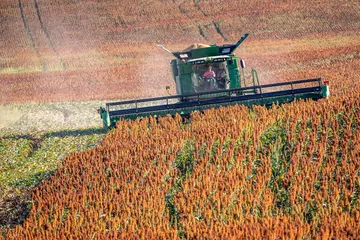
巴西对美国农业日益形成的挑战正蔓延至另一种农作物:高粱。此前,美国已在大豆、棉花以及牛肉等其他农产品领域将主导地位让给了巴西。如今,这种耐旱性极佳、深受亚洲买家青睐的高粱也面临同样风险——美国农民可能失去这一市场的份额。
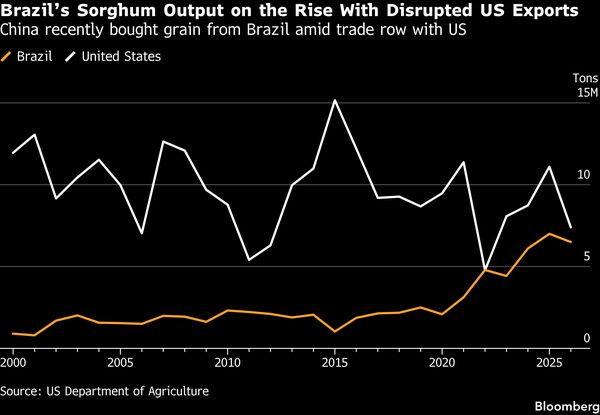
Brazil’s growing challenge to US agriculture is spreading to another crop: sorghum. Having already ceded leadership to Brazil in soybeans and cotton, as well as other agricultural products including beef, US farmers now risk losing ground on a drought-tolerant grain long prized by Asian buyers. Brazil has just shipped its first-ever cargo of sorghum to China, and is boosting output to nearly match the US.
巴西刚刚向中国出口了首批高粱货物,并正着力提升产量,力求接近美国的水平。与此同时,贸易摩擦与出口需求的不稳定性使得美国种植户在收获季陷入困境,人们愈发担心高粱会成为全球农产品供应格局向南美洲倾斜趋势下的又一名“牺牲品”。
That comes as trade friction and erratic export demand leave American growers stranded during harvest season, raising worries that the grain will become the next casualty in a broader shift toward South American supply. “Brazil is not that much further behind the US these days,” said Tim Lust, chief executive officer of the National Sorghum Producers Association, based in Lubbock, Texas.
“如今巴西与美国的差距已大幅缩小,”位于德克萨斯州卢博克的美国国家高粱生产者协会首席执行官蒂姆·卢斯特说道,“他们在高粱种植方面发展迅猛,其他许多农作物也是如此。”此外,美国还面临着澳大利亚与阿根廷的竞争,这两个国家同样向中国出口高粱,且分别位居全球第二、第三大高粱出口国之列。
“They’ve certainly been growing rapidly in sorghum, like they have in a lot of crops.”The US is also vying against Australia and Argentina, which both supply China and rank as the world’s second- and third-largest exporters of the grain.
对美国农民而言,难题在于:高粱最大的出口市场同时也是最难以预测的市场。
The challenge for US farmers is that the crop’s biggest export market has also been one of its least predictable.
中国主要将高粱用作生猪饲料及酿造白酒的原料。十多年前,中国从美国进口高粱的金额一度超过20亿美元。然而在特朗普总统任内中美贸易摩擦升级的2019年,这一数值骤降至约1.86亿美元;到2025年更是进一步跌至仅8600万美元。目前,由于国内高粱供应充足,中国的进口需求依然疲软。这种剧烈波动让美国农民在决定种植何种作物时难以把握方向。
China uses sorghum mostly to feed hogs and make the clear liquor baijiu, and its purchases of the US grain once topped $2 billion more than a decade ago. But exports plunged to about $186 million in 2019 during President Donald Trump’s initial trade war with China and fell to just $86 million in 2025. Demand for imports in China currently remains weak amid ample domestic supplies. The swings present an unreliable signal for US farmers deciding what to plant. Sorghum, typically a cheaper alternative to corn, is already being squeezed out in states such as Nebraska by corn and soybeans, which generally offer bigger yields and a broader base of demand.
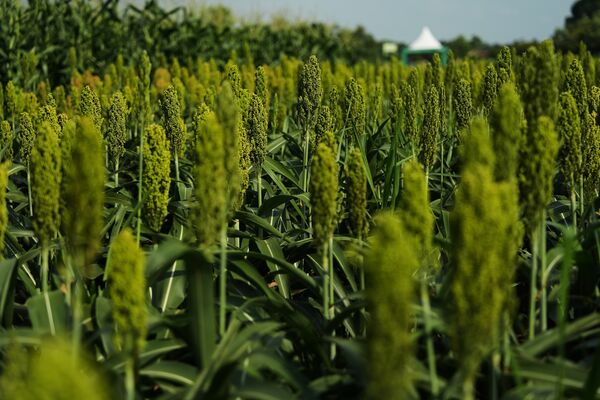
作为玉米的廉价替代品,高粱原本具备一定市场优势,但如今在内布拉斯加州等州却正被玉米与大豆排挤——后两者不仅产量更高,市场需求也更为广泛。
US output is set to drop 33% this season from a year earlier after farmers planted less and drought in the southern Plains hurt yields.
受种植面积缩减以及美国南部大平原地区干旱导致产量下降的影响,本季美国高粱产量预计将较去年同期减少33%。
“We’re obviously in a competitive world, and that’s reality,” said Lust.
“我们显然生活在一个充满竞争的世界中,这是现实,”卢斯特说道。“因此,对我们来说,达成这些贸易协议、实现业务增长、并满足现有客户的市场需求就显得尤为重要。”上个月,卢斯特给特朗普写了一封信,请求美国政府确保中国每年购买500万至700万吨美国高粱。根据特朗普与习近平在9月会晤后两国发布的声明,中国将降低对美国高粱以及小麦和玉米的进口关税。不过,一些农民正在寻找彻底摆脱出口市场不确定性的办法。
“That’s why it’s much more important for us to get these trade deals worked out and be able to grow and produce, and meet the market demands of the customers we have.”Lust sent a letter to Trump last month asking the administration to secure annual commitments for China to buy 5 million to 7 million tons of US sorghum. China is set to reduce duties on US sorghum, as well as wheat and corn, according to lists released by the two countries following a September summit between Trump and Xi Jinping. Some farmers are instead looking for ways to escape the uncertainty of export markets altogether. Brad Dusenbery raises about 700 acres in Nebraska and is building a small stone mill in Beatrice, in the southeastern corner of the state, where he aims to make an all-purpose sorghum flour for products ranging from cookies to hamburger buns.

布拉德·杜森伯里在内布拉斯加州经营着约700英亩的土地,并在该州东南部的比阿特丽斯市建造了一家小型面粉厂,他计划生产可用于制作饼干、汉堡面包等各种产品的通用高粱面粉。他正在转向有机农业生产方式,并打算不再依赖出口市场,因为他对贸易形势的稳定性缺乏信心。“我的目标就是彻底退出出口业务,”他说。
He’s transitioning to organic production methods and plans to avoid relying on exports, having little hope for any consistency on trade. “My whole goal is to be out of the export business,” he said. Brazilian farmers, meanwhile, are moving in the opposite direction.
与此同时,巴西的农民们则采取了相反的方向:高粱已成为巴西主要的农作物之一,通常在大豆收获后种植。美国农业部在去年的报告中指出,这种作物非常适合巴西各地的气候和土壤条件。巴西最大的乙醇生产商Inpasa Agroindustrial SA也支持高粱产业的发展——该公司最近新建了能够同时加工玉米和高粱的工厂。过去四年里,巴西的高粱产量翻了一番多,预计未来产量还会继续增长。Rabobank预测,到2031年,巴西的高粱产量可能达到1000万吨,而上一季的产量仅为约600万吨。
Sorghum has increasingly caught on as a second crop there, planted after soybeans are harvested. The US Department of Agriculture said in a report last year that the grain is “widely adapted” to the climate and soil conditions of various regions in Brazil. It has the backing of major ethanol manufacturers like Inpasa Agroindustrial SA — the nation’s largest ethanol producer has recently started up new plants that can process both corn and sorghum. Brazil has more than doubled sorghum production over the past four years, and further expansion is expected. Rabobank estimates output could reach as much as 10 million metric tons by 2031, up from roughly 6 million last season.
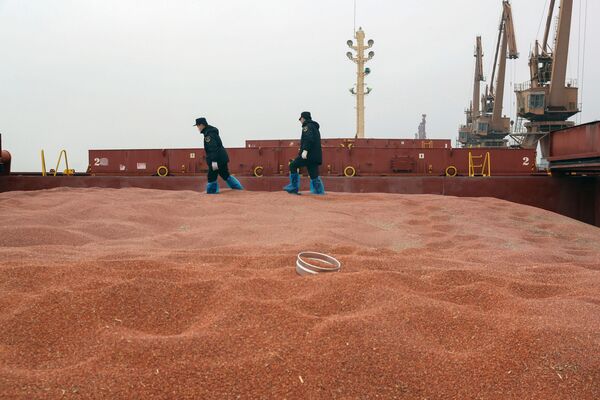
这种不断扩大的产量如今有了一个主要的新出口渠道。中国国有粮食贸易商中粮国际于8月装运了首批发往中国的巴西高粱,这激发了乐观情绪,认为巴西可以在全球市场上挑战美国。
That expanding production now has a major new outlet. China’s state-owned crop trader Cofco International loaded the first-ever cargo of Brazilian sorghum bound for China in August, fueling optimism that the country can challenge the US in the global market.
“人们已经在谈论巴西将在几年内超越美国成为世界最大生产国,”巴西国有农业科研公司巴西农牧研究公司(Embrapa)研究员弗雷德里科·博特略说。
“People are already talking about Brazil surpassing the US as the world’s top producer in a few years,” said Frederico Botelho, a researcher at Brazil’s state-owned agriculture science company Embrapa.
据出口商协会ANEC汇编的数据,今年截至10月底,多达240万吨高粱将从巴西港口装运,主要发往中国。相比之下,2025年没有任何有意义的出货量。
As much as 2.4 million tons of sorghum are set to load from Brazilian ports this year through the end of October, mostly to China, according to data compiled by exporters group ANEC. That compares with no meaningful shipments in 2025.
“中国一直发出信号,表明不想依赖单一供应商,希望实现多元化,”总部位于米纳斯吉拉斯州的当地粮食仓储贸易公司Agrobom商业总监马可·卡斯泰利说。
“China has always signaled it doesn’t want to depend on one single supplier and wants to diversify,” says Minas Gerais-based Marco Castelli, commercial director at local grains storage and trading company Agrobom.
他补充道,这意味着巴西高粱市场具备了发展和壮大所需的条件。“在我看来,这是一个将长期存在的市场。”
This means the Brazilian sorghum market has what it needs to develop and grow, he added. “To me, this is a market that’s here to stay.”