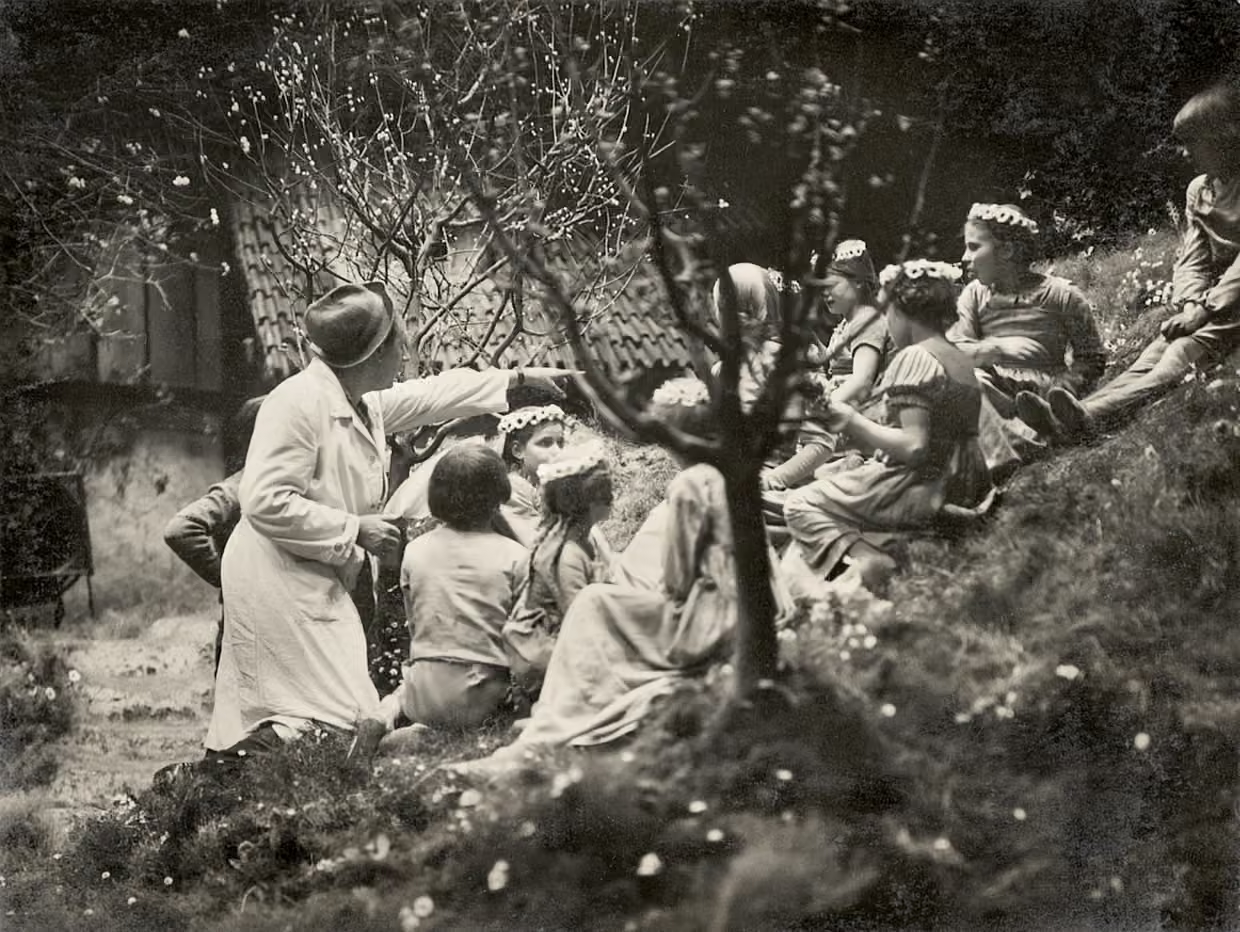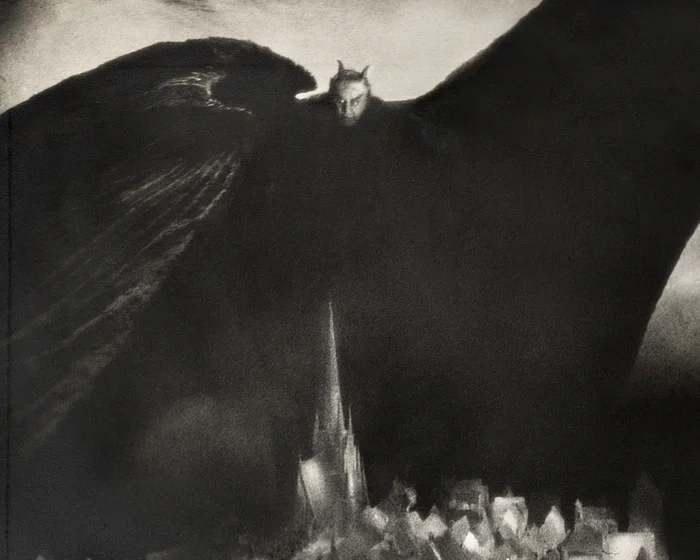
一份重新发现的图片和现场照片收藏终于揭示了早期电影界最有天赋且最神秘的先驱之一FW·穆瑙的复杂现场谜题。穆瑙是有史以来最伟大的无声电影制作人之一,具有在银幕上创造美丽画面的罕见天赋。他的同事常说他“有一个摄像头代替了大脑”。执导过诸如吸血鬼故事《诺斯费拉图》(1922)和婚姻浪漫《晨光:两个人的歌》(1927)等惊艳影片的他,于1931年因病去世,年仅42岁,这意味着他的事业刚好进入有声电影时代。
A rediscovered collection of drawings and on-set photos finally reveals the intricate on-set mysteries of one of early cinema’s most gifted and secretive pioneers FW Murnau was one of the greatest of all silent film-makers, with a rare genius for making beautiful images on screen. His peers liked to say he “had a camera instead of a head”. The director of such stunning films as vampire tale Nosferatu (1922) and marital romance Sunrise: A Song of Two Humans (1927) died at the age of 42 in 1931, meaning that his career barely scraped into the talkie era.
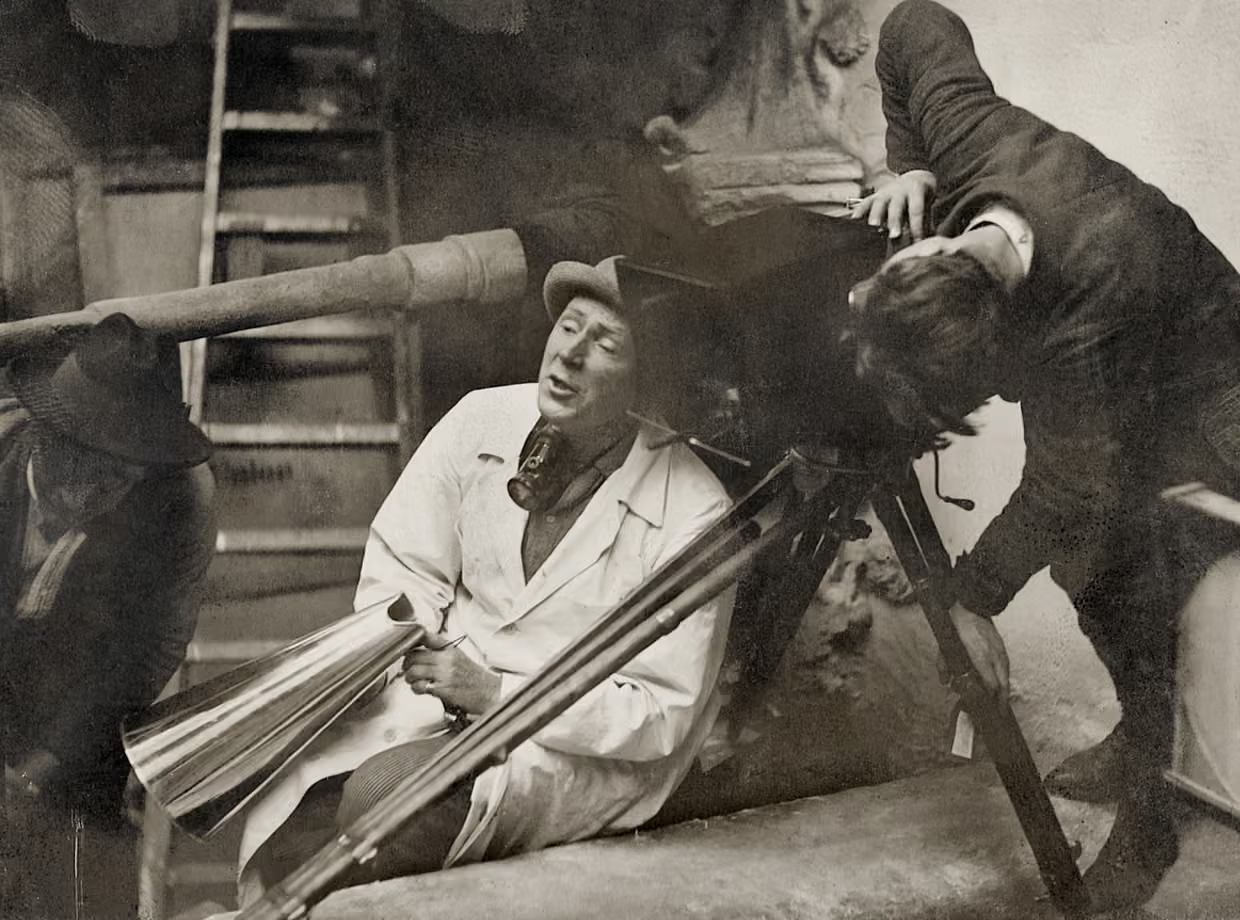
尽管如此,穆瑙的无声电影佳作连连,其中不乏美丽且常令人不安的经典之作,在这些影片中,他让摄像机在光影变幻的景色中游走,并探索人类灵魂的深处。这一点在他今年上映100周年的巅峰之作《浮士德》中表现得尤为明显,该片改编自歌德关于与魔鬼交易的戏剧。而《浮士德》的制作过程,就在一本惊艳的新书中被呈现出来,这本书既是该片制作的文献,也是从某种意义上说,是该片制作过程的一个文物。
Still, Murnau’s tremendous run of silent pictures included some beautiful, often disturbing classics, in which he sent his camera roaming through changing vistas of shadows and light, and plumbed the depths of the human soul. Nowhere more so than in his tour-de-force Faust, released 100 years ago this month, based on Goethe’s play about a deal with the devil. And the making of Faust is depicted in a stunning new book, which is both a document of, and in a sense an artefact from, the production of this classic film.
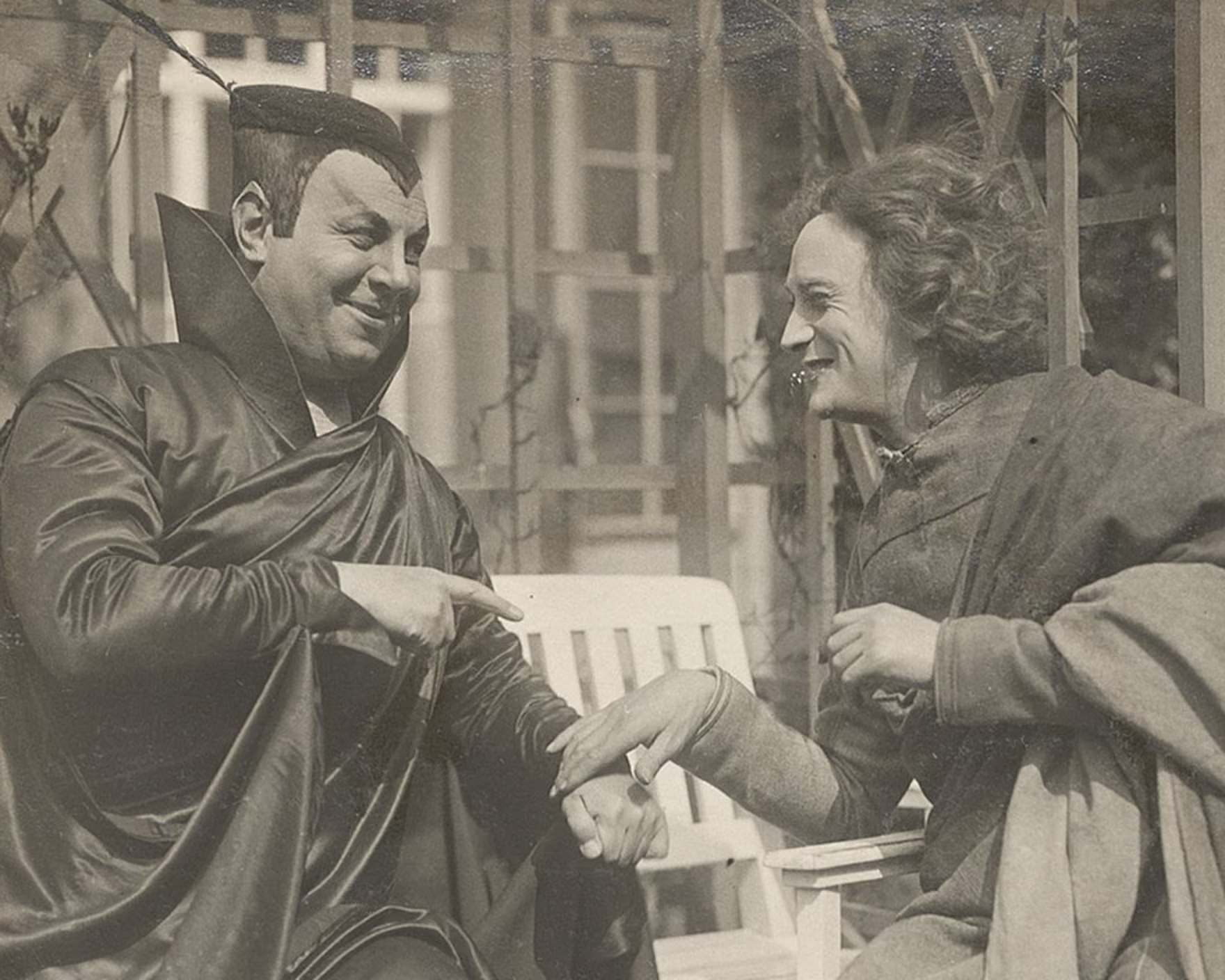
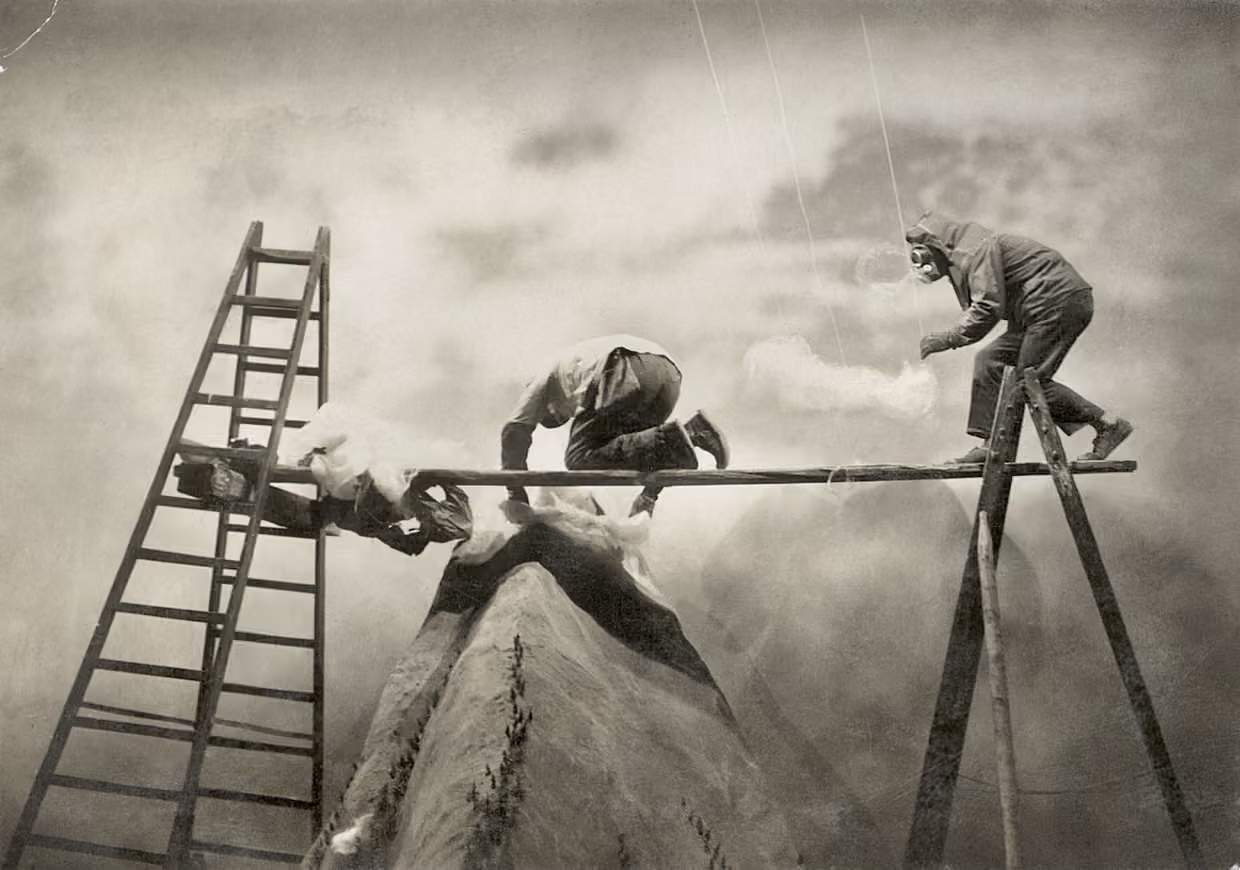
穆瑙也是最神秘的导演之一:他对自己的方法极为保密,对工作有着近乎痴迷的奉献精神。早期合作者埃德加·G·乌尔默曾称他为“在一种类似催眠状态下工作的彻底的纯粹主义者”。穆瑙禁止制片人进入他的拍摄现场,也不让高管观看他的未剪辑素材。除了少数例外,他不允许现场摄影来揭示他的摄影技巧和特效的秘密。
Murnau was also one of the most mysterious of directors: secretive about his methods, with an intense devotion to his work. Early collaborator Edgar G Ulmer called him “a great purist who worked under a sort of hypnosis”. Murnau banned producers from his sets, and executives from watching his rushes. Bar a few exceptions, he did not allow on-set photography to reveal the secrets of his camerawork and special effects.
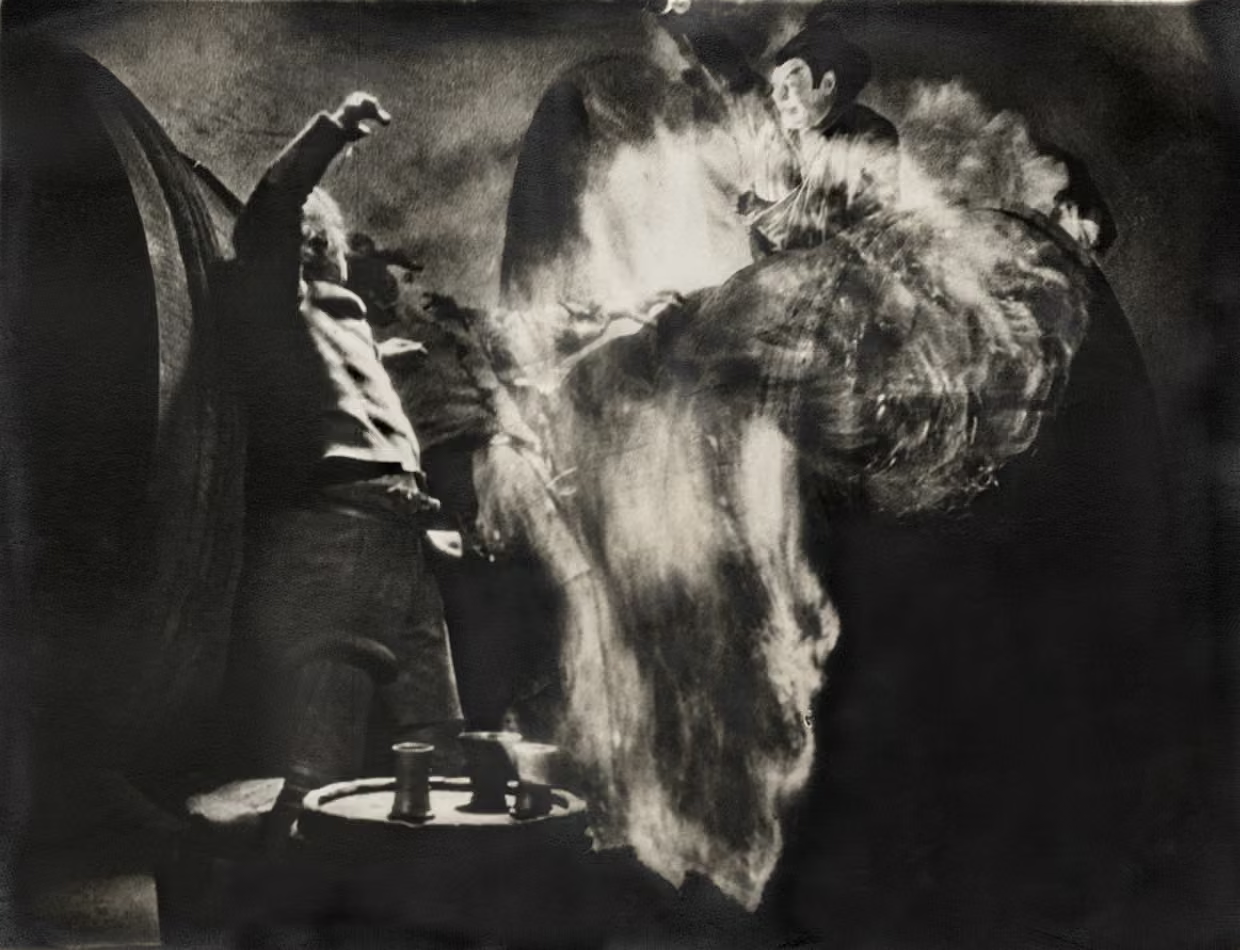
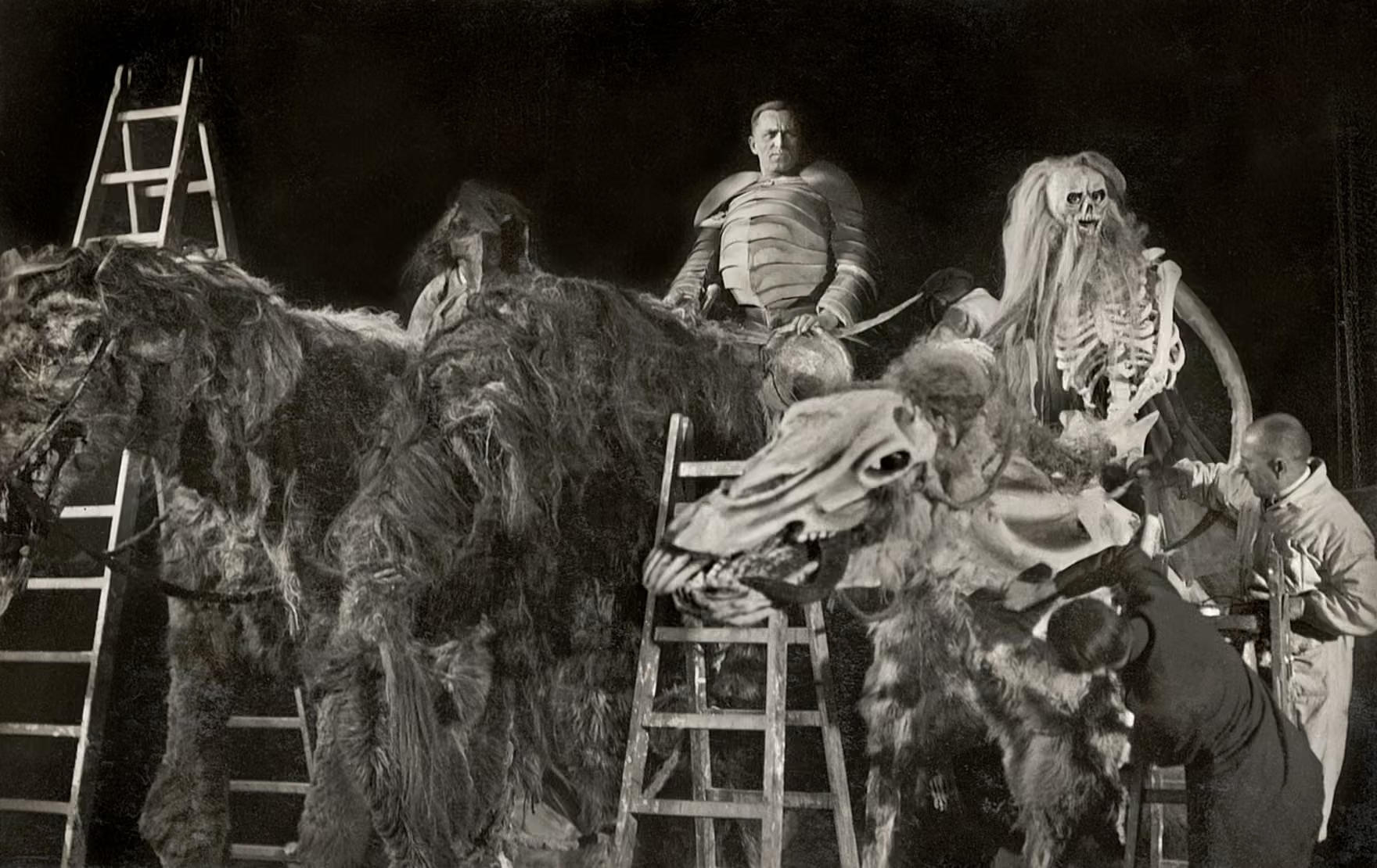
这种神秘感为人们提供了猜测的空间:究竟是穆瑙本人,还是他才华横溢的团队,应对他的电影成功负责。《浮士德圣经:FW·穆瑙杰作的制作》一书出版了他在拍摄他最佳影片之一时未曾见过的图片,并罕见地揭示了该片协作制作的方式。
This mystique created room for speculation as to whether Murnau, or his talented crew, were responsible for the success of his films. The Faust Bible: The Making of FW Murnau’s Masterpiece publishes unseen images from the shoot of one of his best films, and gives a rare insight into the collaborative way it was made.