今年,德国画家格奥尔格·巴塞利茨去世,欧洲日益稀薄的集体历史记忆也随之消逝了一部分。巴塞利茨生于1938年,童年时期亲历了希特勒统治下的德国与第二次世界大战;后来在东德长大,最终逃往西方并成为一名艺术家。他曾以犀利而坦诚的笔触描绘自己亲历的历史,如今,这位我有幸结识的健在的艺术家已不在人世。不过他为我们留下了珍贵的礼物:他在伦敦协助策划的一场展览,展出了他最令人震撼的历史题材画作——《英雄们》。
hen the German painter Georg Baselitz died this year a chunk of Europe's rapidly diminishing historical memory went with him. Baselitz was born in 1938, experienced Hitler's Germany and the second world war as a young child, then found himself growing up in communist East Germany before escaping to the west and becoming an artist. His acidic, honest perceptions of the history he'd lived through will no longer be those of the living person I was lucky enough to encounter. But he has left us a gift: an exhibition in London he helped plan of his most astonishing history paintings, The Heroes.
这些画作以冷酷无情的视角呈现现代历史,恐怖、厌恶与无法弥补的罪恶感弥漫在画面之中。然而其中也蕴含着一种可怕的快意——那是说出真相所带来的畅快。不难想象,1965年巴塞利茨执笔创作这些画作时,内心定是如释重负。虽然将他作品中那种狂暴的愤怒与虚无主义与朋克文化相提并论或许并不恰当,但这组巨型虚构肖像的标题却极具讽刺意味,读来犹如一记耳光。
It's a savage, merciless vision of modern history with feelings of horror, disgust and irreparable guilt hanging heavy in the poisoned air. But there's a terrible joy too, the thrill of speaking the truth. You sense the liberation Baselitz must have felt when he set brush to canvas to start these paintings in 1965. Comparing the explosive rage and nihilism of his art to punk may be inadequate but the title of this series of colossal imaginary portraits is so scathingly ironic it's like being spat at.
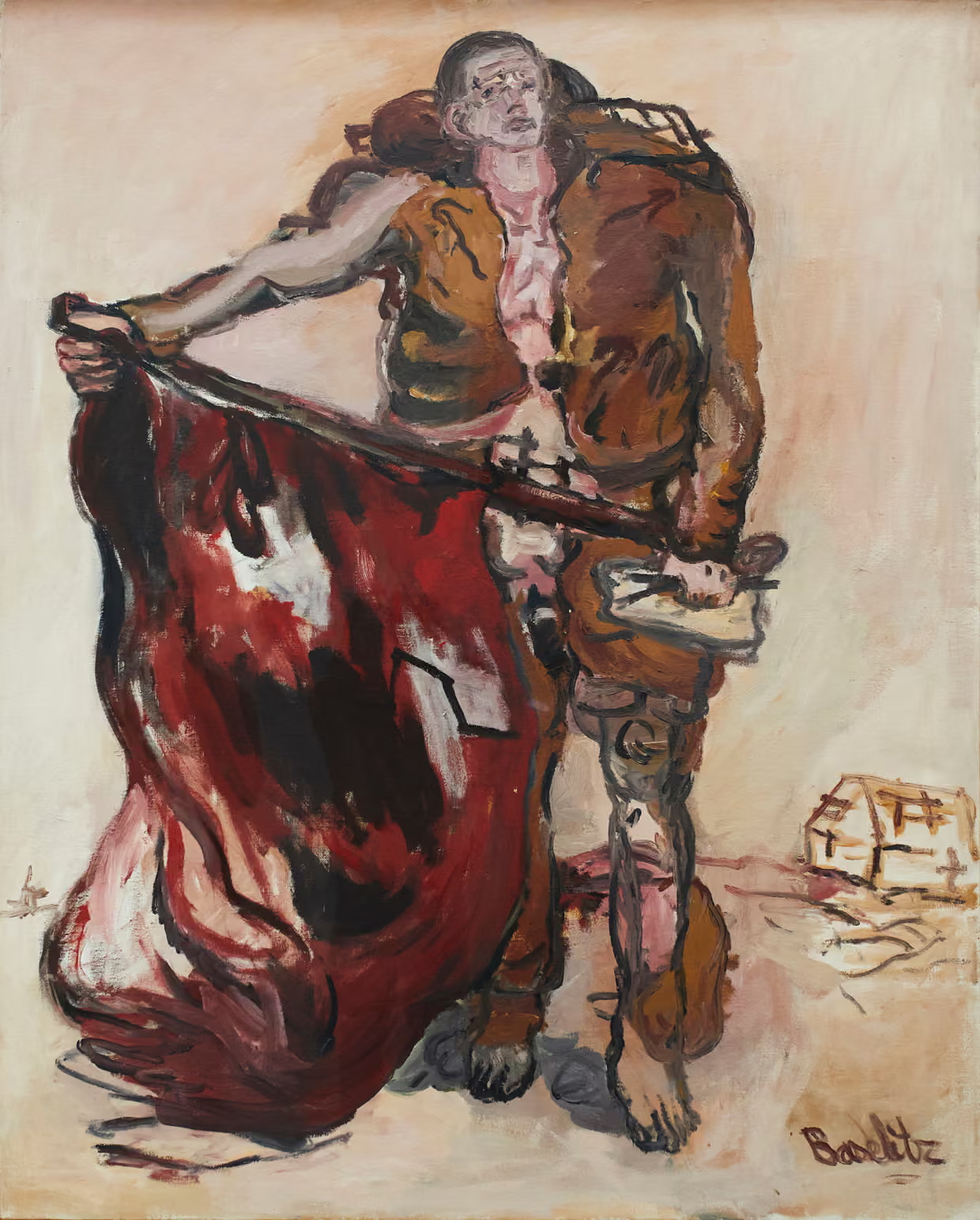
《持红旗者》描绘了一名身材魁梧却疲惫不堪的士兵,他手中举着一面半垂的旗帜,旗帜上只有红色与黑色的斑驳痕迹。那面旗帜宛如血旗,红色渐渐凝固成黑色结痂,隐约呈现出纳粹万字符号的轮廓。士兵周围是一片荒芜的废墟。我们该对他心生怜悯吗?不,他从未给予过任何人怜悯。他脚下这片满目疮痍的土地,正是被二战期间那些德国“英雄”们亲手摧毁的。上世纪60年代中期巴塞利茨创作这些充满愤怒情绪的致敬之作时,这些人正掌控着西德的各大银行与汽车企业。
Mit Rote Fahne – or With the Red Banner – depicts a massive, square-shouldered yet exhausted soldier holding a half-lowered flag that is a smear of red and black. A banner of blood, the redness congeals to form black scabs that suggest the shadow of the swastika. All around the soldier is a wasteland. Do we owe him compassion? No, he had none. The devastated world at his feet was destroyed by Germany's heroes who fought in the second world war. When Baselitz painted these furious homages in the mid-1960s, these men were running West Germany's banks and car companies.
另一幅名为《英雄》的画作中,一名留着长发、身着短裤制服的男子伫立在一片残破且血迹斑斑的荒原上。他双手托着两只鲜红的连指手套,似乎正准备甩掉这些沾满血污的累赘,从此以一双“干净”的双手继续生活下去。
Another long-haired Hero, in a uniform with shorts, stands in a trashed, blood-stained landscape. This bland-faced character balances two crimson mittens, preparing apparently to let them go and to live on without these gory encumbrances, with clean hands.
仿佛巴塞利茨正漫步在日益富裕的西德街头,看到人们脸上洋溢着健康与乐观的神情,不禁作呕——第二次世界大战的种种罪行竟能如此轻易地被抛诸脑后。这些画作在呐喊:大屠杀不过是20年前才结束的事啊!当时,进军希特勒帝国的军队发现了六百万犹太人遭系统性屠杀的现场——我们德国人又怎能昂首挺胸、趾高气扬呢?
It's as if Baselitz was walking around the increasingly affluent streets of West Germany, seeing healthy, optimistic faces and retching at how easily the crimes of the second world war could be shoved into the past. The Holocaust only ended 20 years ago, these paintings scream, when the armies advancing on Hitler's Reich discovered the places where six million Jews were systematically murdered – how can we Germans hold our heads high and strut on?
然而,倘若整个德国都深陷于耻辱之中,德国的艺术又该作何评价?巴塞利茨与他的艺术同侪约瑟夫·博伊斯、安塞姆·基弗均以直面德国历史著称,他们有时会被批评家指责为美化或沉溺于那段历史;但这些画作中却丝毫不见日耳曼式的宏大与荣耀。在《一位现代画家》一作中,巴塞利茨描绘了一位双手被捕兽夹牢牢夹住、无法作画的艺术家。
But if Germany is mired in shame, what about German art? Baselitz and his artistic peers Joseph Beuys and Anselm Kiefer, all of whom face German history head on, were sometimes accused by critics of glorifying it, or feasting on it, but there's no hint of Teutonic grandeur here. In Ein Moderner Maler – A modern painter – Baselitz depicts an artist who can't work because both hands are caught in man-traps.
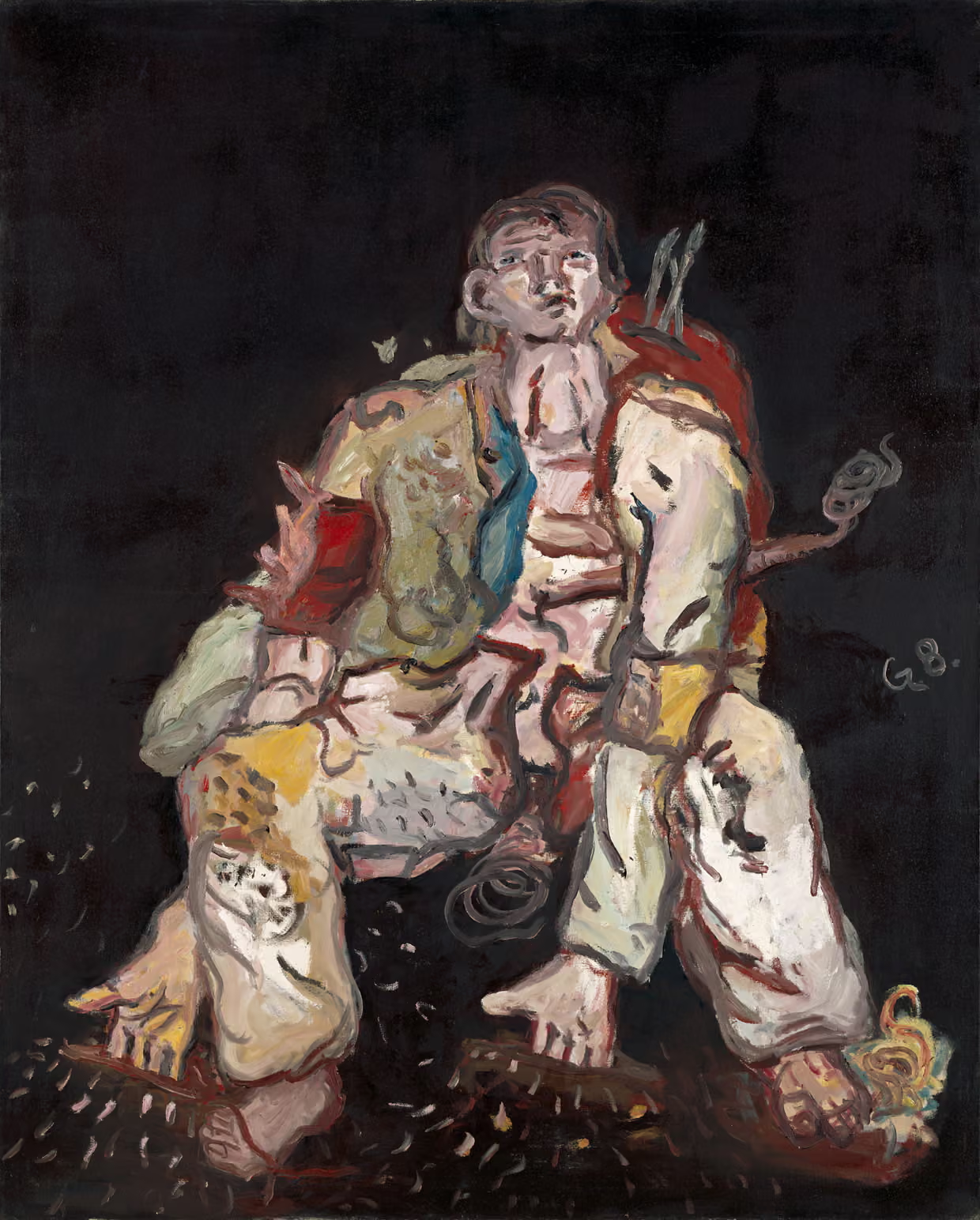
他身着带有臂章的军装,颓然坐在地上,与其他所有“英雄”一样既满心愧疚又近乎疯狂。他简直是在以夸张手法展现内心的痛苦:一团肠子散落在双腿之间,另一截肠子则从侧身处伸出,变成了螺旋状的猪尾巴。这便是这位德国艺术家浪漫而扭曲的内心世界——笑出来也无妨。他的头发紧贴头皮,留着一撇方形的小胡子,这让人联想到希特勒也曾自诩为艺术家。
He sits defeated on the ground in military-looking clothes with armbands, as guilty and mad as all the other Heroes. He literally spills his guts in a parody of inner angst: a curl of intestines lies between his legs, while another section of bowel emerges from his side and becomes a spiralling pig's tail. This is what the German artist's romantic inner life has become. It's OK to laugh. His hair is flattened on his head and he has a hint of a square moustache to remind you that Hitler, too, fancied himself an artist.
巴塞利茨对自己精湛的艺术造诣也怀有最深切的厌恶:这些绝妙的画作在诉说——绘画艺术已然破碎,再也无法为继了。画中那些笨拙失调的人物形象宛如弗兰肯斯坦式的怪物,由泥土与血肉的碎片拼凑而成,显得可悲又滑稽。有个士兵坐在树下,方形的脑袋安在同样方形的身躯上,两根树枝上滴下的鲜血正落在他的头上。他仿佛是穿在衣服里的幽灵——存在却又不存在。
Baselitz reserves his deepest disgust for his own artistic mastery: painting has been smashed, it is no longer possible, say these brilliant paintings. Their uncoordinated, lumpen figures look like Frankensteinian monsters, made from bits and pieces of mud and flesh pathetically sewn together. One soldier, sitting under the trees, has a square head on top of a slumped, square body as blood drips on his head from two branches. He is a ghost inside his garments, there and not there.
正是这种描绘人体的方式让巴塞利茨独树一帜。他与战后英国的具象派艺术家如培根、弗洛伊德几乎没有相似之处——那些艺术家始终试图描绘的是真实存在、充满生命力的躯体。而巴塞利茨笔下的躯体则充满抽象意味,带着讽刺与黑色幽默的色彩,其遭受的痛苦也显得荒诞不经。在《又一个英雄》这幅画中,一个英雄的裤链没拉,灰色的精液从黑色裤子中涌出;他傲然伫立于一片破碎的荒原之上。
This way of depicting the human figure makes Baselitz unique. He has little in common with British postwar figurative artists such as Bacon and Freud for whom there is always a real, pulsing body they're trying to record. Baselitz's bodies are abstract, designed with irony and black humour, their sufferings absurd. Another Hero stands with his flies undone, grey spurts of semen emerging from his black trousers as he towers over a shattered landscape.
他脸上洋溢着狂喜的神情,仿佛这一切都令他兴奋不已;而在他脚下则有一只迪士尼风格的鸭子,或许象征着他在战后生活中刻意装出的纯真模样。
His ecstatic expression tells us he's turned on by it all while at his feet is a Disneyish duck, an emblem perhaps of the innocence he will feign in postwar life.
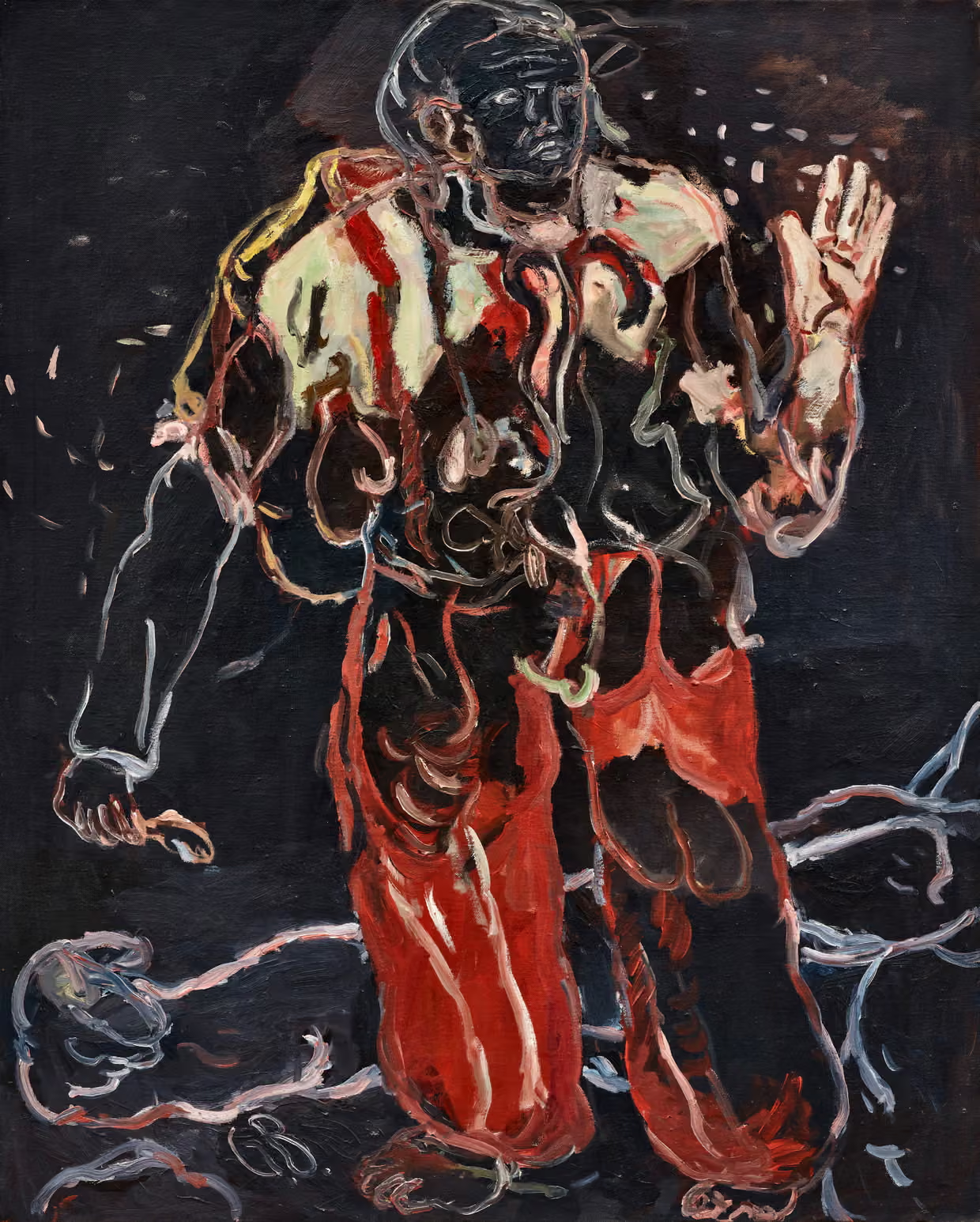
记忆的艺术究竟怎么了?经历了无数次艺术层面的反思、历史著作的撰写以及大屠杀纪念活动之后,德国的极右翼政党“德国选择党”却接连赢得选举。对各类极端分子而言,如今甚至无需否认大屠杀的存在——他们大可以漠然置之、将其轻描淡写,或断言那不过是遥远的过去罢了。于是,那些“英雄”们再度现身。巴塞利茨画下了其中一位:他穿着沾满血迹的裤子,挥手致意——或者说是在敬礼;脸上则带着模糊不清的影子。在欧洲的夜色中,白色的颗粒缓缓飘落,宛如雪花或灰烬。
What has happened to the art of memory? After all the artistic reckonings, the history books and Holocaust memorials, the far-right AfD is winning one election after another in Germany. For extremists of all hues it isn't even necessary to deny the Holocaust – nowadays you can shrug it off, trivialise it, dismiss it as belonging to the distant past. And the Heroes walk again. Baselitz paints one of them waving, or is it saluting, in blood-soaked trousers with a ghostly shadow of a face. Around him in the European night white flecks fall slowly, like snow or ashes.