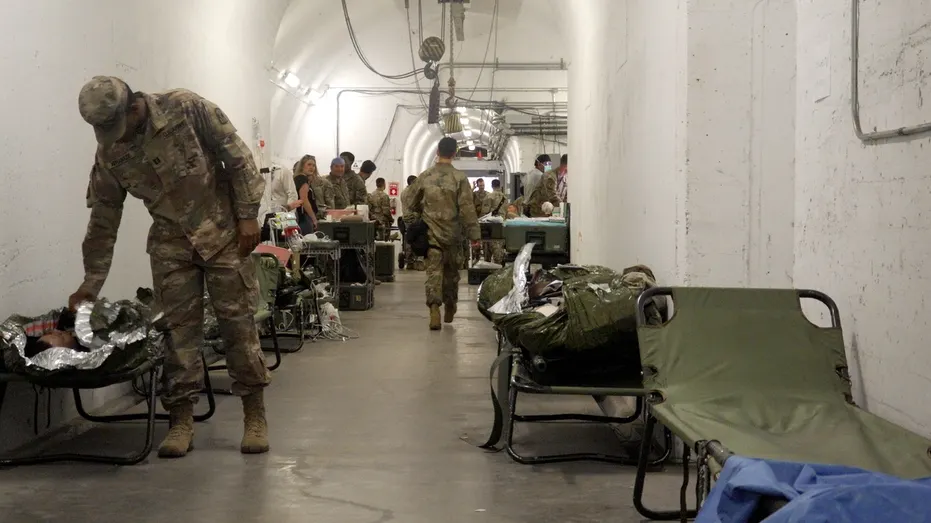
美国陆军公布了其计划,旨在让士兵在生物攻击中作战,而不是假设每一种威胁都能被阻止。
The U.S. Army unveiled its plan to prepare soldiers to fight through biological attacks rather than assume every threat can be stopped.
新签署的计划将生物战场景纳入常规战斗训练,因为人工智能(AI)和生物技术的发展引发了对美国对手可能在不久的将来研发何种武器的新担忧。
The newly signed plan bringing biological warfare scenarios into routine combat training as artificial intelligence (AI) and biotechnology raise new concerns about the weapons America's adversaries could develop in the near future.
“我们能否保护每一名士兵免受所有可能的生物威胁?可能不行,”陆军核与大规模毁灭性武器应对局的高级官员艾莉森·塔马西博士周一对记者说。“我们不能把他们放进一个气泡里,”她补充道。
"Can we protect every soldier from every possible bio threat? Probably not," Dr. Alison Tamasi, a senior official at the Army's Nuclear and Countering Weapons of Mass Destruction Agency, told reporters on Monday. "We can't put them in a bubble," she added.
这一转变发生在美国官员继续评估莫斯科是否维持进攻性生物武器计划之际——此前俄罗斯一起神秘死亡事件与一家防疫设施相关联,重新引发了人们对生物安全和透明度的质疑。
The shift comes as U.S. officials continue to assess whether Moscow maintains an offensive biological weapons program after a mysterious death in Russia was linked to an anti-plague facility — reviving questions of biological safety and transparency.
尽管如此,陆军仍希望其实施的计划能帮助部队在2035年前做好准备,以在生物污染环境中部署和作战。
Still, the Army hopes their implemented plan will help prepare the force to deploy and fight in biologically contested environments by 2035.
与其将疫情主要视为医疗紧急情况,军方希望指挥官、情报官员和后勤人员在继续执行战斗任务的同时,也能为生物威胁做好准备。
Rather than treating outbreaks primarily as medical emergencies, the military wants commanders, intelligence officers and logistics personnel to prepare for biological threats while continuing to carry out their combat missions.
新兴技术引发陆军领导层警告:部队不能依靠“AI”在战场上取得胜利。其中最大的变化之一是将生物事件纳入陆军主要的战斗演习,迫使指挥官在继续执行其他任务的同时应对潜在爆发。
EMERGING TECH HAS NEW ARMY LEADERS WARNING TROOPS CAN'T ‘AI’ THEIR WAY TO VICTORY ON THE BATTLEFIELD One of the biggest changes will be bringing biological incidents into major Army combat exercises, forcing commanders to respond to potential outbreaks while continuing their other missions.
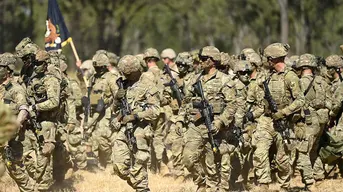
与其依赖专门的生物演习,陆军希望不同军种的部队在常规训练中就能面对生物威胁。
Rather than relying on specialized biological exercises, the Army wants troops across different military functions to confront biological threats as part of their regular training.
塔马西描述了一个场景:在一个军事港口模拟发生诺如病毒爆发。医护人员正在努力控制疫情时,后勤人员则需要确定如何保持关键补给的流动。
Tamasi described one scenario involving a simulated norovirus outbreak at a military port. While medical personnel worked to contain the outbreak, logistics officers would have to determine how to keep critical supplies moving.
这一事例体现了陆军方法的更广泛转变:生物威胁不再单纯被视为医疗问题,而是被视为指挥官必须准备好应对的、对军事行动的潜在干扰。
The example illustrates a broader shift in the Army's approach: Biological threats are no longer being treated solely as medical problems but as potential disruptions to military operations that commanders must be prepared to manage.
“唯有确保条令保持一致,”塔马西说,并解释称陆军正在努力确立如何在全军范围内评估生物防御备战状态。
"We need to make sure that doctrine is aligned," Tamasi said, explaining that the Army is working to establish how biodefense readiness should be assessed across the force.
上周签署的新计划启动了陆军于9月发布的更新版生物防御战略,该战略设定了到2035年让士兵做好在生物争夺环境中部署和作战准备的目标。
The new plan, signed last week, puts into motion the Army's updated biodefense strategy released in September, which sets a goal of preparing soldiers to deploy and fight in biologically contested environments by 2035.
首个为期两年的实施周期将侧重于确立政策、改善陆军各组织间的协调以及培养具备专业生物学专长的人员。更先进的技术和采购工作预计将在后续阶段推进。
The first two-year implementation cycle will focus on establishing policies, improving coordination across Army organizations and developing personnel with specialized biological expertise. More advanced technologies and acquisition efforts are expected in later phases.
这一努力正值人们日益担忧人工智能和生物技术可能加速生物威胁的发展之际。
The effort comes amid growing concerns about the potential for artificial intelligence and biotechnology to accelerate the development of biological threats.
鼠疫之谜重燃对并不隐秘的俄罗斯生物武器计划的担忧 塔马西将这些进展描述为双重用途挑战,即能够加速医学发现的技术也可能让新的生物威胁更快出现。
PLAGUE MYSTERY REVIVES CONCERNS OVER NOT-TO-SECRET RUSSIAN BIOWEAPONS PROGRAM Tamasi described those advances as a dual-use challenge, with technologies that can accelerate medical discoveries also potentially enabling new biological threats to emerge more quickly.
俄罗斯仍是美国国家安全官员特别关注的对象。华盛顿长期评估认为,莫斯科保留着从苏联继承而来的进攻性生物武器计划,尽管俄罗斯有《生物武器公约》项下的义务。
Russia remains a particular concern for U.S. national security officials. Washington has long assessed that Moscow maintains an offensive biological weapons program inherited from the Soviet Union, despite Russia's obligations under the Biological Weapons Convention.
美国于1969年放弃进攻性生物武器,也是该公约缔约国,该公约禁止生物武器的研发、生产和储存。
The United States renounced offensive biological weapons in 1969 and is also a party to the convention, which prohibits the development, production and stockpiling of biological weapons.
美国和世界卫生组织要求俄罗斯提供细节,此前有报道称出现第二例肺炎病例。达里亚·希皮洛娃(Darya Shipilova),一名28岁的西伯利亚伊尔库茨克抗鼠疫研究所员工,于10月2日因发展为严重肺炎而死亡。俄罗斯媒体最初报道称,在一次疑似实验室事故后,她可能感染了肺鼠疫,但俄罗斯当局否认发生了事故,并表示检测未发现鼠疫或其他高威胁病原体的证据。
US, WHO REQUEST DETAILS FROM RUSSIA AMID REPORTS OF SECOND PNEUMONIA CASE Darya Shipilova, a 28-year-old employee of the Irkutsk Anti-Plague Research Institute in Siberia, died Oct. 2 after developing severe pneumonia. Russian media initially reported a possible pneumonic plague infection following a suspected laboratory accident, but Russian authorities denied that an accident occurred and said testing found no evidence of plague or other high-threat pathogens.
她的死因仍未确定。在10月10日的更新中,世界卫生组织表示,尚未发现与该病例相关的持续传播证据,同时指出仍缺乏确诊。
The cause of her death remains undetermined. In an Oct. 10 update, the World Health Organization said it had found no evidence of ongoing transmission linked to the case, while noting that a confirmed diagnosis was still lacking.
当被问及俄罗斯的生物武器活动在多大程度上影响了陆军的规划时,塔马西表示,该战略是基于“广泛的情报”,而非任何单一对手。“它并非仅仅聚焦于某一特定威胁行为者,”她说。
Asked how much Russia's biological weapons activities informed the Army's planning, Tamasi said the strategy was based on "intelligence writ large" rather than any single adversary. "It's not solely focused on a particular threat actor," she said.
当被问及陆军从俄罗斯的生物武器计划中吸取了什么教训时,塔马西表示,该战略的设计旨在应对生物威胁,无论其来源如何——无论是意外、故意,还是最终被认定并未最初所担心的那样构成威胁。
Asked what lessons the Army had drawn from Russia's biological weapons program, Tamasi said the strategy was designed to address biological threats regardless of their origin — whether accidental, deliberate or ultimately determined not to pose the threat initially feared.
对于陆军指挥官而言,她解释说,当务之急是应对潜在的生物威胁并维持行动,而不是确定其来源。归属问题将涉及更广泛的美国政府。这种方法也影响了陆军打算如何发现新兴威胁。
For Army commanders, she explained, the immediate priority is responding to a potential biological threat and maintaining operations, rather than determining its origin. Questions of attribution would involve the broader U.S. government. That approach also informs how the Army intends to detect emerging threats.
官员表示,军方正在努力将来自环境监测、医疗机构和情报报告的信息整合起来,以更早地识别潜在的生物事件。
Officials said the military is working to draw together information from environmental monitoring, medical facilities and intelligence reporting to identify potential biological incidents earlier.

塔马西表示,这可能包括类似于新冠肺炎疫情期间使用的废水监测。目标是让指挥官对潜在的生物威胁有更全面的了解,以便在干扰扩散之前作出应对。
That could include wastewater surveillance similar to monitoring used during the COVID-19 pandemic, Tamasi said. The goal is to give commanders a more complete picture of potential biological threats so they can respond before disruptions spread.
据陆军官员称,新冠疫情也暴露了仅将生物威胁视作公共卫生紧急事件来处理的局限性,这进一步凸显了非医疗领域的军方领导人将此类风险纳入作战规划的必要性。
The COVID-19 pandemic also exposed the limitations of treating biological threats primarily as public health emergencies, according to Army officials, reinforcing the need for military leaders outside the medical field to incorporate those risks into operational planning.
该战略还将虚假信息视为另一项作战挑战,尤其是在发生生物事件时,官兵及指挥官需就疫苗接种、防护措施及信息传达作出决策。
The strategy addresses misinformation as another operational challenge, particularly when troops and commanders must make decisions about vaccines, protective measures and communications during a biological incident.
目前,陆军已开始为高级指挥官举办生物防御专题培训。塔马西指出,一个由三星级将领组成的委员会认定,高级军官应至少接受一小时的生物防御培训,以了解有关生物威胁的实际情况。
The Army has also begun rolling out biodefense seminars for senior leaders. Tamasi said one three-star board determined that senior Army leaders should receive at least an hour of instruction on biodefense and the "ground truth" surrounding biological threats.
最终,陆军希望通过训练士兵在遭受生物攻击后仍能继续执行任务,从而遏制敌对势力使用此类武器的念头。
Ultimately, the Army hopes that preparing soldiers to continue their missions despite a biological attack could also discourage adversaries from using such weapons in the first place.
塔马西表示,向外界展示生物威胁未必能阻止美军作战,这样就能削弱敌对势力借助生物武器谋取军事优势的企图。
Tamasi said demonstrating that biological threats would not necessarily stop American forces from fighting could reduce the military advantage an adversary might hope to gain from deploying them.