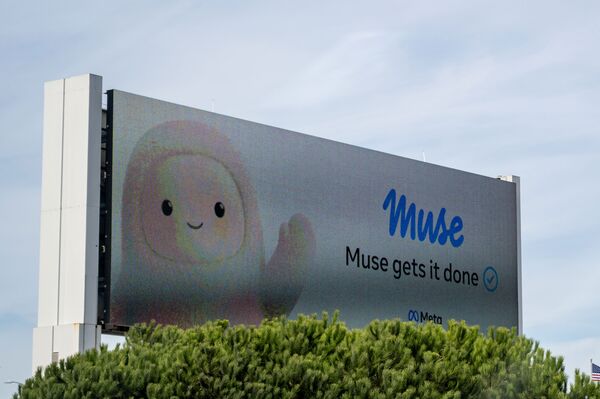
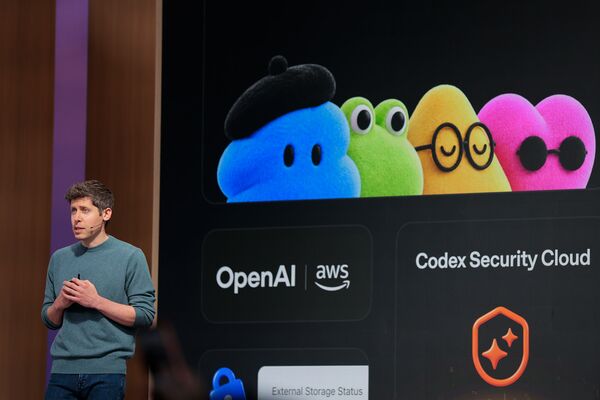
今年9月,Meta Platforms Inc.与OpenAI分别推出了全新的人工智能助手。这些助手有一个显著的共同点:它们都配有风格夸张、充满童趣的吉祥物。Meta推出的Muse助手身边有个名叫“Jolly”的毛茸茸小生物,模样类似小精灵,脸颊红扑扑的;而OpenAI的Dots助手则由一群戴着贝雷帽、系着领结的可爱形状组成。
When Meta Platforms Inc. and OpenAI released new artificial intelligence agents in September, the helper bots had one notable similarity: Each one had a kitschy, childlike mascot. Meta’s Muse has Jolly, a furry, yetilike creature with rosy cheeks; for OpenAI’s Dots, it’s a bunch of snuggly-looking shapes sporting berets and bow ties.
这些人工智能助手属于自动化个人助理,能够替用户完成各类在线任务。它们的实用性完全取决于用户向其分享的数据量。能够访问用户电子邮箱、日历及信用卡账户信息的助手,自然能发挥比普通助手更大的作用。这些吉祥物的设计目的显然是为了缓解消费者对“以数据换取便利”这一交易模式的顾虑。不过要说服消费者接受这一点恐怕并非易事:Meta在隐私保护方面历来问题不断;据皮尤研究中心调查,七成美国成年人认为人工智能的广泛应用会降低个人信息的安全性。
These AI agents, automated personal assistants that carry out online tasks for their users, are only as useful as the data that’s been shared with them. An agent with access to an email inbox, calendar and credit card account has the ability to be useful in a way that one without such permissions does not. The mascots are clearly designed to ease consumers’ concerns about the data-for-convenience trade-off the products offer. It could be a tough sell. Meta has a long history of privacy missteps, and 7 in 10 US adults say they think increased AI use will make their personal information less secure, according to the Pew Research Center.
与人工智能领域的诸多情况类似,这些企业似乎也在尚未明确发展方向的情况下便急于推进相关产品。今年,随着早期用户开始使用名为Instinct的助手,这场竞争愈发激烈。用户只需发送短信即可召唤Instinct来订购食品杂货或安排聚会。人们纷纷称赞它的强大功能,但同时也对自己需要让渡给它的大量个人信息感到不安。
As is often the case with AI, there’s a sense the companies are rushing ahead without being sure where they’re going. The race intensified this year when early adopters began using an agent called Instinct, which can be summoned through a text message to order groceries or organize parties. They began raving about its capabilities — while also sometimes blanching at how much control of their personal information they were handing over to it. (In September, venture capitalists valued the startup behind Instinct at $10 billion.)
(今年9月,这家开发Instinct的初创企业估值已达100亿美元。)此外,像Alphabet Inc.这样的竞争对手也构成了潜在威胁——该公司旗下拥有Gmail、谷歌日历等服务,拥有广泛的用户基础与海量相关数据。
There’s also the looming threat from competitors such as Alphabet Inc., which has vast reach and lots of relevant data from services like Gmail and Google Calendar.
目前,各竞争对手之间的差异已逐渐显现。虽然OpenAI多次强调Dots可应用于工作场景,但Meta首席人工智能官亚历山大·王表示,Muse“从一开始就是我们面向普通消费者的旗舰产品”。他指出,这款智能助手的设计初衷是满足“以个人使用为主的各类需求”,比如选购家具、预订晚餐以及填写学校申请表等。
Distinctions are already emerging between the competitors. Whereas OpenAI has talked a lot about how Dots can be used for work, Meta Chief AI Officer Alexandr Wang says Muse “was always intended to be our flagship product for consumers.”The agent, he says, was designed to meet “personal-use cases first and foremost,” like shopping for furniture, booking dinner reservations and filling out school forms.
与Meta旗下的其他社交产品类似,Muse的核心服务也是免费的,其目标正是吸引数十亿用户。据市场调研机构Sensor Tower统计,该应用上线不到一个月,在美国的下载量便突破700万次。鉴于Muse有望大获成功,自发布以来Meta的股价已累计上涨逾20%。亚历山大·王说道:“在消费者产品的推广方面,全球没有任何公司能胜过Meta。”
Like Meta’s social media products, Muse’s core service is free and aimed at eventually bringing in billions of users. Within a month, it surpassed 7 million US downloads, according to market intelligence firm Sensor Tower. The feeling that Meta has a hit on its hands has driven its stock up more than 20% since the agent’s introduction. “There’s no company in the world better at growing consumer products than Meta,” Wang says. (Muse’s introduction had a negative impact on the shares of banks and travel agencies, whose businesses could be squeezed if agents help users shop for lower interest rates and book their own travel.)
(不过Muse的推出也对银行和旅行社的股价产生了负面影响,因为这类智能助手能帮助用户找到更低利率的贷款并自行预订行程,从而挤压这些企业的生存空间。)据负责Muse开发工作的戴维·辛格尔顿介绍,Meta已规划了多种盈利途径:普通用户可付费订阅该服务,基础订阅费为20美元,若需要更高的使用权限则需支付100美元;未来Meta还计划从该助手促成的各类交易中抽取佣金。
Meta sees several potential ways to make money from Muse, according to David Singleton, who leads engineering for the product. Superusers can opt into a subscription for $20, or $100 for higher usage limits, and the company eventually sees itself taking a fee on transactions the agent facilitates.
辛格尔顿补充道:“目前Muse尚未与Meta的广告系统共享数据,不过我们当然会持续探索一切可行的商业模式。”本周一,Meta发布了备受期待的人工智能模型,据称其性能可与OpenAI及Anthropic开发的最先进模型相媲美;该模型很快将用于驱动Muse的付费版本。
Muse doesn’t currently share data with Meta’s advertising system, Singleton says, “but, of course, we’re always going to be exploring all of the business models that make sense.”On Monday, Meta released a long-awaited AI model that the company says is competitive with the most advanced models from OpenAI and Anthropic; it will soon power the subscription version of the Muse app.
OpenAI为其智能代理产品设定了一条几乎注定会导致初期增长缓慢的发展路径。9月29日,当OpenAI推出Dots时,仅向那些每月付费金额不低于100美元的现有付费用户开放使用权限。Dots旨在服务于那些在工作中频繁使用OpenAI产品来完成编程、科研等任务的用户群体。
OpenAI chose a path for its agent that practically guaranteed slower initial growth. When it introduced Dots on Sept. 29, it made it available only to customers who are already paying for plans that have a minimum monthly price tag of $100. Dots is designed to serve OpenAI users who already rely on its products at work for things like writing code and producing research.
OpenAI首席执行官萨姆·阿尔特曼并未直接提及Muse,却暗指了竞争对手的发展策略。“或许大家已经看到了这类虚拟助手的早期应用实例——它们能帮用户预订酒店或购买机票。这类功能虽然实用,但与这项技术所能实现的潜力相比实在微不足道,”他在OpenAI开发者大会上说道,“我们希望实现的目标要宏大得多。”公民银行分析师安德鲁·布恩指出,这些智能代理产品的初期定位或许并不仅仅取决于各公司所瞄准的客户群体。
Without mentioning Muse, OpenAI Chief Executive Officer Sam Altman threw shade at the rival approach. “You may have seen early signs of what this can look like in virtual assistants that help you book a reservation or buy a plane ticket — and these things are useful to hand off, but they are trivial relative to what the technology can do,” he said at OpenAI’s developer conference. “We wanted to be way more ambitious.”Andrew Boone, an analyst at Citizens Bank, says the initial positioning of these agents may be influenced by factors other than the type of customer each company is pursuing.
早在OpenAI成立之前,Meta便已开始大规模建设数据中心;此外,Meta旗下利润丰厚的广告业务也使其有能力不计成本地投入巨额资金来开发免费产品,而无需急于追求即时经济回报。
Meta has been building its data center footprint since before OpenAI existed, and it has a lucrative advertising business that gives it more freedom to spend aggressively on expensive computing power for a free product without demanding an immediate financial return.
相比之下,OpenAI虽然已拥有超过十亿的ChatGPT用户,但直到近年才开始大规模建设相关基础设施。眼下,该公司正耗费数十亿美元来筹备即将到来的上市计划。布恩认为,在这种情况下,免费向用户提供像Dots这样对计算资源需求极高的智能代理产品显然难以获得合理的商业解释。
OpenAI, by contrast, is already serving a billion-plus ChatGPT users, but it only began building out infrastructure in recent years. It’s burning through billions of dollars as it prepares to go public at some point in the near future. Boone says giving away a compute-intensive agent like Dots would be difficult to justify.
不过,Meta与OpenAI的发展路径未来也很有可能趋于一致。目前Meta正积极向小型企业推广Muse,而OpenAI也强调Dots在婚礼策划等场景中的实用价值。“当然,未来我们肯定也会推出面向数十亿普通用户的普及型产品,”阿尔特曼在大会上如此表示。
Meta’s and OpenAI’s paths may well converge, though. Meta is already pitching Muse to small businesses, and OpenAI has made the case that Dots is good for tasks like wedding planning. “You should, of course, expect us to do a mass-market thing for billions of people someday,” Altman said at OpenAI’s conference.
在描述市场现状时,波士顿咨询集团北美地区数字业务增长部门负责人罗布·德罗表示,短期内企业级应用有望带来最显著的营收增长。但从长远来看,“我一直更看好面向消费者的应用场景。”为实现广泛普及,德罗指出:“关键在于能否赢得消费者的信任,以及如何赢得这种信任。”据高德纳研究显示,仅有10%的美国消费者愿意让人工智能为其决定日常家居用品的采购决策。
Describing the market, Rob Derow, who runs Boston Consulting Group’s North American digital growth unit, says he sees the greatest near-term revenue gains coming from enterprise applications. But long term, he says, “I have always been more bullish on consumer use cases.”To get to broad adoption, Derow says, “it’s about the trust with the consumer and how it’s earned.”Just 1 in 10 US consumers would let AI make buying decisions on inexpensive household supplies, according to Gartner research.
而麦肯锡公司的调研结果则显示,半数消费者愿意尝试借助人工智能来搜索食品杂货,但只有20%的人愿意完全交由人工智能自动下单而无需自己审核。
McKinsey & Co., meanwhile, found that half of consumers would try AI-assisted product searches for groceries, but only 20% would try fully automatic ordering without their review.
任何一起备受瞩目的失误都可能阻碍整个行业的发展。“下一次数据泄露、技术故障或异常消费行为都会破坏消费者信任,进而拖慢行业增长步伐,”德罗警告道。倘若近期发生此类事件,相关企业仅靠可爱的吉祥物恐怕难以挽回局面。
And one high-profile mistake could set the whole field back. “The next data breach, issue or rogue purchase is going to sever the trust and slow the growth,” Derow says. If there is such an event in the near future, the companies may need more than cute mascots to keep things on track.