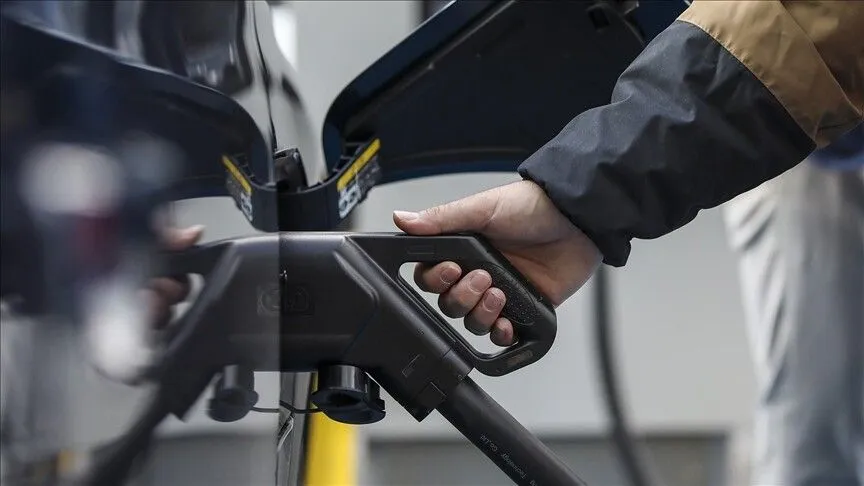
全球各国政府为防范间谍和数据安全风险,正日益加强对军事关键设施中外国电动和智能车辆的限制。
Critical defense sites are increasingly restricting the presence of foreign electric and smart vehicles on their premises as governments worldwide shield their militaries against espionage and data security risks.
此类措施已在欧洲、北美和亚洲广泛采用,近期也被土耳其主要国防企业效仿,包括阿塞尔桑(Aselsan)、罗凯特桑(Roketsan)、哈维尔桑(Havelsan)以及土耳其航天工业公司(TAI)旗下发动机工业子公司(TEI)。
Such measures, adopted across Europe, North America and Asia, have also recently been adopted by major Turkish defense firms, including Aselsan, Roketsan, Havelsan and Turkish Aerospace Industries' (TAI) Engine Industries (TEI) subsidiary.
专家警告称,智能和电动汽车(EV)因配备先进传感器、外部摄像头、高增益麦克风和实时GPS追踪功能,可能构成威胁——这些车辆能够绘制周边环境并将数据传输至外国制造商拥有的专有服务器。
Experts warn that smart and electric vehicles (EVs) pose threats with their advanced sensors, external cameras, high-gain microphones and live GPS tracking, as these vehicles map their surroundings and transmit data to proprietary servers owned by foreign manufacturers.
例如,波兰于2026年2月实施禁令,因监控风险禁止中国车辆进入国防设施。
For instance, Poland enacted a ban in February 2026, barring Chinese vehicles from entering defense installations due to surveillance risks.
波兰军方还禁止国防人员将移动设备与中国汽车的车载信息娱乐系统配对,称此举旨在保护北约盟国的国防基础设施。
The Polish army also banned defense personnel from pairing their mobile devices with the in-vehicle infotainment systems of Chinese cars, saying these measures were aimed at protecting the defense infrastructure of NATO allies.
在捷克,当局限制中国制造汽车进入军事设施及附近安全区域,其中包括在中国生产的特定特斯拉和沃尔沃车型。
In Czechia, authorities restricted Chinese-made cars, including specific Tesla and Volvo models made in China, from accessing military facilities and nearby security zones.
此后,ORLEN集团禁止中国组装的汽车进入或停靠其石油化工炼厂,使该限制扩展至捷克的工业基础设施。
These measures expanded to Czech industrial infrastructure after the ORLEN Group banned Chinese-assembled cars from entering or parking at petrochemical refineries.
与此同时,德国军方和情报机构已实施对中国汽车的严格停车禁令,相关报道显示。
Meanwhile, Germany's military and intelligence bodies implemented strict parking bans for Chinese cars, reports show.
德国公共广播电台WDR和NDR表示,波茨坦附近施维洛湖(Schielowsee)的联邦国防军作战司令部停车场不允许中国汽车停放。此类车辆的车主可在指定区域停车。据报道,德国联邦情报局(BND)设施也实施了类似限制。
Public broadcasters WDR and NDR said the parking lot of the Bundeswehr Operational Command in Schwielowsee, near Potsdam, does not allow Chinese cars to be parked. Owners of such vehicles are allowed to park in designated areas. Similar restrictions are reportedly in place at German Federal Intelligence Service (BND) facilities.
德国国防部确认在指定的高安全区域内实施禁令,但出于安全原因拒绝公布具体受限车型。
The German Defense Ministry confirmed bans within designated high-security zones but declined to publish specific restricted models for security reasons.
与此同时,英国的国防设施扩大了当地筛查程序,多个基地不再允许中国制造的车型进入,尽管英国国防部表示,并没有中央法规禁止此类车辆进入所有军事设施。
At the same time, the UK's defense installations expanded local screening procedures, with several bases no longer allowing Chinese-made models, even though the UK Defense Ministry said there was no central regulation banning such vehicles from entering all military facilities.
瑞士在关键电子设施周边对始终在线的车辆实施有针对性的限制,包括伯尔尼附近的齐默瓦尔德电子战中心。
Switzerland placed targeted restrictions on always-online vehicles around critical electronic installations, including the Zimmerwald Electronic Warfare Center near Bern.
法国反间谍局DRSD警告国防设施注意中国比亚迪制造和特斯拉车辆可能带来的间谍风险。
France's counterintelligence agency, DRSD, warned defense installations about potential espionage vulnerabilities involving Chinese BYD-made and Tesla vehicles.
与此同时,美国推进联邦立法,以防止外国始终在线的车辆进入敏感军事基地。
Meanwhile, the US advanced federal legislation to keep foreign always-online vehicles off sensitive military bases.
2027财年国防授权法案包含条款,规定自2027年7月1日起,禁止与外国有关联的联网车辆进入国防部基地。
The National Defense Authorization Act for Fiscal Year 2027 included provisions banning foreign-linked connected vehicles from entering Defense Department bases starting July 1, 2027.
这些措施延续了商务部此前的规定,即逐步淘汰与中国和俄罗斯企业相关联的车辆软硬件的进口和销售。
These measures follow earlier Commerce Department rules phasing out the import and sale of vehicle software and hardware tied to Chinese and Russian firms.
与此同时,中国也在实施限制措施的国家之列。事实上,该国早在2021年就因担心未经授权的数据记录,率先禁止特斯拉车辆进入军事设施和政府机关。
At the same time, China is also among the countries establishing restrictions. In fact, the country set an early precedent in 2021 by banning Tesla vehicles from military facilities and government compounds due to concerns over unauthorized data logging.
2024年,在特斯拉遵守中国数据标准后,北京放宽了部分限制,但对外国软件和硬件的严格禁令在国家机关各部门仍然存在。俄罗斯加强了在国防工厂周边对电子设备和联网交通工具的管控。
Beijing eased some restrictions in 2024 after Tesla complied with China's data standards, but strict bans on foreign software and hardware remain across state organs. Russia tightened perimeter controls on electronic devices and connected transport at its defense plants.
国务院机构和国防企业如罗斯泰克实施了对西方技术的平行禁令,例如因担心间谍风险而禁止在官方使用中采用苹果硬件。
State agencies and defense firms like Rostec enforced parallel bans on Western technology, such as a ban on Apple hardware for official use due to concerns over espionage.
与世界其他地区一样,土耳其航空航天和国防园区也因其众多传感器以及向外国实体传输的地图数据而禁止外国电动汽车进入,TEI 首席执行官马赫穆特·法鲁克·阿克西特在最近的一份声明中表示。
Similar to the rest of the world, Turkish aerospace and defense campuses also barred foreign EVs due to their numerous sensors and the mapping data they transmit to foreign entities, TEI CEO Mahmut Faruk Aksit said in a recent statement.
对外国技术(尤其是外国制造的电动汽车)的同步全球打压表明,民用电动汽车的演变如何将智能出行转变为军事反情报的前沿阵地。
The synchronized global crackdown on foreign technology, especially foreign-made EVs, showed how the evolution of civilian EVs turned smart mobility into a frontier of military counterintelligence.