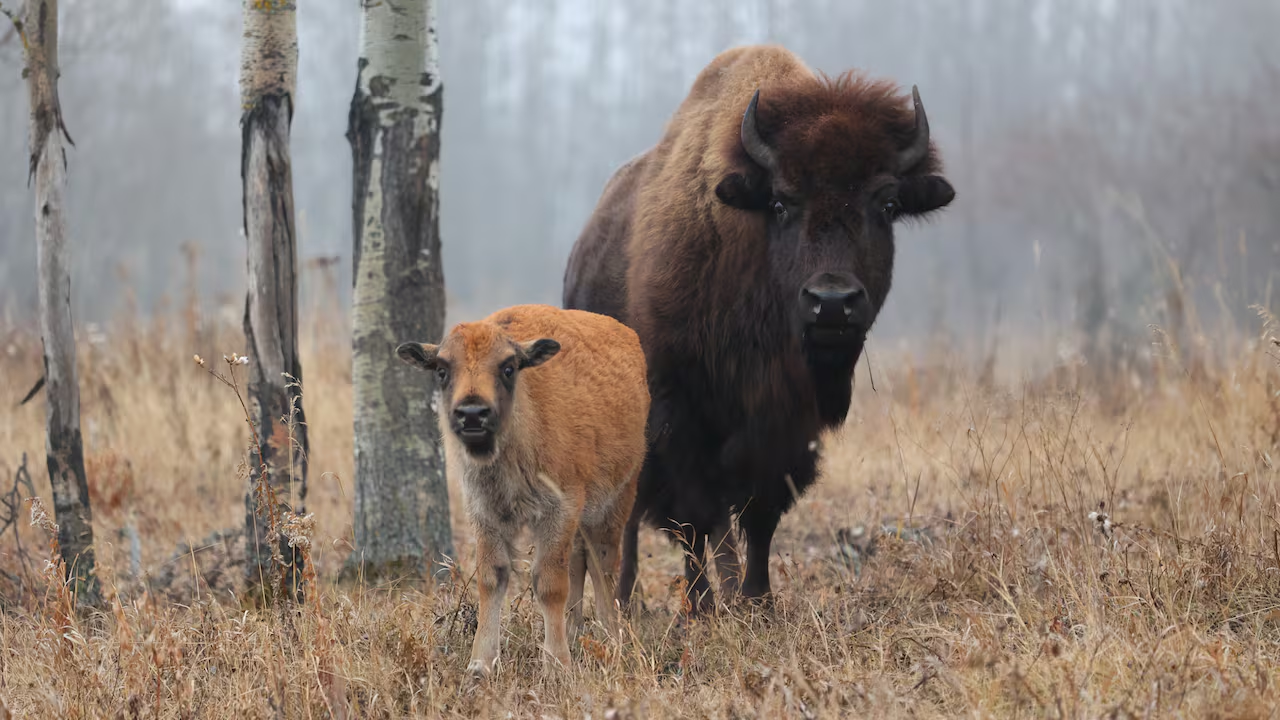
在被猎杀至濒临灭绝之前,野牛曾以数百万计在北美洲奔腾而行,铁锈色和栗色的皮毛在惊天动地的奔跑中翻卷。
Before they were hunted to the brink of extinction, bison once roamed across North America by the millions in thundering stampedes of rust and auburn fur.
对其DNA进行解码的新研究正帮助揭示,野牛群落的崩溃以及随后缓慢而零散地回到昔日所主宰的土地上,如何永久地改变了这一伟大物种。
New research decoding their DNA is helping to shed light on how the collapse and slow, scattered return of herds to the landscapes they once dominated has forever changed the mighty species.
该研究发表在《科学》期刊上,测序了160只野牛的基因组,绘制出一张跨越20000年的祖先路线图。
The research, published in the journal Science sequenced 160 bison genomes, creating an ancestral roadmap spanning 20,000 years.
近40名科学家参与了这项研究,其中包括许多加拿大人。研究由古遗传学家乔纳斯·奥本海默以及加利福尼亚大学圣克鲁兹分校的古基因组学实验室领导,该实验室专门从化石遗骸中提取古DNA进行研究。
Nearly 40 scientists, including many Canadians, contributed to the study. It was led by paleogeneticist Jonas Oppenheimer and the Paleogenomics Lab at the University of California, Santa Cruz, which specializes in researching ancient DNA extracted from fossil remains.
研究人员希望这些发现能够指导现代保护工作——通过绘制这种动物复杂的遗传历史,研究人员可以帮助野牛在未来更好地生存繁衍。
The hope is that the findings will help guide modern conservation efforts — that by mapping the animal’s complicated genetic history, researchers can help the beasts better thrive into the future.
野牛曾经高度互联,如今却被隔离在精心管理的种群中。研究人员发现,现代野牛群的碎片化正在挑战它们的韧性。
Bison, once highly connected, are now isolated in carefully managed populations. Researchers found that the fragmentation of modern herds challenges their resilience.
“直到最近之前,北美洲几乎全境的野牛在基因上非常相似,无论你从哪里采集样本,”奥本海默在接受CBC新闻采访时说道。
"Up until very recently, bison across pretty much the whole extent of North America were very genetically similar, no matter where you pulled them from,” Oppenheimer said in an interview with CBC News.
“而如今的野牛则完全不同,它们的基因差异很大,取决于它们来自哪个群体。
"That's different from bison today, which are all very different depending on which herd they come from.
“这正是它们在被人类驱赶至濒临灭绝时所经历的巨大瓶颈效应的遗留问题。旧与新:测序基因组——即构成生命基本单块的完整遗传指令集——帮助科学家绘制出该物种在几个世纪中生物多样性如何变化的图谱。
“That's the legacy of this huge bottleneck they experienced when they were driven nearly to extinction by humans." The old and the new Sequencing the genomes, complete sets of genetic instructions that serve as the building blocks for life, helped scientists map how the biological diversity of the species has changed over the centuries.
他们从古老的野牛骨骼中提取DNA——这些骨骼的年代从数千年前到大约100年前不等——同时也从现存的现代野牛群中采集了DNA。'完美的陷阱':考古学家回顾在头撞牛跳崖的数十年研究 研究人员从加拿大和美国分散管理的牛群中提取了DNA,包括阿尔伯塔省的爱克岛国家公园和伍德布法罗国家公园中的牛群,以及该省北部罗纳德湖和瓦巴斯卡的野生自由放牧牛群。
They gathered DNA from both ancient bison bones — ranging from thousands of years old to around 100 — and from living, modern herds. 'The perfect trap': Archeologist reflects on decades at Head-Smashed-In Buffalo Jump Researchers extracted DNA from animals in managed herds scattered across Canada and the United States, including the ones in Elk Island National Park and Wood Buffalo National Park in Alberta, as well as in wild, free-ranging herds in Ronald Lake and Wabasca in the province’s north.
古代DNA来自美国、加拿大和俄罗斯各地收藏的标本,包括加拿大公园局和埃德蒙顿皇家阿尔伯塔博物馆(RAM)的标本。
The ancient DNA was sourced from specimens in collections across the United States, Canada and Russia, including those of Parks Canada and the Royal Alberta Museum (RAM) in Edmonton.
星毯克里族迎接野牛回归,新牛群成立 总计,研究人员测序了115个古代野牛基因组和45个现代野牛基因组,并将这些数据与之前已测序的52个基因组结合,创建了迄今为止该物种最大的基因图谱。
Star Blanket Cree Nation welcomes return of bison with new herd In all, researchers sequenced 115 ancient bison genomes and 45 modern, and combined the data with 52 previously sequenced genomes, creating the largest genetic map of the species to date.
皇家阿尔伯塔博物馆第四纪(冰河时代)古生物学策展人克里斯·贾斯表示,看到古老化石被用于现代牛群管理实践令人欣慰,并称该研究是“合作的光辉典范”。
Chris Jass, the curator of quaternary (ice age) paleontology at the RAM, said it’s rewarding to see ancient fossils serve modern herd management practices, and called the study a “shining example” of collaboration.
“这也是我们长期保存这些收藏的重要原因之一,因为随着这些新技术的出现,我们能够以不同的方式探讨进化或生物学问题。”利用这些样本,研究人员能够追踪野牛种群的结构、多样性和遗传如何受到其经历的剧烈衰退的影响。
"It is a big part of why we house these collections and why we house them for so long, as these new techniques come along that allow us to look at evolutionary or biological questions in different ways.”Using these samples, researchers were able to track how the bison population’s structure, diversity and genetics were affected by the dramatic declines it experienced.
大屠杀 在殖民之前,古代野牛在大陆上自由迁徙了数千年,杂交并维持着一个大体均匀且强健的基因库。
The slaughter Before colonization, ancient bison moved freely across the continent for thousands of years, interbreeding and maintaining a robust, largely uniform gene pool.
在19世纪末,由于密集狩猎和政府行动,野牛种群数量骤降,数百万动物被从平原上清除。
In the late 19th century, the population collapsed from intensive hunting and government campaigns that stripped millions of animals from the plains.
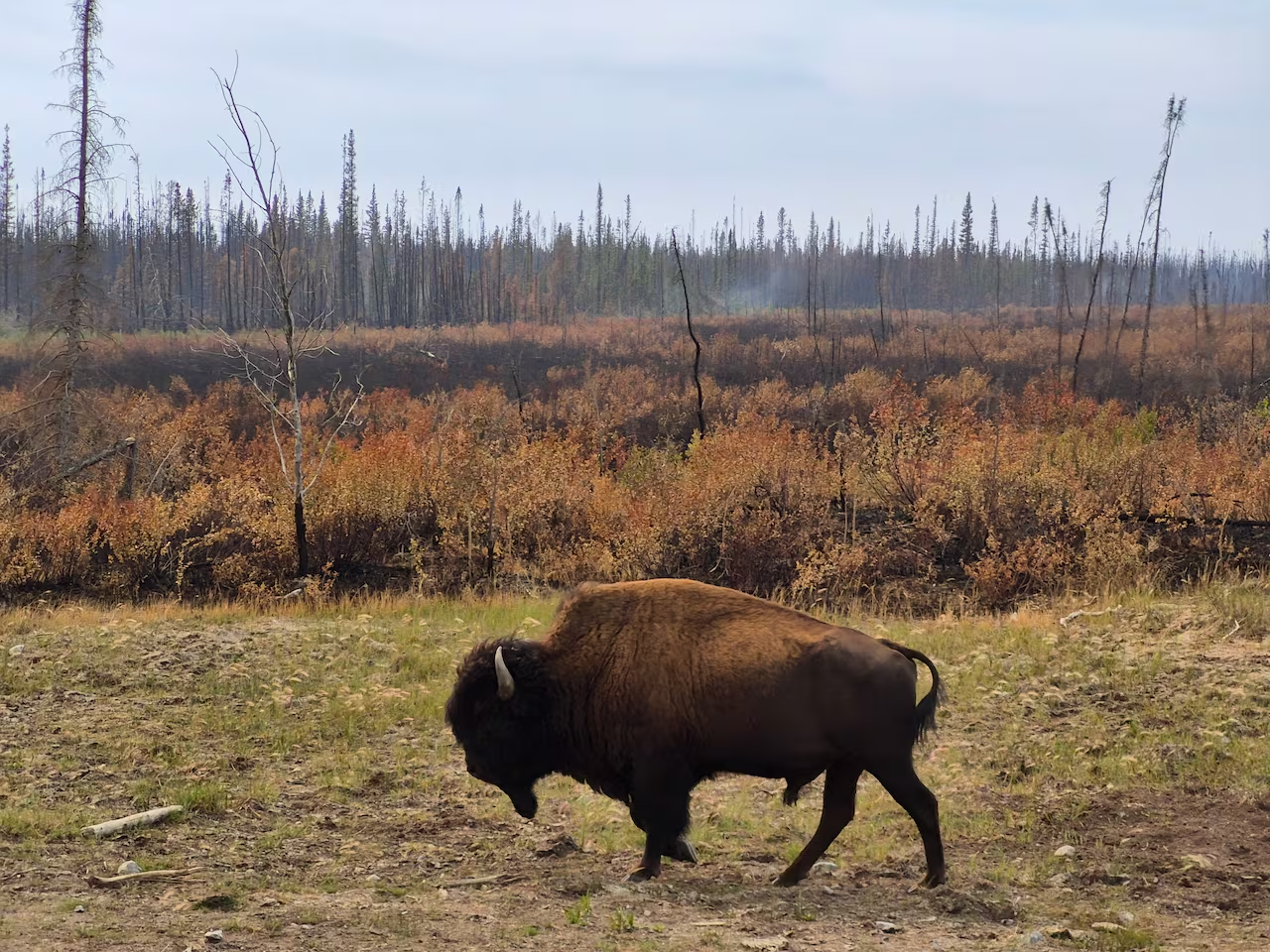
尽管数量下降,但起初遗传多样性并未受到影响,因为在那之前,种群一直广泛分布且基因较为均匀,奥本海默说道。
Despite the decline, genetic diversity did not suffer at first because populations had been widespread and uniform up to that point, Oppenheimer said.
研究发现,令人惊讶的是,仍然存在相当多的遗传多样性,但如今这些多样性被困在彼此隔离的不同牛群中,他补充道。现代遗传分化主要是偶然存留下来的,根植于每个牛群的DNA之中。
The research found a surprising amount of diversity has survived but is now trapped in disparate herds isolated from one another, he added. Modern genetic differentiation mostly survived by chance, remaining ingrained in the DNA of each herd.
“我们原本以为会出现巨大的损失,”奥本海默说。“总体来看,似乎并没有损失那么多遗传多样性。
“We had assumed that there would be a huge loss,” Oppenheimer said. “As a whole, it doesn't seem like all that much genetic diversity is lost.
“但由于最近的历史,每个特定的牛群现在都拥有自己独特的基因特征。”“戏剧性分裂”该研究还记录了物种之间的分裂,揭示了林野牛和草原野牛之间存在显著差异。
“But each particular herd has its own kind of distinct, genetic signature now because of that very recent history.”A 'dramatic split' The study also documented the split between the species, revealing that wood bison and plains bison are substantially distinct.
林野牛体型更大、更重,背部有驼峰状轮廓,适应北方针叶林和白杨公园地带。较小的草原野牛传统上在大草原的开阔草原和草甸上漫步。
Wood bison, larger and heavier with a humped profile, are adapted to the northern boreal forests and aspen parklands. Smaller plains bison traditionally roamed the open grasslands and prairies of the Great Plains.
研究表明,这两种野牛大约在3000年前开始分化,当时气候变化导致针叶林扩张。
The study shows the two types diverged around 3,000 years ago as changing climates expanded boreal forests.
后来的人类干预导致亚种之间发生杂交,最典型的例子是1920年代将草原野牛迁移到伍德布法罗国家公园。
Later human interventions caused intermixing between the subspecies, most notably when plains bison were moved into Wood Buffalo National Park in the 1920s.
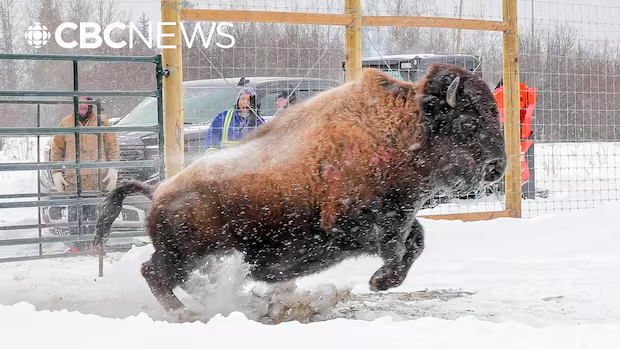
梅蒂斯民族时隔一个世纪首次将野牛送回 2月25日 格雷格·威尔逊,加拿大公园管理局的野牛遗传学家和野生动物生态学家,表示这些结果对牛群管理至关重要,表明该物种具有明显差异,应继续分别管理。
Métis Nation brings bison back for the first time in a century February 25 Duration Greg Wilson, a bison geneticist and wildlife ecologist with Parks Canada, said those results are critical to herd management, showing that the species are distinct and should continue to be managed separately.
虽然目前不存在真正纯种的林野牛,但他支持将其作为独立亚种进行保存的努力。
While no truly pure wood bison remain, he supports efforts to preserve them as a distinct subspecies.
“虽然这次分裂发生得并不久远,但这是一个相当戏剧性的分裂,因此这告诉我们,我们真的很想尝试维持这种状态。”“更多配对”威尔逊与其团队在野牛整合基因组(Bison Integrated Genomics)合作共同撰写了这一基因组研究,该项目由加拿大基因组资助,旨在通过DNA保存和建立世界首个野牛基因组生物银行来保护该物种。
“Although this split was fairly recent, it's a pretty dramatic split, so this tells us that we really want to try to maintain that.”'More matchmaking' Wilson co-authored the genome study in collaboration with his team at Bison Integrated Genomics, a Genome Canada-funded project to conserve the species through DNA preservation and the establishment of the world's first bison genome biobank.
他说,这些发现为保护主义者提供了一种新工具,以重新连接孤立的牛群,并开始逆转因种群减少导致的遗传影响的过程。
He said the findings offer conservationists a new tool to reconnect isolated herds and begin the process of reversing the genetic impacts of population loss.
威尔逊说:“更多的配对”可能会发生在加拿大孤立的牛群之间,以降低近亲繁殖的风险并防止进一步的遗传多样性丧失。
“More matchmaking” could occur among Canada’s isolated herds to reduce the risk of inbreeding and prevent further diversity loss, Wilson said.
奥本海默说,古代基因组为牛群管理者提供了基准,以安全地在景观中恢复基因流动,帮助目前大多被围栏关押的野牛重返野外的遗传多样性。
Oppenheimer said ancient genomes provide baselines for herd managers to safely restore gene flow across landscapes, helping bison now mostly kept behind gates return to wilderness diversity.
“他们保持了这种遗传多样性,但如果牛群继续孤立隔离,其中不同部分的遗传多样性就有可能丢失。”
“They maintain that genetic diversity, but there is a chance that different portions of it will get lost if herds are maintained in isolation.”