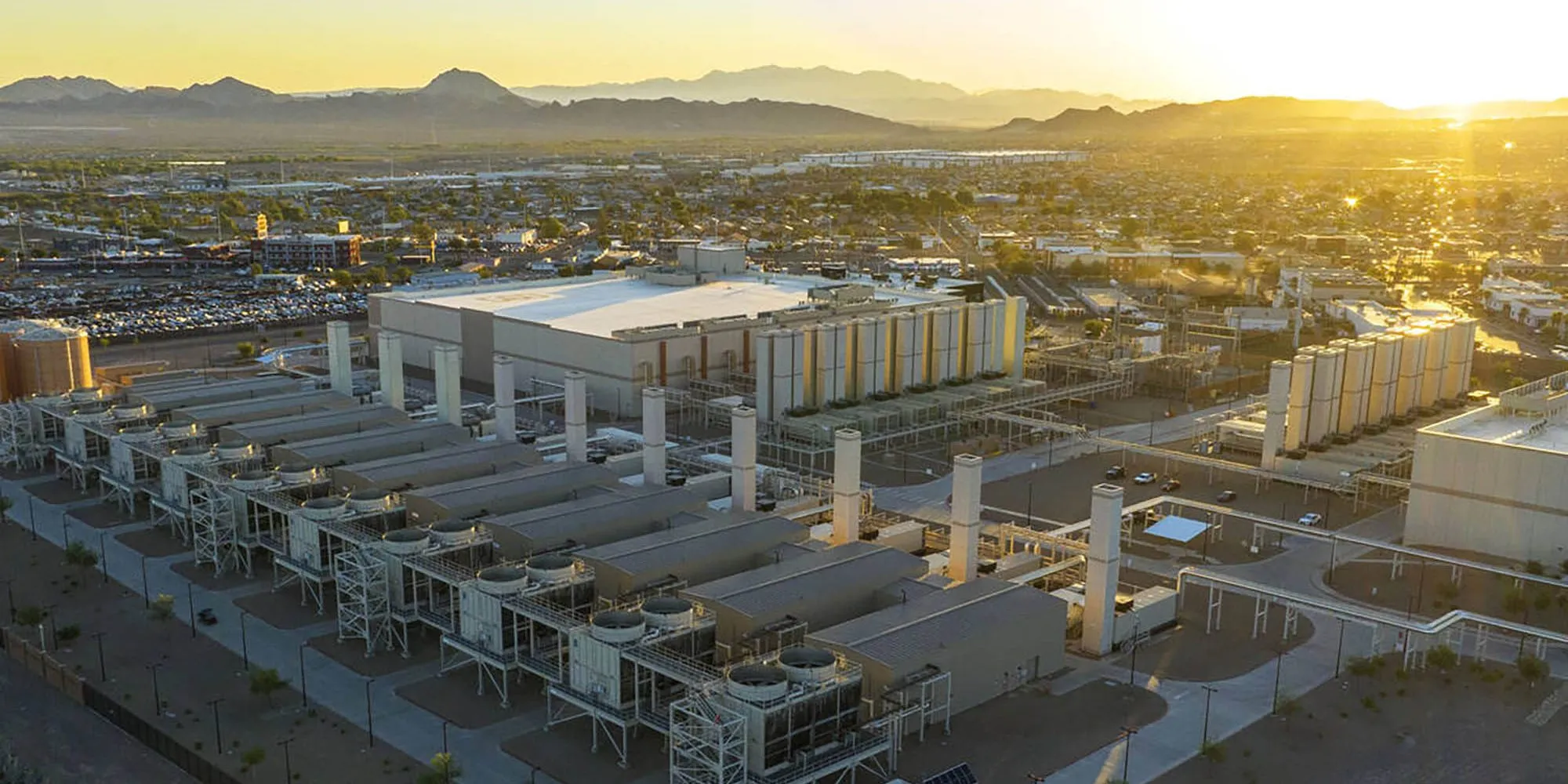
两位富裕的法律战士最近在试图掩盖政府公开文件的报道时均告失败。这两起诉讼 — — 一起在加利福尼亚州州法院,另一起在阿肯色州联邦法院 — — 都是针对公众参与的无理战略诉讼,即所谓的SLAPPs。最高法院的先例再清楚不过了:如果政府意外泄露了本不应披露的信息,这不是记者的问题。
Two wealthy lawfare warriors recently failed in their attempts to bury reporting on government-released documents. Both lawsuits — one in state court in California, the other in federal court in Arkansas — were frivolous strategic lawsuits against public participation, known as SLAPPs. Supreme Court precedent couldn’t be clearer that it’s not the journalists’ problem if the government accidentally shares information it’s not supposed to disclose.
但只有加利福尼亚州的SLAPP受害者对试图封口他的审查霸凌者拥有真正的救济途径 — — 不是因为该案比阿肯色州的案件更无理,而是因为它提交的法院不同。
But only the California SLAPP victim had any real recourse against the censorial bully who wanted to shut him up — not because that case was any more frivolous than the Arkansas one, but because of the court in which it was filed.
我们先从阿肯色州的案件说起。杰西卡·基维尔(Jessica Kivell) — — 一位母亲、医护工作者和关心公共事务的公民 — — 想要知道谁在为西孟菲斯的数据中心项目买单。她向阿肯色州公共事业委员会提交了公开记录请求,并收到了显示谷歌仅承担新建太阳能电站三分之一成本的文件,这与其承诺用户无需承担费用相矛盾。基维尔将这些文件提供给了《阿肯色州民主党-公报》(Arkansas Democrat-Gazette),该报对此进行了报道。
Let’s start with the Arkansas case. Jessica Kivell — a mom, healthcare worker, and concerned citizen — sought to find out who was paying for a data center project in West Memphis. She filed public records requests with the Arkansas Public Service Commission and received documents indicating Google would cover only one-third of the cost of a new solar plant to power the facility, contradicting its promises that ratepayers would not be on the hook.
进入州公用事业公司(Entergy Arkansas) — — 该公司计划建设该太阳能设施 — — 对基维尔、《阿肯色州民主党-公报》、其记者以及《阿肯色州时报》(Arkansas Times)提起诉讼,后者称其甚至从未见过这些记录。进入州公用事业公司称委员会在向基维尔发放记录时出错,这些记录包含商业秘密(顺便说一句,无端援引保护商业秘密的需要以规避公开记录法也是一个严重问题),她和媒体应被禁止讨论这些记录,《阿肯色州民主党-公报》应删除其已有的报道。进入州公用事业公司还对《阿肯色州民主党-公报》关于谷歌将分担成本的描述提出异议。
Kivell shared the documents with the Arkansas Democrat-Gazette, which reported on them. Entergy Arkansas, the utility set to build the solar facility, sued Kivell, the Democrat-Gazette, its reporter, and the Arkansas Times, which said it never even had the records. It claimed the commission erred by releasing the records to Kivell, that they contained trade secrets (sidenote: baselessly invoking the need to protect trade secrets to duck public records laws is also a serious problem), that she and the press should be restrained from discussing them, and the Democrat-Gazette should have to take down what it had already reported. Entergy also disputed the Democrat-Gazette’s characterization Google would share the costs.
至少有四起最高法院的判例应当让 Entergy 公司的律师们意识到:他们的诉讼毫无法律依据可言。即使在涉及比企业所谓“商业秘密”更为敏感的信息的案例中(而这些信息也远没有“公众被误导关于数据中心的建设成本”这一事件那么具有新闻价值),法院也驳回了那些试图阻止政府公开相关信息的“事先限制”措施。
There are at least four Supreme Court cases that should have put Entergy’s lawyers on notice that they had no legal leg to stand on. Even in scenarios involving information far more sensitive than a utility’s purported business secrets — and far less newsworthy than the public being misled about what a data center would cost them — the court has rejected “prior restraints” that would claw back records that the government released inadvertently.
其中一个案例是“Florida Star v. BJF”:该案中,一家报纸违反了州法律,公开了一名强奸受害者的姓名。法院裁定,这种法律违宪——因为它禁止新闻机构发布政府公开的信息,无论政府是否有意公开这些信息。鉴于法院已将针对新闻机构的此类“事先限制”行为视为“最严重的”违反《第一修正案》的行为,因此这一规定是合理的。
One such case, Florida Star v. BJF, involved a newspaper that published the name of a rape victim in violation of state law. The court held the law was unconstitutional to the extent it barred news outlets from publishing information released by the government, regardless of whether the government intended to release it. The red-line rule against holding the press liable for the government’s failure to protect confidences makes sense given that the court has called prior restraints against the press the “most serious” of all First Amendment violations.
最终,美国地方法院法官李·鲁多夫斯基(Lee Rudofsky)正确地驳回了 Entergy 公司提出的紧急禁令请求。Entergy 公司随后撤回了诉讼。不过,这场诉讼让被告们付出了金钱、时间和精力的代价。据报道,凯维尔(Kivell)为了参加 Entergy 公司诉讼申请的听证会,匆忙穿着工作服赶到了法院,她在法院走廊里崩溃大哭。被告们本应至少能够收回他们的诉讼费用,但由于案件是在联邦法院审理的,他们无法实现这一诉求。
Ultimately, U.S. District Court Judge Lee Rudofsky rightly denied Entergy’s request for an emergency gag order. Entergy subsequently dropped the case. But it forced the defendants to lose money, time, and sleep. (Kivell, who rushed to court in her work scrubs for the hearing on Entergy’s motion, reportedly broke down sobbing in the courthouse hallway.) The defendants should have been able to at least recover their legal costs but, because they were in federal court, they could not.
阿肯色州与另外39个州以及哥伦比亚特区一样,拥有反SLAPP法律,允许那些因无理诉讼而受到言论打压的人追回律师费。但美国没有联邦反SLAPP法规,第八美国上诉法院管辖的地区法院(包括阿肯色州)已拒绝适用该州的反SLAPP法律。一些州的联邦法院(如佛罗里达州)适用州反SLAPP法律,但许多其他州则拒绝这样做,认为这些法律与联邦诉状标准存在冲突。
Arkansas, like 39 other states and the District of Columbia, has an anti-SLAPP law allowing those hit with frivolous anti-speech lawsuits to recover their attorneys’ fees. But there is no federal anti-SLAPP statute, and district courts in the 8th U.S. Circuit Court of Appeals, which includes Arkansas, have declined to apply the state’s anti-SLAPP law. Federal courts in some states, like Florida, apply state anti-SLAPP laws, but many others decline to do so, viewing them as in conflict with federal pleading standards.
这意味着,除了他们自己的律师费——对他们而言可能只是杯水车薪——之外,没有经济上的威慑力量能阻止Entergy在下次新闻报道干扰其业务时再次发起SLAPP诉讼,希望一位不称职的法官授予其违宪的救济(不幸的是,这不会是第一次),或者一位害怕的被告在没有抵抗的情况下屈服。
That means that other than their own legal fees — likely a drop in a bucket for them — there is no economic disincentive stopping Entergy from SLAPPing again the next time a news report interferes with its business in hopes that an incompetent judge grants it unconstitutional relief (it wouldn’t be the first time, unfortunately), or a scared defendant backs down without a fight.
现在我们转向加利福尼亚州。2023年,独立记者杰克·普尔森在其新闻媒体《全源情报》上发表了一篇关于莫里·布莱克曼(当时是Premise Data公司的首席执行官,该公司持有美国政府合同)2021年因家庭暴力被捕的报道。普尔森报道并链接了一份警方报告,布莱克曼称该报告本不应被政府释放,因为它是被封存的。
Now let’s head to California. In 2023, independent journalist Jack Poulson published a story in his news outlet, All-Source Intelligence, about the 2021 domestic violence arrest of Maury Blackman, then CEO of Premise Data, a surveillance tech company that holds U.S. government contracts. Poulson reported on and linked to a police report that Blackman claimed the government never should have released because it was sealed. (Under California law, the records could be sealed because charges were not filed.)
(根据加州法律,由于未提起指控,这些记录可以被封存。)布莱克曼起诉了普尔森;托管该文章的Substack;以及其他人,试图不仅因他们的新闻报道而惩罚他们,还要从互联网上删除这些文章和警方报告。由于与Entergy案相同的原因,法院驳回了布莱克曼的SLAPP诉讼。该裁决上周得到上诉法院的确认。
Blackman sued Poulson; Substack, which hosted the article; and others in an attempt to not only punish them for their journalism, but also scrub the articles and police report from the internet. For the same reasons Entergy’s case failed, a judge threw out Blackman’s SLAPP. That decision was affirmed by an appeals court last week.
该上诉法院以“佛罗里达星报案”的相关判例作为论述依据,同时维持了下级法院依据加州严格的反恶意诉讼法裁定由被告方获得律师费的判决。这意味着布莱克曼必须向那些成为其恶意诉讼目标的当事人支付相应的法律费用;而加州其他企图利用法律手段打压批评者的人也会因知晓此举需承担后果而有所顾忌。
Leading its opinion with a quote from the Florida Star case, the appellate court also upheld the lower court’s award of attorneys’ fees to the defendants under California’s robust anti-SLAPP law. That means Blackman will need to reimburse his SLAPP target’s legal fees, and that other wannabe SLAPPsters in California might think twice knowing there are consequences for weaponizing the courts against their critics.
虽然波尔森的胜利比阿肯色州那些被告的胜诉更令人欣慰,但在这两起案件中,原告们都得到了与预期完全相反的结果。他们试图掩盖的事件反而成了全国性新闻——这些诉讼本身所获得的媒体报道量远远超过了原告试图压制的信息。Techdirt网站的编辑迈克·马斯尼克将这种现象称为“史翠珊效应”,其命名源于那位歌手发起的一起隐私诉讼最终适得其反,反而引发了远超其预期范围的舆论关注。
While Poulson’s victory was more satisfying than the Arkansas defendants’ win, in both cases, the plaintiffs achieved the exact opposite of what they wanted. The stories they tried to bury became national news as their lawsuits got far more coverage than the records they sought to suppress. It’s a phenomenon Techdirt editor Mike Masnick dubbed the Streisand effect, after a privacy lawsuit by the singer backfired and drove exponentially more publicity than it prevented.
布莱克曼发起的诉讼只是其一系列审查与恐吓行动的一部分。起初,有关他被捕的保密信息仅出现在一个相对小众的博客上;后来这些信息被详细写入加州上诉法院的判决意见书中,随后《旧金山纪事报》《法庭新闻》等各大媒体也纷纷报道。更糟糕的是,布莱克曼本人或其代理人试图操纵谷歌算法,试图阻止有关其被捕及恶意诉讼的相关报道出现在搜索结果中,此举反而招致了更多负面舆论。
Blackman, whose suit was only one component of a multifaceted censorship and intimidation campaign, went from his sealed arrest report appearing on a single, relatively niche blog to being detailed in an opinion from the California Court of Appeals, not to mention reported on by everyone from the San Francisco Chronicle to Courthouse News. Blackman only made things worse when he or his apparent representatives tried to manipulate Google to keep the articles about his arrest and SLAPP suits out of searches, generating even further bad press.
说来也怪,如今他居然经营着一家声誉管理公司。真是世事难料啊。
Oddly enough, he now runs a reputation management company. Go figure.
不过,对于像基维尔这样遭到企业或政府利用法律手段试图压制言论的人而言,单纯的舆论谴责并无太大作用。正因如此,国会亟需制定一部联邦层面的反恶意诉讼法,即便各州不执行本地相关法规也能生效。唯有如此,像基维尔这样的联邦法院被告才能像波尔森在加州那样,迅速驳回毫无法律依据的言论诉讼,并让滥诉的原告承担相应代价。
But public shaming is of little use to people like Kivell, whose lives are interrupted by legal nonsense from companies or governments trying to censor them. That’s why Congress needs to pass a federal anti-SLAPP law that would apply even if states decline to enforce their local versions. That would give defendants in federal court, like Kivell, what Poulson had in California: a quick way to get meritless speech suits dismissed, with plaintiffs paying the price.
没有人获取公共记录或发布新闻的能力应取决于公司选择哪个法院。更正:2026年10月13日
Nobody’s ability to request public records or publish news should depend on which courthouse a corporation picks. Correction: October 13, 2026