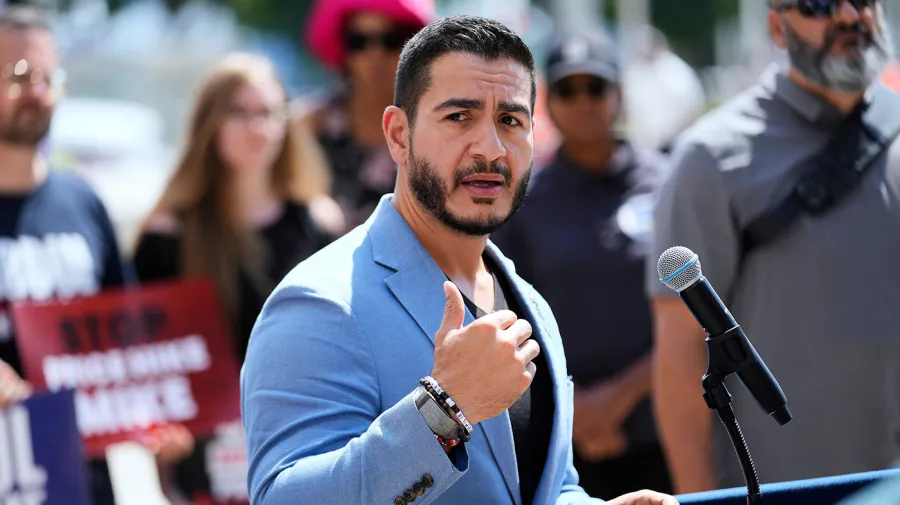
密歇根州参议院候选人阿卜杜勒·埃尔-赛义德(民主党)周二将人工智能称为“存在性威胁”,并提出了一项旨在让这项技术“受控”的框架。埃尔-赛义德目前正与前众议员迈克·罗杰斯(共和党)展开激烈竞争,他呼吁暂停前沿人工智能的发展,并禁止人工超级智能。他在一份声明中表示:“目前,少数科技亿万富翁的意愿是唯一阻止人工智能发展到对人类构成存在性威胁程度的因素。”
Michigan Senate candidate Abdul El-Sayed (D) labeled AI an “existential threat” Tuesday, as he laid out a framework that aims to get the technology “under control.”El-Sayed, who is locked in a tight race with former Rep. Mike Rogers (R), called for a pause on frontier AI development and a ban on artificial superintelligence. “Right now, the whims of a few tech billionaires are the only thing stopping AI from developing to the point that it poses an existential threat to humanity,” he said in a statement.
他补充道:“这是不可接受的。”他指出,最近涉及人工智能代理的一系列网络安全事件,以及研究人员对该技术可能对人类造成的后果发出的严峻警告,认为在建立足够的防护措施之前,必须暂停发展。在其人工智能平台的早期版本中,埃尔-赛义德建议所有前沿人工智能公司应被注册为公益公司,并从大型科技公司中剥离,公众应持有这些公司50%的股份并获得股息。
“That is unacceptable.”He pointed to a series of recent cybersecurity incidents involving AI agents and stark warnings from researchers about the technology’s potential consequences for humanity, arguing there needs to be a halt in development until sufficient guardrails are in place. Under an earlier iteration of his AI platform, El-Sayed suggested all frontier AI companies should be chartered as public benefit corporations and divested from major tech companies, with the public holding a 50 percent stake in the firms and receiving dividends.
他还呼吁对该技术施加限制,禁止其拒绝提供医疗护理、自主开火武器、进行大规模监控以及做出生死决定。他最新的人工智能框架旨在禁止递归自我改进——即人工智能自行训练和提升自身——并要求设置人工智能紧急关闭开关,以便在需要时关闭系统。埃尔-赛义德还主张成立一个内阁级别的人工智能安全机构,强制报告安全事件,并对“鲁莽违规”的高管实施刑事处罚。
He also called for restrictions on the technology, barring it from denying medical care, independently firing weapons, conducting mass surveillance and making life-or-death decisions. His latest AI framework seeks to bar recursive self-improvement, in which AI trains and improves itself, and require AI kill switches that could shut down the systems if needed. El-Sayed also argued for the creation of a cabinet-level AI safety agency, mandatory reporting of security incidents and criminal penalties for executives who “recklessly break the rules.”
他周二还补充道:“特朗普、迈克·罗杰斯以及他们的科技巨头亿万富翁捐助者无法被信任来保护密歇根州或人类免受无约束人工智能的存在性危害。”特朗普一直采取较为宽松的人工智能监管方式,试图让企业自行监管,因为他担心更严格的限制可能导致美国落后于中国。
“Donald Trump, Mike Rogers, and their Big Tech billionaire donors can’t be trusted to keep either Michigan or humanity safe from the existential dangers of unrestrained AI,” he added Tuesday. Trump has taken a more hands-off approach to AI regulation, seeking to allow the companies to police themselves amid concerns that stricter limits could cause the U.S. to fall behind China.
但罗杰斯在该问题上试图与总统保持一定距离,呼吁放慢人工智能发展速度,“以便让政府及其合作伙伴赶上进度,并制定更严格的协议和防护措施。”
But Rogers has sought some distance from the president on the issue, calling for a slowdown in AI development "to allow the government and its partners to catch up and put stricter protocols and guardrails in place."