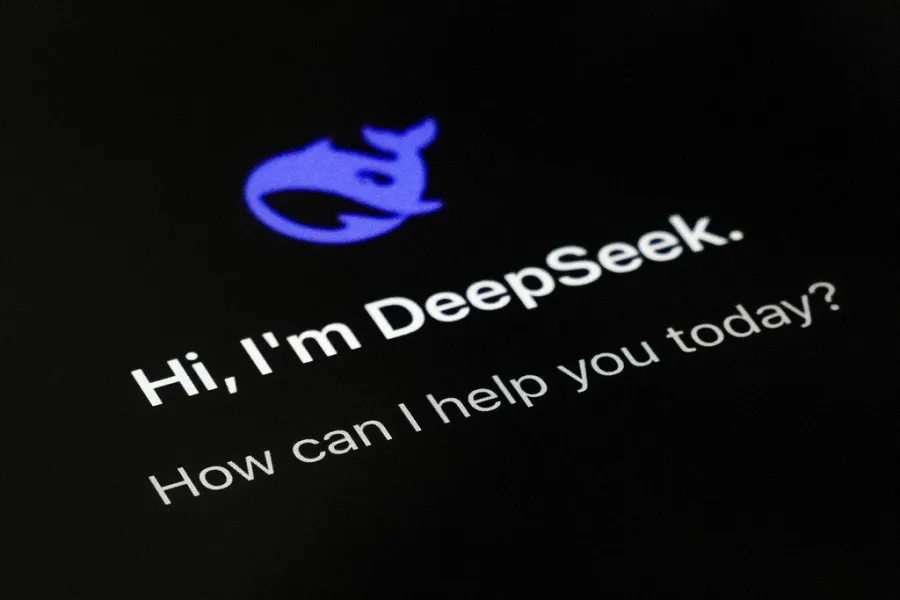
美国的AI讨论大多围绕着在技术竞赛中战胜中国的必要性展开。虽然美国专注于实现最先进的前沿AI技术,但我们正在全球市场上输给中国。世界上大多数地区并不在寻找最前沿的尖端模型。他们需要的是既负担得起又能使用的东西。而美国在投资最先进的技术时,中国正积极在发展中国家推广其更便宜的模型。输掉这场竞赛将对美国产生长期的负面影响。
Much of the AI discussion in the U.S. has centered on the need to win the technology race with China. While the U.S. is focused on achieving the most advanced frontier AI technologies, we are losing the global market to China. Most of the world is not looking for the most cutting-edge frontier model. They are looking for something they can afford and that works. While the U.S. is investing in the most advanced technologies, China is actively pushing its cheaper models around the developing world. Losing this race will have long-term negative implications for the United States.
这些国家的竞争将有助于决定是美国还是中国的技术来运行他们的基础设施、支持他们的医院和课堂,并提供政府服务。随着中国的产品和服务被引入以在非洲、亚洲和拉美的基础设施、课堂、机场和政府服务中运行,中国正在建立美国难以渗透的长期关系。购买中国技术也带来风险。中国技术可能不如美国技术安全,从而可能构成国家安全威胁。
The competition in these countries will help determine whether U.S. or Chinese technology runs their infrastructure, supports their hospitals and classrooms, and delivers government services. As Chinese products and services are brought in to run infrastructure, classrooms, airports, and government services across Africa, Asia and Latin America, China is building long-term relationships that will be difficult for the U.S. to penetrate. Purchasing Chinese technology also brings risks. Chinese technology may be less secure than American technology, creating potential national security threats.
中国也经常销售使各国能够监控其人口的技术。通过专注于开放权重模型,中国正在让其技术对他人更易于采用。与许多仅通过其公司控制的服务提供的美国模型不同,中国的模型如DeepSeek和阿里巴巴的模型可供他人下载和改编。华为已经在全球南方扩大其重要的业务版图。4月,华为宣布在巴西、印度尼西亚和南非等九个额外国家提供AI服务,通过其云网络提供对DeepSeek和其他中国模型的访问。
China also frequently sells technology that enables countries to surveil their populations. By focusing on open-weight models, China is making its technology easier for others to adopt. Unlike many American models, which are only available through services controlled by their companies, Chinese models such as DeepSeek and Alibaba's models are available for others to download and adapt. Huawei is already expanding its significant footprint throughout the Global South. In April, Huawei announced AI services in nine additional countries, including Brazil, Indonesia, and South Africa, offering access to DeepSeek and other Chinese models through its cloud network.
在埃及,华为向符合条件的初创企业提供最高15万美元的云计算积分,以帮助支付计算服务费用,并附带培训和阿拉伯语模型。这些优惠降低了入门成本,鼓励当地企业围绕中国技术构建业务。微软估计,2025年下半年DeepSeek在非洲的使用量是其他地区的两到四倍。其报告还指出,DeepSeek提供的免费访问和合作伙伴关系有助于其技术的传播。
In Egypt, Huawei offered eligible startups up to $150,000 in cloud credits to help pay for computing services, along with training and an Arabic-language model. These offers lower the cost of getting started and encourage local companies to build around Chinese technology. Microsoft estimated that DeepSeek usage in Africa was two to four times higher than in other regions during the second half of 2025. Its report also pointed to the free access and partnerships that DeepSeek offers to distribute its technology.
中国云服务提供商也在全球扩张,尤其关注新兴市场。在拉美,一项2025年的研究发现,中国数据中心服务提供商在巴西市场占比25%,智利市场占比40%,在阿根廷、墨西哥和秘鲁市场占比100%。同项研究还发现,中国企业在印尼数据中心市场的所有权占比57%,在泰国、菲律宾和马来西亚市场占比100%。随着中国供应商成为发展中经济体人工智能的主要提供者,北京将能在这些国家施加更大影响。
Chinese cloud providers are also expanding globally, with a particular focus on emerging markets. In Latin America, a 2025 study found that Chinese data center providers accounted for 25 percent of the market in Brazil, 40 percent in Chile, and 100 percent in Argentina, Mexico and Peru. The same study found that Chinese companies owned 57 percent of the data center market in Indonesia and 100 percent in Thailand, the Philippines and Malaysia. As Chinese suppliers become the main providers of AI across developing economies, Beijing will be able to wield more influence in those countries.
一旦政府围绕供应商的系统构建公共服务,更换供应商可能会变得成本高昂且造成干扰。如果基本服务依赖中国供应商进行计算和技术支持,一个国家在其他议题上挑战北京可能会变得更困难。今天的商业选择可能会影响明天的政治选择。信息方面也存在风险。美国政府的测试发现,其检查的DeepSeek模型重复误导性的中国共产党叙事的频率高于美国对比模型。
Once a government builds public services around a supplier's systems, changing providers can become costly and disruptive. If essential services rely on Chinese suppliers for computing and technical support, a country may find it harder to challenge Beijing on other issues. Commercial choices made today could influence political choices tomorrow. There are risks to information as well. U.S. government testing found that the DeepSeek models it examined repeated misleading Chinese Communist Party narratives more often than American comparison models.
随着人们越来越依赖AI来理解历史和时事,这些回答可能会让北京偏好的世界版本触及更广泛的受众。
As people increasingly turn to AI to understand history and current events, those answers could give Beijing's preferred version of the world a wider audience.
最后,美国企业将失去软件、计算设备和服务的未来销售,这将损害其长期可行性,并缩小从事这些产品研发和支持的工人的机遇。中国通过其数字丝绸之路战略,将科学技术与全球南方的合作长期置于优先位置,并通过广泛融资来支持和补贴中国企业。美国国际开发署的丧失以及美国政府缺乏针对全球南方的协调一致的做法,正在阻碍制定连贯战略的发展。
Finally, American businesses will lose future sales of software, computing equipment, and services, hampering their long-term viability and narrowing opportunities for the workers who build and support those products. The expansion of China's scientific and technological cooperation with the Global South has long been a priority for the Chinese government through its Digital Silk Road strategy, together with extensive financing to support and subsidize Chinese companies. The loss of the U.S. Agency for International Development and the lack of a coordinated U.S. government approach to the Global South are hampering the development of a coherent strategy.
美国应将人工智能和技术的可负担获取作为其与发展中国家合作的核心目标。美国已开始通过推广美国人工智能技术套餐并使出口融资更易获得来作出回应。但这些步骤不足以在预算有限的国家与中国竞争。美国应大幅增加对有意购买美国人工智能和技术的国家可用的资金。它还应投资于培训将成为当地用户的人员,与各国合作培训开发者,支持当地语言的工具,并与伙伴政府合作以确定他们需要解决的问题。
The U.S. should make affordable access to AI and technology a central goal of its work with developing countries. The U.S. has begun responding by promoting packages of American AI technology and making export financing more readily available. But these steps are not enough to compete with China in countries with limited budgets. The U.S. should significantly increase the funding available to countries interested in purchasing U.S. AI and technology. It should also invest in training the people who will be the local users, partner with countries to train developers, support tools in local languages, and work with partner governments to identify problems they need to solve.
中国在全球南方的技术竞赛中处于领先地位,美国必须迅速行动,以确保自己不会输掉全球人工智能竞赛。输掉这场竞赛将对美国的影响力、国家安全以及我们塑造人工智能在全球范围内如何被开发和使用的能力产生严重后果。奥利特·弗伦克尔是美国领导力倡议的首席执行官。
China is ahead in the technology race in the Global South, and the U.S. must move quickly to ensure that it does not lose the global AI race. Losing that race would have serious consequences for U.S. influence, national security, and our ability to shape how AI is developed and used around the world. Orit Frenkel is CEO of the American Leadership Initiative.