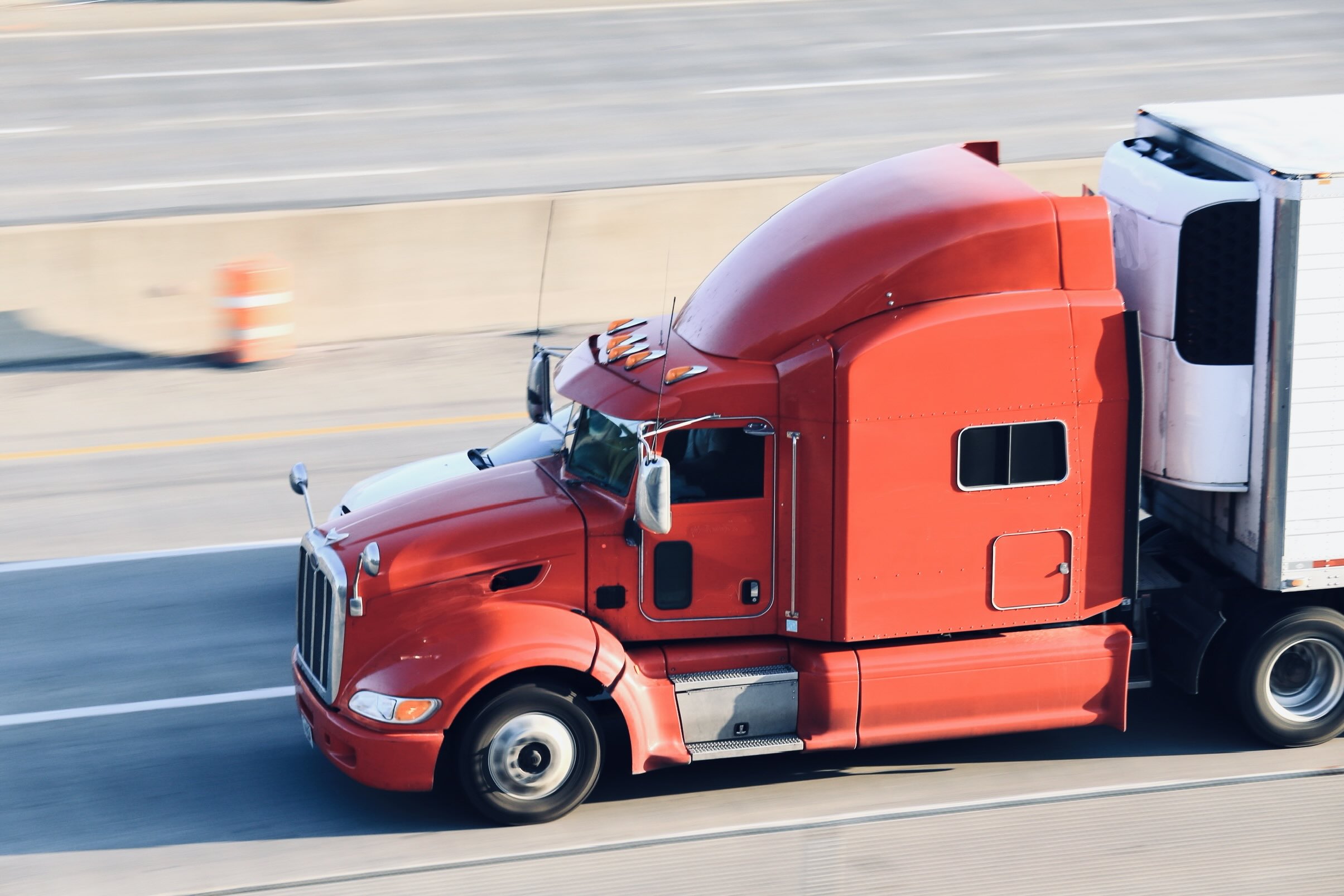
柴油为从航运到农业的各个领域提供动力,随着油价在最近几周飙升至历史高位,全球各国政府正在争相应对其影响。
Diesel fuel powers everything from shipping to agriculture, and with prices hitting record highs in recent weeks, governments around the world are scrambling to contain the fallout.
目前,这意味着从储备中释放燃料,但未来几年,解决方案可能来自麻省理工学院初创公司LNK Energies的一项新技术。
For now, that’s meant releasing fuel from stockpiles, but in the coming years, the answer might be a new technology from an MIT startup called LNK Energies.
LNK开发了一种将现有重型卡车从柴油转为氢气的方法,既能降低污染和成本,又能让运营商免受因地缘政治不稳定(如伊朗战争)导致的油价波动影响。“如果你看一下Class 8卡车的总拥有成本,它比柴油便宜13%”,LNK Energies首席技术官Alexis Huynh对TechCrunch表示。(Class 8是卡车中最重的类别,包括大型货车。)
LNK has created a way to convert existing heavy-duty trucks from diesel to hydrogen, slashing pollution and costs while shielding operators from the price spikes that result from geopolitical instability like the war in Iran. “If you look at total cost of ownership of a Class 8 truck, it’s 13% cheaper than diesel,” Alexis Huynh, chief technology officer at LNK Energies, told TechCrunch. (Class 8 is the heaviest category of trucks, including big rigs.)
汽车公司一直在探索氢气在长途货运中的应用,部分原因是加氢比为这些卡车充电所需的巨型电池充电更快。但氢气的运输具有挑战性,而储存在卡车上的加压储氢罐体积大且成本高。
Automotive companies have been exploring the use of hydrogen in long-haul trucking in part because refilling a hydrogen tank is faster than recharging the massive batteries those trucks require. But hydrogen is challenging to move to refilling stations, and the pressure tanks required to store it on the truck are large and costly.
LNK的方法是将氢气以化学形式附着在另一种化合物上。液态有机氢载体(LOHCs)是能够吸收并随后释放氢气的液体,这种技术已被广泛研究,但主要用于从炼油厂向加油站运输大量氢气。将氢气从LOHC中分离出来所需的设备——即反应堆——体积太大,无法安装在卡车上。
LNK’s approach is to carry hydrogen chemically attached to another compound. Liquid organic hydrogen carriers, or LOHCs, are liquids that can absorb and later release hydrogen, and they have been widely studied, but mostly for moving large quantities of hydrogen from refineries to fueling stations. The equipment needed to separate hydrogen from the LOHC, known as a reactor, has been too big to fit onto a truck.
“目前许多 LOHC 公司使用的反应器体积都很大,大约相当于一个集装箱的大小,”黄说。“我们基本上将其缩小到了迷你冰箱的大小。” 将反应器安装到卡车上能节省令人惊讶的能量。当氢气储存在卡车上时,必须加压至 11,000 磅/平方英寸(800 巴)以上,约为正常大气压的 800 倍,如此高压压缩需要消耗大量电力。
“A lot of the reactors that LOHC companies have today are really large. They’re about the size of a shipping container,” Huynh said. “We have shrunk that basically to the size of a mini fridge.”Moving the reactor onto the truck saves a surprising amount of energy. When hydrogen is stored on a truck, it must be pressurized to more than 11,000 psi (800 bar), roughly 800 times normal air pressure, and squeezing it that hard takes a lot of power.
因为 LNK 的燃料以液态形式携带氢气,并根据需要在车上释放,所以这一步骤被省去了。“我们消除了昂贵的压缩步骤,”LNK Energies 联合创始人兼首席执行官 Sayandeep Biswas 告诉《TechCrunch》。
Because LNK’s fuel carries the hydrogen in liquid form and releases it on board as needed, that step goes away. “We’re eliminating the expensive compression step,” Sayandeep Biswas, co-founder and CEO of LNK Energies, told TechCrunch.
在 LNK 的系统中,氢气在卡车上释放后,只需稍作改装,即可在当今柴油卡车使用的传统内燃机中燃烧。公司利用发动机的废热来帮助驱动车载反应器。或者,如果卡车公司希望彻底消除燃烧排放,也可以改用燃料电池,将氢气转化为电能驱动电动机。
In LNK’s system, once the hydrogen is released on the truck, it can be burned in a conventional internal combustion engine, the kind in today’s diesel trucks, with just a few modifications. The company uses waste heat from the engine to help power the on-board reactor. Or, if the trucking company wants to fully eliminate combustion emissions, it can use fuel cells instead, which convert hydrogen into electricity to power electric motors.
这种 LOHC 可储存在传统油箱中,并像柴油一样通过加油泵加注。“整个氢能基础设施都不需要存在,”Biswas 说。“它就是一个标准的柴油加油站。” Biswas 和黄在实验室已有一台演示用反应器在运行,能为割草机发动机提供动力。18 个月内,他们计划在一辆商用卡车上安装更大版本的反应器。
The LOHC can be stored in a traditional fuel tank and dispensed using pumps, just like diesel. “The entire hydrogen infrastructure doesn’t need to exist,” Biswas said. “It’s just a standard diesel station.”Biswas and Huynh have a demonstration reactor working in the lab that can power an engine from a lawnmower. In 18 months, they plan to install a larger version in a commercial truck.
这些卡车前期成本会更高,但承诺运营成本更低。两人有信心,在仅生产 50 到 100 辆卡车后,就能以每加仑 6.50 美元的价格低于柴油。他们的所有预测都不包含政府补贴。“我们的想法不是拥有一种规模化后更便宜的技术,而是一种在采用期就更便宜的技术,”Biswas 说。
The trucks will cost more up front, but promise to be cheaper to operate. The duo are confident that they can undercut diesel at a price of $6.50 per gallon after they’ve made just 50 to 100 trucks. None of their projections include government subsidies. “The idea isn’t to have a technology that is cheaper at scale, but one that is cheaper even during that adoption period,” Biswas said.
LNK 将在旧金山举行的 TechCrunch Disrupt 活动中现场亮相,时间为 10 月 13 日至 15 日,作为我们初创企业 Battlefield 投资竞赛的一部分。欢迎来到旧金山参与其中。
LNK will present live onstage at TechCrunch Disrupt, taking place October 13-15 in San Francisco, as part of our Startup Battlefield pitch competition. Come join us in San Francisco and take part in the action.