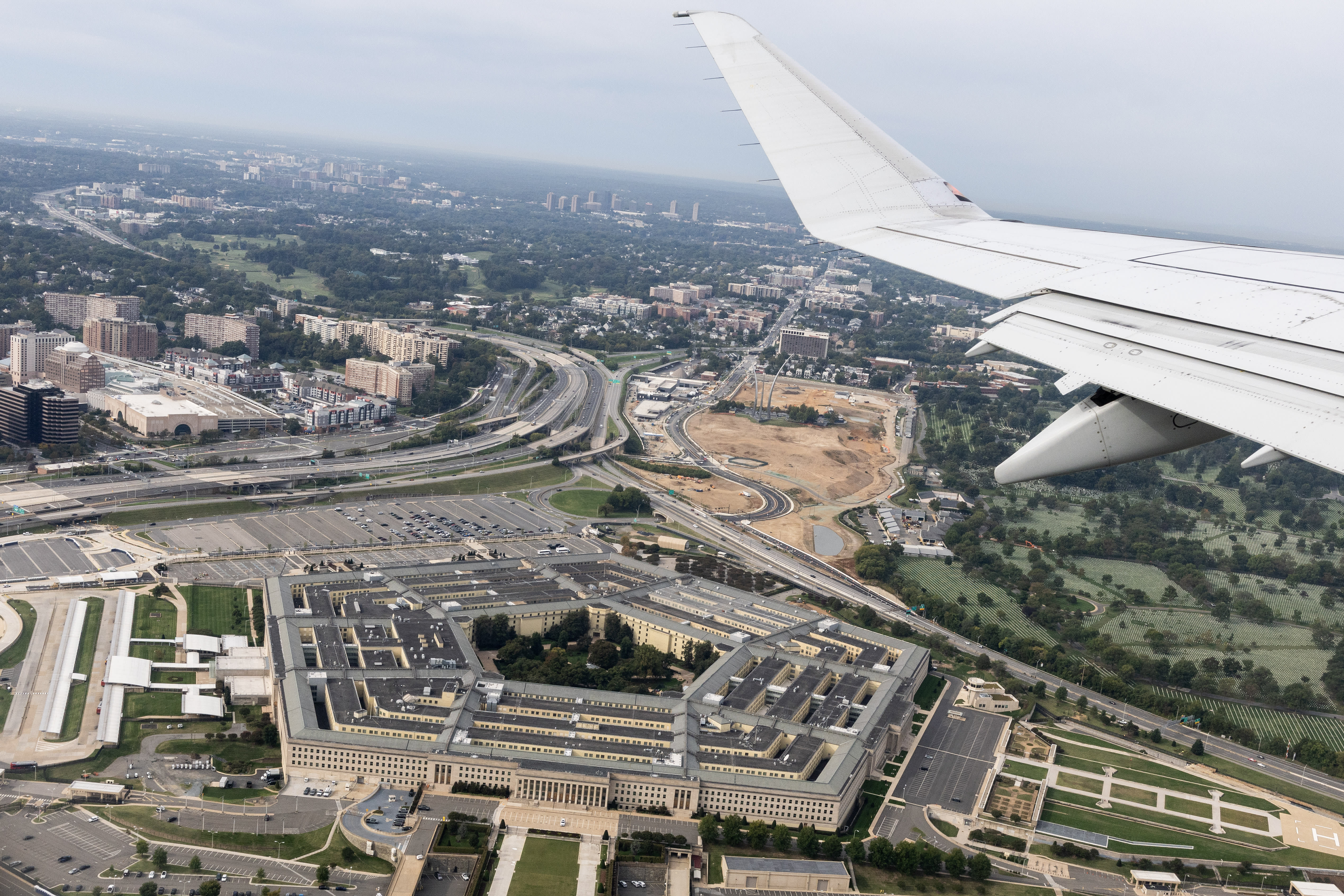
超过两打立法者要求联邦航空管理局(FAA)暂停在华盛顿地区使用一款新的人工智能工具,以协助空中交通管制员,理由是存在安全问题。这些立法者,包括民主党众议员April Delaney、Alexandria Ocasio-Cortez和Don Beyer,在一封信中表示,他们对FAA的试点项目感到担忧,“因为我们尚未看到任何安全评估和测试报告,也没有被告知有任何培训航空安全人员如何最佳使用该工具的努力。”
More than two dozen lawmakers asked the Federal Aviation Administration (FAA) to pause the use of a new AI tool in the Washington area to assist air traffic controllers, citing safety concerns. The lawmakers, including Democratic Representatives April Delaney, Alexandria Ocasio-Cortez and Don Beyer, said in a letter they were concerned with the FAA pilot project "as we have not seen any safety evaluation and testing reports, nor have we been made aware of any efforts to train aviation safety personnel on how best to use the tool."
该信要求在10月19日前得到答复。Ocasio-Cortez周二表示:“空中交通管制不容许出现任何差错”,并呼吁暂停使用该工具。上个月,FAA开始使用一款基于软件的人工智能工具,该工具利用预测分析来改善航班管理方式。“我们对将任何具备人工智能功能的系统整合到空中交通管制系统中深感担忧,因为在那里,决策 literally 是生死攸关的问题,”该信同时由参议员Chris Van Hollen以及众议员Jamie Raskin、Raja Krishnamoorthi和Kweisi Mfume签署。
FAA为SMART系统授予8.75亿美元合同。FAA在6月向Air Space Intelligence公司授予了一项价值8.75亿美元、为期12年的合同,用于开发名为Strategic Management of Airspace, Routes, and Trajectories(SMART,即空中航路、航线和轨迹战略管理)的系统,该系统利用数据分析航空公司时刻表、天气、机场容量、空域状况和运营限制,以预测交通流量并在冲突发生前识别潜在冲突。
The letter seeks an answer by Oct. 19. "Air traffic control leaves zero margin for error," Ocasio-Cortez said Tuesday, calling for the pause. Last month, the FAA began using a new software-based AI tool that uses predictive analytics to improve how flights are managed." We are deeply concerned about the integration of any AI-enabled system into air traffic control systems, where decisions are literally a matter of life or death," said the letter that was also signed by Senator Chris Van Hollen and Representatives Jamie Raskin, Raja Krishnamoorthi and Kweisi Mfume.FAA awards $875 million contract for SMART systemThe FAA in June awarded an $875 million, 12-year contract to Air Space Intelligence for a system dubbed Strategic Management of Airspace, Routes, and Trajectories, or SMART, which uses data to analyze airline schedules, weather, airport capacity, airspace conditions, and operational constraints to predict traffic flows and identify potential conflicts before they occur.
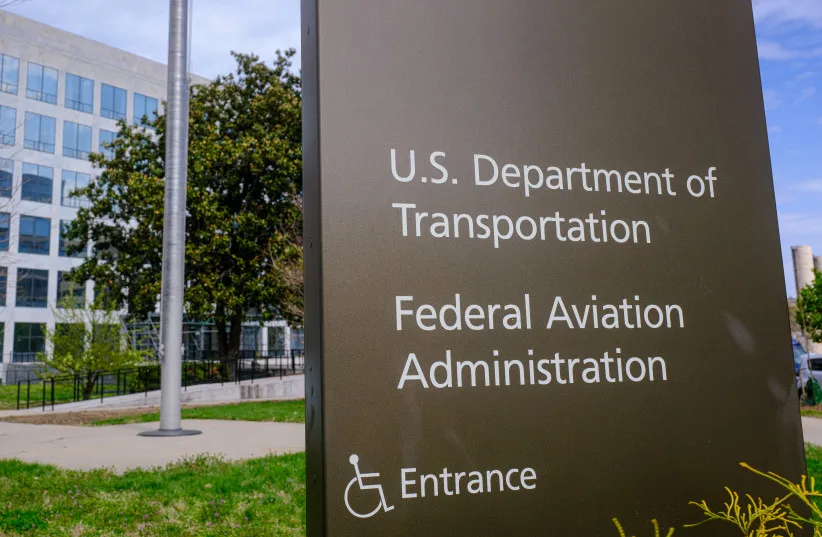
FAA最初在华盛顿特区周边空域使用该人工智能工具,并计划逐步将其推广到全国其他地区。交通部长Sean Duffy周二表示,该工具本质上不过是“愚蠢的人工智能”,并强调是管制员而非软件仍然掌握主导权。“空中交通管制员将始终掌控空域。”
The FAA is initially using the AI tool in the airspace around Washington, D.C. and plans to gradually expand it to other parts of the country. Transportation Secretary Sean Duffy on Tuesday called the tool essentially "dumb AI" and emphasized that controllers, not the software, remain in charge. "Air traffic controllers will always control the airspace.
“这只不过是为飞行员和空中交通管制人员提供了更多工具,帮助他们更好地应对天气等突发情况罢了,”达菲在福克斯财经台的《Big Money in the Morning》节目中说道。该系统整合了超过200个数据源,生成数据可视化图表,并为运营专家提供调度建议;不过美国交通部明确表示,该系统并不涉及对飞行中的飞机进行实时监控或主动管理。
美国联邦航空管理局(FAA)局长布莱恩·贝德福德此前对路透社表示:“这将会带来革命性的变化。如果我们拥有更先进的决策工具,就能做出更加明智的决策。”
This is just giving additional tools for controllers to better manage weather and other issues," Duffy said on Fox Business' "Big Money in the Morning." The system uses over 200 data streams, creates data visualizations, and produces scheduling recommendations for operations experts to consider passing along, but the US Department of Transportation said it does not involve active management of planes in the sky.FAA Administrator touts benefits of AI in airspace management"It's going to be transformational," FAA Administrator Bryan Bedford told Reuters earlier. "We'll make much better decisions if we have better decision-making tools."
该系统的初步应用目标是更有效地重新安排因恶劣天气而被取消的航班;未来还计划将其扩展到其他领域,例如在飞机起飞前战略性地协调航班时刻表和飞行路线。
The plan is to initially use it to more effectively reschedule flights that were canceled due to bad weather, with plans to expand to other tasks such as strategically coordinating schedules and trajectories before aircraft depart.