钢铁行业是全球最大的污染源之一。许多初创公司一直在尝试减少该行业的排放,主要是通过开发新的制造金属方法。螺旋碳(Helix Carbon)认为这些初创公司的做法完全错误。
The iron and steel industries are among the biggest polluters in the world. Plenty of startups have tried to cut the industry’s emissions, mostly by developing new ways to make the metals. Helix Carbon thinks those startups have been going about it all wrong.
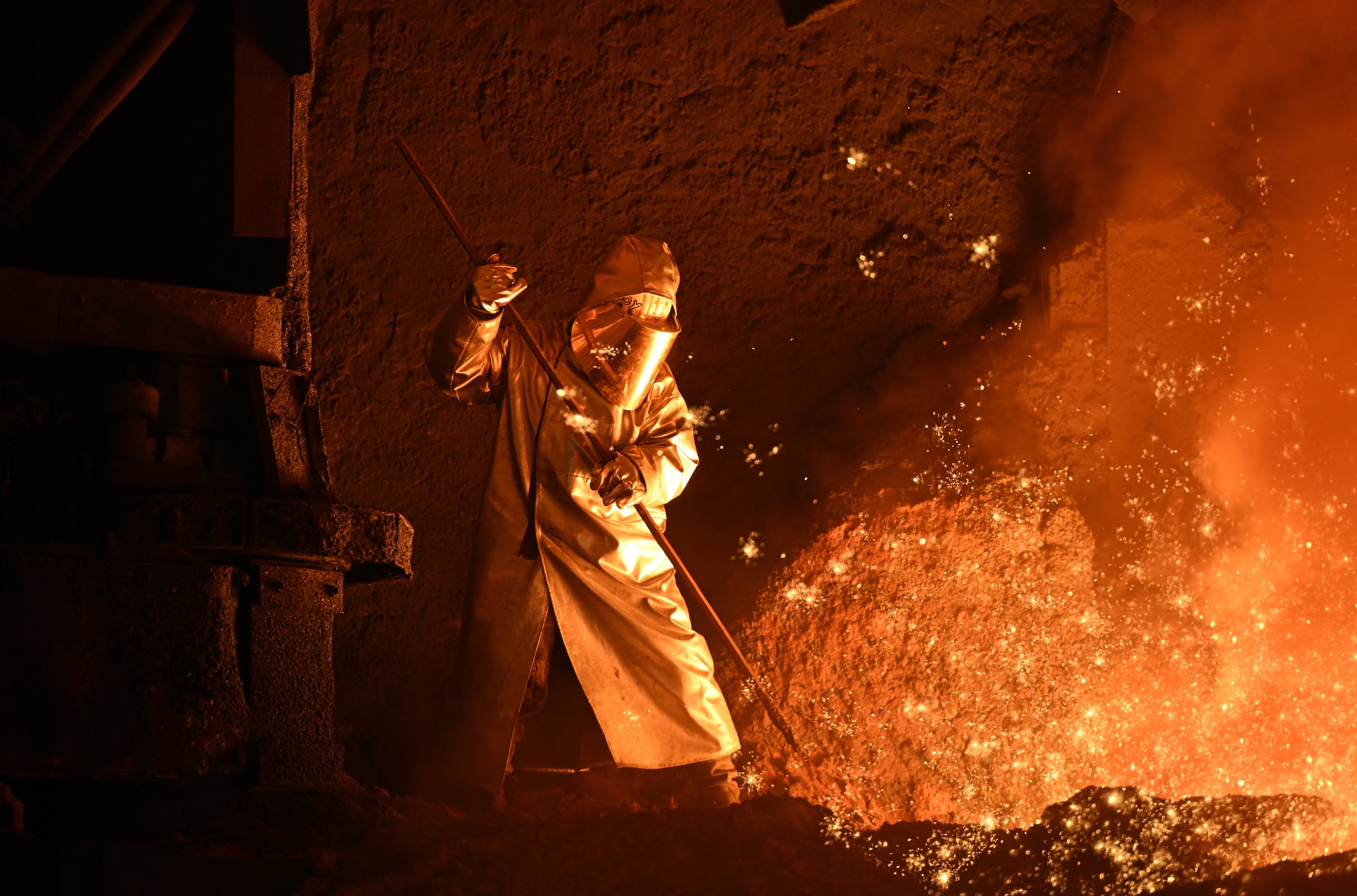
“在不解决高炉问题的情况下,任何试图脱碳的钢铁行业尝试都不会奏效,”螺旋碳的联合创始人兼首席执行官David Brown对TechCrunch表示。高炉是一种巨型炉子,用于将铁矿石转化为制造钢铁所用的铁。螺旋碳并不打算替换高炉,而是想要对其进行清理。其方法有望在降低钢铁行业碳排放的同时,提升铁生产商的利润率——这是一种罕见的双赢局面,尤其适用于如此肮脏的工业过程。
“Any attempt to decarbonize the steel industry without dealing with the blast furnace is not going to work,” David Brown, Helix Carbon’s co-founder and CEO, told TechCrunch. A blast furnace is the giant furnace that turns iron ore into the iron used to make steel. Rather than replace blast furnaces, Helix wants to clean them up. Its approach promises to slash the steel industry’s carbon emissions while boosting profit margins for iron producers, a rare win-win for a dirty industrial process.
高炉已经用于炼铁数个世纪,利用焦炭——一种经过加工的煤——来帮助将原始铁矿石(氧化铁)转化为金属铁。焦炭的燃烧为反应提供热量,但并不直接参与反应。相反,燃烧过程中产生的一氧化碳才是完成还原作用的物质,即去除铁中的氧原子。
Blast furnaces have made iron for centuries, using coke, a processed form of coal, to help turn raw iron ore (iron bound up with oxygen) into metallic iron. The burning coke supplies heat for the reaction but doesn’t take part in it directly. Instead, carbon monoxide produced from the combustion does the work of reducing the iron, meaning stripping away its oxygen atoms.
该过程会释放大量二氧化碳(CO₂),通常会直接排放到大气中。但螺旋碳已经设计出一种方法,将这种废弃的二氧化碳转化为一氧化碳,并将其循环回高炉中。
The process releases tremendous amounts of carbon dioxide, or CO2, which is normally dumped straight into the atmosphere. But Helix Carbon has devised a way to turn that waste carbon dioxide into carbon monoxide and recycle it back into the blast furnace.
螺旋碳的这一过程依赖于电解槽——一种利用电和催化剂从二氧化碳中分离出氧原子的装置。电解槽本身并不新鲜,但Brown表示,该初创公司的设计能够处理高炉的全部废气流。大多数电解槽对这种原始废气来说太脆弱了。它们通常只能处理纯化、浓缩的二氧化碳,因此废气在使用前通常需要先经过处理。
Helix Carbon’s process relies on an electrolyzer, a device that uses electricity and a catalyst to break off an oxygen atom from the carbon dioxide. Electrolyzers aren’t new, but Brown said the startup’s design can handle the entire exhaust stream from the blast furnace. Most electrolyzers are too delicate for raw exhaust like that. They work only on purified, concentrated carbon dioxide, so the exhaust typically has to be processed before they can use it.
通过向高炉注入一氧化碳,铁生产商可以使用更少的焦炭。具体可以减少多少仍有争议,布朗说。一些科学论文表明,多达90%的焦炭可以被消除,而其他研究则表明可能只有30%到40%。
By injecting carbon monoxide into a blast furnace, iron producers can use less coke. How much, exactly, is still debated, Brown said. Some scientific papers suggest as much as 90% of the coke can be eliminated, while other studies suggest it’s more like 30% to 40%.
螺旋碳公司建议铁生产商首先替换33%的焦炭。该公司表示,使用其技术这样做可以为他们每吨铁节省14美元。“这可能看起来不多,但铁行业的利润率众所周知很薄,”布朗说。
Helix Carbon is proposing that iron producers start by replacing 33% of their coke. The company says using its technology to do so would save them $14 per ton of iron. “That may not seem like a lot, but margins in the iron industry are famously thin,” Brown said.
根据Grand View Research的数据,铁和钢铁行业合计是一个2万亿美元的市场,这使得该行业成为年轻初创公司追逐的有吸引力的目标。但该行业也发展缓慢,部分原因是其设备寿命很长。“有的高炉已经使用了超过100年,”布朗说。
The iron and steel industries are a combined $2 trillion market, according to Grand View Research, which makes the sector an appealing target for a young startup to chase. But it also moves slowly, in part because its equipment lasts so long. “There are blast furnaces that have lived for over 100 years,” Brown said.
为了更早地实现收入,螺旋碳公司计划先向特种化学品行业推销。“我们不需要先捕获二氧化碳,”布朗说。“我们只需利用它,这样就打开了在现场直接从废流中生产化学品的大门。”螺旋碳公司是初创公司战场 pitch 竞赛的参赛者,并在周二于旧金山的TechCrunch Disrupt上现场登台展示。欢迎本周加入我们,观看战场的其余部分如何展开。
To bring in revenue earlier, Helix Carbon plans to court the specialty chemicals industry first. “We don’t need to capture the CO2 first,” Brown said. “We just utilize it, and that opens up the door of making chemicals on site right out of waste streams.”Helix Carbon is part of the Startup Battlefield pitch competition and presented live on stage at TechCrunch Disrupt in San Francisco on Tuesday. Join us this week to watch as the rest of the Battlefield unfolds.