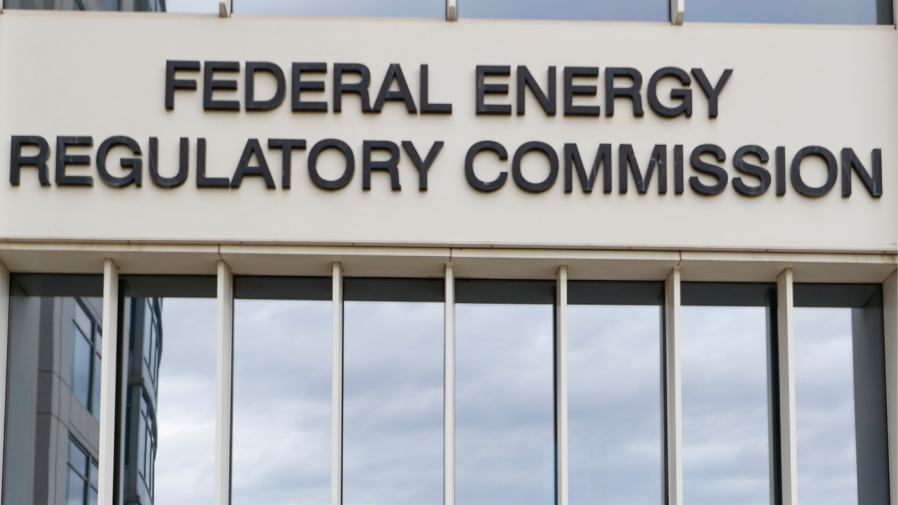
全国能源监管机构否决了区域电网运营商在供应短缺时向部分大型数据中心断电的提议 — — 使得这一问题主要由各州自行处理。
The nation’s energy regulators have shot down a bid from a regional grid operator to cut power to some large data centers during a supply shortfall — leaving the issue largely in the hands of states.
管理多个东海岸和中西部州份电网的区域电网运营商PJM提出,在面临供应短缺时,可对新增大型用户实施断电。其提议将适用于未自备电源的大型数据中心。
Regional grid operator PJM, which manages the electric grid for several East Coast and Midwest states, proposed an ability to cut power to new large consumers when it’s facing a shortage. Its proposal would have applied to large data centers that don’t bring their own power sources.
然而,联邦能源监管委员会(FERC)否决了PJM的提议,称其可能违反《联邦电力法》。
However, the Federal Energy Regulatory Commission (FERC) rejected PM’s proposal, saying it may violate the Federal Power Act.
委员们写道,该法律“将‘任何其他销售’ — — 最 notably 任何零售销售 — — 留给各州独自处理”。
The commissioners wrote that the law “leaves to the states alone ‘any other sale’ — most notably any retail sale” of electricity.
此裁定是在两党州长和特朗普政府推动PJM采取更多措施应对不断上涨的电价之后作出的,而数据中心的巨额用电需求是导致电价上涨的因素之一。
The ruling comes after bipartisan governors and the Trump administration pushed PJM to do more to address rising electricity prices, in which data centers’ massive electricity demand is a factor.
咨询公司Co2efficient的高级顾问杰夫·丹尼斯表示,该决定给各州施加了压力,要求其自行制定政策。
Jeff Dennis, senior counsel at consulting firm Co2efficient, said that the decision puts pressure on states to set their own policy.
丹尼斯曾是FERC的工作人员,他说各州制定的政策可能存在显著差异。
Dennis, a former FERC staffer, said that the policies that states put in place could differ significantly.
他表示,“这增加了各州、PJM以及在某种程度上仍然是FERC需要共同协调的事项数量,以避免未来出现高电价和停电。”
He said that “adds to the number of things that the states and that PJM and to some degree, still FERC, have to sort out” to avoid high power prices and blackouts in the future.
PJM发言人杰夫·希尔兹在一封电子邮件中表示,该电网运营商正“审查委员会的命令,以确定我们如何在满足FERC要求的同时,认识到FERC指出属于各州的责任,并坚持现有电力用户不应因新增高能耗用户(以数据中心形式出现)而承受更高成本或可靠性下降的不公平负担
PJM spokesperson Jeff Shields said in an email that the grid operator is “reviewing the Commission’s order with an eye toward how we can fulfill FERC’s requirements while recognizing the responsibilities FERC indicated belong to the states and honoring the concept that existing electricity customers should not be unfairly burdened by new, energy intensive customers in the form of higher costs or decreased reliability.”