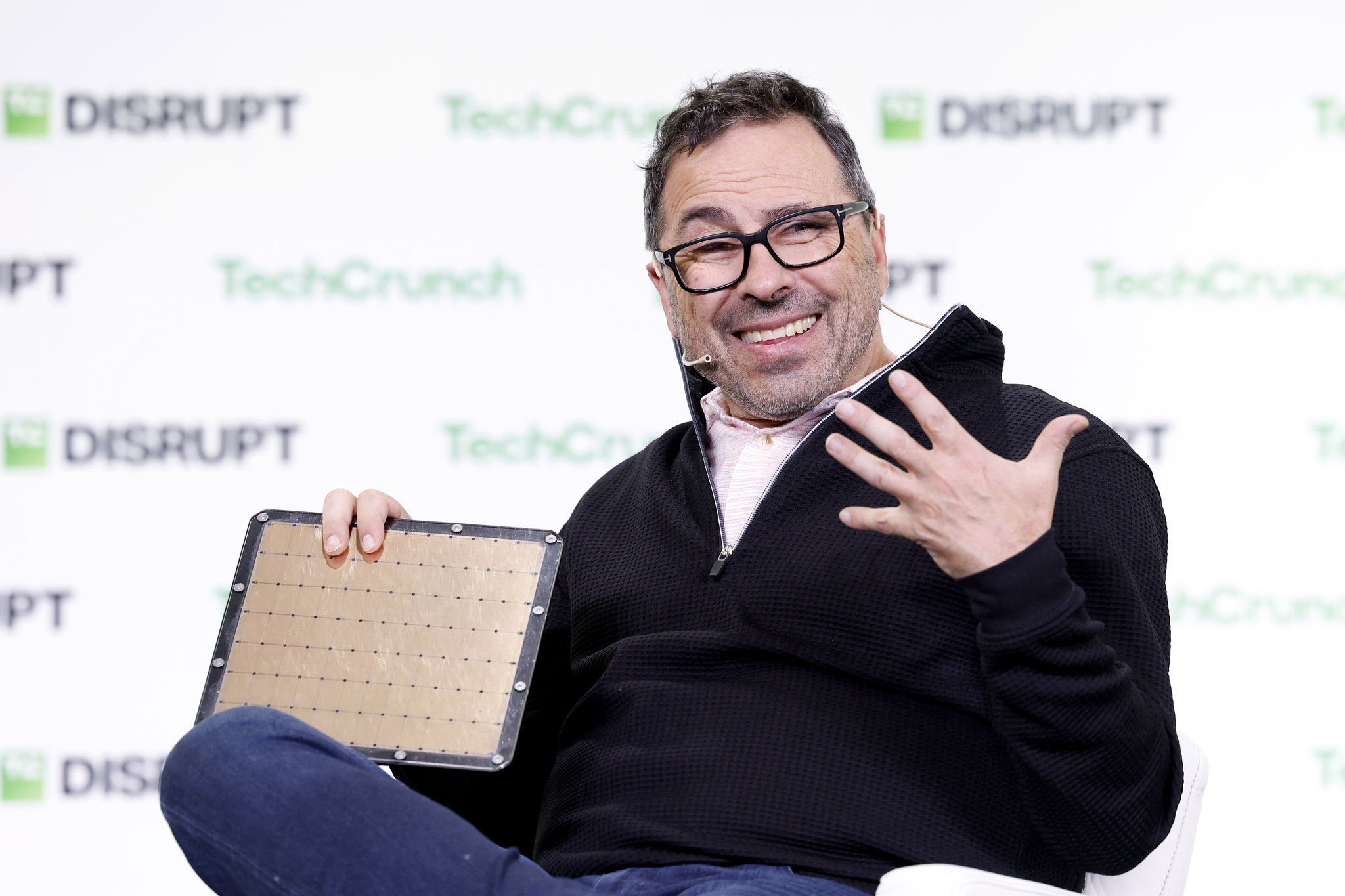
Cerebras Systems 首席执行官兼联合创始人安德鲁·费尔德曼认为,AI 末日论的叙事对行业没有任何好处。在 TechCrunch Disrupt 2026 上,这位 AI 芯片制造高管开玩笑说:“AI 世界的一些领导人也许不应该被允许在公开场合发言。”
Cerebras Systems CEO and co-founder Andrew Feldman thinks the AI doomer narrative isn’t doing the industry any favors. At TechCrunch Disrupt 2026, the AI chipmaker exec quipped that “some of the leaders in the AI world maybe shouldn’t be allowed to talk in public.”
他指的是目前围绕 AI 危险而蔓延的负面情绪,从模型突破限制到 AI 内部人士就 AI 在本世纪末导致全人类灭绝的概率进行辩论。这一论调已经变得如此主流,以至于 Anthropic 首席执行官达里奥·阿莫代伊最近在《周六夜现场》的一段小品中被恶搞,虚构的角色总结了这种论调,说:“我们不赞同我们正在做的事情。”
He’s referencing the negativity now spreading around the dangers of AI, from models breaking containment to AI insiders debating the percentage chance that AI may kill all of humanity by the end of the decade. The argument has become so mainstream that Anthropic CEO Dario Amodei was recently parodied in a skit on , where the fictional character summed up the discourse, saying, “We do not condone what we are doing.”
然而,费尔德曼认为,AI 发展所带来的承诺和潜力正被忽视。他认为 AI 领导者应该花更多时间告诉人们,AI 可能带来一个世界,在这个世界里,你的孙子辈“永远不会遇到死于癌症的人”,即使他们对 AI 风险有所担忧。
Feldman, however, thinks the promise and potential that go hand-in-hand with AI developments are getting overlooked. He thinks AI leaders should spend more time telling people that AI could lead to a world where your grandkids will “never meet anybody who dies of cancer,” for instance, even if they have concerns about AI risks.
显然,费尔德曼对 AI 的成功有既得利益,因为该公司的客户包括使用该技术的知名企业,如 OpenAI、Block、Figma、制药巨头 GSK 和 Lovable。然而,他在权衡风险与回报时很务实。
Clearly, Feldman has a vested interest in AI being successful, as the company’s customers include big names working with the technology, like OpenAI, Block, Figma, pharmaceutical giant GSK, and Lovable. However, he’s pragmatic about weighing the tradeoffs between risk and reward.
“我不认为存在不伴随‘当强大技术落入坏人手中会发生什么’挑战的强大技术。我认为你不可能拥有前者而没有后者,”费尔德曼在 Disrupt 的采访中说。
“I don’t think there are powerful technologies that don’t come with the challenge of ‘what happens when powerful technologies are in the hands of bad people?’ I think you can’t make one and not have the other,” Feldman said during his interview at Disrupt.
“我认为我们必须说的是,这项技术很强大,”他补充道。“我们必须认真对待它。我们必须合理地监管它,”他补充道。
“I think what we have to say is that this technology is powerful,” he added. “We have to be thoughtful about it. We have to regulate it reasonably,” he added.
这位芯片制造首席执行官还指出,围绕 AI 的一些负面情绪与数据中心行业如何应对 AI 需求带来的新建设有关。
The chipmaker CEO also suggested that some of the negativity around AI has to do with how the data center industry has approached the new buildouts created by AI demand.
“作为一个行业,我们在过去几年里在与当地社区合作方面表现得并不好,尤其是在美国。我们 — — 行业 — — 没有像电力行业在石油和天然气领域所做的那样。他们没有与社区合作。他们没有像应该的那样参与社区,这成为了一个问题,”费尔德曼说。
“As an industry, we weren’t super good for the past few years at working with local communities, particularly in the U.S. We — the industry — didn’t do what others have done in the power industry in oil and gas. They didn’t work with the community. They didn’t engage the community as they should have, and that was a problem,” Feldman said.
他将美国正在发生的NIMBY主义 — — “不在我后院!” — — 与其他国家进行了比较,并指出巴西、加拿大、芬兰、冰岛、挪威、墨西哥和瑞士是鼓励企业建设数据中心的市场。
He compared the NIMBY-ism — “not in my back yard!” — of what’s going on in the U.S. with other countries, naming Brazil, Canada, Finland, Iceland, Norway, Mexico, and Sweden as markets where they’re encouraging companies to build data centers.
费尔德曼还表示,他并不担心效率提升会导致对他的芯片或其他与英伟达竞争的公司芯片的需求减少,正如Cerebras所担心的那样。
Feldman also wasn’t concerned that efficiency improvements would create less demand for his chips, or those from other companies competing with Nvidia, as Cerebras is.
“我们可以作为硬件供应商来完成我们的工作,使计算更高效,然后模型制作者可以通过改进工作来使他们的模型更高效,以实现相同的目标。所有这些都必须结合起来,才能迈出有意义的一步,”他指出。
“We can do our job as hardware vendors to make our compute more efficient, and then the model makers can do improved work in making their models more efficient to achieve the same goals. All of this has to come together to make meaningful strides forward,” he noted.