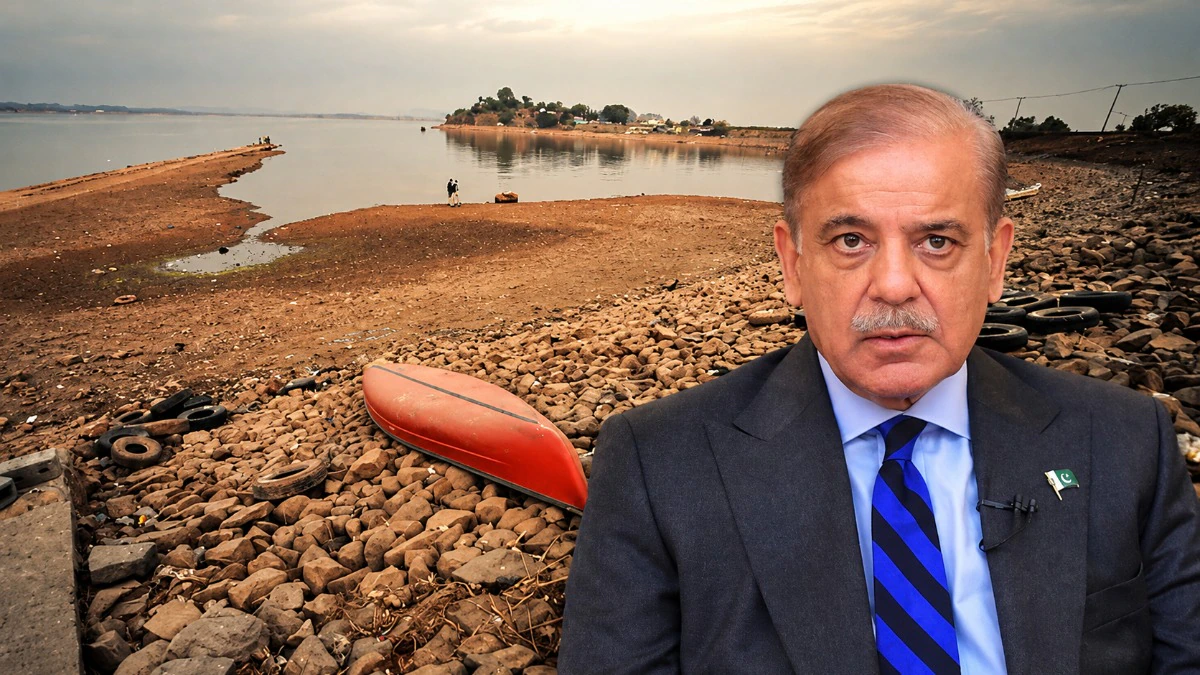
巴基斯坦将面临22%的用水短缺。而印度冻结《印度河水资源条约》并非罪魁祸首。巴基斯坦预测,在拉比季节期间,旁遮普省和信德省的灌溉用水将短缺22%,威胁小麦生产和粮食安全。虽然伊斯兰堡多次指责印度通过使《印度河水资源条约》搁置来削弱其水权,但巴基斯坦自身的水资源监管机构指出,储水不足、河流入流减少以及基础设施项目延迟才是造成短缺的原因。
Pak to face 22% water shortage. And India's freezing of Indus Waters Treaty isn't to blame Pakistan has projected a 22% irrigation water shortage for Punjab and Sindh during the Rabi season, threatening wheat production and food security. While Islamabad has repeatedly accused India of undermining its water rights by placing the Indus Waters Treaty in abeyance, Pakistan's own water regulator has pointed to inadequate storage, lower river inflows and delayed infrastructure projects as the reason for the shortage.
巴基斯坦印度河系统管理局(IRSA)预测,在拉比季节期间,旁遮普省和信德省这两个主要省份的灌溉用水将短缺22%。拉比季节是小麦、大麦、芥末、鹰嘴豆等主要作物的种植时期。虽然伊斯兰堡经常指责印度在新德里使《印度河水资源条约》(IWT)搁置后,剥夺了其应得的水资源份额,但这一短缺,具有讽刺意味的是,实际上是巴基斯坦自身行动的结果。
Pakistan's Indus River System Authority (IRSA) has projected a 22% shortage of irrigation water for two of its major provinces of Punjab and Sindh in the midst of the Rabi season, when major crops like wheat, barley, mustard, gram, among others are planted. While Islamabad has frequently accused India of denying it its fair share of water resources after New Delhi put the Indus Water Treaty (IWT) in abeyance, this shortage, is ironically, a result of Pakistan's own actions.
据总部位于卡拉奇的报纸《黎明》报道,负责监管和监督印度河系统水资源在各省之间分配的巴基斯坦政府机构——印度河系统管理局(IRSA)——在拉比季节(自10月1日至3月31日)期间预测将出现22%的用水短缺。
According to a report by Karachi-based newspaper Dawn, the IRSA, the Pakistan government's body responsible for regulating and overseeing the distribution of water from the Indus River system among the provinces, projected a 22% water shortage amid the Rabi season, which runs from October 1 to March 31.
这一短缺将影响巴基斯坦的农业心脏地带——旁遮普省,以及另一个主要农业省份——信德省,因为农民正准备播种小麦和其他冬季作物。据巴基斯坦通讯社报道,巴基斯坦超过80%的农业依赖于由印度河流域供水的灌溉系统,使得该河流域的水资源可得性对该国的粮食安全至关重要。
The shortfall is set to affect Punjab, Pakistan’s agricultural heartland, and Sindh, another major farming province, as farmers prepare to sow wheat and other winter crops. According to a report by the Associated Press of Pakistan, more than 80% of Pakistan’s agriculture depends on the irrigation system fed by the Indus Basin, making water availability in the river system critical to the country’s food security.
具有讽刺意味的是,据《黎明》和巴基斯坦通讯社报道,印度河系统管理局(IRSA)在一份声明中指出,这一短缺归因于旁遮普省和信德省几项水电项目完工的延迟。
Ironically, in a statement released by the IRSA, and reported by Dawn and the Associated Press of Pakistan, this shortfall is being attributed to delays in the completion of several hydropower projects in the two provinces.
就在巴基斯坦多名政客高声指责印度剥夺该国在印度河系统中应得的水份之际,这一情况出现了。新德里在巴基斯坦恐怖分子于2025年4月发动帕哈尔甘恐怖袭击后,将1960年签署的《印度河水条约》置于暂停状态。恐怖分子在询问受害者信仰后,残忍地枪杀了26名平民。
This comes even as several Pakistani politicians have been loudly claiming that the country is being denied its rightful share of water in the Indus system by India. New Delhi put the Indus Water Treaty, signed back in 1960, into a state of abeyance after Pakistani terrorists carried out the Pahalgan terror attack in April 2025. They brutally gunned down 26 civilians after asking about their faith.
正是在此次袭击之后,印度政府将《印度河水条约》搁置,并对巴基斯坦的国家赞助恐怖主义发动了“辛杜尔行动”。
It was after the attack that the Centre put the IWT on hold and launched Operation Sindoor against Pakistan's state-sponsored terrorism.
将《印度河水条约》置于暂停状态并不意味着印度已停止向巴基斯坦输送河流水量。这意味着印度已暂停条约义务,包括常规水文数据共享和提前通知,而河流仍继续跨境流动。巴基斯坦为何预测灌溉用水短缺22%?
Keeping the IWT in abeyance does not mean India has stopped the flow of river water into Pakistan. It means India has suspended treaty obligations, including routine hydrological data-sharing and advance notifications, while the rivers continue to flow across the border. WHY IS PAKISTAN PREDICTING A 22% IRRIGATION WATER SHORTAGE?
据《黎明报》和巴基斯坦联合社报道,巴基斯坦2026-27年拉比季预计灌溉用水短缺22%,原因是河流入流减少、水库储存不足以及关键基础设施项目延误。
Pakistan's projected 22% irrigation water shortage for the 2026-27 Rabi season stems from lower river inflows, inadequate reservoir storage and delays in key infrastructure projects, according to reports in Dawn and the Associated Press of Pakistan.
巴基斯坦联合社报道称,2026年4月至9月的卡里夫季实际入流量比预测低8%,比去年同期低22%。河流入流量取决于降雨、雪和冰川融化以及地区气温。截至9月30日,水库储存量为934.3万英亩英尺(MAF),而预期为1201.4万英亩英尺。
The Associated Press of Pakistan reported that actual inflows during the April to September 2026 Kharif season were 8% below projections and 22% lower than the previous year. River inflows depend on rainfall, snow and glacier melting, and the temperature of a region. Reservoir storage stood at 9.343 million acre-feet (MAF) on September 30, against an anticipated 12.014 MAF.
《黎明报》报道称,由于水电发展署(WAPDA)在施工期间实施的蓄水限制,塔布拉水库无法储存超过300万英亩英尺的水。
According to Dawn, more than 3 MAF of water could not be stored at Tarbela Dam because of filling restrictions imposed by the Water and Power Development Authority (WAPDA) during construction.
IRSA 对 Tunnel 4 低位出水口和 Tunnel 5 水电项目的延迟表示担忧,敦促这些项目“应尽早完成”,因为它们“已经严重延误,导致在卡里夫季节期间各省出现供水短缺”。据《黎明报》报道,这两个项目原计划于 2025 年 3 月前完成。
IRSA expressed concern over delays in the Tunnel 4 Low-Level Outlet and Tunnel 5 Hydropower Project, urging that they "should be completed as early as possible" as they were "already substantially delayed and causing shortages in the provinces during the Kharif seasons." According to the report by Dawn, both projects were supposed to be completed by March 2025.
据报道,塔尔贝拉水库在印度河上的限制迫使当局增加曼格拉水库的放水量,从而阻碍了其在拉比季节前的蓄水。
Constraints at Tarbela on the Indus River also reportedly forced authorities to increase releases from Mangla Dam, hampering its replenishment ahead of Rabi season.
因此,在 10 月 7 日的会议之后,IRSA 咨询委员会批准了旁遮普省和信德省预计 22% 的供水短缺,同时豁免俾路支省和开伯尔-普赫图赫瓦省免于供水削减,据《黎明报》报道。
As such, following a meeting on October 7, IRSA's Advisory Committee approved a projected 22% shortage for Punjab and Sindh, while exempting Balochistan and Khyber Pakhtunkhwa from supply cuts, Dawn reported.
旁遮普省被分配 1556.4 万英亩英尺水量,信德省被分配 1174.8 万英亩英尺水量,而俾路支省和开伯尔-普赫图赫瓦省分别被分配 117.1 万英亩英尺和 71.0 万英亩英尺水量。IRSA 表示,该短缺是“基于协定的入流量和其他系统运行参数”计算得出的,并且可能会定期审查。
Punjab was allocated 15.564 MAF and Sindh 11.748 MAF, while Balochistan and Khyber Pakhtunkhwa were assigned 1.171 MAF and 0.710 MAF, respectively. IRSA said the shortage was calculated "based on the agreed inflows and other system operational parameters" and could be periodically reviewed.
据《黎明报》报道,旁遮普省、WAPDA 和 IRSA 的内部评估曾预测水资源短缺可能高达 26%,但官方批准的估计值在信德省提出异议后被下调。
According to Dawn, internal assessments by Punjab, WAPDA and IRSA had projected a water shortage of up to 26%, but the officially approved estimate was reduced following objections from Sindh.
水资源短缺可能导致巴基斯坦小麦产量下降 预计的灌溉用水短缺威胁将进一步削弱巴基斯坦的小麦种植,尽管该国仍在应对去年产量未达目标所导致的供应缺口。据《黎明报》报道,尽管巴基斯坦进入上一个拉比季节时未预计出现水资源短缺,但仍面临超过两百万吨的小麦供应缺口。
WATER SHORTAGE MAY LEAD TO LOWER WHEAT HARVESTS IN PAKISTAN The projected irrigation water shortage threatens to further weaken Pakistan's wheat cultivation, even as the country grapples with a supply deficit following last year's below-target production. According to Dawn, Pakistan faced an estimated wheat shortfall of more than two million tonnes despite entering the previous Rabi season without a projected water shortage.
赤字迫使政府下令进口一百万吨小麦,其中第一阶段为75万吨,计划于今年11月交付。在2970万吨的生产目标和3190万吨的国内消费估算下,据《黎明报》报道,巴基斯坦去年被认为产量约为2750万吨。
The deficit forced the government to order imports of one million tonnes of wheat, including 750,000 tonnes in the first phase, that is scheduled for delivery in November this year. Against a production target of 29.7 million tonnes and estimated domestic consumption of 31.9 million tonnes, Pakistan is believed to have produced around 27.5 million tonnes last year, Dawn reported.
今年的水资源形势更为紧张。巴基斯坦在上一个拉比季开始时,其水库中储存的蓄水量约为1300万英亩英尺(MAF),比目前水平高出近27%。作为拉比季的主要作物和巴基斯坦大部分地区的主食,小麦因此可能因灌溉供应减少而面临额外压力。该季节种植的其他作物包括鹰嘴豆、扁豆、烟草、油菜、大麦和芥末。
The water outlook is considerably tighter this year. Pakistan entered the previous Rabi season with around 13 million acre-feet (MAF) of carryover water stored in its dams, nearly 27% more than the current level. Wheat, the principal Rabi crop and the staple in much of Pakistan, could therefore face additional pressure from reduced irrigation supplies. Other crops grown during the season include gram, lentils, tobacco, rapeseed, barley and mustard.
尽管如此,巴基斯坦一直指责印度自新德里将《印德斯水条约》搁置以来,一直阻断印度河的流动,剥夺其应得的水资源份额。例如,巴基斯坦总理谢赫巴兹·谢里夫曾在去年9月的联合国大会上发表讲话,宣布任何试图转移印度河水的行为将被视为“战争行为”。最近,10月6日,《黎明报》报道,巴基斯坦副总理兼外交部长伊沙克·达尔在维也纳国际水资源研讨会上表示:“任何试图剥夺巴基斯坦应得水资源的行为都将对地区和平与安全产生严重影响。”
Despite this, Pakistan has accused India of blocking the flow of the Indus and depriving it of its fair share of its water resources ever since New Delhi put the IWT in abeyance. For instance, PM Shebaz Sharif, speaking at the UN General Assembly back in September, declared before the world that any attempt at diversion of Indus waters will be "treated as an act of war." Most recently, on October 6, Dawn reported Deputy Prime Minister and Foreign Minister Ishaq Dar at the International Water Symposium in Vienna as saying that, "Any attempt to deprive Pakistan of the waters rightfully allocated to it would have serious implications for regional peace and security."
然而,巴基斯坦自身水资源监管机构的评估所指出的因素表明,存在更为紧迫的国内挑战。巴基斯坦河流系统管理局(IRSA)指出,水库储存不足以及关键水电和水利基础设施项目的延误——包括塔贝拉大坝的工程——是导致短缺的原因,而非将责任归咎于印度将水资源共享条约搁置。
However, the factors identified in Pakistan's own water regulator's assessment point to a more immediate domestic challenge. The IRSA has highlighted inadequate reservoir storage and delays in critical hydropower and water infrastructure projects, including works at Tarbela Dam, as contributors to the shortage, rather than blaming India for putting a water sharing treaty in cold storage.