入口处不过是一条焦黑的动脉,裂开着,露出犯罪现场的残迹。烈火吞噬了一切:楼梯扶手、精致的陶瓷砖,以及灰色煤烟厚厚的一层之下,藏着图巴西家族的希望。经过数周的法律斗争,这些巴勒斯坦人仍抱有希望,在9月29日的清晨,夺回他们的家园:两座坐落在贾卢德山顶的优雅住宅,该地处被占领的西岸,曾被以色列定居者夺走。但这一夜以一场大火的残暴告终,再次暴露了以色列司法体系的局限——面对别无选择,巴勒斯坦人只能将最后的希望寄托于此。
The entryway is nothing more than a charred artery, gaping open onto the remnants of a crime. The flames consumed everything: the stair railing, the delicate ceramic tiles and, somewhere beneath thick layers of gray soot, the hopes of the Toubassi family. After weeks of legal battles, these Palestinians still hoped, in the early morning of September 29, to reclaim their homes: two elegant houses perched at the top of a hill in Jaloud, in the occupied West Bank, which Israeli settlers had taken over. But the night ended in the brutality of a blaze, once again exposing the limits of an Israeli justice system onto which, for lack of better options, Palestinians continue to tack their last hopes.
这场法律纠纷始于几周前的8月27日,当时律师吉亚斯·纳赛尔在以色列最高法院为图巴西家族辩护。听证会上,纳赛尔播放了视频录像,展示了一场持续近90天的围困证据。在经历了三个月的袭击和骚扰——包括投掷石块和死亡威胁之后,“山顶青年”这一以色列定居者中最激进的群体,终于在7月22日迫使图巴西家族逃离,随后夺取了他们的财产。面对这些证据,法官们形容该情况“不可接受”。9月6日,他们裁定以色列当局须在14天内,在军事保护下允许该家族返回。
The legal saga began a few weeks earlier, on August 27, when lawyer Ghiath Nasser pleaded the Toubassi family's case before the Israeli Supreme Court. During the hearing, Nasser presented video footage showing evidence of a siege that had lasted nearly 90 days. After three months of assaults and harassment, including stone-throwing and death threats, "hilltop youth," among the most radical of the Israeli settlers, finally forced the Toubassi family to flee on July 22, before seizing their property. Faced with the evidence, the judges described an "unacceptable" situation. On September 6, they ordered the Israeli authorities to allow the family to return under military protection, within 14 days.
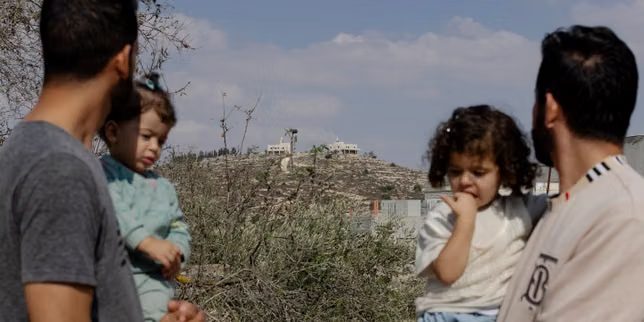
这个家庭原定于9月24日返回。那天从黎明开始,他们发现自己站在对面的山丘上,通过电视观看着自己旧居的景象。红着眼睛盯着客厅的屏幕,那里正在播放安装用于监控定居者行动的监控摄像头的实时画面。一整天,他们一直在等待COGAT的电话——这个以色列军方机构负责协调在巴勒斯坦领土的政府活动。“我们身边有太多记者了,”父亲图巴西说,他认为这就是没有采取行动的原因。电话直到四天后才响起,大约晚上11点左右,在夜色的掩护下,远离好奇的目光。
The family was initially scheduled to return on September 24. That day, starting at dawn, they found themselves watching their old homes from the opposite hill, on television. Reddened eyes fixated on the screen in the living room of the house where they were staying, as live footage from surveillance cameras installed to monitor the settlers' movements streamed in. All day, the family waited for a call from COGAT, the Israeli military body responsible for coordinating government activities in the Palestinian territories. "There are too many journalists with us," Toubassi, the father, said, believing that was the reason no action had been taken. The phone would only ring four days later, around 11 pm, under the cover of night and away from prying eyes.