未使用的迷你风扇、电子烟和智能手表:关键矿物的金矿詹妮弗·柯林斯2026年10月14日迷你风扇和一次性电子烟等快速科技产品的销售,以及心率监测仪和智能手表等可穿戴健康科技产品的销售正在激增。它们正在制造一种新的电子废弃物问题,但内部蕴藏着隐藏的宝藏。
Unused mini fans, vapes and smartwatches: A critical mineral goldmine Jennifer Collins October 14, 2026 Sales of fast tech like mini fans and disposable e-vapes, as well as wearable health tech such as heart monitors and smart watches are soaring. They're creating a new e-waste problem but are full of hidden treasure.
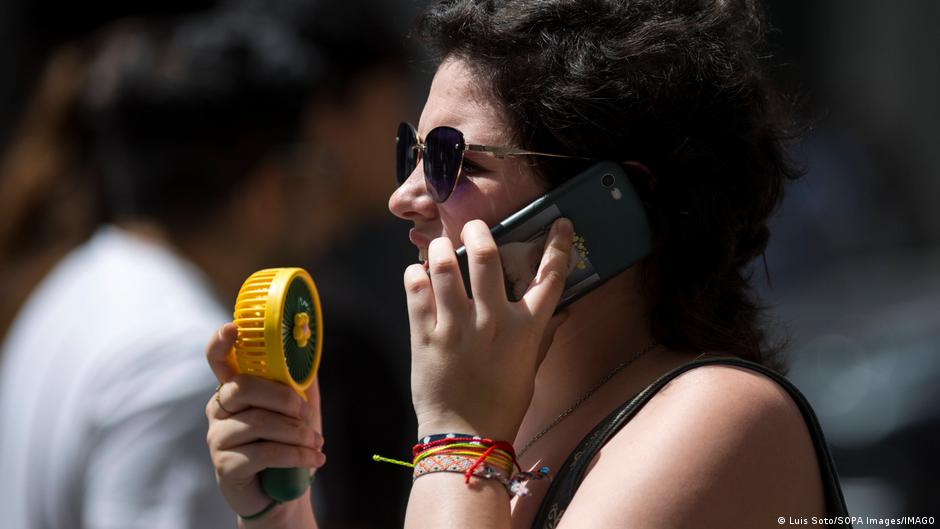
夏季仅使用一个月的廉价迷你风扇常常被遗忘在抽屉底部或被扔进垃圾桶。从迷你风扇和廉价充电器到作为新年健康计划一部分购买的智能手表,大约44%的欧洲人至少拥有六件“快速科技”小工具。而且超过一半的人表示,他们在家中闲置或损坏的电子废弃物,而不是进行回收,而是直接扔进普通垃圾。
Cheap mini fans used for a month in summer are often end up forgotten at the bottom of a drawer or in the trash From mini fans and the cheap chargers to smartwatches bought as part of a New Year's health kick, some 44% of Europeans own at least six "fast-tech" gadgets. And more than half say they keep unused and broken e-waste items languishing at home or throw them in the regular trash instead of recycling.
这是总部位于布鲁塞尔的电子废弃物协会WEEE Forum的一份新报告的结论。该报告将快速科技描述为蓬勃发展的领域,包括售价低于10欧元(约合11美元)的充电和照明设备,如移动电源和健身追踪器等高科技产品,以及廉价迷你搅拌机和风扇等生活电器,以及一次性电子烟等小工具。
That's according to a new report by Brussels-based e-waste association WEEE Forum. It describes fast tech, which is booming, as charging and lighting devices under €10 (circa $11), high-tech items like power banks and fitness trackers, and gadgets and lifestyle appliances like cheap mini blenders and fans, as well as single-use electronic vapes.
“因此,这些电子产品有点像快时尚,”WEEE Forum传播经理玛格达莱娜·查里亚诺维奇对德国之声(DW)表示。
"So, these electronics are a bit like fast fashion," Magdalena Charytanowicz, WEEE Forum's Communication Manager, told DW.
廉价电子烟是快速科技日益增长趋势的一部分,正在加剧日益严重的电子废弃物危机。近40%的购买者回忆称,他们在购买后根本没有使用或仅使用了一个月就丢弃了快速科技产品;近60%的人表示他们使用某件产品的时间不超过六个月。然而,尽管这些产品功能寿命短暂,绝大多数受访者对他们的小工具总体上仍感到满意。
Cheap e-vapes are part of the rising trend of fast tech that is adding to the growing e-waste crisis Nearly 40% of buyers recalled discarding a fast-tech item without using it at all or within a month of buying it, and nearly 60% said they had used a product for no longer than six months. Yet the vast majority of respondents were generally satisfied with their gadgets despite short-lived functionality.
这表明消费者接受了“快速科技交易”——即产品质量差但“能暂时使用且易于更换”,这与快时尚类似,正如报告所述。
This suggests consumers accept the "fast-tech bargain" of poor quality that "does the job for a while" and is easily replaced — similar to fast fashion — according to the report.
电子废弃物的长城及应对之道 全球每年约有6200万吨电子产品被丢弃。“这相当于每年产生一座中国长城的电子废弃物,”查里塔诺维奇指出,并补充说,这一数字预计将在2030年增至8200万吨。
The Great Wall of e-waste and what to do about it About 62 million tons of electronics are discarded worldwide annually. "That's the Great Wall of China of e-waste that is produced every year," noted Charytanowicz, adding that the figure is set to grow to 82 million by 2030.
在欧洲,大约40%的电子废弃物被回收,但全球回收率仅为17%。这意味着宝贵的材料被浪费,而电子废弃物最终污染环境。
In Europe, roughly 40% of electronic waste is recycled, yet the rate worldwide is just 17%. This means valuable materials are lost, while electronic waste ends up polluting the environment.
在德国回收稀土以减少对中国的依赖 要观看此视频,以及2022年,欧洲产生的1070万吨电子废弃物中蕴含了100万吨关键原材料,包括锰、金、铜和铝。
Recycling rare earths in Germany to reduce China dependence To view this video , and In 2022, a million tons of critical raw materials were embedded in the 10.7 million tons of e-waste generated across Europe, including manganese, gold, copper and aluminum.
这些材料处于“地缘政治紧张的中心”,查里塔诺维奇表示,她指的是全球在获取稀土及其他关键矿产方面日益加剧的紧张局势。
These materials are at "the center of geopolitical tensions," Charytanowicz said, referring to escalating global tensions over access to rare earths and other critical minerals.
“即使是最小的”设备,如果含有电路板或电池,也是值得回收的,她对德国之声说道。
"Even the smallest" devices are worth recycling if they contain a circuit board or battery, she told DW.
像WEEE论坛这样的组织表示,需要提高人们对如何处理廉价电子设备的认识,并且应尽可能让回收变得简便。
Groups like WEEE Forum say more awareness raising is needed on how to dispose of cheap electronic devices, and that recycling should be made as easy as possible.
但减少产品环境影响的最佳方式是通过更好的设计和维修来延长其寿命,回收原材料是耗能的。
But the best way to reduce a product's environmental impact is to extend its lifespan through better design and repair, recycling raw materials is energy intensive.
查里托纳维奇表示,目前正在考虑中的更清晰、统一的欧盟规则有望帮助改善电子废弃物的收集。该集团20年前的指令“并不真正适应不断变化的现状”,她说。
Charytonawicz said clearer, harmonized EU rules now under consideration could help improve e-waste collection. The bloc's 20-year-old directive is "not really adapted to the changing reality," she said.
医疗保健日益增长的数字废弃物问题 另一个日益增长的电子废弃物来源是数字医疗保健。虽然糖尿病传感器、血压监测仪等设备正在“改变医疗保健”,但许多设备被设计为一次性使用。
Healthcare's increasing digital waste problem Another growing area of e-waste is digital healthcare. While devices such as diabetes sensors, and blood pressure monitors are "transforming healthcare," many are designed to be disposable.
即使是小型、廉价的电子产品也应进行回收,因为它们含有宝贵的材料。一项发表于2025年12月《自然》杂志的研究发现,例如可穿戴医疗电子产品的销售额可能在2050年达到每年20亿台,并产生100万吨电子废弃物。
Even small, cheap electronics should be recycled as they contain valuable materials study published in Nature in December 2025 found sales of wearable healthcare electronics, for example, could reach 2 billion devices annually by 2050, and generate a million tons of e-waste.
荷兰代尔夫特理工大学可持续设计工程副教授杰里米·法卢迪表示,使健康科技产品——特别是医院使用或发放的数字设备——可回收或可重复使用,比普通电子产品面临更大的挑战。
Jeremy Faludi, associate professor of sustainable design engineering at TU Delft in the Netherlands says making health tech — particularly digital devices used in, or issued by hospitals — recyclable or reusable comes with some "much bigger challenges" than normal electronics.
这部分原因在于患者受到污染的潜在风险,特别是那些接触血液或其他体液的数字手术设备。
That's in part due to the potential for patient contamination, particularly with digital surgical devices that come into contact with blood or other bodily fluids.
法卢迪说:“现在很多东西的设计方式导致你无法回收其中的材料,因为这些材料无法在不损坏电子设备的情况下轻易进行灭菌。”
"The way that a lot of things are designed now, you can't recover the stuff because it can't be easily sterilized without the electronics," said Faludi.
可穿戴设备如何革新心脏健康 他参与了“数字健康在循环经济中”(DiCE)项目,这是一项欧盟资助的倡议,旨在帮助重新设计数字医疗设备,以“在不危及患者安全的前提下回收关键材料并减少环境影响”。例如,模块化设计使得电子部件可以与需要在患者之间更换的部件分离,从而使设备更易于重复使用。
How wearables are revolutionizing heart health He worked on the Digital Health in Circular Economy (DiCE) project, an EU-funded initiative, to help redesign digital healthcare devices to "recover critical materials and reduce environmental impacts without compromising patient safety." modular design, for example, allows electronic components to be separated from the parts that need to be replaced between patients, making devices easier to reuse.
为期四年的DiCE项目涉及九个欧盟国家的公民、医院和制造商,发现可重复使用的心电图电缆——用于将患者连接到心脏监测设备——例如,可将环境影响降低多达81%-94%。这些套件通常设计为一次性使用。
The four-year DiCE project, which included citizens, hospitals and manufacturers across nine EU countries, found reusable ECG cables — which connect patients to heart-monitoring equipment — cut environmental impacts by up 81-94%, for example. The sets are usually designed for single use.
医疗废物的相关规定也可能使再利用和回收变得更加困难,特别是当各国的要求不一致时,这些规定往往基于感知风险而非实际风险,Faludi 补充道。他说,医院垃圾中约有 85% 并不具传染性,但所有废弃物最终都被放进同一个垃圾箱。更好的分类以及欧盟范围内关于处理非传染性医院废物的规定将有所帮助。
Rules around medical waste can also make reuse and recycling more difficult, particularly when requirements differ between countries and often come down to perceived rather than actual risk, Faludi added. He says some 85% of hospital trash is not infectious but everything ends up in the same bins. Better sorting as well as EU-wide regulations around treating non-infectious hospital waste would help here.
许多数字健康设备如果设计得当,可以被重复使用或回收。“绿色 nudges”有助于公众进行回收。正如 WEEE Forum 的 Charytanowicz 所说,该论坛也参与了 DiCE 项目,与其他科技产品类似,诸如血压和血糖监测仪之类的消费健康设备常常因人们不知道如何正确处置而被遗忘在抽屉里或被错误地丢弃。
Many digital health devices could be reused or recycled if designed properly 'Green nudges' help citizens to recycle Like with other tech, consumer health devices such as blood pressure and glucose monitors often risk being forgotten in drawers or ending up in the wrong waste, simply because people do not know how to dispose of them, said Charytanowicz of WEEE Forum, which is also involved in DiCE.
比利时、西班牙和斯洛文尼亚的试点计划提供免费邮寄回收服务并在公共场所设置收集机器,结果显示,如果流程简单便捷,超过 60% 的人愿意归还不需要的设备。
Pilot schemes in Belgium, Spain and Slovenia that offered free postal returns and collection machines in public places found that more than 60% of people were willing to return unwanted devices if it was a straightforward process.
Charytanowicz 表示:“真正重要的是便利性,这样才能融入人们的日常生活。”他补充说,诸如“回收一台设备可能有助于他人的健康”之类的“nudges”能够激励人们“做正确的事”。
"What's really important is the convenience so that it can be integrated in your daily routines," said Charytanowicz, adding that "nudges" such as messages that recycling a device could help the health of another person, motivate people to "do the right thing."