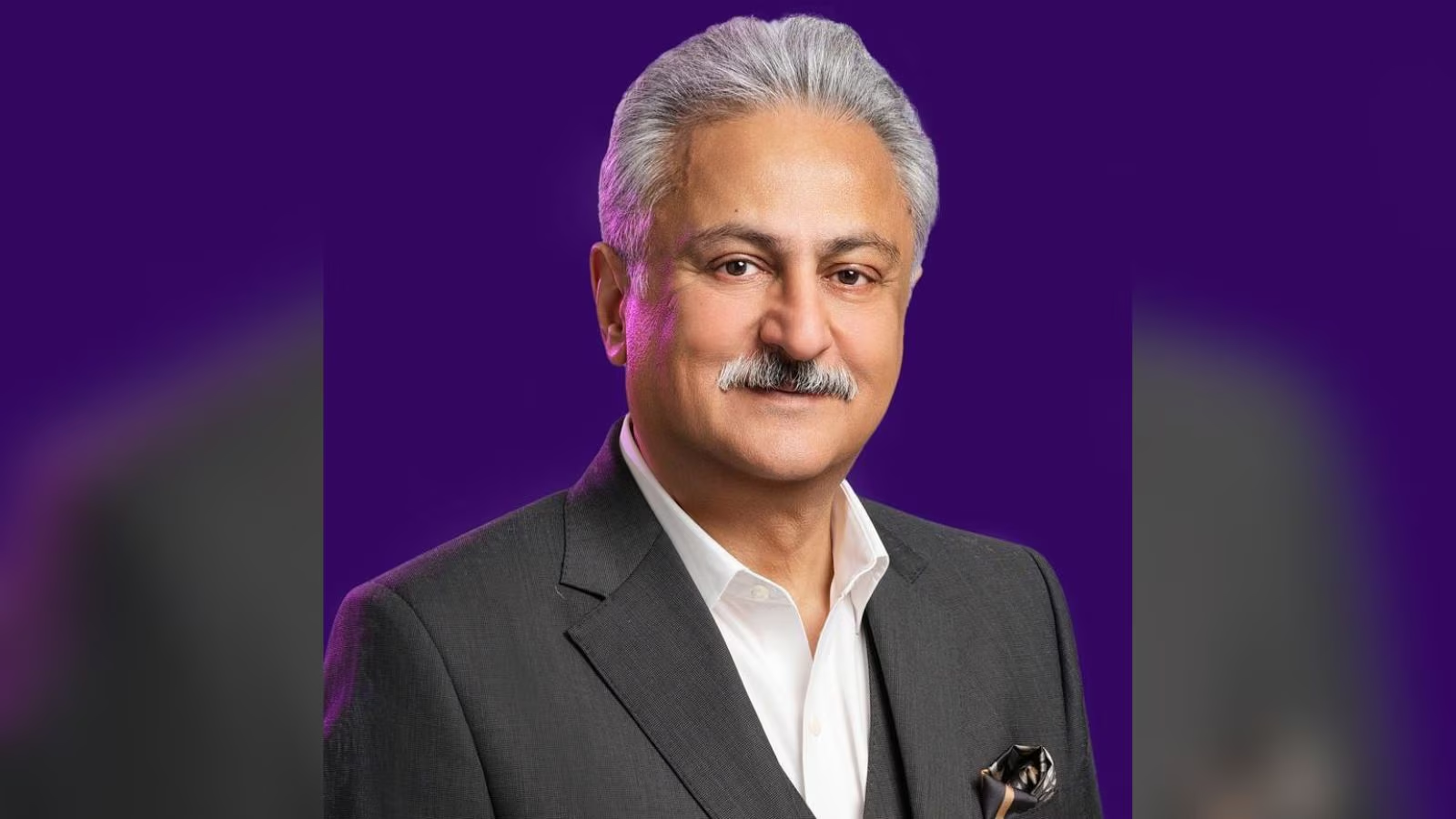
根据企业家、TMT顾问兼Airtel前首席执行官桑杰·卡普尔(Sanjay Kapoor)的说法,在数据消费不断增长、人工智能(AI)应用以及更高的商业化变现能力的支撑下,印度电信行业在可预见的未来将由Jio和Airtel驱动,迎来下一阶段的增长。
India's telecom sector is set to be driven by Jio and Airtel for the foreseeable future, with rising data consumption, AI adoption and higher monetisation supporting the next phase of growth, according to Sanjay Kapoor, Entrepreneur, TMT Advisor and former CEO of Airtel .Kapoor said both telecom operators are well positioned to benefit as India's digital economy expands.
卡普尔表示,随着印度数字经济的扩大,这两家电信运营商都处于有利地位,能够从中受益。他预计,随着AI应用和更丰富的内容形式的发展,数据使用量将急剧上升,而电信公司很可能会通过价格调整而非单纯依靠增长来提高盈利能力。
He expects data usage to rise sharply with AI applications and richer content formats, while telecom companies are likely to improve profitability through pricing changes rather thanr growth alone. Jio Platforms IPOKapoor said Reliance Jio's entry in 2016 reshaped India's telecom industry.
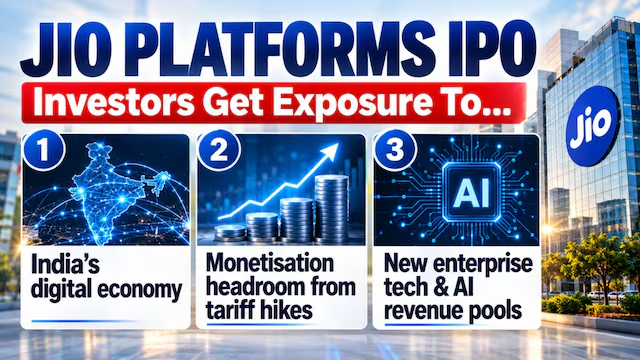
卡普尔表示,信实Jio(Reliance Jio)在2016年的进入重塑了印度的电信行业。“一家全新运营商进入市场,颠覆了市场,并在短短几年内崛起成为头号玩家。我认为这绝对是空前绝有的,”他说。
"A greenfield operator entered the market, disrupted it, and rose to be the number one player in a few years' time. I think that's absolutely unprecedented," he said.
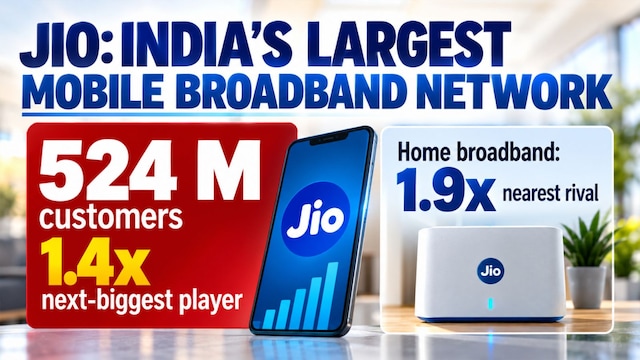
然而,卡普尔认为,该市场现已成熟,实际上变成了一个双头垄断市场。“印度虽然在纸面上是一个寡头垄断市场,但我认为在现实中是一个双头垄断,”他补充说,Jio和Airtel各自占据了大约40%的市场份额,不太可能面临来自小型玩家的有意义的竞争。
India's largest mobile broadband networkHowever, Kapoor believes the market has now matured into what is effectively a duopoly. "India is clearly, though on paper an oligopoly, but I think in reality a duopoly," he said, adding that Jio and Airtel each command around 40% market share and are unlikely to face meaningful competition from smaller players.
据卡普尔称,这两家公司正在奉行不同的策略。他说,Jio依然专注于规模和数据消费,而Airtel则将目标锁定在高端客户、后付费用户以及更高的每用户平均收入(ARPU)上。尽管存在这些差异,他预计两家运营商都将从相同的长期行业趋势中受益。
Jio Platforms ValuationsAccording to Kapoor, the two companies are pursuing different strategies. He said Jio remains focused on scale and data consumption, while Airtel targets premium customers, postpaidrs and higher average revenue per user . Despite these differences, he expects both operators to benefit from the same long-term industry trends.
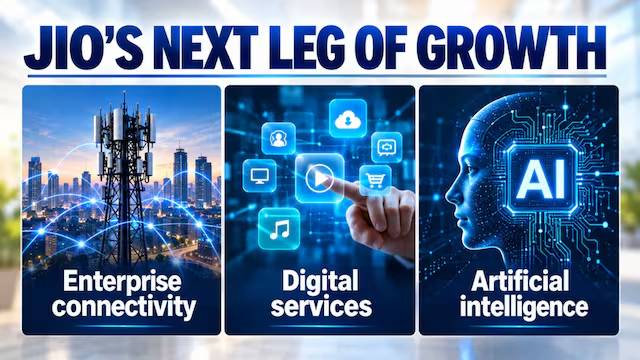
卡普尔表示,AI和不断变化的内容消费将显著增加网络需求。更高质量的视频格式和由AI驱动的应用将需要比当前服务多得多的数据,为电信运营商将连接变现创造新的机遇。
Jio's Next Leg of GrowthKapoor said AI and changing content consumption will significantly increase network demand. Higher-quality video formats and AI-powered applications will require far more data than current services, creating new opportunities for telecom operators to monetise connectivity."

“这是一个准备好迎接更高价格的市场,”卡普尔说,他指出年轻消费者将更大比例的收入分配给了连接和数据服务,超过了以往的世代。他补充说,虽然名义资费可能保持不变,但运营商很可能会采用分段定价来增加收入。
This is a market which is poised for higher prices," Kapoor said, noting that younger consumers are allocating a larger share of their income to connectivity and data services than previous generations. He added that while headline tariffs may remain unchanged, operators are likely to use segmented pricing to increase revenues.
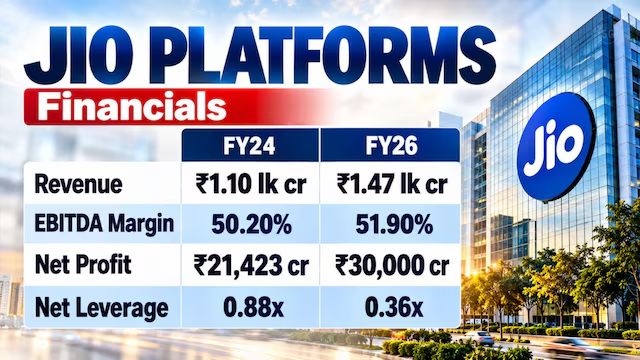
卡普尔还指出印度强劲的盈利指标,称该国领先电信公司的息税折旧摊销前利润(EBITDA)边际增量在全球名列前茅。由于资费上涨带来的绝大部分收入增长都直接转化为利润,他预计,随着数据需求的持续增长,Jio和Airtel都将继续成为主要的受益者。有关完整采访,
Jio's Tech PropositionKapoor also pointed to India's strong profitability metrics, saying incremental earnings before interest, taxes, depreciation, and amortisation margins for the country's leading telecom companies rank among the highest globally. Since most revenue gains from tariff increases flow directly to profits, he expects both Jio and Airtel to remain key beneficiaries as data demand continues to grow. For the full interview,