高盛指出,中国企业在海外获胜并非仅仅因为更便宜,这挑战了中国出口繁荣背后的一个最大假设。高盛大中华区股票研究联席负责人陈杨娜在该行周二发布的《交流》播客中表示:“直觉上,我想我们都会把中国产品与价格通缩、降价联系起来。”但高盛发现,中国产品进入外国市场后往往会变得更贵,部分原因是其质量提升,而降价则往往出现在后来,因为已有的竞争者为捍卫市场份额而展开竞争。
Chinese companies aren't winning overseas just because they're cheaper, according to Goldman Sachs, challenging one of the biggest assumptions behind China's export boom. "Intuitively, I think we would all associate with the Chinese product, with price deflation, price cuts," Trina Chen, co-head of Greater China equity research at Goldman Sachs, said on the bank's "Exchanges" podcast published Tuesday. But Goldman found Chinese products often become more expensive after entering foreign markets, partly as their quality improves, while price cuts tend to come later as established rivals fight to defend market share.
这一发现挑战了中国企业通过 relentless(不懈地)压低价格来击败竞争对手、赢得海外市场的观点。该报告发布之际,华盛顿到布鲁塞尔的政策制定者正应对中国出口激增的问题,一些经济学家将此称为“中国冲击2.0”。中国国内需求疲软以及多年的通缩压力也引发了人们对其出口商可能将海外价格压低的担忧。高盛分析了11个行业和40家中国及全球企业,以研究中国企业在何处获得市场份额。
The finding challenges the view that Chinese firms win foreign markets by relentlessly undercutting rivals on price. It comes as policymakers from Washington to Brussels grapple with a surge in Chinese exports, part of what someeconomists have dubbed "China shock 2.0." China's weak domestic demand and years of deflationary pressure have also fueled concerns that its exporters could push down prices overseas. Goldman analyzed 11 sectors and 40 Chinese and global companies to study where Chinese firms are gaining market share.
中国产品通常在进入新市场时,相比现有竞争对手大约以30%的折扣定价,但随后几年价格往往会上升。陈杨娜表示,价格上涨可能反映通胀、经济周期以及产品质量提升等因素。中国企业往往在产品质量提升时提高价格,但仍能保持对竞争对手的价格优势。陈杨娜表示,相较于竞争对手的折扣幅度通常保持稳定。中国电动汽车是一个例子。
Chinese products typically enter new markets at about a 30% discount to incumbent rivals, but prices often rise in subsequent years. Chen said higher prices could reflect factors including inflation, economic cycles, and improvements in product quality. Chinese companies often raise prices as their products improve without losing their price advantage over competitors. Chen said the discount versus competitors generally remained stable. Chinese electric vehicles are one example.
它们的售价通常比可比的全球车型低约20%,陈杨娜表示这一差距在过去三到四年里一直保持稳定。扫地机器人则展现出更为显著的变化。
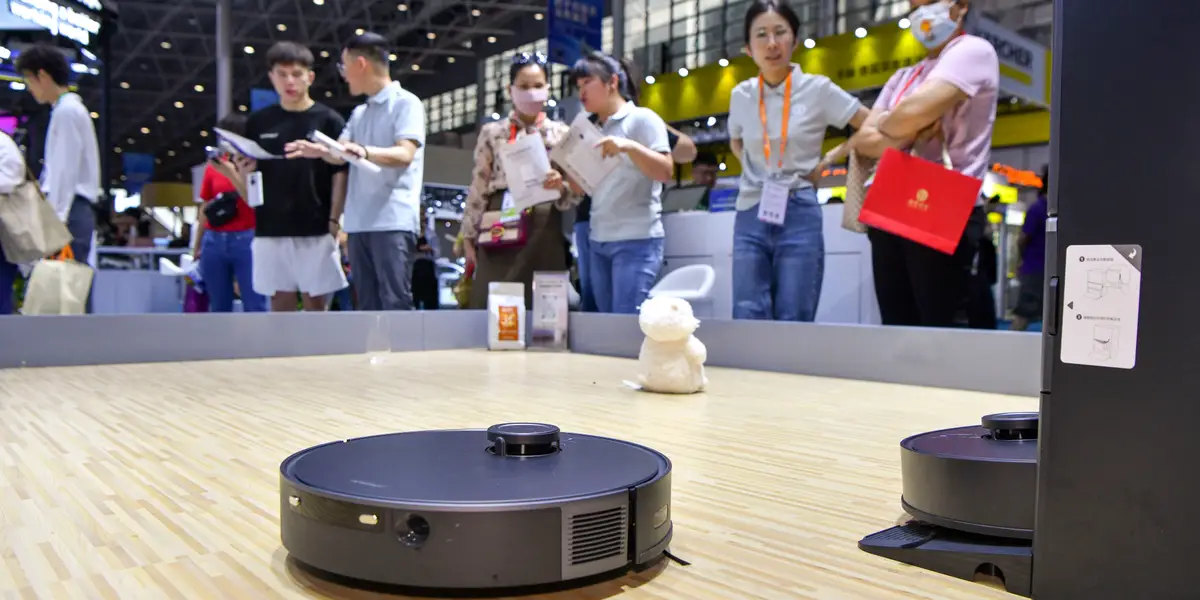
They sell at roughly a 20% discount to comparable global models, a gap Chen said has remained stable over the past three to four years. Robot vacuum cleaners show an even more dramatic shift.
陈表示,这类中国产品进入美国市场时的折扣幅度约为百分之四十,但随着制造商不断创新和增加新功能,如今它们享有大约百分之六十的溢价。“我认为可以公平地说,中国产品的进入并不一定会在初次进入后的多年里产生额外的价格压力,”陈说。相反,降价往往发生在后来,即老牌竞争对手艰难保卫其地位之时。
Chen said Chinese products in the category entered the US market at around a 40% discount but now command a roughly 60% premium as manufacturers continue innovating and adding new functions. "I think it's fair to say the entry of the Chinese product does not necessarily create additional pricing pressure for many years post the initial entry," Chen said. Instead, price cuts often come later, when established competitors struggle to defend their positions.
“这些降价通常是由那些一直在失去市场份额、并试图在极具挑战性的局势和竞争中保卫其市场份额的公司发起的,”陈说。陈表示,中国企业在模块化、面向消费者、高增长的产品中往往以最快速度获得市场份额。在成熟、相互交织的B2B(企业对企业)市场中,进展则较慢,因为客户信任、服务网络、本地分销渠道以及长期的运营记录,使得中国企业更难获得市场份额
"These price cuts typically are initiated by companies who have been losing market share and trying to defend their market share in a very challenging situation and competition," Chen said. Chen said Chinese companies tend to gain market share fastest in modular, consumer-facing, high-growth products. Progress has been slower in mature, interconnected business-to-business markets, where customer trust, servicing networks, local distribution channels, and long operating track records make it harder for Chinese companies to gain market