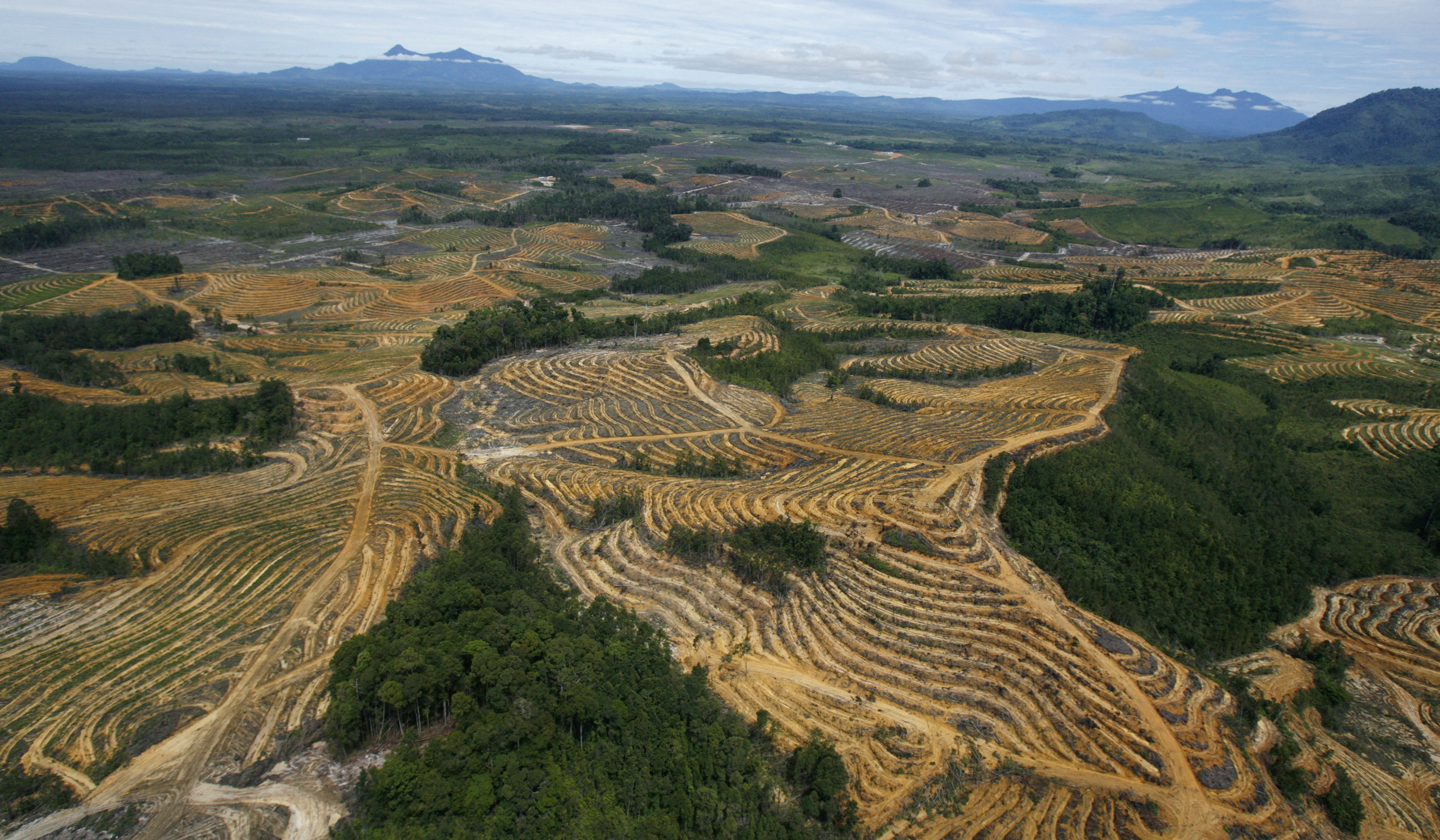
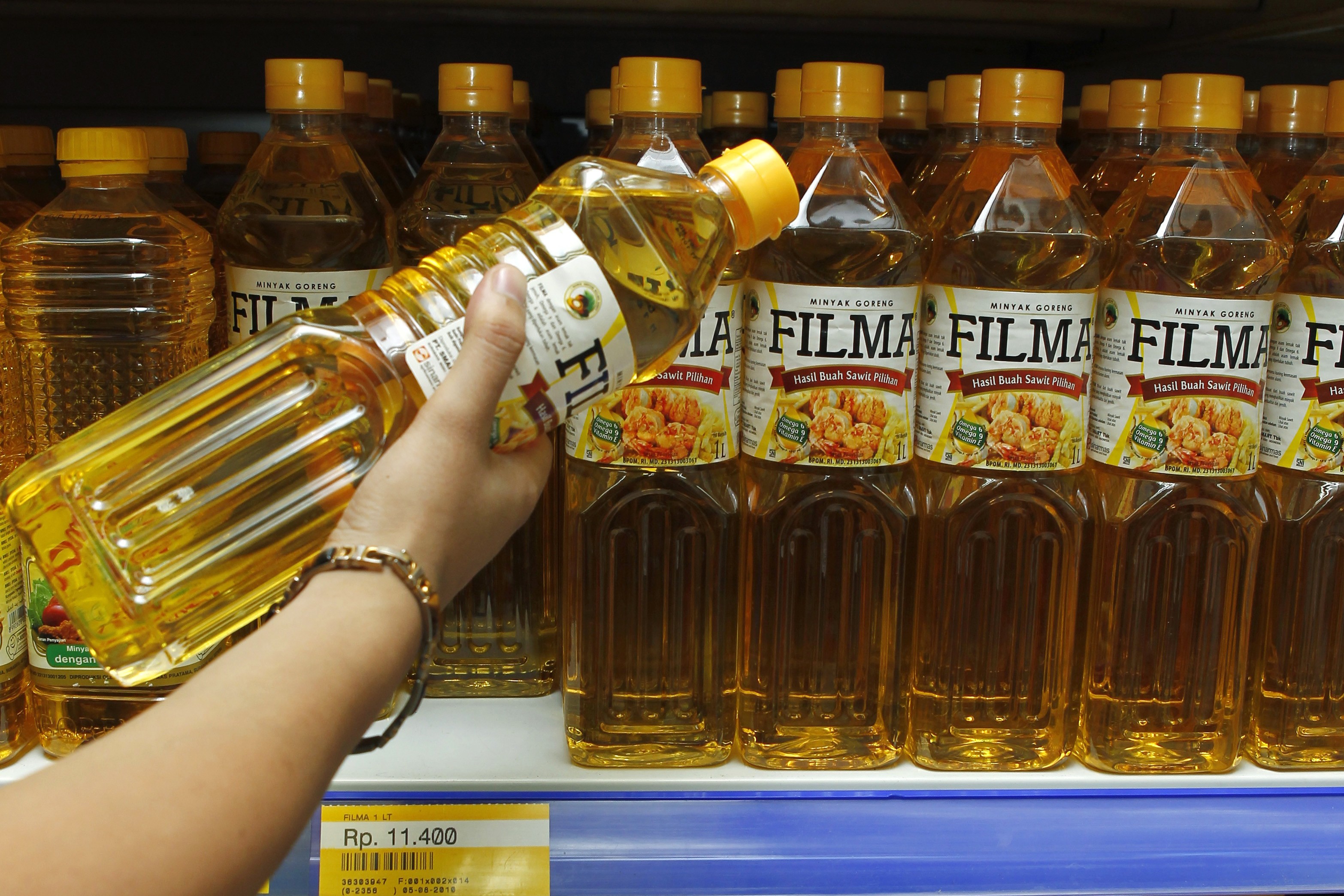
很少有哪种大宗商品能像棕榈油这样引发如此巨大的争议。全球对这种作物的需求激增——它是一种至关重要的食用油,并被广泛用于超加工食品和化妆品中——是导致古老热带雨林消失的罪魁祸首之一,尤其是在东南亚。
Few commodities have generated as much controversy as palm oil. Surging global demand for the crop, which is a vital cooking oil and widely used in ultra-processed foods and cosmetic products, is a major culprit in the loss of ancient rainforests, especially in Southeast Asia.
根据一项学术研究,作为全球最大的棕榈油生产国,印度尼西亚在2001年至2019年间砍伐了11%的原始森林,其中三分之一是由种植棕榈油引起的。
Indonesia, the world’s largest palm oil producer, cut down 11% of its old-growth forests between 2001 and 2019, one-third due to palm oil cultivation, according to an academic study.
尽管森林砍伐在2008至2012年前后达到顶峰,此后有所下降,但将森林转化为种植园的行为仍在该国的一些地区继续存在,其中包括棕榈油前沿省份巴布亚,这里的森林砍伐在2025年增加了一倍。
While deforestation peaked around 2008 to 2012, and has since declined, the conversion of forests to plantations continues in pockets of the country, including in the palm oil frontier province of Papua, where deforestation doubled in 2025.
尽管印尼只有10%的棕榈油出口到欧洲,但自然保护主义者希望欧盟的《毁林法规》(将于今年年底对中大型企业生效)能推动企业清理其整个棕榈油供应链,并证明这些棕榈油并非来自2020年后被清理的土地。
Although only 10% of Indonesia’s palm oil is exported to Europe, conservationists hope the EU’s Deforestation Regulation, which will apply to large and medium-sized companies from the end of this year, will push firms to clean up their entire palm oil supply chains, and show it isn’t coming from land cleared after 2020.
但也有人担心,由于合规手续的复杂性,占全球产量约40%的小农户将被排挤出欧洲市场。
But there are also fears that smallholder farmers, who account for some 40% of global production, will be excluded from the European market due to the complexities of complying with the regulation.
最近发表在《自然-可持续性》杂志上的一项研究采访了印尼两个棕榈油生产省份的小农户,结果发现,过去十年来企业自愿做出的零毁林承诺并没有导致小农户被更多地排除在外。
A recent study published in Nature Sustainability, which interviewed smallholder farmers in two palm-producing Indonesian provinces, found that voluntary zero-deforestation commitments by companies over the past decade had not resulted in greater exclusion of smallholder farmers.
但可持续棕榈油圆桌倡议组织首席执行官约瑟夫·德克鲁斯认为,许多目前被认证为可持续生产的农民将无法满足欧盟《毁林法规》更严格的要求。
But Joseph D’Cruz, CEO of the Roundtable on Sustainable Palm Oil, argues that many farmers who are currently certified as producing sustainably won’t be able to meet the EUDR’s tougher requirements.
德克鲁斯在一次采访中表示,这些农民“在以无毁林方式进行生产以及证明和记录他们正在这样做方面,做到了我们要求他们做的一切”。
These farmers are “doing everything that we've asked them to do in terms of producing in a deforestation-free way, and in demonstrating and documenting that they're doing so,” D’Cruz said in an interview.
根据其最新数据,RSPO 为近 17.5 万小农户提供了认证。然而,RSPO 认证并不能自动确保符合欧盟去森林化法规(EUDR),因为它有一套独立的尽职调查要求。
According to its latest data, the RSPO certifies almost 175,000 smallholders. Yet RSPO certification does not automatically ensure compliance with the EUDR, because it has a separate set of due diligence requirements.
“问题在于,文件无法以欧洲监管机构要求的方式在供应链中传递,”D’Cruz 表示。“(小农户的)市场准入正被(实际上是)文件要求所阻碍。”近 20 年来,主要消费品公司一直在与 RSPO 合作,通过一种称为“质量平衡”会计的机制,将符合可持续性标准的棕榈油输入欧盟市场。
“The problem is that the documentation cannot transmit across the supply chain in the way that the European regulators require,” says D’Cruz. “(Smallholders’) access to the market is being blocked by (what are) effectively paperwork requirements.”For almost 20 years, major consumer goods companies have been working with the RSPO to import certified-sustainable palm oil into the EU market through a mechanism known as “mass balance” accounting.
这种机制允许将经过认证和未经认证的棕榈油批次混合在同一批货物中运输。只要该批次中棕榈油的比例达到或超过将在欧盟销售的比例,该棕榈油就可以被标注为“可持续”。
This allows batches of both certified and uncertified palm oil to be mixed together in shipments. Providing the proportion of palm oil in the batch matches or exceeds the proportion to be sold in the European Union, the palm oil can be labelled as “sustainable”.
然而,EUDR 不允许合规材料与不合规材料混合,这带来了重大的合规挑战。为小农户建立可追溯性需要在复杂供应链的多个层面建立健全的追溯机制,该供应链包括炼油厂、磨坊和当地采购商。
However, the EUDR doesn’t allow the mixing of compliant and non-compliant material, creating a significant compliance challenge. Mapping smallholders requires establishing robust traceability mechanisms through several layers of a complex supply chain, which includes refiners, mills and local purchasers.
人们担心,大型公司可能会决定仅从易于文件记录的大型种植园采购,而不是冒着整批货物在欧洲港口被拒绝的风险。
The fear is that large companies will decide to source only from large plantations that can be easily documented, rather than risk entire shipments being rejected at the gates of Europe.
“即使这些多年来一直致力于支持和提升小农户的生产者也表示,‘从风险管理的角度来看,这项欧盟法规正把我们置于一个非常微妙的境地,’”D’Cruz 说。
“Even these producers who have been working for many years to support and uplift smallholders are saying that ‘from a risk management point of view, this EU regulation is putting us in a very delicate position’,” D’Cruz says.
那些已经与具有某种形式可追溯性的大型商品公司签订合同的小农户,相比通常将产品卖给当地经销商的独立小农户,处于更有利的位置。
Smallholders who have contracts with major commodity companies that already have some form of traceability are in a better position than independent smallholders, who typically sell produce to local dealers.
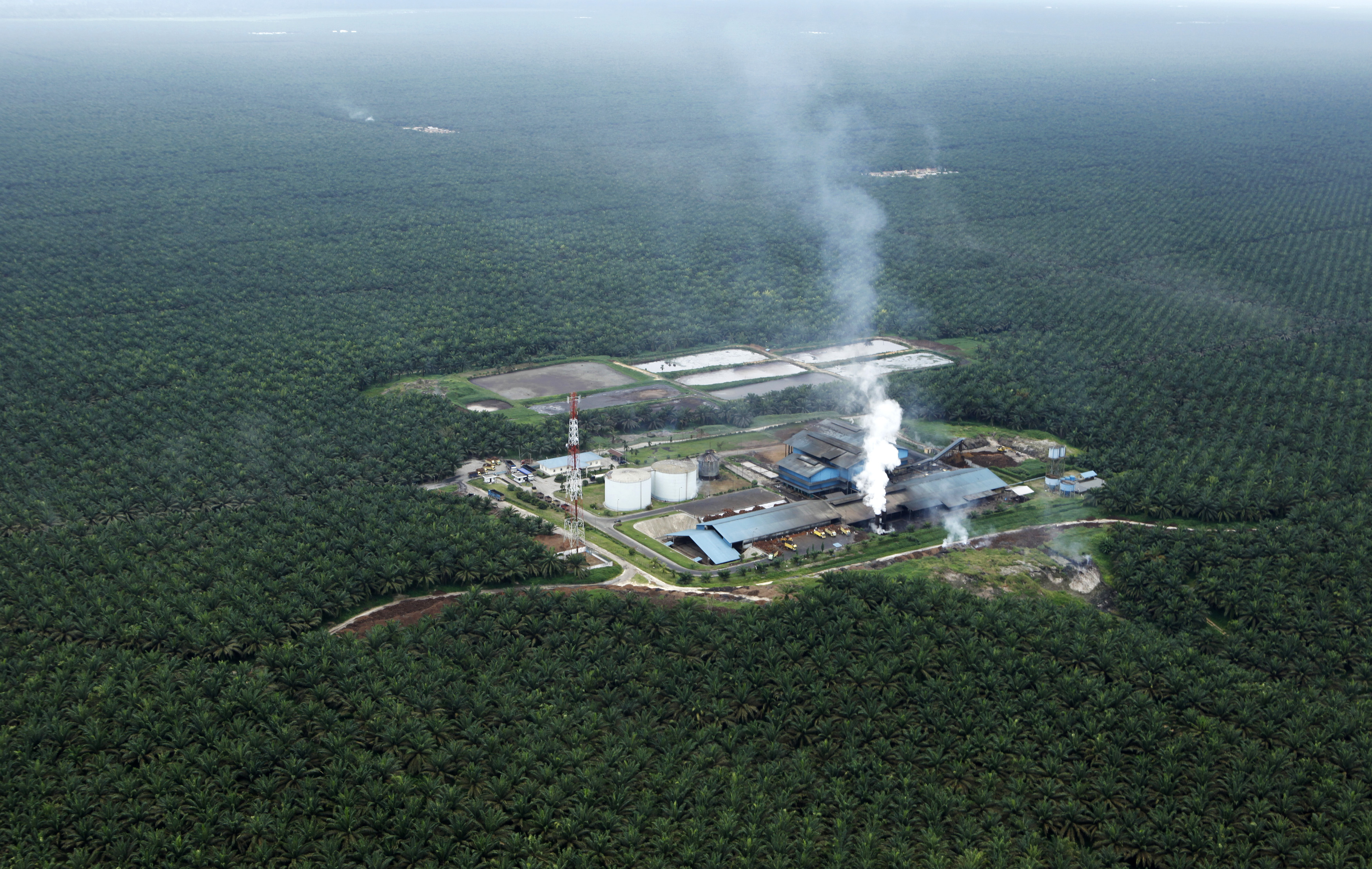
马来西亚的生产商则是另一回事。马来西亚生产了全球约24%的棕榈油,该国多年来一直独立于欧盟森林砍伐条例的相关进程,致力于解决棕榈油生产对社会和环境影响的批评。自2020年起,该国所有种植者(包括小农)都被要求遵守马来西亚可持续棕榈油标准。
It’s a different story for Malaysian producers. Malaysia, which produces around 24% of the world’s palm oil, has been working for several years, independently of the process around the EUDR, to address criticisms of the social and environmental impacts of palm oil production. All growers in the country, including smallholders, have been required to adhere to the Malaysian Sustainable Palm Oil standard since 2020.
去年,欧盟承认马来西亚可持续棕榈油认证是一个“具有高标准数字可追溯系统的可信可持续性标准,能够便利经营者遵守《欧盟森林砍伐条例》”。
Last year, the European Union recognised MSPO certification as a “credible sustainability standard with a high-standard digital traceability system that can facilitate operators’ compliance with the EU Deforestation Regulation”.
非营利组织“野生亚洲”执行董事礼萨·阿兹米表示,从技术角度来看,欧盟森林砍伐条例对于马来西亚小农应该“不成问题”,尽管在将地理定位数据格式化为欧洲海关官员可接受的方式方面仍存在一些挑战。
Reza Azmi, executive director of non-profit Wild Asia, says the EUDR should present “no problem” for Malaysian smallholders from a technical perspective, notwithstanding some challenges in formatting geolocation data in a way that is acceptable for European customs agents.
然而他警告称,供应了全球约57%份额的印度尼西亚依然是“法外之地”。在该国,小农通常在大型特许经营地内的小块土地上耕作,但他们的土地权属文件的记录可能不够完善,这使得他们很难证明自己符合欧盟森林砍伐条例关于拥有合法土地所有权的规定。
Yet he warns that Indonesia, which provides around 57% of global supply, remains the “wild west”. Smallholders often farm plots within large concessions in the country, but their land rights can be poorly documented, making it difficult to demonstrate that they meet the EUDR requirement of holding legal tenure.
此外,该国政府在6月颁布了一项条例,严厉限制将地理空间数据发送到境外。这与布鲁塞尔方面形成了一场对峙,因为根据欧盟森林砍伐条例的要求,雅加达的新数据主权法强制企业在将六位小数坐标输入欧盟的TRACES系统之前,必须获得特殊许可。
Moreover, the government enacted a regulation in June that heavily restricts sending geospatial data outside the country. This sets up a stand-off with Brussels, since Jakarta’s new data sovereignty law forces companies to secure special permission before entering six-decimal coordinates into the EU’s TRACES system, as required by the EUDR.
阿兹米表示,现实情况是印度尼西亚并不依赖欧盟的需求。其大部分棕榈油都在国内使用,包括用于生物燃料,同时来自中国等未强加可追溯性要求的国家的需求依然十分充足。
The reality, says Azmi, is that Indonesia is not dependent on demand from EU. Much of its palm oil is used domestically, including in biofuels, while there remains plenty of demand from countries such as China, which do not impose traceability requirements.
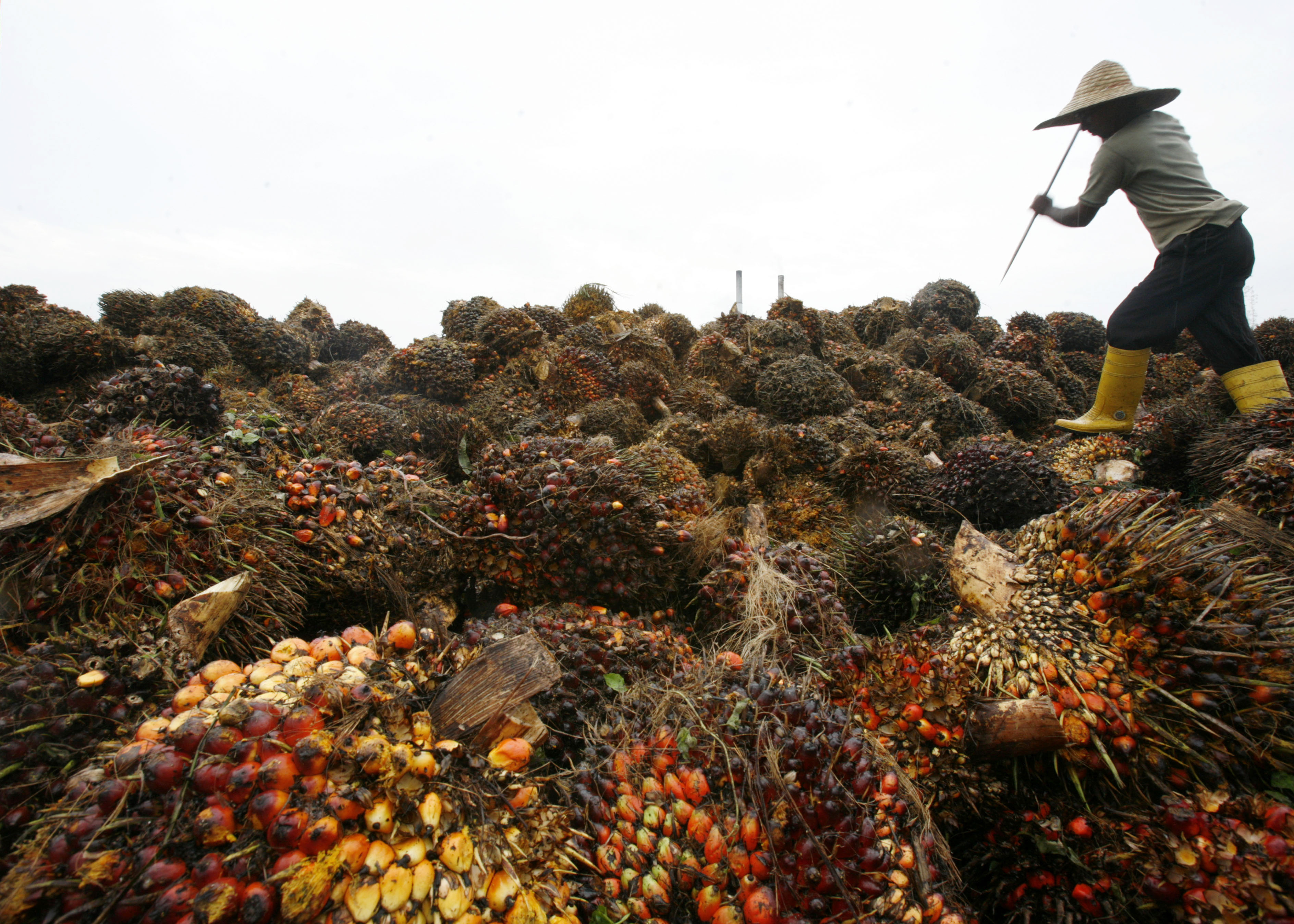
国际贸易非营利组织IDH的气候与自然全球主任马修·斯潘塞(Matthew Spencer)指出,如果棕榈油买家、精炼厂和压榨厂在提供可追溯性保证方面进行合作,核实无毁林状态的成本可能会“大幅下降”。
Matthew Spencer, global director of climate and nature at international trade non-profit IDH, points out that the cost of verifying deforestation-free status could “come down dramatically” if palm oil buyers, refiners and mills collaborate on providing traceability assurances.
他重点介绍了IDH在印度尼西亚亚齐省的一个项目,在该项目中,联合利华(Unilever)和百事公司(PepsiCo)等大型消费品公司与小农合作,以提高产量并增加收入,同时支持当地遏制毁林的工作。
He highlights an IDH project in Indonesia’s Aceh province, in which major consumer goods companies such as Unilever and PepsiCo have worked with smallholders to increase yields and boost income, while also supporting local efforts to stem deforestation.
与此同时,省政府已承诺支持小农并监测森林砍伐情况,以帮助确保棕榈油生产商符合国际标准。
The provincial government, meanwhile, has committed toing smallholders and monitoring deforestation to help ensure palm oil producers meet international standards.
然而,尽管由印度尼西亚和马来西亚主导的游说集团——棕榈油生产国理事会(CPOPC)进行了游说,欧盟最终还是拒绝在《欧盟森林砍伐条例》(EUDR)中采取“基于景观的方法”。
However, despite lobbying from the Council of Palm Oil Producing Countries (CPOPC) – a lobby group dominated by Indonesia and Malaysia, the EU ultimately declined to take a “landscape-based approach” with the EUDR.
该条例没有简单地评估特定地区没有毁林,而是坚持所有进口棕榈油都必须可追溯到具体地块。
Rather than simply assessing that particular areas are deforestation-free, the regulation insists all imported palm oil must be traceable to specific plots.
《欧盟森林砍伐条例》的执法工作原本定于2024年底开始。尽管面临持续的挑战,但适应时间的延长意味着对小农的影响可能没有最初担心的那么严重。
Enforcement of the EUDR was originally meant to start at the end of 2024. Despite ongoing challenges, the extra time to adapt means the impact on smallholders may not be as bad as first feared.
可持续发展咨询公司3Keel董事兼棕榈油透明度联盟协调员威尔·施赖伯(Will Schreiber)表示:“在第一天,这将是一个非常复杂的局面。”他说,对小农的影响将各不相同,因为各地建立可追溯机制的进展一直参差不齐。
“On day one, it's going to be a really mixed picture,” says Will Schreiber, director of sustainability consultancy 3Keel and facilitator of the Palm Oil Transparency Coalition. Impacts on smallholders will vary, he says, as progress in establishing traceability mechanisms has been uneven across different regions.
施赖伯指出,欧盟委员会一直在与进口商合作,以简化该条例的某些方面,并帮助降低小农被排除在外的风险。
Schreiber notes that the European Commission has been working with importers to simplify aspects of the regulation and help mitigate risks of smallholders being excluded.
例如,进口商被要求提供一个“多边形”,以标绘他们采购棕榈油的大型种植园的边界。但在从小于四公顷的农场采购时,仅需一组坐标即可识别该地块。
For example, importers are required to provide a “polygon” mapping the boundaries of a large plantation from which they source palm oil. But when sourcing from a farm smaller than four hectares, only a single set of coordinates are required to identify the plot.
而在2025年4月,委员会确认将运行“超量申报”机制。这允许企业申报一批地块名单,即货运中所含棕榈油可能产自这些地块,而非特定地块。此举旨在减轻从小农采购的行政负担,因为压榨厂可以汇集来自合规供应商网络各处的农产品。
And in April 2025, the Commission confirmed it would operate a “declaration in excess” mechanism. This allows companies to declare a list of plots from which the palm oil included in a shipment may originate, rather than specific plots. This is set to reduce the administrative burden of sourcing from smallholders, since a mill can aggregate produce from across a network of compliant suppliers.
施赖伯认为,将于12月生效的欧盟零毁林法案(EUDR)要求,将比2023年该法案写入法规时人们所担心的那样,“对小农的排挤要少得多”。
Schreiber believes the EUDR requirements that take effect in December will be “a lot less exclusionary towards smallholders” than was feared when it entered the statute books in 2023.
《自然·可持续性》研究清楚表明的是,监管是必要的,因为在过去十年左右的时间里,企业作出零毁林以及不毁林、不开垦泥炭地、不剥削(NDPE)承诺的自愿方法并没有带来实质性改变。
What is clear from the Nature Sustainability study is that regulation is needed, because the voluntary approach of companies making zero-deforestation and no deforestation, no peat, and no exploitation (NDPE) commitments over the past decade or so has not moved the needle.
来自剑桥大学和苏黎世联邦理工学院的保护与发展实验室的研究人员得出结论:“我们发现非常有限的证据表明,(这些承诺)正以支持有效或公平保护的方式触及小农。”他们采访的独立小农中,没有人表示了解诸如泥炭地保护或禁止在林地中种植等与NDPE相关的限制,尽管受雇于特定公司的附属于供应链的小农对此有一些了解。
“We find very limited evidence that (these) are reaching smallholders in ways that support effective or equitable conservation,” the researchers, from the Conservation and Development Lab at University of Cambridge and ETH Zurich, concluded. None of the independent smallholders they interviewed reported awareness of NDPE-related restrictions such as peatland protection or prohibitions on planting in forest estates, though there was some awareness among smallholders tied to supply specific companies.
研究人员表示:“如果将价格激励与充分的监督和执法相结合,可能会提高人们的意识并鼓励行为改变。”但与此同时,企业和进口国“必须超越单纯的毁林控制,并解决根本的生计需求”。
“Price incentives, if coupled with sufficient monitoring and enforcement, might increase awareness and encourage behavioural change,” the researchers said. But at the same time, companies and importing countries “must go beyond deforestation control alone and address underlying livelihood needs”.
随着小农承担了更大份额的可可、咖啡和天然橡胶贸易量(以可可为例,这一比例达到80%-95%),随着欧盟森林砍伐条例(EUDR)等法规开始产生实质影响,这一建议可能同样适用于整个热带地区。
With smallholder farmers accounting for much bigger traded volumes of cocoa, coffee and natural rubber, (in the case of cocoa 80%-95%), it’s a recommendation that could be equally relevant throughout the tropics as regulations such as the EUDR begin to bite.
本文选自《道德公司》(The Ethical Corporation)杂志最新一期关于毁林风险的专题。点击此处即可下载该杂志的数字版PDF。
This article is from the latest issue of The Ethical Corporation magazine, on deforestation risk. You can download the digital pdf of the magazine by clicking here