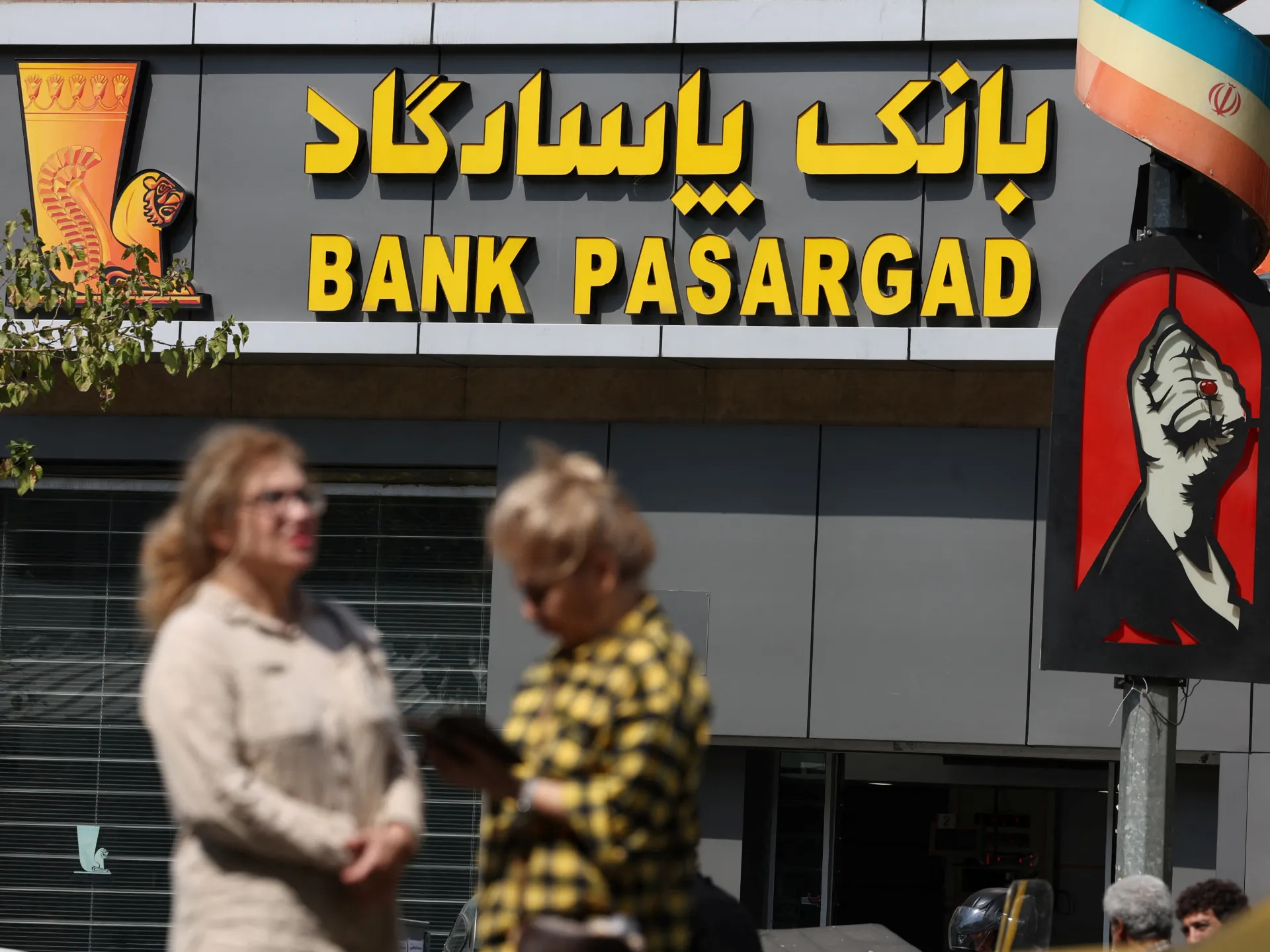
数十年的国际制裁严重限制了伊朗接入全球金融系统的途径,使得个人和企业的跨境支付都变得困难重重。随着当前美以对伊朗战争的爆发,制裁更是有增无减。
Decades of international sanctions have severely restricted Iran’s access to the global financial system, making cross-border payments difficult for individuals and businesses alike. The sanctions have only increased with the current US-Israeli war on Iran.
由于无法依靠传统银行业务进行国际交易,许多伊朗人转而通过替代渠道来支付国外的商品和服务。
Unable to rely on conventional banking for international transactions, many Iranians have turned to alternative channels to pay for goods and services abroad.
尽管每种变通渠道都提供了一种规避部分限制的方法,但它们也伴随着各自的成本和风险,往往无法达到正常运转的国际银行系统的安全、可靠和高效。
And while each workaround channel offers a way to navigate some of the restrictions, it comes with its own costs and risks, often falling short of the security, reliability and efficiency of a functioning international banking system.
另一个替代金融渠道是依赖跨国运作的货币兑换商网络,这是一种非正式系统,将伊朗境内需要本地货币的人与在国行需要外汇的人进行匹配。通过平衡这些相反的需求,交易无需资金直接在伊朗和外国银行账户之间流动即可完成。还有其他类似的方法。
One alternative financial channel is relying on networks of currency exchangers that operate across borders, an informal system that matches those who need local currency in Iran with those who need foreign currency abroad. By balancing these opposing needs, transactions can be settled without money necessarily moving directly between Iranian and foreign bank accounts. There are other similar methods.
中介公司提供与货币兑换商相当的服务。通常情况下,客户在伊朗以当地货币向中介支付款项,而该公司或海外合作伙伴则利用在境外持有的资金,安排以可兑换货币向外国供应商付款。
Intermediary firms offer services comparable to currency exchange traders. Typically, a customer pays the intermediary in local currency in Iran, while the firm or an overseas partner arranges payment to the foreign supplier in a convertible currency, using funds held abroad.
使用货币交易商或中介公司可以弥补国际银行准入方面的差距,但两者通常都涉及额外的费用、汇率成本、延误和更高的复杂性。
Using currency traders or intermediary firms can help bridge gaps in international banking access, but both often involve additional fees, exchange-rate costs, delays and greater complexity.
其他伊朗人则不与公司打交道,而是求助于与个人的私人安排(包括他们并不认识的人)来转移跨国资金。在正式渠道无法使用的情况下,这些交易可能会提供切实可行的解决方案,但它们严重依赖信任,而非具有法律约束力的保证。
Other Iranians don’t deal with companies, but resort to private arrangements with individuals, including people they do not know personally, to transfer money across borders. Those deals may offer a practical solution when formal channels are unavailable, but they rely heavily on trust rather than enforceable guarantees.
德国的一名伊朗IT经理礼萨(Reza)在不愿透露全名的情况下表示:“这笔交易涉及陌生人必须彼此信任,才能在没有任何法律文件或证明的情况下进行交易。它完全依赖信任,任何一方都可能随时反悔,让其他人蒙受损失。”伊朗贸易专家阿什坎·巴赫拉米(Ashkan Bahrami)解释说:“无论是通过公司还是个人,所使用的方法都是非正式的,而且并非最安全。我们需要将非正式的兑换和汇款系统用于国际贸易,这会带来资金丢失、欺诈和高额转账成本等风险。”
“The transaction involves strangers having to trust one another to conduct a deal without any legal documentation or proof,” said Reza, an Iranian IT manager in Germany, who did not wish to give his full name. “It relies entirely on trust, and either party can back out at any time, leaving the others out of pocket.”The methods used – whether through companies or individuals – are informal and not the most secure. “We have to use informal exchange and remittance systems for international trade, which carries risks such as lost funds, fraud and high transfer costs,” explained Ashkan Bahrami, an Iranian trade expert.
这些网络也容易受到地缘政治冲击的影响。一些通过海湾国家运营的网络已经因战争而中断,这为依赖它们的企业和个人增添了又一层不确定性。
These networks are also vulnerable to geopolitical shocks. Some operating through Gulf countries have been disrupted by the war, adding another layer of uncertainty for businesses and individuals dependent on them.
加密货币路径 加密货币提供了另一条路径,使用户能够在不依赖传统银行的情况下转移财富。但即使是这些数字资产,也没有提供完全可靠的逃避制裁的手段。今年早些时候,美国财政部海外资产控制办公室(OFAC)制裁了多个主要的伊朗加密货币交易所,包括Nobitex、Wallex、Bitpin和Ramzinex。
The crypto route Cryptocurrency has offered another route, enabling users to transfer wealth without relying on conventional banks. But even these digital assets have not provided a fully reliable escape from sanctions. Earlier this year, the US Treasury Department’s Office of Foreign Assets Control (OFAC) sanctioned several major Iranian cryptocurrency exchanges, including Nobitex, Wallex, Bitpin and Ramzinex.
伊朗金融科技协会理事会主席阿里礼萨·雅古比(Alireza Yaghoubi)警告称,加密货币交易是可追踪的,“并且可能会发生非常糟糕的事情,例如对多个伊朗钱包实施制裁,无论这些钱包属于个人、中央银行还是其他实体”。
Alireza Yaghoubi, chairman of Iran’s FinTech Association board, warned that crypto transactions are traceable, “and very bad things can happen, such as the sanctions imposed on multiple Iranian wallets, whether they belonged to individuals, the Central Bank, or other entities”.
制裁的可能性,加上周期性的互联网中断,使加密货币成为一个充满不确定性的选择。
The possibility of sanctions, combined with periodic internet disruptions, makes cryptocurrency an uncertain option.
进口延误 对于进口实体货物的企业来说,挑战不仅限于支付本身。与战争相关的中断和限制,特别是在美国对伊朗实施海军封锁之后,使运输变得复杂,延长了交货时间,并增加了对货物何时运达的不确定性。
Import delays For businesses importing physical goods, the challenges extend beyond payment itself. War-related disruptions and restrictions, particularly after the US naval blockade on Iran, have complicated transportation, lengthened delivery times, and increased uncertainty over when shipments will arrive.
阿龙贸易集团(Aron Trading Group)首席执行官阿尔加万·加扎法里(Arghavan Ghazanfari)描述了使用中国上海港(运往伊朗货物的主要门户)的进口商所面临的混乱规模。
Arghavan Ghazanfari, CEO of Aron Trading Group, described the scale of the disruption facing importers using the port of Shanghai in China, a major gateway for goods shipped to Iran.
加扎法里说:“过去运输时间是26天。但现在如果延长到102天甚至120天,客户必然会重新考虑进口。不幸的是,现在的主要问题是我们的供应路线正在逐渐被切断。”即使伊朗人找到了向国外付款的方法——并且愿意接受收货时的延误——另一个问题依然存在:他们是否买得起他们试图购买的东西。
“Transit time used to be 26 days. But when it stretches nowadays to 102 or even 120 days, customers are bound to reconsider importing,” Ghazanfari said. “Unfortunately, the main problem now is that our supply routes are gradually being cut off.”And even when Iranians find a way to make payments abroad – and are willing to accept the delays in receiving their goods – another problem remains: whether they can afford what they are trying to buy.
伊朗里亚尔的持续贬值严重侵蚀了购买力。在过去的一个月里,伊朗货币对美元贬值超过10%,过去一年贬值超过55%,过去五年贬值近90%。而且,这种压力能否很快缓解还很难说。
The Iranian rial’s sustained depreciation has sharply eroded purchasing power. Against the US dollar, Iran’s currency has lost more than 10 percent of its value over the past month, more than 55 percent over the past year and almost 90 percent over the past five years. And there is little certainty that the pressure will ease anytime soon.
随着冲突再次升级的前景笼罩着伊朗,不确定性笼罩着该国的经济前景,对于许多伊朗人来说,问题不仅在于如何将资金转移到境外。而是他们还能在这个日益受限的金融系统中维持多久,以及这样做会付出什么代价。
With the prospect of another escalation in the conflict looming over Iran and uncertainty clouding the country’s economic outlook, the question for many Iranians is not simply how to move money across borders. It is how long they can keep navigating an increasingly restrictive financial system, and what it will cost them to do so.