一件粘胶衬衫和一卷卫生纸是两种截然不同的产品,但它们有一个共同点。环保人士警告称,这两种产品都由木质纤维制成——这是一种需求不断增长的商品,给森林带来了不当的压力。
A viscose shirt and a roll of toilet paper are two very different products, but they have one thing in common. They’re both made from wood fibre – a commodity that is in growing demand, placing undue pressure on forests, environmentalists warn.
根据与950多家公司合作以转型供应链的非营利组织Canopy的数据,为了给时尚产业制造木基纤维,每年有超过3亿棵树木被砍伐,其中包括来自世界上生物多样性最丰富的的一些森林的树木。其计算结果基于2023年全球工业木浆生产数据。
According to Canopy, a non-profit that works with over 950 companies to transform supply chains, more than 300 million trees are felled every year, including from some of the world’s most biodiversity-rich forests, to make wood-based fibres for the fashion industry. Its calculations are based on 2023 global industrial wood-pulp production data.
Canopy创始人妮可·赖克罗夫特(Nicole Rycroft)表示:“从抗风险能力的视角来看,减少对森林和森林基纤维的依赖完全符合商业逻辑。”
“Reducing dependency on forests and forest-based fibres just makes business sense from a resiliency perspective,” says Canopy founder Nicole Rycroft.
正如今年夏天热浪引发的欧洲和北美毁灭性野火所表明的那样,“这是一个正在字面意义上付之一炬的纤维原料库”。
As the devastating wildfires in Europe and North America, triggered by this summer’s heatwaves, have demonstrated, “this is a fibre basket that is literally going up in smoke”.
她预计欧盟的毁林法规(EUDR)将加剧对可进入欧盟市场的木材的竞争,从而推升成本。赖克罗夫特指出,此外,粘胶纤维的生产需要大量化学品,因此霍尔木兹海峡的关闭也推高了价格。
She expects the EU’s deforestation regulation (EUDR) to increase competition for the wood that can enter the EU market, driving up cost. In addition, viscose production is chemically intensive, so closure of the Strait of Hormuz has also pushed up prices, observes Rycroft.
虽然有一种替代品莱赛尔纤维(lyocell),它采用的闭环溶剂系统比粘胶生产中使用的有毒化学品更加环保,但它仍然是用木浆制造的,因此其可持续性取决于木材的来源。
While one alternative, lyocell, uses a closed-loop solvent system that is more environmentally benign than the toxic chemicals used in viscose production, it is still made with wood pulp, so its sustainability depends on where the wood is sourced.
这就是为什么Canopy认为解决之道在于扩大使用诸如农业废弃物等新一代纤维。今年早些时候,该组织公布了一项成功试点项目的成果,旨在探索源自小麦秸秆纤维的商业可行性。每年有数亿吨的小麦和水稻秸秆在农民为下一季作物准备农田时被焚烧,这加剧了碳排放,并用烟雾和颗粒物污染了大气。
That’s why Canopy believes the answer lies in scaling up the use of next-generation fibres such as agricultural residues. Earlier this year, it announced the results of successful pilot to explore the commercial viability of fibres derived from wheat straw. Every year hundreds of millions of tons of wheat and rice straw are burned by farmers as they prepare their fields for the next crop, adding to carbon emissions and polluting the atmosphere with smoke and particulates.
赖克罗夫特表示:“我们希望展示的是,完全有可能生产出高质量、在商业上可行的产品,能够满足H&M和C&A等品牌所需的技术和性能规格,并且整个价值链实际上都能够使用它。”
“We wanted to showcase that it was possible to produce a high quality, commercially viable product that would meet the technical and the performance specifications that brands like H&M (and) C&A would require, and that the entire value chain could actually work with it,” Rycroft says.
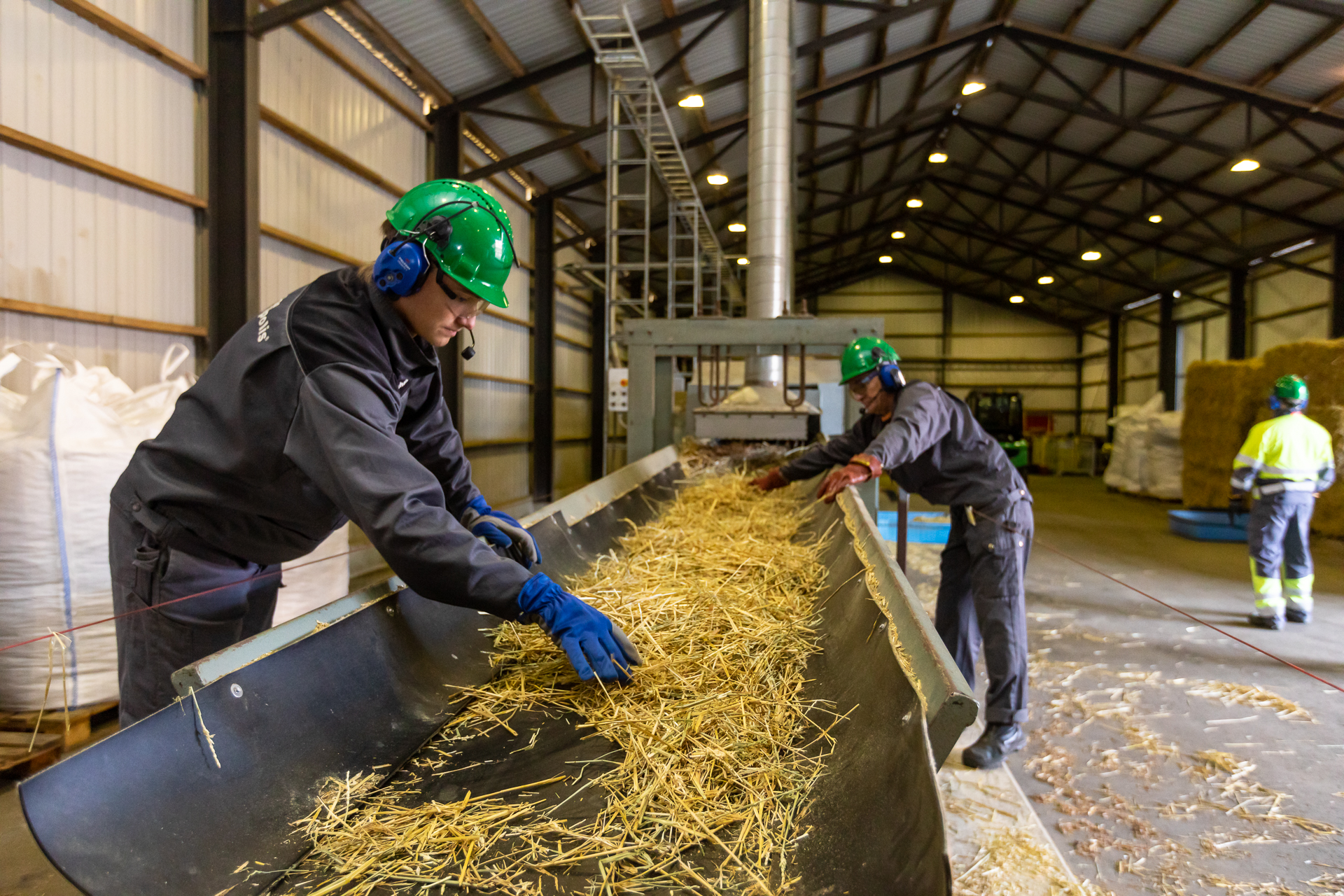
这段历程始于印度,从两个邦收集的小麦秸秆由芬兰生物精炼企业切姆波利斯(Chempolis)加工成纸浆。随后,这些纸浆被送往位于德国的图林根纺织与塑料研究所(Thuringian Institute of Textile and Plastics Research),在那里进行溶解和纺丝,再由总部位于葡萄牙的伊诺瓦菲尔公司(Inovafil)将其转化为纱线。还有其他合作伙伴将纱线织成不同类型的面料,最后由各大品牌制成测试服装。
The journey began in India, with wheat straw collected from two states and processed into pulp by Finnish bio-refiner Chempolis. It was then sent to the Thuringian Institute of Textile and Plastics Research in Germany, where it was dissolved and spun before being converted into yarn by Portugal-based Inovafil. Still other partners wove the yarn into different fabric types before being made into test garments by the brands.
生产过程的一些环节需要通过扩大规模来优化,但非营利环保组织Canopy(大篷车)得出结论认为,随着时间的推移,由于工艺效率方面的一些优势,小麦秸秆可以实现与木基莱赛尔纤维(lyocell)的成本平价。
Some elements of the production process need to be optimised through scale-up, but Canopy concludes that, over time, wheat straw could achieve cost-parity with wood based lyocell, as there are some advantages in process efficiency.
C&A的一位发言人告诉《道德企业》杂志(The Ethical Corporation),该公司在试点期间没有遇到任何重大的质量问题。“我们看到了农业废弃物(如小麦秸秆)成为人造纤维素纤维替代原料的潜力。现阶段,主要的障碍是规模,因为可用的产量仍然有限。”2024年,人造纤维素纤维占该公司材料组合的8%。
A spokesperson for C&A told The Ethical Corporation that it didn’t encounter any major quality issues during the pilot. “We see potential for agricultural waste such as wheat straw to become an alternative feedstock for man-made cellulosic fibres. At this stage, the main barrier is scale, as available volumes remain limited.”In 2024, man-made cellulosic fibres accounted for 8% of the company’s material mix.
Canopy还与总部位于澳大利亚的纳米洛斯公司(Nanollose)进行了合作,该公司开发了一种微生物技术,可将椰子水生产过程中的废弃物转化为纤维。该公司已经证明,这种纤维可以纺成纱线来制作服装,目前正在为试点设施寻找场地和设备。
Canopy has also worked with Australia-based Nanollose, which has developed a microbial technology to convert waste from coconut water production into cellulose. It’s demonstrated that the fibre can be spun into yarn to make garments, and is now scoping sites and equipment for a pilot facility.
赖克罗夫特说,需要来自品牌的Demand(需求)来吸引资金,从而实现从试点生产向下一代纤维商业化生产的过渡。
Demand from brands is needed to attract the finance to move from pilot to commercial production of next-gen fibres, says Rycroft.
Canopy正与品牌合作伙伴及粘胶纤维生产商合作,以聚集市场需求,这将为生产商和创新者提供有买家的信心。“没有任何单一品牌、单一生产商或投资者能够独自推动这种转型,”莱克罗夫特说。
Canopy is working with brand partners and viscose producers to aggregate market demand, which will give producers and innovators confidence that there will be buyers. “No single brand, no single producer or investor can drive this transition themselves,” says Rycroft.
中国和印度已经生产了数百万吨由农业废弃物制成的纸浆,其中包括小麦和水稻秸秆以及用于纸张和包装的甘蔗渣。事实上,Canopy在其数据库中列出了180多家使用小麦秸秆和甘蔗渣生产纸张和包装的公司。
China and India already produce several millions of tons of pulp made from agricultural residues, including wheat and rice straw as well as bagasse (sugar cane residue) for paper and packaging. Indeed, Canopy lists more than 180 companies producing paper and packing with wheat straw and bagasse on its database.
在欧洲,香槟生产商凯歌香槟自2022年以来一直在其礼品盒中使用再生纸和本地采购的大麻纤维。融入大麻纤维使礼品盒减轻了12%,从而降低了运输成本。
In Europe, champagne producer Veuve Clicquot has been using recycled paper and locally sourced hemp for its gift boxes since 2022. Incorporating hemp has made the boxes 12% lighter, cutting transportation costs.
到2033年,Canopy希望用于生产纺织品和包装的木质纤维减少30%。据其估计,生产替代这些木材的新一代纤维将需要约780亿美元的新基础设施投资。
By 2033, Canopy wants to see a 30% reduction in the wood fibre used to produce both textiles and packaging. It estimates that producing the next-gen fibres to replace that wood would require around $78 billion in new infrastructure.
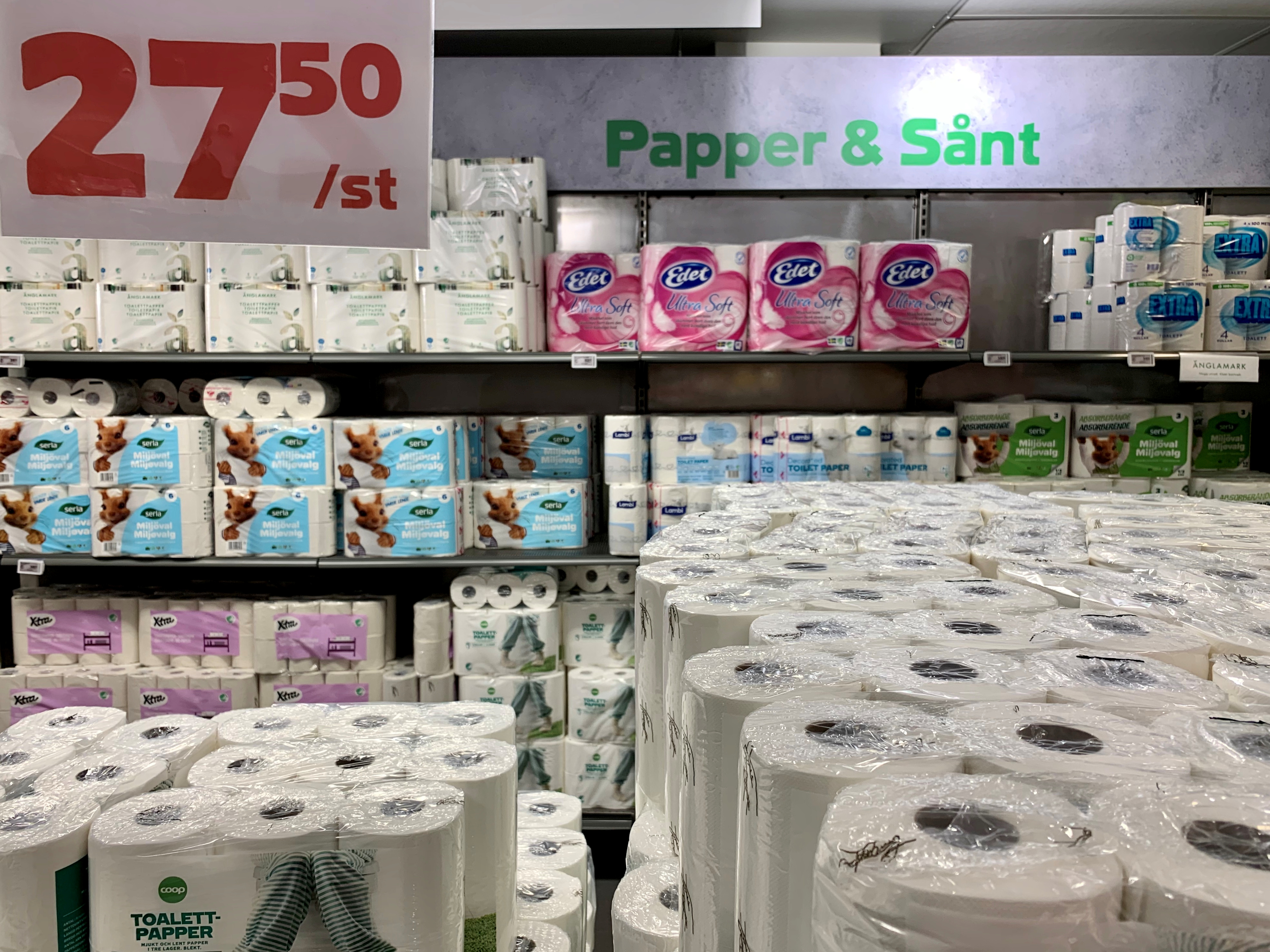
莱克罗夫特指出,材料占气候解决方案的30%,而它们目前获得的社会影响投资却不到3%。对于新一代材料可能带来的投资回报和商业回报,“存在一些盲区”。一些卫生纸制造商也在投资新一代的非木质纤维。今年夏天,全球最大的卫生纸制造商之一金佰利公司宣布在其搜寻工作中取得突破。
Rycroft points out that materials are 30% of the climate solution, and they currently get less than 3% of impact investment. “There’s a bit of a blind spot around both return on investment and commercial returns that are possible within next-gen materials.”Some toilet paper makers are also investing in a new generation of non-wood fibres. This summer, one of the world’s largest, Kimberly-Clark, announced a breakthrough in its search.
在70多种潜在的纤维候选材料中,该公司目前正专注于剑麻莲,这是一种纤维素含量高、能在干旱条件下生长的植物。该公司表示,由此产生的纸巾可以满足以往只能通过混合软木和硬木纤维才能达到的柔软度和耐用性标准。
Out of over 70 potential fibre candidates, it’s now focusing on hesperaloe, a plant with a high cellulose content that can grow in arid conditions. The resulting tissue, it says, can meet the criteria for softness and durability that have previously only been achieved using blends of soft and hardwood fibres.
金佰利公司(Kimberly-Clark)对该项目充满信心,已开始在亚利桑那州建设一座预计于明年开业的中试工厂,并正与农民和技术专家合作,评估将丝兰(hesperaloe)作为全年商业作物种植的可行性。
Such is its optimism that Kimberly-Clark has begun building a pilot facility in Arizona expected to open next year, and is working with farmers and technical experts to assess the feasibility of growing hesperaloe year-round as a commercial crop.
金佰利首席研发官克雷格·斯拉夫切夫(Craig Slavtcheff)在一份声明中将其描述为“一个令人兴奋的登月计划”,并表示:“我们相信,这种材料将在我们的产品中提供颠覆性的性能,同时增强我们的长期增长和供应链韧性。”
Describing it as “an exciting moonshot”, Craig Slavtcheff, chief research and development officer at Kimberly-Clark said in a statement that “we believe this material will provide curve-bending performance in our products while strengthening our long-term growth and supply chain resilience”.
该公司拒绝透露将需要多少土地来种植丝兰作为农作物,但表示,如果能够扩大生产规模,它可能比砍伐森林更便宜,对环境的破坏也更小。尽管该公司为推进这一项目已花费了2.5亿美元,但实现商业化所需的资金将是该数字的数倍。
The company declined to say how much land might be needed to grow hesperaloe as a crop, but says that if production can be scaled it could be cheaper and less environmentally damaging than chopping down forest. While it has spent $250 million getting to this point, commercialisation will cost multiple times that figure.
今年,金佰利表示已实现2025年的中期目标,即将其对来自原始北方森林和针叶林纤维的使用量减少50%,用来自FSC(森林管理委员会)认证森林的木质纤维和回收纤维取而代之。
This year, Kimberly-Clark said it had met its interim 2025 goal of cutting its use of fibres from primary northern and boreal forests by 50%, substituting them with wood fibres from FSC-certified forests, and recycled fibre.
自然资源保护协会(NRDC)长期以来一直敦促纸巾制造商减少对针叶林的依赖,该协会表示,金佰利寻找可持续替代品的原因是“消费者开始追问他们的卫生纸来自哪里,而且股东们也开始询问,建立在砍伐森林基础上的业务能维持多久”。
The Natural Resources Defence Council (NRDC), which has long pushed tissue makers to cut their reliance on boreal forests, said Kimberly-Clark’s search for sustainable alternatives came because “consumers started asking where their toilet paper comes from, and because shareholders started asking how long a business built on clearcut forests can last”.
致力于提高供应链透明度和问责制的非营利组织全球林冠(Global Canopy)表示,面临森林风险商品的广泛企业正积极寻找替代原材料和循环利用方案,这值得称赞。
Global Canopy, a non-profit that works on improving transparency and accountability in supply chains, says it is laudable that companies exposed to forest risk commodities are looking at alternative source materials and circularity.
但试点项目规模较小,需要时间才能见效;与此同时,森林面临的压力正在增加。该非政府组织对《道德公司》杂志表示,公司的“主要重点应放在通过开展风险评估、报告无砍伐认证产量以及与高风险供应商开展合作,以应对其供应链中的森林砍伐问题上。”
But pilot projects are small and will take time scale; meanwhile the pressure on forests is growing. The NGO told the The Ethical Corporation that companies’ “main focus should be on tackling deforestation within their supply chains by conducting risk assessments, reporting on deforestation-free certified volumes and engaging high risk suppliers.”
本文摘自《道德公司》杂志最新一期,主题为森林砍伐风险。您可点击此处下载该杂志的数字版PDF。
This article is from the latest issue of The Ethical Corporation magazine, on deforestation risk. You can download the digital pdf of the magazine by clicking here