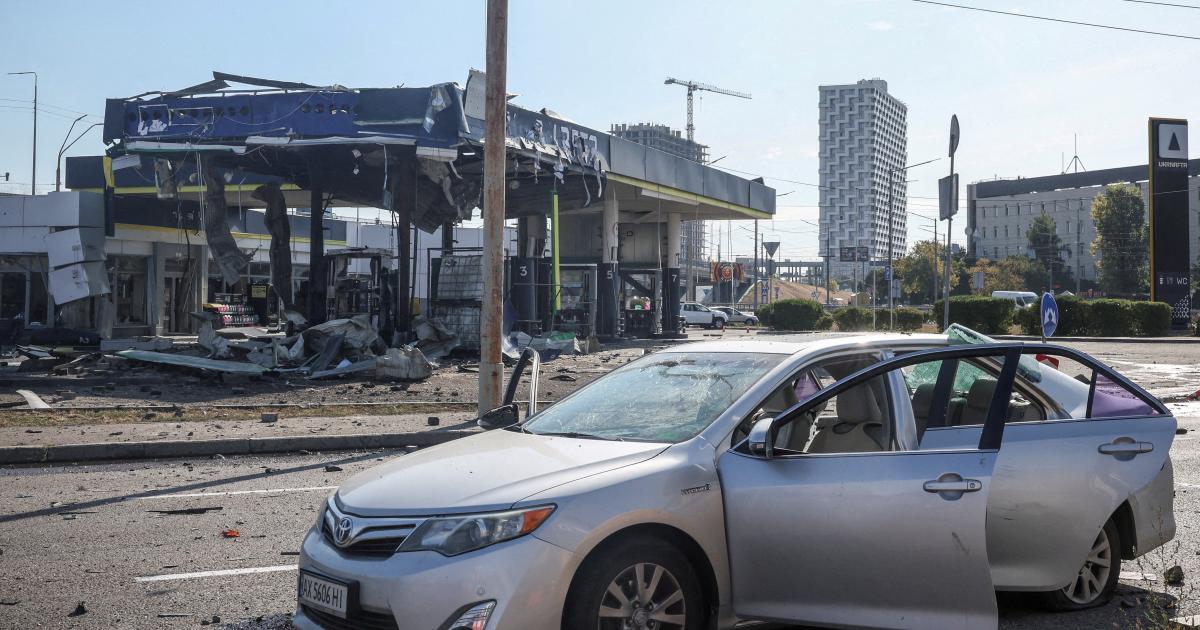
乌克兰正面临着自战争初期以来最危险的时刻。自7月下旬以来,俄罗斯利用其不断增加的弹道导弹库存和新一代喷气动力无人机,急剧加强了其远程打击。它现在正将乌克兰全国各地的民众聚集区作为目标,重点打击后勤、交通和商业基础设施。根据乌克兰情报部门的报告,俄罗斯政府计划今年冬天对能源和供水供应发动更加猛烈的战役,试图彻底摧毁乌克兰的经济和社会。
Ukraine is facing its most precarious moment since the early days of the war. Since late July, Russia has used its growing stockpile of ballistic missiles and a new generation of jet-powered drones to dramatically intensify its long-range attacks. It is now targeting Ukrainian population centers all over the country, with a focus on logistics, transportation, and commercial infrastructure. According to Ukrainian intelligence reports, the Russian government is planning an even more intense campaign against energy and water supplies this winter in an attempt to decisively break Ukraine’s economy and society.
10月9日,美国总统唐纳德·特朗普似乎让乌克兰的处境更加危险,当时他宣布与莫斯科达成协议,单方面解除对俄罗斯柴油的制裁,并呼吁乌克兰暂停对俄罗斯炼油厂的袭击。这些袭击在过去几个月一直是乌克兰施加反压力的最有效手段之一。但特朗普的意外宣布不一定会成为乌克兰的重大挫折。这一举措正值特朗普政府近几周在更广泛的转变之中——即放弃追求难以实现的全面和平协议,转而寻求对能源基础设施的袭击实现互惠停火——这一转变最终可能对基辅有利。
On October 9, U.S. President Donald Trump seemed to make Ukraine’s situation even more perilous when he announced a deal with Moscow to unilaterally lift sanctions on Russian diesel and called on Ukraine to suspend strikes on Russian oil refineries. Those strikes have been one of Ukraine’s most potent forms of counterpressure in recent months. But Trump’s unexpected announcement is not necessarily a major setback for Ukraine. It comes amid a broader shift by the Trump administration in recent weeks to move away from pursuing an elusive comprehensive peace agreement in favor of a mutual cease-fire on strikes against energy infrastructure—a shift that could ultimately be beneficial to Kyiv.
此外,在特朗普对乌克兰总统弗拉基米尔·泽连斯基批评柴油协议的愤怒回应中,他透露了一条可能的前进道路:只要乌克兰停止袭击俄罗斯炼油厂,总统说,“你们可以对俄罗斯做任何你们想做的事情。”乌克兰应该相信特朗普的话。如果这一能源停火协议得到莫斯科和基辅的共同遵守,那么它将成为遏制战争的关键一步。
Moreover, in his angry retort to Ukrainian President Volodymyr Zelensky’s criticism of the diesel deal, Trump revealed a potential way forward: as long as Ukraine stopped hitting Russian refineries, the president said, “you can do whatever you want to Russia.”Ukraine should take Trump at his word. If upheld by Moscow as well as Kyiv, an energy cease-fire would be a crucial step toward containing the war.
若以正确的方式呈现,它也将为乌克兰保留其他形式的压力手段留有空间,这些手段可能有助于迫使俄罗斯遵守协议。理想情况下,远程空中和导弹攻击的互惠停止随后可以在其他领域复制——海上、商业和交通运输——从而为更广泛的空中停火奠定基础。
Framed in the right way, it would also leave open other forms of pressure by Ukraine that could help compel Russian compliance. Ideally, a reciprocal halt in long-range air and missile attacks could then be replicated across other sectors—maritime, commercial, and transportation—thus forming the basis of a broader aerial cease-fire.
迄今为止,俄罗斯总统弗拉基米尔·普京没有表现出任何准备暂停甚至缩减其打击行动的迹象。他将乌克兰城市和基础设施的广泛破坏视为通往胜利的最直接途径。但普京也面临着不断扩大的战争带来的压力。在一定程度上,他不断加速的空袭行动反映出前线兵力的疲软,2026年全线俄罗斯几乎未取得实质进展,乌克兰甚至开始在顿巴斯取得一些战果。俄罗斯国内也面临着乌克兰远程打击不断上升的代价,这些打击扰乱了能源和商业基础设施,并加剧了公众对长期战争的焦虑。
Thus far, Russian President Vladimir Putin has given no indication that he is prepared to halt or even curtail his strike campaign. He sees the widespread destruction of Ukrainian cities and infrastructure as his most direct path to victory. But Putin is also under pressure from the widening war. In part, his accelerating air campaign reflects weakness on the frontlines, where Russia has achieved negligible progress throughout 2026 and Ukraine has even begun to make some gains in the Donbas. Russia also faces growing costs at home from Ukraine’s long-range strikes, which have disrupted energy and commercial infrastructure and heightened public anxiety over a prolonged war.
如果美国和欧洲允许乌克兰施加有针对性的压力,说服莫斯科同意暂停或大幅限制其鲁莽的空袭行动,他们就能利用俄罗斯不断增加的挑战。为了发挥实效,这种方法需要与旨在实现这一特定目标的重点外交相结合。事实上,为此目的可以利用的工具有限,而将其迅速付诸实施的障碍也远比人们通常认为的更容易克服。
The United States and Europe can capitalize on Russia’s mounting challenges if they allow Ukraine to apply targeted pressure to convince Moscow to agree to pause or significantly limit its reckless air campaign. To be effective, this approach needs to be combined with focused diplomacy aimed at that specific objective. In fact, there are tools available for this purpose, and the barriers to putting them quickly into play are far more surmountable than has been commonly recognized.
关键在于发出可信的信号:如果俄军继续猛烈打击乌克兰的平民经济和社会,俄罗斯关键的军事和经济资产将面临风险。只有到那时,普京才可能得出结论,即他当前的做法已经达到了收益递减的地步——并随后做出调整,就像他在战争的其他关头所做的那样。与此同时,这一外交行动必须与基辅西方伙伴的更广泛努力结合起来,帮助基辅在冬季到来之前紧急巩固其防空和财政。
The key will be credibly signaling that critical Russian military and economic assets will be at risk if Russian forces continue pummeling Ukraine’s civilian economy and society. Only then might Putin conclude that his current approach has reached the point of diminishing returns—and then pivot, as he has done at other junctures in the war. At the same time, this diplomatic play must be hitched to a broader effort by Kyiv’s Western partners to help it urgently shore up its air defenses and finances ahead of winter.
这种战略可能不会立即成功,但如果不去尝试,几乎注定会使乌克兰遭受极其严重的破坏,而这些破坏将更加入不敷出、难以逆转。
Such a strategy may not immediately succeed, but failing to try would all but ensure that Ukraine suffers an extraordinary degree of damage that will be much harder to reverse.
压力点特朗普政府反复未能实现其宣称的在俄罗斯和乌克兰之间斡旋和平的目标,导致许多观察家认为外交是浪费时间。过去21个月,特朗普政府在调停全面和平解决方案方面毫无进展。俄罗斯的战争目标和乌克兰的要求——在领土、乌克兰安全安排以及俄罗斯与西方未来关系等棘手问题上——仅仅相差太远。华盛顿也错失了对俄罗斯建立有意义杠杆的机会,反而通过潜在的商业交易和其他激励措施大肆拉拢俄罗斯,同时施压基辅接受莫斯科的条件。
PRESSURE POINTS The Trump administration’s repeated failure to advance its stated goal of brokering peace between Russia and Ukraine has led many observers to write off diplomacy as a waste of time. Over the past 21 months, the Trump administration has gotten nowhere in its attempts to mediate a comprehensive peace settlement. Russia’s war aims and Ukraine’s requirements—on such thorny issues as territory, Ukrainian security arrangements, and Russia’s future relations with the West—are simply too far apart. Washington also missed opportunities to build meaningful leverage over Russia, instead lavishly courting it with potential commercial deals and other incentives while pressuring Kyiv to accept Moscow’s conditions.
然而,这一经历推动了政府当前努力实现更具可行性且范围更窄的目标。特朗普的使者贾里德·库什纳和史蒂夫·威特科夫在9月初访问莫斯科和基辅之后,转向了更有限的能源停火。此后,总统也重申了对这种协议的支持。特朗普对能源停火的兴趣主要是出于自身利益——他将燃油价格飙升归因于乌克兰对俄罗斯炼油厂的袭击——但这一转变可能对基辅有利,尤其是如果它成为协调行动的基础,以确保对空袭和导弹攻击实施更广泛的相互限制。
Yet that experience has helped drive the administration’s current efforts to achieve more plausible and narrowly defined goals. Following their visits to Moscow and Kyiv in early September, Trump’s envoys, Jared Kushner and Steve Witkoff, pivoted toward a more limited energy cease-fire. Since then, the president has also reiterated his support for such a deal. Trump’s interest in an energy cease-fire is largely self-serving—he has attributed spikes in fuel prices to Ukraine’s strikes on Russian oil refineries—but this shift could serve Kyiv well, especially if it becomes the basis for a coordinated drive to secure broader reciprocal limits on air and missile attacks.
核心挑战在于说服俄罗斯接受这样的协议。截至目前,普京一直拒绝对任何形式的空袭施加限制的呼声。他认为自己对乌克兰造成的损害超过了俄罗斯因基辅袭击所承受的痛苦。但美国和欧洲国家有几种方法可以改变这种计算。关键在于,美国和欧洲必须使乌克兰能够打击俄罗斯境内的导弹发射器和其他军事目标——或者至少允许乌克兰可信地威胁这样做。
The core challenge is convincing Russia to embrace such an agreement. To date, Putin has rejected calls for restrictions on aerial strikes of any sort. He views the damage he is inflicting on Ukraine as outstripping the pain Russia is sustaining from Kyiv’s attacks. But the United States and European countries have several ways to change this calculus. Crucially, the United States and Europe must enable Ukraine to strike missile launchers and other military targets inside Russia—or at least allow it to credibly threaten to do so.
到目前为止,乌克兰主要将其远程攻击集中在能源基础设施上,因为针对俄罗斯加固的军事设施和移动发射系统在技术上要复杂得多。但正是这些更难替换的资产,普京最担心失去。能源停火将是遏制战争的关键一步。
Thus far, Ukraine has largely focused its long-range attacks on energy infrastructure, because targeting Russia’s hardened military installations and mobile launch systems is technically much more complicated. But it is exactly these harder-to-replace assets that Putin is most concerned about losing. An energy cease-fire would be a crucial step toward containing the war.
事实上,美国促成对军事资产的打击并不困难。几个月来,乌克兰一直敦促特朗普政府和SpaceX首席执行官埃隆·马斯克,使星链在乌克兰边境对面的一片俄罗斯领土上可用——正是从那里发射大多数弹道导弹。基辅需要这种访问权限,以便让其无人机团队能够瞄准移动发射器。一旦乌克兰获得这种能力,俄罗斯很可能会被迫将这些系统的其余部分进一步远离边境,从而大幅降低对乌克兰的弹道威胁。
In fact, it would not be difficult for the United States to facilitate strikes on military assets. For months, Ukraine has pressed the Trump administration and SpaceX CEO Elon Musk to enable Starlink access over a swath of Russian territory opposite the Ukrainian border from which most ballistic missiles are launched. Kyiv needs such access to allow its drone teams to target mobile launchers. As soon as Ukraine acquires this ability, Russia would likely be compelled to pull the rest of these systems farther away from the border, thereby considerably reducing the ballistic threat to Ukraine.
到目前为止,特朗普和马斯克都回避了乌克兰的请求——各自声称决定权在对方那里。但两人都没有排除授予此类访问权限的可能性。
Thus far, Trump and Musk have both deflected Ukraine’s request—each one claiming the decision rests with the other. But neither has foreclosed greenlighting such access.
如果乌克兰官员将重点放在如何将星链接入作为谈判筹码上,作为更广泛的美国主导的外交策略的一部分,以确保实现空中停火——尤其是如果它成为与华盛顿达成协议的一部分,即不打击俄罗斯炼油厂——那么基辅争取获得星链接入以对抗俄罗斯的论点可能会更具说服力。具体而言,特朗普可以在不进行公开宣传的情况下授权接入,同时向莫斯科表明,他这样做仅仅是为了在空中停火实现之前。
Kyiv’s case for acquiring Starlink access over Russia might be more persuasive if Ukrainian officials focused on how it could be deployed as negotiating leverage, as part of a wider U.S.-led diplomatic strategy to secure an aerial cease-fire—especially if it were an element of an agreement with Washington to refrain from striking Russian oil refineries. Specifically, Trump could authorize access without public fanfare, while signaling to Moscow that he is doing so only until an aerial cease-fire is in place.
有理由相信这种策略会成功。今年早些时候,马斯克与乌克兰合作建立了一个注册系统,该系统有效地将星链的使用限制在乌克兰无人机操作员手中,短时间内导致俄军在前线陷入作战混乱。然而,华盛顿错过了利用俄方这一弱点时机推动莫斯科实现战略降级的机会,因为几周后美国的注意力转向了对伊朗的战争。
There is reason to think such a tactic would succeed. Earlier this year, Musk worked with Ukraine to create a registration system that effectively limited Starlink use to Ukrainian drone operators, a step that for a short period sent Russian forces into operational disarray along the front. Washington missed a chance to exploit that moment of Russian weakness to push Moscow toward a tactical de-escalation, however, because U.S. attention shifted just weeks later to the war against Iran.
德国政府也有一张类似的牌可以打。基辅长期以来一直在寻求获得德国的金牛座空射巡航导弹,这将使其能够打击位于俄罗斯境内数百英里外的固定目标,例如生产喷气式无人机和弹道导弹的国防工厂。迄今为止,德国总理弗里德里希·梅尔茨一直抵制向乌克兰提供金牛座系统,理由是这将升级冲突,并且需要现场的大量技术援助,这将使德国军方卷入冲突。
The German government has a similar card to play. Kyiv has long sought to get Germany’s Taurus air-launched cruise missile, which would allow it to target fixed sites hundreds of miles into Russia, such as defense plants that produce jet-powered drones and ballistic missiles. Thus far, German Chancellor Friedrich Merz has resisted sending the Taurus system to Ukraine, arguing that it would be escalatory and would require a level of on-site technical assistance that would make German forces party to the conflict.
但如果梅尔茨相信这样做能够推动空中停火的进展——理想情况下与特朗普在星链问题上的行动同步——他可能会被说服改变主意,或者至少授权乌克兰军队开始对该系统进行训练。与此同时,其他欧洲伙伴也可以通过提供更多情报和技术专长来支持这一计划,以帮助乌克兰打击俄罗斯境内的发射装置。
But Merz might be persuaded to relent—or at least to authorize Ukrainian troops to start training on the system—if he believed that doing so would create momentum toward an aerial cease-fire, ideally in lockstep with a move from Trump on Starlink. In turn, other European partners could also contribute to such a plan by leaning in more with intelligence and technical expertise to enable Ukraine to target launchers inside Russia.
欧元与爱国者系统 当然,任何此类杠杆式外交都将取决于乌克兰的伙伴们能否证明他们仍致力于满足乌克兰的紧急战争需求,并且俄罗斯不会在这场旨在今冬击垮该国的升级行动中得逞。而这意味着,无论美国是否参与或提供支持,都必须制定一个连贯的紧急战略,以加强基辅的防空能力和经济。
EUROS AND PATRIOTS Any such leveraged diplomacy, of course, will depend on Ukraine’s partners showing that they remain committed to addressing Ukraine’s immediate war needs and that Russia will not succeed in its stepped-up campaign to break the country this winter. And this means having a coherent immediate strategy for shoring up both Kyiv’s air defenses and its economy, irrespective of U.S. involvement or support.
首要问题是爱国者拦截弹。对乌克兰而言,爱国者系统的PAC-3型号是抵御俄罗斯弹道导弹攻击最有效的防护手段。然而,随着美国因伊朗战争而大幅消耗其武器库存,基辅的爱国者弹药储备已经告罄。乌克兰的欧洲伙伴们一直在全球范围内寻找爱国者导弹,但至今仍未能满足乌克兰为度过冬季而提出的适度需求——300枚拦截弹。尽管希腊、日本、韩国和西班牙等拥有充足爱国者库存的国家具备条件,但由于各种安全和法律方面的考虑,它们一直不愿将这些系统转移给乌克兰。
Above all is the question of Patriot interceptors. For Ukraine, the Patriot’s PAC-3 variant is by far the most effective protection against Russian ballistic missile attacks. Yet Kyiv’s stockpile has dried up as the United States husbands an arsenal that has been significantly depleted by the Iran war. Kyiv’s European partners have been scouring the world for Patriot missiles but have so far been unable to meet Ukraine’s modest request of 300 interceptors to get through the winter. Countries with robust Patriot stocks, such as Greece, Japan, South Korea, and Spain, have been reluctant to transfer them to Ukraine for a variety of security and legal reasons.
此时,欧洲应效仿美国早期的做法。在拜登政府时期,美国官员曾说服不愿合作的伙伴,并设计出富有创意的多方互换和补足协议——其中许多由美国补贴——以腾出关键弹药供乌克兰使用。例如,美国曾从韩国采购155毫米炮弹,从日本采购PAC-3拦截弹,以此来补充其对乌克兰的军火援助。这一次,乌克兰可以通过其正在获得的欧盟贷款方案自行融资采购所需装备。
Here, Europe should take a page from an earlier U.S. playbook. During the Biden administration, U.S. officials cajoled recalcitrant partners and engineered creative multiparty swaps and backfill agreements—many of them subsidized by the United States—to free up critical munitions for Ukraine. For example, the United States bought 155-millimeter artillery shells from South Korea and PAC-3 interceptors from Japan to backfill American munitions for Ukraine. This time around, Ukraine can finance the purchases itself through the loan package it is receiving from the EU.
在经济方面,如果欧盟同意提前发放原定于明年拨付的900亿欧元贷款分期,乌克兰最紧迫的需求就能得到满足。欧盟领导人已经明确表示,基辅必须首先满足布鲁塞尔的改革条件,才能确保获得今年已经承诺的贷款分期。但欧盟很可能还需要寻找额外资源,因为这笔预计持续到2027年的贷款本身将无法满足乌克兰的需求。
On the economic front, Ukraine’s most acute needs could be met if the EU agreed to frontload the disbursement of the tranches of its 90 billion euro loan that are scheduled for next year. EU leaders have made clear that Kyiv must first meet Brussels’ reform conditions to secure the tranches of the loan already promised this year. But the EU will also most likely need to find additional resources because the loan itself, expected to last through 2027, will fall short of meeting Ukraine’s needs.
8月,荷兰、波兰、西班牙和瑞典再次提出了动用俄罗斯被冻结主权资产的方案,据估计,这笔资产中有240亿美元存放于欧盟,其中大部分在总部位于比利时的金融服务公司欧洲清算银行。要获得这些资产的托管权以便转交给乌克兰,其面临的法律和政治障碍可能过于巨大,无法及时解决以在来年帮助基辅。但乌克兰的伙伴过去曾想出过创造性的解决方案。
In August, the Netherlands, Poland, Spain, and Sweden again proposed the option of tapping into Russia’s frozen sovereign assets, an estimated $240 billion of which reside in the EU, mostly in the Belgium-based financial services company Euroclear. The legal and political obstacles to taking custody of those assets for onward transfer to Ukraine may be too formidable to resolve in time to help Kyiv in the coming year. But Ukraine’s partners have come up with creative solutions in the past.
2024年,七国集团设计了一笔50亿美元的贷款,由冻结的俄罗斯资产未来产生的超额利润来偿还。欧盟的90亿欧元贷款是另一个创造性的例子:它由欧盟在资本市场上借款筹措,只有在俄罗斯支付战争赔偿的情况下才由乌克兰偿还;否则,欧盟保留用被冻结的俄罗斯资产进行偿付的权利。欧盟和志同道合的伙伴——尤其是加拿大、日本和英国——可以重新审视并扩大这两种机制,为乌克兰筹集更多资金,同时避开政治毒丸。
In 2024, the G-7 designed a $50 billion loan to be serviced by the future windfall profits generated by the frozen Russian assets. The EU’s 90 billion euro loan is another creative example: it is financed from EU borrowing on capital markets, to be repaid by Ukraine only if Russia pays reparations; otherwise, the EU has reserved the right to reimburse itself with the frozen Russian assets. The EU and likeminded partners—notably Canada, Japan, and the United Kingdom—can revisit and expand both mechanisms to generate additional funding for Ukraine while steering clear of political poison pills.
协同施压 归根结底,这些步骤中的每一步都需要经过协调,才能对普京的决策产生最大的影响力。特朗普政府邀请欧洲高级官员参加上周在迈阿密与乌克兰谈判代表举行的会谈,这一事实表明,此类跨大西洋协调是可能的,尽管华盛顿与欧洲的关系在其他方面处于紧张状态。另一方面,有报道称特朗普政府曾威胁要切断对乌克兰的情报支持以及防空导弹和其他关键弹药的供应,这凸显了华盛顿充其量是一个反复无常的对话伙伴这一现实。
COORDINATED COERCION Ultimately, each of these steps needs to be coordinated to have maximum influence on Putin’s thinking. The fact that the Trump administration invited top European officials to join last week’s talks with Ukrainian negotiators in Miami is a sign that such transatlantic coordination is possible, even if Washington’s ties with Europe are otherwise strained. On the other hand, reports that the Trump administration has threatened to cut off intelligence support and supplies of air defense missiles and other critical munitions for Ukraine underscore the reality that Washington is at best a capricious interlocutor.
无论如何,与白宫保持建设性工作关系的欧洲领导人,例如芬兰总统亚历山大·斯图布,应继续主张:授予“星链”使用权等向莫斯科施压的措施,将有助于推进特朗普既定的缓和冲突的目标。
In any case, European leaders who have constructive working relations with the White House, such as Finnish President Alexander Stubb, should continue arguing that granting Starlink access, among other steps to pressure Moscow, would advance Trump’s stated aim of deescalating the conflict.
普京坚定致力于其整体战争目标,任何程度的外部压力都不太可能迫使他放弃这些目标。但他是一个机会主义者,并表现出善于为追求更广泛的雄心而做出战术调整。2022年初,当事实证明对基辅的地面进攻将会失败时,他放弃了这一进攻。后来,在基辅证明其能够击沉有价值的俄罗斯海军资产后,他将黑海舰队撤离了乌克兰海岸;2022年,在遭受粮食短缺之苦的非洲国家的压力下,他还加入了《黑海谷物倡议》,该倡议由联合国和土耳其斡旋,在近一年的时间里允许乌克兰港口的谷物运货船安全通行。
Putin is committed to his overall war aims, and no amount of external pressure is likely to force him to abandon those. But he is an opportunist and has shown himself adept at making tactical adjustments in pursuit of his broader ambitions. In early 2022, he gave up his ground attack on Kyiv when it became evident that it would fail. Later, he pulled the Black Sea Fleet away from Ukraine’s shores after Kyiv proved it could sink valuable Russian naval assets; in 2022, he also entered the Black Sea Grain Initiative, which for nearly a year allowed the safe passage of grain shipments from Ukrainian ports and was brokered by the United Nations and Turkey, under pressure from African nations suffering from grain shortages.
对普京而言,这些并非善意姿态,而是旨在推进其征服乌克兰这一更广泛目标的自保举措。只要美国和欧洲施加得当的筹码,就没有理由认为他会排除从针对乌克兰平民人口和经济基础设施的袭击中类似地撤退。如果普京看到乌克兰颠覆俄罗斯主要人口中心生活的能力有所增强——基辅无疑致力于追求这一目标,正如其近期对俄罗斯数据中心的有效打击所示——他会更倾向于认为空中停火对自己有利。
For Putin, these were not goodwill gestures but measures of self-preservation designed to advance his broader aim of subjugating Ukraine. With the right kind of leverage applied by the United States and Europe, there is no reason to assume he would rule out a similar pullback from attacks on Ukrainian civilian populations and economic infrastructure. He would be even more inclined to view an aerial cease-fire as advantageous if he saw an expansion of Ukraine’s ability to upend life in Russia’s major population centers—a goal Kyiv no doubt is intent on pursuing, as shown by its effective recent strikes on Russian data centers.
当然,即使面对这些新的代价,普京仍有可能拒绝妥协。但在那种情况下,使乌克兰能够打击俄罗斯导弹发射装置和国防生产基地——再加上持续的经济压力——对于帮助乌克兰对抗俄罗斯的升级将更为关键。除了让俄罗斯更难发动袭击从而缓解乌克兰城市的直接压力外,这也将削弱俄罗斯的军事能力。即使这达不到遏制空战的目的,也将是有益的。
Of course, there is the possibility that, even faced with these new costs, Putin will still refuse to budge. But in that scenario, enabling Ukraine to target Russian missile launchers and defense production sites—combined with continued economic pressure—will be even more essential to helping Ukraine counter Russian escalation. In addition to relieving immediate pressure on Ukrainian cities by making it harder for Russia to launch strikes, it will also undercut Russia’s military capacity. That would be beneficial even if it falls short of containing the air war.
矛盾的是,促成普京许多成功的适应能力,也给基辅和西方提供了比他们所意识到的更大的腾挪空间。特朗普、泽连斯基和欧洲领导人需要以这样一种方式来组织他们的行动:在缓解乌克兰经济压力的同时,表现出越来越强的意愿去利用俄罗斯的关键脆弱性。只有到那时,普京才可能会认为,进行战术调整——在本案中是同意空中停火——要比维持现状对自己更有利。
Paradoxically, the adaptability that has enabled many of Putin’s successes also gives Kyiv and the West more space to maneuver than they realize. Trump, Zelensky, and European leaders need to organize their actions in a way that relieves pressure on the Ukrainian economy while showing growing willingness to exploit critical Russian vulnerabilities. Only then might Putin consider that he is better off making a tactical adjustment—in this case, agreeing to an aerial cease-fire—than maintaining the present course.
他这样做不是为了妥协,而是为了找到一种更有效的方式来实现其更广泛的目标。在那段调整期里,基辅及其伙伴将获得急需的喘息空间,以重新集结、巩固防御并为下一轮对抗做准备。
He would do so not to concede but to find a more effective way to achieve his broader aims. In that adjustment period, Kyiv and its partners will gain urgently needed breathing space to regroup, fortify, and prepare for the next round.